
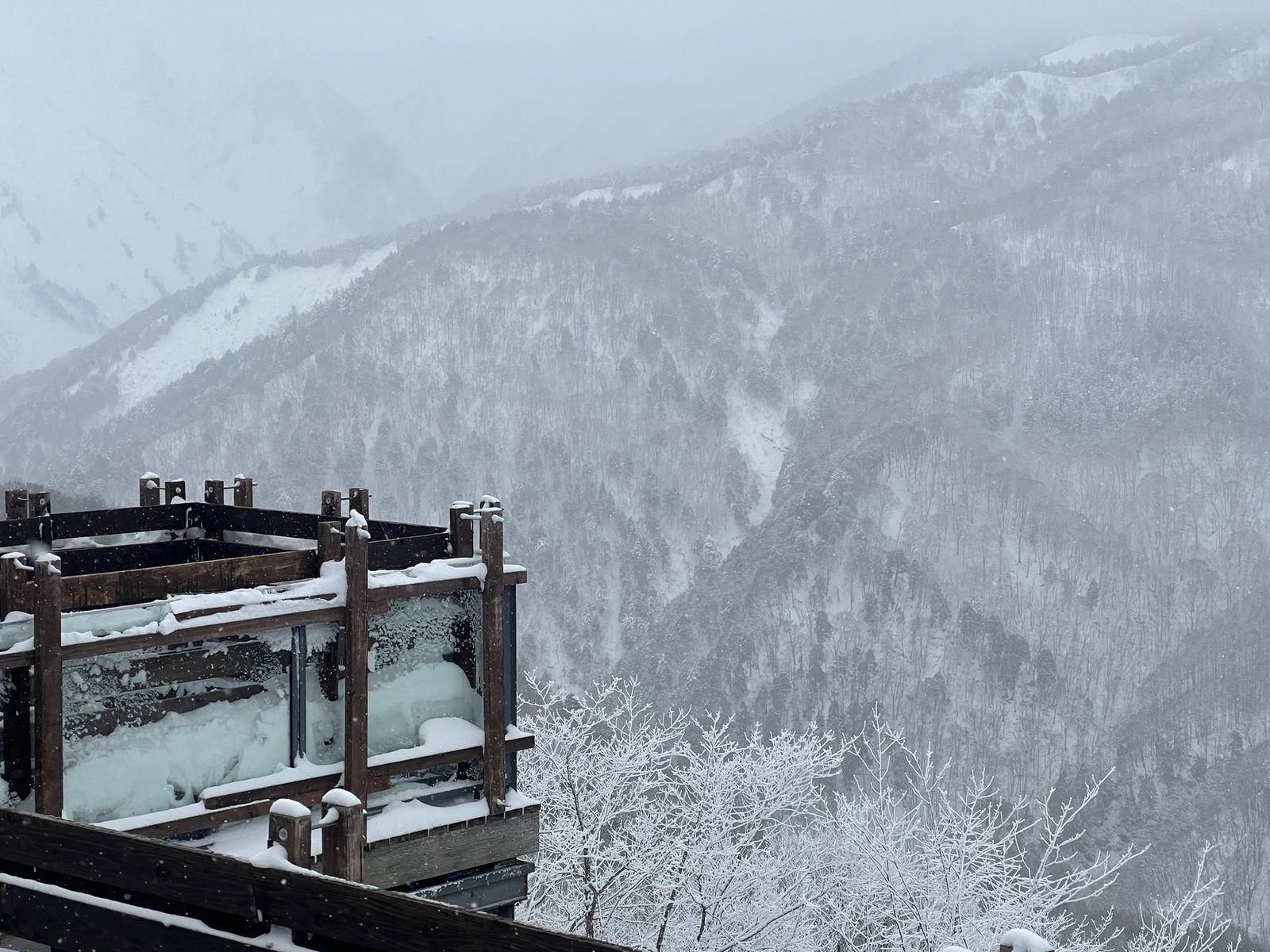
Ski Group Buses to Hakuba: A Practical Winter Travel Guide
Plan a smooth Hakuba ski trip with a 45–50-seat coach, winter-road advice, rental costs, and snowstorm schedule guidance.
Aug 21, 2026·✍️ olablog·⏱ 8 min read
Plan a smooth Hakuba ski trip with a 45–50-seat coach, winter-road advice, rental costs, and snowstorm schedule guidance.
Tap a region to browse articles
Planning a Group Ski Trip to Hakuba
Hakuba is one of Japan’s most popular ski destinations for international travelers, with multiple resorts, a lively village atmosphere, and spectacular mountain scenery. It is also a destination where group transport needs more planning than a normal city transfer.
Snowy roads, bulky ski bags, mountain routes, and changing weather can make a large group difficult to move efficiently. For groups traveling together, a 45–50-seat full-size coach offers a comfortable and practical way to travel from Tokyo, Nagano, airports, or nearby accommodation areas.
The key is to plan for winter conditions from the beginning—not treat snow as an unexpected inconvenience.
Why a Full-Size Coach Works Well for Hakuba
A full-size coach is designed for organized group travel. Everyone can depart together, and the group does not need to divide between several vehicles or coordinate multiple drivers.
It is especially useful when travelers are carrying:
- Skis and snowboards
- Boots, helmets, and ski clothing
- Large suitcases for a longer Japan itinerary
- Children’s equipment and winter accessories
- Shopping bags or resort luggage
A 45–50-seat coach also gives passengers more room to relax after a long day on the slopes. Depending on the vehicle layout and luggage volume, ski equipment may need to be placed in the luggage compartment or handled with a separate loading plan. Tell the operator how many skis, snowboards, and suitcases your group has when requesting a quote.
For smaller groups, a large coach may not always be the most economical option. However, for a school group, corporate retreat, sports club, wedding party, or multi-family ski holiday, keeping everyone together can be worth more than simply choosing the smallest available vehicle.
Winter-Ready Coaches and Snowy Mountain Roads
A suitable Hakuba ski bus should be prepared for winter driving. Licensed Japanese operators use vehicles equipped for seasonal road conditions, such as winter tires and other required safety equipment. In some circumstances, snow chains may also be required depending on road conditions, local regulations, or the route.
This matters because the journey to Hakuba may include steep or winding roads, particularly near mountain areas. Even when roads are open, snow can reduce driving speeds and increase the time needed for loading, rest stops, and safe navigation.
When arranging your transfer, ask about:
- Winter tires and snow-chain procedures
- The planned route and mountain-road sections
- Luggage capacity for skis and snowboards
- Rest stops during a long transfer
- Pick-up points that allow safe coach access
- Contingency plans for heavy snow or road closures
Your driver and operating team will make the final safety decision on the day. A route that is normally straightforward may require extra time or a change of plan after fresh snowfall.
Winter Travel Times and Mountain Pass Restrictions
There is no single fixed “Hakuba travel time” for every group. The duration depends on your departure point, traffic, weather, road conditions, hotel access, and the number of stops.
Winter daylight is also an important consideration. Mountain roads are more demanding after dark, especially during active snowfall. For this reason, your operator may recommend a daytime departure or adjust the itinerary to avoid the most difficult sections during poor visibility.
Some mountain routes and passes can have seasonal restrictions, temporary closures, or controlled traffic during heavy snow. These decisions are made by local authorities and road managers, not by the charter company. A coach operator may need to change the route, delay departure, or wait until conditions improve.
Build flexibility into your schedule:
- Avoid placing a tight flight connection immediately after a mountain transfer.
- Allow additional time for loading ski equipment.
- Keep the group reachable by phone on the travel day.
- Confirm the final pick-up time and location with the hotel.
- Prepare for a later arrival if snow slows the route.
- Keep essential medication and valuables in your hand luggage.
A flexible schedule is particularly important when traveling between mid-November and early December, when conditions can change quickly, and during the heart of winter, when snowfall may affect roads without much notice.
What Happens if a Snowstorm Changes the Schedule?
A snowstorm does not automatically mean that your trip must be canceled. The operator will assess road conditions, official notices, visibility, and the safety of the planned route.
Possible adjustments include:
- Delaying departure until roads are safer
- Leaving earlier to avoid worsening weather
- Using an alternative route
- Changing the drop-off point
- Adding a rest stop or waiting period
- Rescheduling part of the itinerary
- Canceling the transfer if authorities or the operator consider travel unsafe
The exact solution depends on the weather and your booking terms. Ask about change and cancellation conditions before confirming, especially if your group is traveling during a period with a high chance of snowfall.
If your itinerary changes, communicate one decision to the whole group. A designated trip leader should remain in contact with the operator and hotel so that passengers do not receive conflicting instructions.
Estimated Ski Equipment Rental Costs
Many Hakuba resorts and nearby rental shops offer skis, snowboards, boots, poles, helmets, and clothing. Prices vary according to the equipment category, rental duration, resort location, and whether you choose standard or higher-performance gear.
As a general planning guide, these are estimated ranges only:
- Skis or snowboard with boots: approximately ¥5,000–¥12,000 per day
- Helmet rental: approximately ¥1,000–¥2,500 per day
- Ski jacket and trousers: approximately ¥3,000–¥8,000 per day
- A multi-day package: often priced differently from separate daily rentals
The exact quote comes from the booking form or the rental provider. Confirm what is included before paying: poles, boots, helmet, insurance, damage protection, fitting service, and return arrangements may be treated separately.
For a large group, reserve equipment ahead of time where possible. Sharing a clear list of height, shoe size, ability level, and preferred equipment can make collection faster. Beginners should allow enough time for fitting and adjustments before heading to the lifts.
Choosing the Right Departure Plan
Your best schedule depends on where your group is staying and what you want to do in Hakuba. A direct transfer is usually simplest when everyone has the same hotel or lodge. If the group is spread across several properties, arrange the order of pick-ups carefully and check whether each road can accommodate a full-size coach.
| Transport approach | Best for | Main consideration |
|---|---|---|
| 45–50-seat full-size coach | Large groups traveling together with substantial luggage | Requires a suitable loading area and advance luggage planning |
| Several smaller vehicles | Groups staying in different areas or traveling on different schedules | More coordination and a greater risk of the group becoming separated |
| Public transport with local transfers | Light packers with flexible plans | Less convenient for ski equipment and large luggage |
Share your full itinerary when requesting a quote. Include the number of passengers, luggage details, hotel names, preferred departure time, and any stops such as a ski rental shop, supermarket, or sightseeing location.
Booking Tips for a Smooth Hakuba Transfer
Reserve early for peak ski periods, weekends, and large groups. A full-size coach requires availability, a suitable route, and enough time for the operator to check access conditions.
Before travel, confirm:
- Passenger count and luggage quantity
- Ski and snowboard equipment numbers
- Pick-up and drop-off addresses
- The latest safe departure time
- Winter-road contingency procedures
- Waiting time and itinerary changes
- Payment and cancellation conditions
- An emergency contact for the travel day
A clear plan helps the driver work safely and keeps your group moving without unnecessary delays.
Request a free Hakuba charter bus quote from OlaChill — complete the form and receive a reply within 24 hours.
FAQ
Can a 45–50-seat coach carry skis and snowboards?
Usually, yes, but capacity depends on the number of passengers, suitcases, and equipment. Send a detailed luggage list with your request so the operator can confirm the most suitable loading arrangement.
Are snow chains always used on the route to Hakuba?
Not always. Coaches use winter-ready equipment, while snow-chain use depends on road conditions, regulations, and the operator’s safety assessment. The driver may fit chains when necessary.
What if a blizzard makes the route unsafe?
The operator may delay, reroute, reschedule, or cancel the transfer if conditions are unsafe. Keep your itinerary flexible and confirm the applicable change and cancellation terms before booking.
How much should I budget for ski rental equipment?
For planning purposes, basic skis or a snowboard with boots may cost an estimated ¥5,000–¥12,000 per day, while clothing and helmets may cost extra. The exact quote comes from the rental provider or booking form.
How far in advance should a large group book?
Book as early as possible for peak winter travel. Early planning gives the operator more time to match a 45–50-seat coach, review luggage requirements, and prepare for mountain-road conditions.
More from this region — Chubu (Nagano, Kanazawa)
View all →
Complete Guide to the 2026 Takayama Festival — Spring's Sanno Festival in April + Autumn's Hachiman Festival in October・One of Japan's Three Most Beautiful Festivals
5 min · events

Takayama & Shirakawa-go in Autumn – Fairytale Villages Wrapped in Fall Color
6 min · tips

What to Eat Along the Tateyama–Kurobe Alpine Route in Autumn
15 min · tips

Tateyama in Autumn: Choosing Your Route, Tickets, and Tips for Traveling Hands-Free
19 min · tips