
Shirakawa-go & Takayama
Discover Shirakawa-go & Takayama in the Japan Alps. A guide for Indian & Bangladeshi travelers, covering gassho stays, bus logistics, and food.
Jul 10, 2026·✍️ olablog·⏱ 22 min read
Discover Shirakawa-go & Takayama in the Japan Alps. A guide for Indian & Bangladeshi travelers, covering gassho stays, bus logistics, and food.
Tap a region to browse articles
Nestled deep within Japan's majestic Northern Alps, the historic villages of Shirakawa-go and the charming town of Takayama offer a captivating glimpse into a Japan of yesteryear, a stark contrast to the neon glow of Tokyo or the bustling temples of Kyoto. For Indian and Bangladeshi travelers seeking a unique cultural immersion beyond the well-trodden paths, these UNESCO World Heritage sites present an opportunity to step into a living fairy tale, particularly during the winter months when their unique gassho-zukuri farmhouses are blanketed in snow. Navigating these mountainous regions requires careful planning, especially when it comes to bus logistics and securing coveted farmhouse stays, but the reward is an unforgettable journey into Japan's heartland.
Shirakawa-go & Takayama: Gateway to the Japan Alps' Enchantment
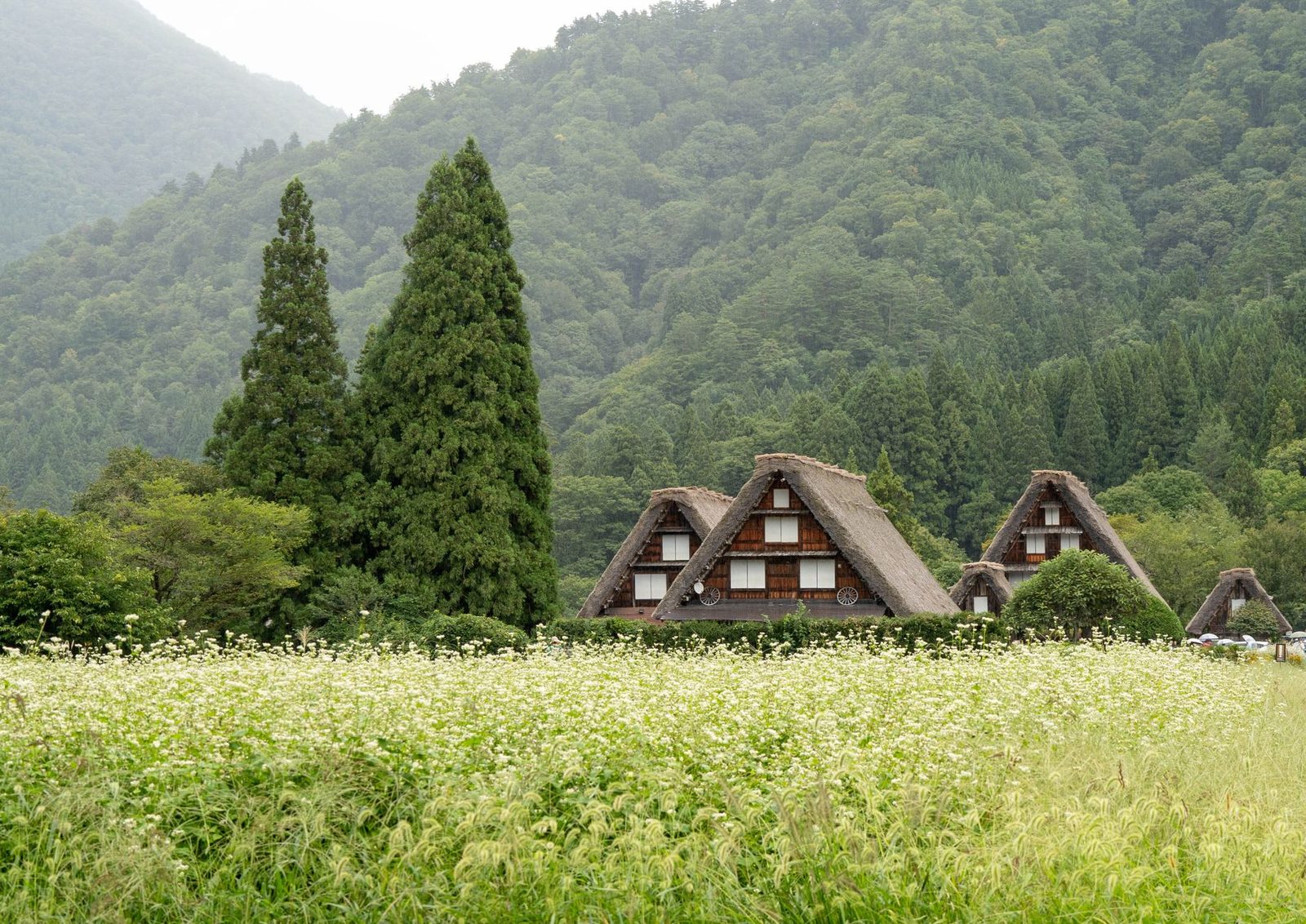
Shirakawa-go, along with its neighboring Gokayama region, is renowned for its distinctive gassho-zukuri farmhouses – steep, thatched-roof structures resembling hands joined in prayer. These architectural marvels, designed to withstand heavy snowfall and provide ample attic space for silkworm cultivation, are a testament to centuries of ingenious adaptation to a harsh mountain environment. Visiting Shirakawa-go feels like entering a storybook, with its pristine rice paddies, meandering Shogawa River, and the serene backdrop of the surrounding peaks. Takayama, often called "Little Kyoto," serves as an ideal base for exploring this region. Its beautifully preserved old town, with Edo-period streets, sake breweries, and traditional merchant houses, offers a rich cultural experience distinct from the rural tranquility of Shirakawa-go. The entire Hida region, encompassing both, is a treasure trove for those interested in traditional Japanese crafts, cuisine, and an unhurried pace of life. For first- or second-time visitors from India or Bangladesh, understanding the unique rhythm of these mountain communities is key to appreciating their charm.
Getting There: Navigating the Japan Alps by Bus
Reaching Shirakawa-go and Takayama primarily involves bus travel, as train lines do not extend directly into Shirakawa-go. The main gateways are Takayama, Kanazawa, and Nagoya, each offering direct bus routes. For most international travelers, arriving at Chubu Centrair International Airport (NGO) near Nagoya or Komatsu Airport (KMQ) near Kanazawa provides the most direct access to the Hida region. Alternatively, if you're coming from Tokyo, a Shinkansen (bullet train) to Nagoya followed by a wide-view Hida limited express train to Takayama is a popular route.
From Takayama: This is the most common and convenient hub. Nohi Bus operates frequent services to Shirakawa-go (Ogimachi village, the main area). The journey takes approximately 50 minutes and costs around ¥2,600 (approx. ₹1,456 / 2,158 BDT) one-way. Booking in advance, especially during peak seasons (autumn leaves, winter light-up, Golden Week), is highly recommended. You can purchase tickets online via the Nohi Bus website or at the Takayama Nohi Bus Center, located right next to Takayama Station.
From Kanazawa: Kanazawa offers another excellent gateway, particularly if you plan to combine your Japan Alps trip with a visit to this coastal city. Hokutetsu Bus and Nohi Bus operate joint services between Kanazawa and Shirakawa-go, taking about 75 minutes and costing approximately ¥2,000 (approx. ₹1,120 / 1,660 BDT) one-way. Similar to Takayama, pre-booking is crucial, especially for specific time slots.
From Nagoya: For those starting from Nagoya, Nohi Bus offers direct services to Takayama, a journey of about 2 hours and 40 minutes, costing around ¥3,100 (approx. ₹1,736 / 2,573 BDT) one-way. From Takayama, you would then take a separate bus to Shirakawa-go. While there are a few direct buses from Nagoya to Shirakawa-go, they are less frequent.
Bus Passes: Consider the "Takayama-Hokuriku Area Tourist Pass" if your itinerary includes Kanazawa and extends to Osaka or Kyoto. This JR Pass variant covers unlimited rides on designated JR trains (including the Shinkansen between Toyama and Kanazawa) and Nohi/Hokutetsu buses between Takayama, Shirakawa-go, and Kanazawa for five consecutive days. It costs ¥15,280 (approx. ₹8,557 / 12,682 BDT) and can offer significant savings if you plan extensive travel within the covered region. For shorter trips focused solely on Takayama and Shirakawa-go, individual bus tickets might be more economical. Think of pre-booking these bus tickets much like you might book a popular train route on IRCTC in India; demand can be surprisingly high, especially for specific peak times.
Mistakes to Avoid:
- Not booking in advance: Especially for Shirakawa-go, buses can sell out, leaving you stranded or forcing long waits.
- Missing the last bus: Bus services to Shirakawa-go typically end in the late afternoon. Always check the return schedule carefully.
- Overpacking: You'll likely be moving between towns. Consider using luggage forwarding services (like Yamato Transport or Sagawa Express) from larger cities to your Takayama accommodation if you have bulky suitcases, allowing you to travel light with a daypack.
Shirakawa-go: Stepping into a Bygone Era
The main village in Shirakawa-go accessible to tourists is Ogimachi, a living museum of traditional Japanese rural life. Upon arrival, you'll disembark at the Shirakawa-go Bus Terminal. From there, the village is easily explored on foot. The most iconic view of the gassho-zukuri houses clustered together can be found from the Shiroyama Viewpoint (Ogimachi Castle Ruin Observation Deck). It's a moderate uphill walk, roughly 20-30 minutes from the village center, or you can take a small shuttle bus from near the main bus terminal for a nominal fee (around ¥200, approx. ₹112 / 166 BDT). The panoramic vista, especially during autumn foliage or winter snow, is truly breathtaking and provides that quintessential postcard shot.
Within the village, several gassho-zukuri houses are open to the public as museums, offering insights into the daily lives of the families who lived there. The Wada House, a designated Important Cultural Property, is one of the largest and oldest, providing a fascinating look into the architecture and history for an admission fee of about ¥400 (approx. ₹224 / 332 BDT). Similarly, the Nagase House, another historically significant residence, offers a similar experience. Exploring the attics, seeing the traditional tools, and understanding the communal aspects of village life are highlights.
Beyond the specific houses, simply wandering the lanes of Ogimachi village is an experience in itself. You'll find small craft shops selling local souvenirs, quaint cafes, and local eateries. The Myozenji Temple is unique for its gassho-zukuri main hall and bell tower gate, offering a spiritual dimension to the village's architectural wonders. Allow at least 3-4 hours to comfortably explore Shirakawa-go, including the viewpoint. If you're planning a day trip, departing Takayama early in the morning allows you to maximize your time before the afternoon crowds arrive. Consider buying some local snacks or sweets from small vendors – they are often made with local ingredients and offer a taste of the region.
Gassho Farmhouse Stays: An Unforgettable Immersion
Staying overnight in a gassho-zukuri farmhouse in Shirakawa-go is arguably the most authentic and immersive experience one can have in the Japan Alps. These aren't luxury hotels; rather, they are family-run guesthouses (minshuku) offering a glimpse into traditional Japanese hospitality and rural life. The experience typically includes a futon on tatami mats, shared bathroom facilities, and often, a communal dinner and breakfast, making it a truly unique cultural exchange.
The Challenge of Booking: This is where careful planning is paramount. There are only a limited number of farmhouses offering accommodation (around 20-30 in Ogimachi), and demand, especially during peak seasons and the winter light-up, far outstrips supply. Many farmhouses do not have sophisticated online booking systems. The traditional method involves calling them directly, often requiring Japanese language skills or the assistance of a Japanese-speaking friend or travel agent. Some guesthouses are listed on the Shirakawa-go Tourist Association website, which might have a reservation form or email contact, but direct phone calls are often preferred. Start looking for availability at least 6-12 months in advance for popular dates.
Cost and What to Expect: A stay typically costs between ¥9,000 – ¥15,000 (approx. ₹5,040 – ₹8,400 / 7,470 – 12,450 BDT) per person, per night, and almost always includes a traditional dinner and breakfast. This full-board arrangement is part of the experience. The meals often feature local mountain vegetables, river fish, and Hida beef (if not vegetarian).
Addressing Food Anxiety (Vegetarian/Halal): This is a critical point for Indian and Bangladeshi travelers. While rural Japan is less accustomed to specific dietary requests than major cities, it is possible. When booking, clearly communicate your dietary needs in Japanese if possible (e.g., "Watashi wa bejitarian desu" - I am vegetarian; "Niku o tabemasen" - I don't eat meat; "Gyūnyū seihin mo dame desu ka?" - Are dairy products also not okay? for vegans). Most guesthouses are small family operations and can often accommodate simple vegetarian requests if informed well in advance. However, "vegetarian" in Japan sometimes includes fish broth (dashi), so specify if you require shojin ryori-style (Buddhist vegetarian, completely plant-based) meals. For halal, it's generally more challenging to guarantee, given the prevalence of dashi and other non-halal ingredients. Your best bet is to request a meal without meat and fish, and supplement with your own snacks if concerned. Bringing some instant vegetarian noodles or snacks from India/Bangladesh can provide peace of mind.
Etiquette: Remember you are a guest in someone's home. Be respectful of their customs, remove your shoes at the entrance, and be mindful of noise. It's an opportunity for a unique cultural exchange, so embrace the simplicity and warmth of rural Japanese hospitality.
Takayama: A Historic Mountain Town
Takayama, with its rich history and vibrant culture, is the perfect counterpoint to the serene beauty of Shirakawa-go. The town flourished as a merchant hub during the Edo period, and its beautifully preserved Sanmachi Suji district (Old Town) offers a delightful step back in time. Walking through these narrow streets, lined with dark-wood machiya houses, sake breweries, and craft shops, is a highlight.
Morning Markets (Asaichi): Takayama is famous for its morning markets, which have been a tradition for centuries. There are two main markets: the Jinya-mae Market in front of the Takayama Jinya (the former government office) and the Miyagawa Market along the Miyagawa River. Both operate daily from approximately 6:00 AM (7:00 AM in winter) to noon. Here, you'll find local farmers selling fresh produce, pickles, flowers, and handmade crafts. It's a wonderful place to soak in local life and perhaps pick up some unique souvenirs. For those with dietary concerns, this is an excellent spot to find fresh fruits and vegetables.
Takayama Jinya: This remarkably preserved building served as the local government office during the Edo period. It's a fascinating complex with offices, living quarters, and even an interrogation room. Admission is around ¥440 (approx. ₹246 / 365 BDT).
Sake Breweries: The Hida region is known for its excellent sake, thanks to its pure mountain water. Many breweries in the Old Town offer tastings (for a small fee) and sell their products. Look for the sugidama (cedar ball) hanging outside, indicating a sake brewery. While not all Indian and Bangladeshi travelers partake, the history and craft behind sake production are intriguing.
Hida Beef: Takayama is renowned for Hida beef, a premium wagyu known for its exquisite marbling and tenderness. You'll find numerous restaurants offering Hida beef in various forms, from steaks to sushi and skewers. While a treat for meat-eaters, those seeking vegetarian or halal options will need to be diligent. Many restaurants will have menus displayed outside, allowing you to check for non-meat items. Look for dishes based on local mountain vegetables (sansai), Hida soba noodles (ensure broth is vegetarian), or gohei mochi (grilled rice cakes with sweet soy glaze). Supermarkets also offer a wider range of packaged vegetarian snacks and ingredients.
Festivals: Takayama is home to two of Japan's most spectacular festivals: the Takayama Spring Festival (Sanno Matsuri) in April and the Takayama Autumn Festival (Hachiman Matsuri) in October. These festivals feature elaborate floats (yatai) paraded through the streets, often accompanied by traditional music and puppet performances. If your trip coincides, prepare for significantly larger crowds and higher accommodation prices.
The Winter Light-Up Lottery: A Dreamy Spectacle
Shirakawa-go's winter light-up event, held on a few select evenings in January and February, transforms the gassho-zukuri village into an ethereal, snow-covered wonderland. The sight of these illuminated farmhouses against a dark, snowy night sky is truly magical and has become one of Japan's most sought-after winter experiences.
The Lottery System: Due to overwhelming popularity and the need to manage visitor numbers, attendance at the light-up event is strictly controlled via a lottery system. This is not a simple walk-in event. In recent years, access has been granted primarily to:
- Guests staying overnight at one of the participating gassho-zukuri farmhouses in Ogimachi village on a light-up night. (This is the most direct, but hardest, way to gain access.)
- Participants in designated tour packages offered by specific travel agencies (often Japanese agencies, but some international ones may partner).
- Individuals who win a spot in a bus tour lottery, which allows entry for a few hours on a specific light-up evening.
How to Participate (and the odds):
- Farmhouse Stay: This is the most coveted option. As mentioned before, booking these requires immense foresight (6-12 months in advance) and persistence. Being a guest gives you access to the village during the light-up.
- Tour Packages: Keep an eye on the official Shirakawa-go website (often updated in late summer/early autumn for the following winter's light-up) for details on partner tour agencies. These packages typically include transportation from a major city (like Nagoya, Kanazawa, or Takayama), a meal, and access to the light-up.
- Bus Tour Lottery: This is a separate lottery for day-trippers. Details are usually released on the Shirakawa-go official website around October-November. Entering the lottery requires patience and often a Japanese address or proxy. The chances of winning are slim, akin to winning a popular lottery back home for a major sporting event.
Tips for Aspiring Visitors:
- Plan extremely far in advance: If you aim for a farmhouse stay, start your research and booking attempts a year ahead.
- Stay Flexible: If a light-up night stay is impossible, consider visiting Shirakawa-go during the day in winter. The village is still incredibly beautiful under a blanket of snow, and you avoid the lottery stress.
- Consider Kanazawa or Takayama as bases: Many tour companies offer day trips to Shirakawa-go (not necessarily for the light-up) from these cities.
- Check Official Websites: The Shirakawa-go official website is the definitive source for light-up dates, lottery details, and booking information. Do not rely on outdated blog posts.
Even if you don't win the light-up lottery, experiencing Shirakawa-go blanketed in snow during the day is a magical experience that many travelers cherish. The stark beauty and traditional atmosphere remain captivating regardless of artificial illumination.
Pairing Your Trip with Kanazawa: A Cultural Extension
To enrich your Japan Alps journey, consider pairing Shirakawa-go and Takayama with a visit to Kanazawa. Located on the Sea of Japan coast, Kanazawa is a city of refined culture, often overlooked but offering a captivating blend of history, art, and natural beauty. It’s easily accessible from Shirakawa-go by direct bus, making it a logical next stop or starting point.
Why Kanazawa?
- Kenrokuen Garden: One of Japan's "Three Great Gardens," Kenrokuen is a sprawling, meticulously maintained landscape garden that is stunning in every season. Its diverse features include ponds, streams, teahouses, and magnificent trees, making it a serene escape. Entry costs around ¥320 (approx. ₹179 / 266 BDT).
- 21st Century Museum of Contemporary Art: A striking, circular museum known for its innovative architecture and interactive exhibits, including Leandro Erlich's famous "Swimming Pool." It offers a modern contrast to the historical sites. General admission for permanent exhibitions is around ¥450 (approx. ₹252 / 374 BDT), with special exhibitions costing more.
- Nagamachi Samurai District: Wander through the narrow, cobbled lanes of this beautifully preserved samurai district, where you can visit the Nomura House, a restored samurai residence offering a glimpse into the lifestyle of the samurai class.
- Higashi Chaya District: One of Kanazawa's three historic geisha districts, Higashi Chaya is characterized by its traditional wooden teahouses. Some are open to the public, offering tea ceremonies or acting as shops. It's a picturesque area perfect for photography and soaking in traditional Japanese aesthetics.
- Omicho Market: Known as "Kanazawa's Kitchen," this bustling market has been operating for over 300 years. It's famous for its fresh seafood from the Sea of Japan, but also offers local produce, pickles, and street food. While largely seafood-focused, you can find stalls selling fruits, vegetables, and other non-meat items.
Logistical Connections: As mentioned earlier, direct buses connect Shirakawa-go to Kanazawa, taking about 75 minutes. If you have the "Takayama-Hokuriku Area Tourist Pass," this bus journey is covered. From Kanazawa, you can connect to major cities like Tokyo (via Hokuriku Shinkansen) or Osaka/Kyoto (via limited express trains). This allows for a smooth flow from the rural Alps to a cultural city, and then onwards to other metropolitan centers, making your travel efficient and diverse.
Food in the Hida Region: Addressing Dietary Needs
For travelers from India and Bangladesh, food is often a primary concern, especially in rural Japan where English menus and dietary accommodations might be less common. However, with a little preparation and clear communication, you can still enjoy the local flavors.
Vegetarian Options:
- Gohei Mochi: A staple snack in the Hida region, these grilled rice cakes are typically slathered with a sweet and savory soy-based sauce, sometimes with walnuts or sesame. They are usually vegetarian.
- Sansai Ryori (Mountain Vegetable Cuisine): Many traditional restaurants, especially in Takayama, will offer dishes featuring sansai – edible wild plants foraged from the mountains. These can be prepared in various ways, often simmered or fried. Always confirm if the broth (dashi) is fish-based or purely kelp-based (kombu dashi) if you avoid fish.
- Soba/Udon Noodles: While many noodle dishes come with meat or fish cakes, it's often possible to request kake soba/udon (plain noodles in broth) and then specify "dashi nashi" (no dashi) or "kombu dashi dake" (only kombu dashi). Be aware that even plain broths might have a fish base unless explicitly stated otherwise. Look for restaurants specializing in shojin ryori (Buddhist vegetarian cuisine), though these are rare outside of temple towns.
- Tofu and Tofu Products: Japan has an incredible variety of tofu. Look for agedashi tofu (deep-fried tofu), yudofu (boiled tofu), or various forms of grilled tofu. Always confirm ingredients.
- Supermarkets and Convenience Stores: These are your best friends for reliable vegetarian options. Look for fresh fruits, salads (check dressing ingredients), onigiri (rice balls, many are plain or umeboshi/pickled plum filled), bread, and instant noodles (read labels carefully for "vegetarian" or "plant-based" markers). Seven-Eleven, FamilyMart, and Lawson are ubiquitous.
Halal Options: Finding certified halal food in Shirakawa-go or Takayama is extremely difficult, if not impossible, given their remote locations and lack of Muslim populations. Your best approach is to seek out vegetarian options that avoid alcohol and pork derivatives, and to carry your own halal-certified snacks or instant meals.
- Self-Catering: Consider purchasing ingredients from supermarkets to prepare simple meals if your accommodation allows.
- Communication: Learn key phrases: "Halal desu ka?" (Is this halal?), "Pork nuki de onegaishimasu" (No pork, please), "Alcohol nuki de onegaishimasu" (No alcohol, please). Be patient and understand that many locals might not be familiar with the concept of halal.
General Tips for Dietary Needs:
- Translation Apps: Have a reliable translation app on your phone to communicate specific dietary restrictions. Google Translate with its camera function can be very useful for deciphering menus or ingredient lists.
- Dietary Cards: Print out small cards in Japanese explaining your dietary needs (e.g., "I am vegetarian. I do not eat meat, fish, chicken, seafood, or dashi made from fish. Thank you."). Show these to restaurant staff.
- Be Prepared: Always carry some emergency snacks from home, especially if you have very strict dietary requirements.
Sample Itinerary: 3-Day Hida Alps & Kanazawa Immersion
This itinerary assumes arrival from Nagoya or Tokyo via Takayama.
Day 1: Arrival in Takayama & Old Town Exploration
- Morning (Arrival): Take the Shinkansen to Nagoya, then the scenic Limited Express Wide View Hida to Takayama. The train journey itself is a treat, winding through mountains. (Approx. 4-5 hours from Tokyo total). Store luggage at your hotel or the station lockers.
- Lunch: Explore the Miyagawa Morning Market (if arriving before noon) for fresh produce and snacks. Alternatively, find a local eatery in Takayama Old Town. Look for gohei mochi or sansai dishes.
- Afternoon: Immerse yourself in the Sanmachi Suji (Old Town). Wander the narrow streets, visit a sake brewery (for tasting or just to see the process), and browse craft shops. Explore the Takayama Jinya for a historical deep dive.
- Evening: Enjoy dinner in Takayama. For vegetarians, seek out soba restaurants or places offering vegetable tempura. Many traditional eateries will have options if you communicate clearly.
- Accommodation: Stay overnight in Takayama. Traditional ryokan or modern hotels are available.
Day 2: Shirakawa-go Fairy Tale & Gassho Stay
- Morning (Shirakawa-go Day Trip): After an early breakfast, head to the Nohi Bus Center (next to Takayama Station) and take the pre-booked bus to Shirakawa-go (Ogimachi).
- Late Morning/Lunch: Arrive in Shirakawa-go. Walk to the Shiroyama Viewpoint for panoramic photos. Explore the village, visit the Wada House or Nagase House for architectural insights. Lunch at a small cafe (confirm vegetarian options).
- Afternoon (Gassho Stay Check-in): Head to your pre-booked gassho-zukuri minshuku. Check in and settle into your traditional room.
- Evening: Experience a traditional multi-course dinner at your minshuku. This is where pre-communicating dietary needs is crucial. Enjoy the peaceful evening in the village. If it's a light-up night and you have access, enjoy the illuminated village.
- Accommodation: Overnight in a gassho-zukuri farmhouse in Shirakawa-go.
Day 3: Kanazawa Cultural Delights & Departure
- Morning: Enjoy a traditional Japanese breakfast at your minshuku. Spend a little more time exploring Shirakawa-go in the morning light or visit any spots you missed.
- Late Morning: Take the pre-booked bus from Shirakawa-go to Kanazawa.
- Lunch: Arrive in Kanazawa. Store luggage at Kanazawa Station. Head to Omicho Market for a vibrant atmosphere and perhaps some fresh fruit or local vegetarian snacks.
- Afternoon: Explore Kanazawa's highlights. Begin with a stroll through Kenrokuen Garden, then visit the adjacent 21st Century Museum of Contemporary Art. Afterwards, wander through the charming Higashi Chaya District.
- Evening (Departure): Depending on your next destination, take the Hokuriku Shinkansen to Tokyo or a limited express train to Osaka/Kyoto.
- Accommodation: Depart Kanazawa or stay overnight to further explore.
This itinerary offers a balanced blend of natural beauty, historical immersion, and cultural exploration, making the most of your time in the Japan Alps.
Key Takeaways
- Book Buses and Gassho Stays Early: Bus tickets to Shirakawa-go and especially gassho farmhouse stays sell out far in advance. Use Nohi Bus and Hokutetsu Bus official sites.
- Winter Light-Up is Lottery-Based: Do not expect to simply show up for the Shirakawa-go light-up. Access is highly restricted via lottery or pre-arranged tours/stays.
- Embrace Bus Travel: Buses are the primary mode of transport in the Hida region. Consider a regional bus pass if covering multiple areas like Kanazawa.
- Communicate Dietary Needs Proactively: For vegetarian or halal food, specify your requirements in Japanese (via phrase cards or apps) when booking accommodation or ordering at restaurants. Supermarkets are a reliable source.
- Pair with Kanazawa: Kanazawa offers a fantastic cultural extension to your Japan Alps trip, easily connected by bus.
- Pack Light or Use Luggage Forwarding: Moving between mountain towns is easier with smaller bags.
- Dress for the Weather: The Japan Alps experience significant temperature variations. Winter is cold with heavy snow, while summers are pleasant but can have sudden rain (like the monsoon season, known as tsuyu in Japan).
FAQ
Q. Is Shirakawa-go too crowded, especially during peak season? A. Shirakawa-go can get crowded, especially on weekends, during autumn foliage, and the winter light-up events. To avoid the worst crowds, visit early in the morning, or during the weekdays in the shoulder seasons (late spring, early autumn outside of holidays). Staying overnight allows you to experience the village after day-trippers have left, offering a more tranquil atmosphere.
Q. How do I get around Shirakawa-go village itself? A. The main village of Ogimachi in Shirakawa-go is compact and best explored on foot. There's a small shuttle bus that runs from the bus terminal area up to the Shiroyama Viewpoint (Ogimachi Castle Ruin Observation Deck) for a nominal fee, but otherwise, walking is the primary and most enjoyable way to see the gassho-zukuri houses.
Q. Can I visit Shirakawa-go as a day trip from Takayama or Kanazawa? A. Yes, Shirakawa-go is a very popular day trip destination from both Takayama and Kanazawa. Buses run frequently from both cities. Allow at least 3-4 hours to explore the village comfortably. Remember to pre-book your bus tickets for both legs of the journey.
Q. What is the best time of year to visit Shirakawa-go and Takayama? A. Each season offers a unique charm. Winter (December-February) is magical with snow, especially during the light-up, but requires careful planning and heavy clothing. Spring (April-May) sees cherry blossoms and the Takayama Spring Festival. Summer (June-August) is green and lush, perfect for hiking, but can be humid. Autumn (October-November)
More from this region — Chubu (Nagano, Kanazawa)
View all →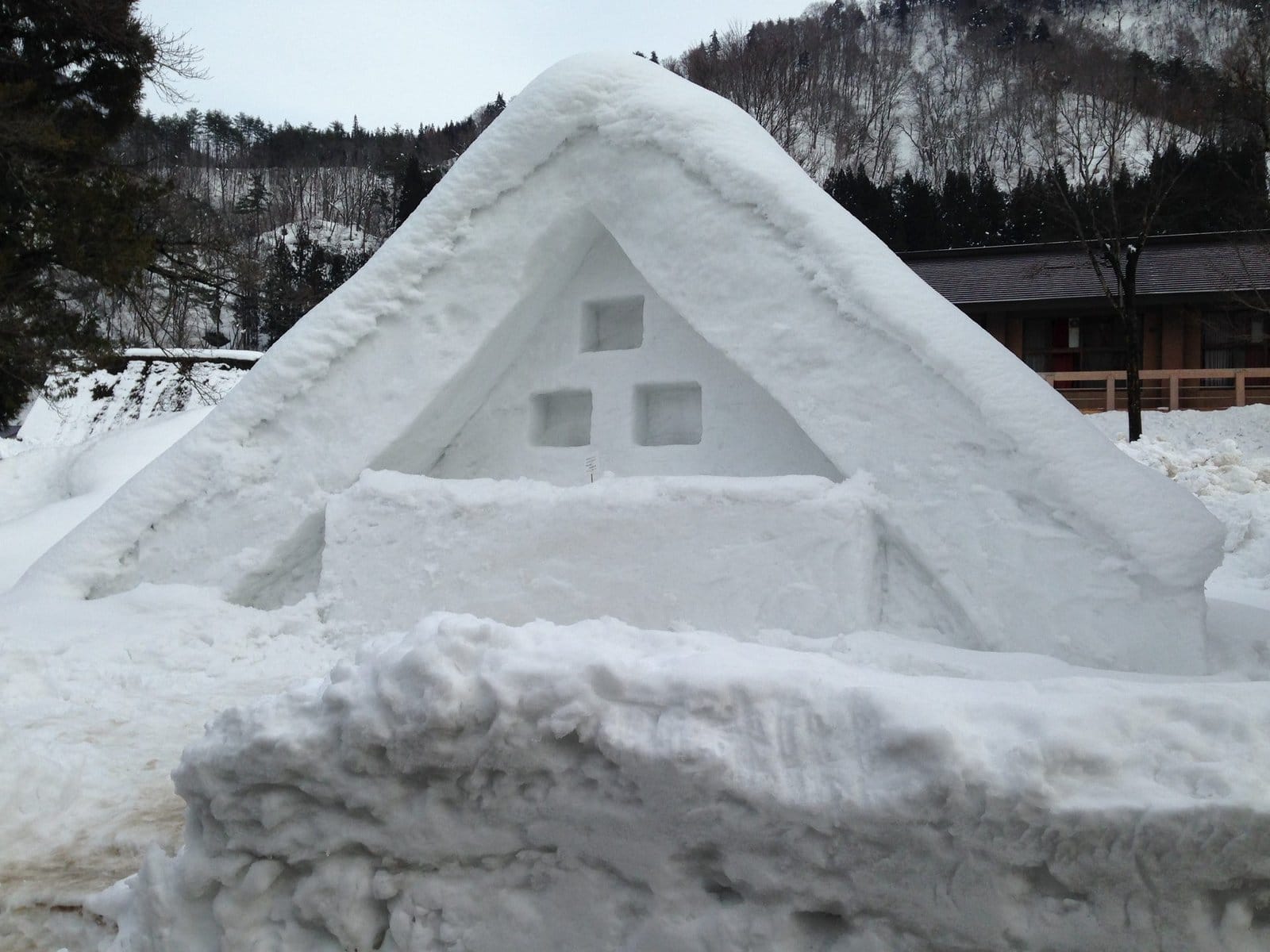
Shirakawa-go in Winter – A Snow-Covered Village at the Foot of the Japanese Alps
5 min · tips
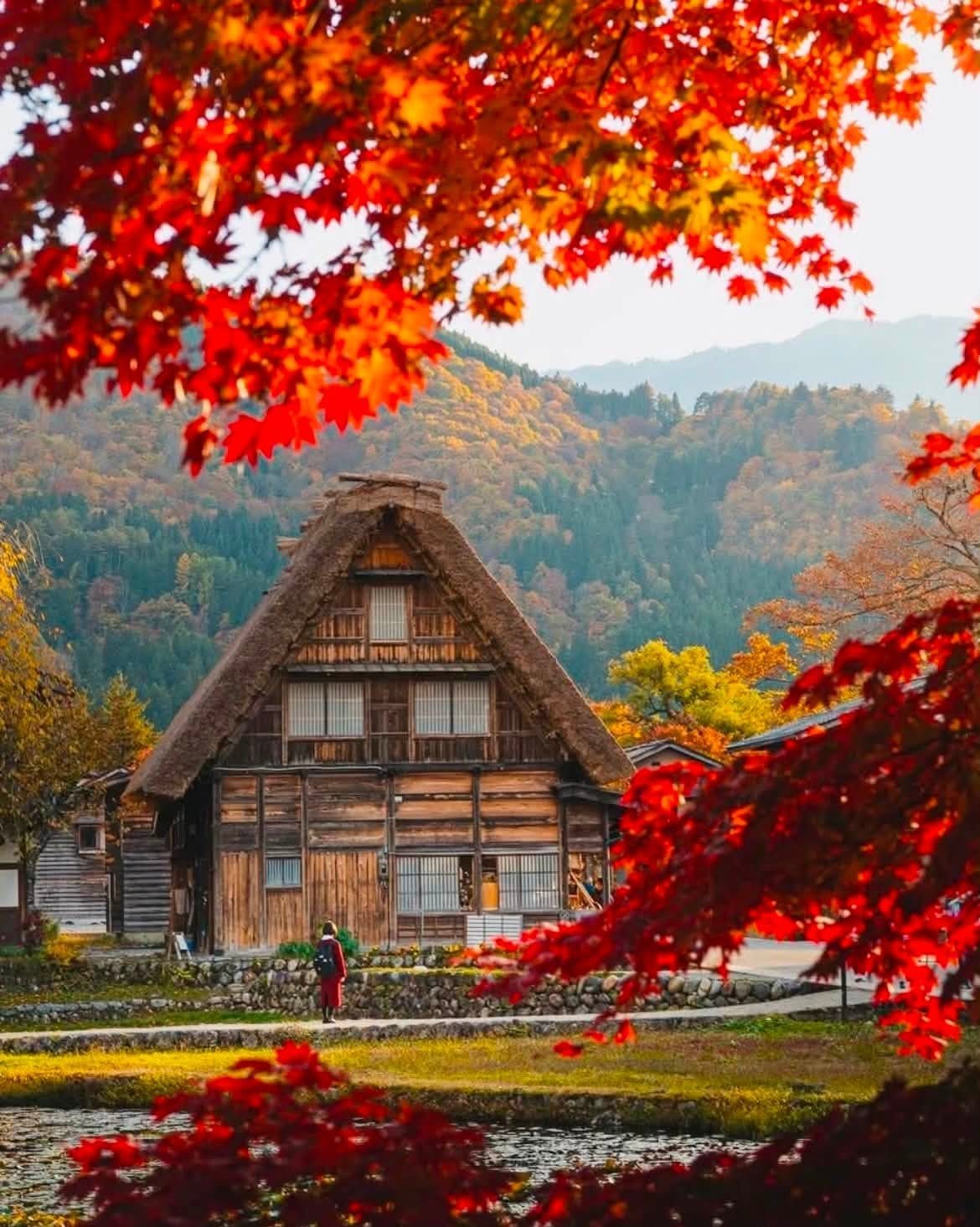
Shirakawa-go and Takayama Private Trip by 10-Seat HiAce
8 min · tips
Hakuba Valley: A Comprehensive Comparison Guide to Nagano Ski Resorts
1 min · experiences
Nozawa Onsen: Skiing and Free Village Baths in Nagano
6 min · experiences