
Shirakawa-go in the Fall Foliage Season: The Best Times to Avoid Tour Groups and the Real Costs
Tips on choosing weekdays, arriving before 9 a.m. or after 15:00, detouring to Gokayama for fewer crowds, plus a practical budget for buses, historic-house admission, and meals for the whole trip.
Aug 12, 2026·✍️ olablog·⏱ 18 min read
Tips on choosing weekdays, arriving before 9 a.m. or after 15:00, detouring to Gokayama for fewer crowds, plus a practical budget for buses, historic-house admission, and meals for the whole trip.
Tap a region to browse articles
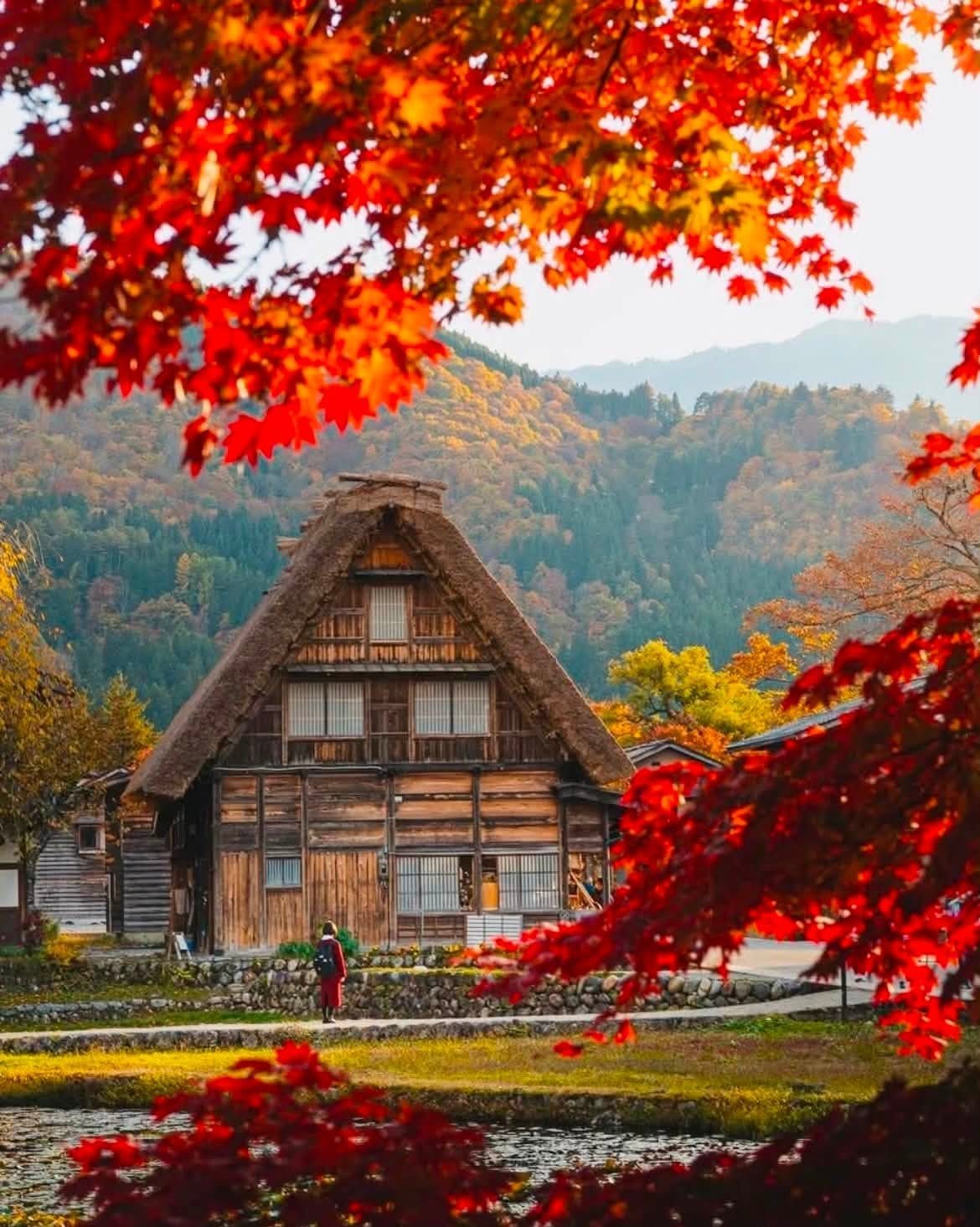
There is a moment that almost everyone visiting Shirakawa-go in autumn experiences: you are standing on the Deai suspension bridge spanning the Shogawa River, looking at steeply pitched thatched-roof houses nestled in a valley turning gold and red—and behind you are two hundred other people lining up to take that exact same photo. The bridge sways with the rhythm of everyone’s footsteps, someone reminds people in three languages not to stop in the middle, and the feeling of a “peaceful old village” that looked so lovely in the photos suddenly evaporates.
But I have also had a very different morning in that same village. At around 7:30 a.m. on a Wednesday in early November, mist still clung to the harvested rice fields, cooking smoke rose from a gassho roof, and the main street held only me and an elderly woman sweeping leaves in front of her house. The same Shirakawa-go, just three hours apart, felt like two completely different places.
This article is not especially focused on scenery—you only need to look at autumn photos of the area to understand why visitors from all over Japan and around the world come here. Instead, I have gathered the practical details: how to read the crowd patterns by time of day, why Gokayama is almost always the trump card, which corners of the village tour buses never visit, and a budget estimate ranging from shoestring to comfortable for the entire trip.
Why Shirakawa-go Gets Crowded in Its Own Particular Way
Once you understand where the crowds come from, you can avoid them. Shirakawa-go is not crowded in the same way as Kyoto, where visitors are spread throughout the day across dozens of attractions. Here, almost all the visitors are concentrated in a single village (Ogimachi), along one main road about one kilometer long, and within a very narrow time window.
The reason is that most visitors reach Shirakawa-go by bus—regular services from Takayama, Kanazawa, Toyama, and Nagoya, along with tour coaches in particular. These buses follow such similar schedules that the pattern is predictable: they leave the city after breakfast, arrive at the village around 10 a.m., give passengers time to take photos and have lunch, then gradually depart around 2:30–3 p.m. In other words, the heaviest crowd funnel falls between 10 a.m. and 3 p.m., while at either end of the day the village returns to its true character.
There is another factor: the village is small. Ogimachi has just over a hundred houses, of which only a few dozen are surviving gassho-zukuri thatched-roof homes. There is no “Area B” or “Area C” for the crowds to spread into. Everyone follows the same loop, stops at Deai Bridge, and climbs to the Shiroyama viewpoint. That is why in Shirakawa-go, timing matters more than all other tips combined.
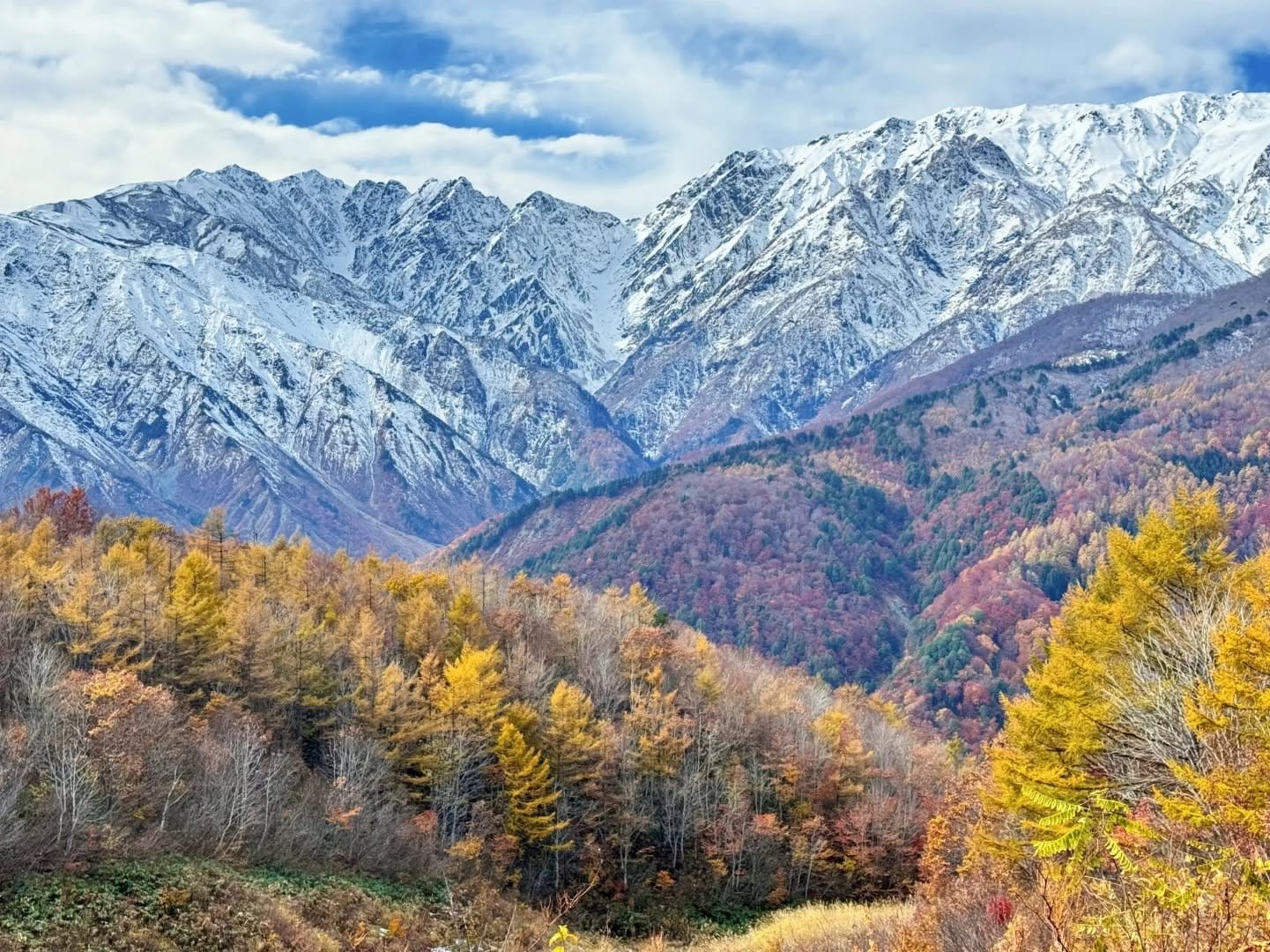
As for the foliage season, the village sits in a valley about 500m above sea level among the mountains of Gifu Prefecture, so the fall colors usually appear from late October to mid-November, with early November generally being the best time. The exact timing shifts from year to year depending on the weather, so check the kouyou forecast for the Hokuriku–Tokai region as your trip approaches. The mountain slopes around the village change color first, followed by the rice fields and trees within the village about a week later.
Three Crowd-Avoidance Principles, Ranked by Effectiveness
1. Weekdays Beat Weekends—and Avoid Holiday Periods
If your schedule allows, go Tuesday through Thursday. Mondays and Fridays are still moderately busy because of travelers extending their weekend trips, while on Saturdays and Sundays during peak foliage season, the parking lot can be full from the morning and the main village street may become so crowded that you can only shuffle forward one step at a time.
The most important periods to avoid are long weekends involving public holidays in October–November, as well as the village’s doburoku festival, usually held around mid-October. Check the festival dates on the village’s official website before finalizing your plans. The festival is well worth attending if you enjoy local culture, but if your priority is viewing the foliage in peace and quiet, stay away on that day.
2. Arrive Before 9 a.m. or After 3 p.m.
This is the most valuable tip in the entire article, and it is so simple that many people overlook it.
Morning shift (before 9 a.m.): you get early mist over the thatched roofs, slanting sunlight on the mountain slopes, and empty roads. Morning is also when cooking smoke and moisture rise from the fields—the kind of light visitors arriving at 11 a.m. never get to see. The downside is that some historic houses open later, usually around 8–9 a.m. depending on the house, so check the official website, and shops and restaurants may not yet be ready for business. But the best part of Shirakawa-go—the village itself and its scenery—is free and open 24/7.
Late-afternoon shift (after 3 p.m.): tour coaches gradually leave, and around 4–5 p.m. in autumn, the slanting sunlight turns the thatched roofs a honey color. This is my favorite time to go up to the viewpoint. Keep in mind that it gets dark very quickly in November—by around 5 p.m. it is already getting dusky—so plan your return bus accordingly.
The harsh reality is that if you take a day-trip bus from Takayama or Kanazawa, the earliest service usually reaches the village a little after 9 a.m., while the last return bus leaves before the scenery is at its best. To truly enjoy both ends of the day, there is only one reliable option: stay overnight—in the village or nearby in Gokayama, Takayama, or Hirase Onsen.
3. Step Just a Few Dozen Meters Away from the Main Route
The crowds here follow one very specific route: parking lot → Deai Bridge → main street → viewpoint → return. Step off that route and the space opens up immediately:
- The paths between the rice fields behind the main row of houses: you get the same views of thatched roofs and mountains, but these paths are usually deserted because they are not part of the “must-see” route.
- The northern end of the village, farthest from the parking lot: the farther you walk from Deai Bridge, the thinner the crowds become. Some of the most beautiful gassho houses are located in this area.
- The walking trail to Shiroyama Viewpoint instead of the shuttle bus: the uphill walk takes around 15–20 minutes. Most people choose the bus for convenience, so the walking path is usually peaceful and has several forested spots overlooking the village that are well worth stopping at.
- Shirakawa Hachiman Shrine and the cedar forest around it: these are right inside the village, but many visitors simply pass by. Ancient trees, a leaf-covered shrine grounds, and almost complete silence await you.
Gokayama: The Trump Card for Anyone Who Hates Crowds
If I could give you only one piece of advice for this trip, it would be: don’t stop at Shirakawa-go. About half an hour north by car, across the border in Toyama Prefecture, lies Gokayama. It was recognized as a UNESCO World Heritage Site in 1995 as part of the same nomination, has the same gassho-zukuri houses, and receives only a fraction of the visitors.
Ainokura—the “Shirakawa-go of Twenty Years Ago”
Ainokura is the larger of Gokayama’s two villages, with roughly twenty thatched-roof houses on a hillside overlooking the valley. A small viewpoint is a few minutes’ walk from the village and looks out over thatched roofs scattered among the autumn forest. What I like about Ainokura is not that it is “more beautiful,” but that it is still a living village: children walking home from school, older residents drying persimmons, and no tightly packed row of souvenir shops. There is a small museum here and a few places offering experiences in traditional washi papermaking, a craft that has long been associated with the region.
Suganuma—Small, Compact, and Usually the Quietest
Suganuma has fewer than ten gassho houses clustered beside a bend in the river, and it takes only around 30–40 minutes to walk around the whole village. Because it is so small, many tours skip it, and on a weekday you may have almost the entire village to yourself. There is an elevator through the mountain from the parking lot down to the village, as well as a walking path, which makes for an interesting approach.
How to Visit Gokayama
Buses connecting Shirakawa-go with Gokayama and continuing on to Takaoka / Shin-Takaoka (Toyama) run several times a day—not frequently—so you must check the timetable in advance and plan backward. Many travelers create a scenic route like this: Kanazawa or Takayama → Shirakawa-go (early morning) → Gokayama (afternoon) → Takaoka → back to Kanazawa/Toyama. Driving yourself offers much more flexibility, and the road between the two destinations is itself a beautiful autumn route along the Shogawa River.
Another highly recommended option is to stay overnight in a gassho house in Ainokura or Suganuma instead of in Shirakawa-go. Prices are often gentler, the hosts tend to be more personable, and in the evening you can have the entire village and the starry sky around you.
In the Village: Which Historic Houses Are Worth Visiting
There is no need to enter them all. Each house open to visitors charges a separate admission fee, usually a few hundred yen per person, and the exhibits are fairly similar: a ground floor living area with an irori hearth, attic floors once used for silkworm farming, and wooden frames tied together with rope rather than nails—the most impressive feature.
- Wada House: the largest house in the village, belonging to a family whose head once served as village chief. If you visit only one house, this is the one many people choose.
- Kanda House: bright and well laid out, with a beautiful view of the village from the attic.
- Nagase House: home to many medical artifacts and old household items.
- Myozenji Temple and the temple’s thatched-roof storehouse: a chance to combine a temple visit with a gassho house, with grounds that are especially beautiful in the autumn colors.
- Gassho-zukuri Minkaen Open-Air Museum (across the bridge): a collection of historic houses relocated here. It is spacious and usually quieter than the main village area because you have to cross the bridge—a major advantage on busy days.
Admission fees and opening hours for each house vary by season, so check the village’s official website before you go.
Getting Around and Why You Should Book Ahead
Shirakawa-go has no train station. The only ways to get there are by bus or private vehicle.
- From Takayama: the most popular route, taking around 50 minutes–1 hour.
- From Kanazawa: approximately 1 hour 15 minutes–1 hour 30 minutes.
- From Toyama / Shin-Takaoka: convenient if you want to combine Gokayama with the same day.
- From Nagoya: direct services are available, but the journey is longer and usually requires advance booking.
One extremely important point during the fall foliage season: many bus routes to Shirakawa-go sell reserved seats and can fill up in advance, especially morning departures on weekends. Do not simply show up at the bus terminal and buy a ticket. Book online as soon as your date is set, and if you are making a day trip, book the return as well—I have seen travelers wait an additional two hours because their preferred service was sold out.
If you drive yourself, the main parking lot is across the river, and the fee is usually around 1,000 yen per vehicle for the entire day. On peak weekends, the lot may be full before 10 a.m., resulting in lines of cars waiting for spaces on the approach road. That is yet another reason to arrive before 9 a.m.
A Practical Cost Breakdown
The figures below are estimates per person, based on typical peak-season prices and rounded to the nearest “around” amount. Bus fares, historic-house admission fees, and accommodation prices change from year to year, so check the official websites of the bus operator and the village before your trip.
Day Trip from Takayama or Kanazawa
| Expense | Estimated cost per person |
|---|---|
| Round-trip bus ticket (Takayama or Kanazawa ↔ Shirakawa-go) | around 4,000–5,000 yen |
| Admission to 1–2 gassho houses | around 600–1,000 yen |
| Shuttle bus to the viewpoint (round trip, optional) | around 400–600 yen |
| Lunch (soba, local set meal) | around 1,000–1,800 yen |
| Snacks: gohei mochi, Hida beef skewer, coffee | around 500–1,200 yen |
| Total | around 6,500–9,500 yen |
To keep costs as low as possible, buy a discounted round-trip ticket if the bus operator offers one, skip the shuttle bus and walk up to the viewpoint, visit just one historic house, and bring an onigiri purchased at a convenience store in the city. You can then cover the entire day for around 5,500–6,500 yen without missing anything truly important—the village itself and all the best scenery are free.
Combining Shirakawa-go and Gokayama in One Day
| Expense | Estimated cost per person |
|---|---|
| Bus from Kanazawa/Takayama → Shirakawa-go | around 2,000–2,600 yen |
| Bus from Shirakawa-go → Gokayama → Takaoka | around 2,000–2,500 yen |
| Admission to both destinations | around 800–1,500 yen |
| Food and drinks for the day | around 2,000–3,000 yen |
| Total | around 7,000–10,000 yen |
This route costs slightly more than visiting a single destination, but in return you get half a day in a place that is almost free of tour groups. For me, that is the best value of the entire trip.
Staying One Night: Three Budget Levels
| Style | Accommodation (1 night/person) | Estimated total for 2D1N |
|---|---|---|
| Budget: guesthouse/business hotel in Takayama or Takaoka, visiting the village during the day | around 4,000–7,000 yen | around 13,000–19,000 yen |
| Mid-range: minshuku in Hirase Onsen or a nearby lodging | around 8,000–13,000 yen | around 18,000–27,000 yen |
| Comfortable: staying in a gassho house in Ogimachi or Ainokura, including two meals | around 12,000–22,000 yen | around 22,000–35,000 yen |
The total column includes transportation, admission fees, and food for two days. With the gassho-house option, dinner and breakfast are usually included in the room rate, significantly reducing the cost of eating out.
One crucial note: there are very few rooms in gassho houses, and they sell out early—during the fall foliage and snow seasons, some places fill up months in advance and open reservations in batches. If you want to stay in the village, book well before the season begins; do not wait until you have finalized your flights.
A Suggested One-Day Rhythm
This is the schedule I often use when I have no choice but to visit on a busy day:
- The night before: stay in Takayama or Kanazawa and prepare breakfast in advance.
- The earliest bus of the day: book ahead and aim to arrive as close to 9 a.m. as possible.
- Arrival–10 a.m.: immediately walk around the outer paths and the northern part of the village while they are still quiet, photographing the best scenery before the tour buses arrive.
- 10–11 a.m.: go up to Shiroyama Viewpoint—walk if you are up for it—and come back down before the shuttle-bus rush.
- 11 a.m.–12 p.m.: visit one gassho house and have an early lunch before 12 p.m. to avoid the lines.
- Early afternoon: take the bus to Gokayama. Just as Shirakawa-go reaches its busiest point, you will be somewhere else.
- Late afternoon: take your time exploring Ainokura or Suganuma in the slanting sunlight, then continue on to Takaoka/Kanazawa.
If you stay overnight in the village, reverse the whole plan: arrive in the afternoon after the crowds have left, walk beneath the stars in the evening, and get up at 6:30 the next morning to have the village to yourself.
What to Eat and How to Save Money
- Gohei mochi: pounded rice flattened and grilled with a walnut-miso sauce. A skewer costs a few hundred yen and is perfect for eating hot outdoors in the autumn weather.
- Hoba miso: miso mixed with mushrooms and scallions, grilled on a magnolia leaf. It is a famous Hida specialty, usually served as part of a set meal.
- Mountain soba and Hida beef rice: Hida beef sets are considerably more expensive, while soba is the safer choice for your wallet.
- Doburoku: the traditional cloudy rice wine associated with the village festival. Many places also sell doburoku-flavored sweets for those who do not drink alcohol.
A few practical ways to save money: bring water and snacks from the city, since the village has few convenience stores and prices are slightly higher; eat lunch before 12 p.m. or after 1:30 p.m. to avoid losing half an hour to the lines; and if you are traveling in a group of 3–4, renting a car may be cheaper than buying individual bus tickets, while also giving you the flexibility to stop at Gokayama and other points along the way.
Finally, do not forget about the weather. This valley lies in a snowy mountain region, and early mornings and evenings from late October through November are noticeably colder than in Tokyo or Osaka, with some days dropping into the single digits. Dress in layers, bring a windproof jacket, and wear shoes with good traction if you plan to walk up to the viewpoint after rain.
Frequently Asked Questions
Is It Possible to Visit Both Shirakawa-go and Gokayama in One Day?
Yes, but you must finalize the bus times in advance. There are not many buses connecting the two places, so build your itinerary backward from the return bus rather than planning on the fly. The most efficient pattern is to spend the morning in Shirakawa-go, travel in the early afternoon, and spend the afternoon in Gokayama before continuing to Takaoka.
What Happens If I Do Not Book the Bus Tickets in Advance?
During the fall foliage season, it can cause real problems. Many routes use reserved seating, and the most convenient weekend departures sell out early. If you wait until you reach the bus terminal, you may have to wait several hours or miss the return bus altogether. Book online as soon as your date is certain, and reserve both directions.
Is Staying Overnight in the Village Worth the Money?
Yes, if you can get a room. It costs more than staying in Takayama, but you gain two things that money cannot buy any other way: a quiet evening with warm lights glowing through the village, and an early morning before the first bus arrives. If there are no rooms left in Ogimachi, try Ainokura in Gokayama—the experience is comparable and rooms are often easier to find.
When Is the Best Time to See the Fall Colors?
Usually from late October to mid-November, with the peak often falling in early November, although the timing varies with the weather each year. As your trip approaches, check the region’s foliage forecast and recent photos on social media to make sure you choose the right dates.
Do I Need to Go Up to the Viewpoint? Should I Walk or Take the Bus?
You should go up, because it offers the village’s classic panoramic view. A shuttle bus runs from the village, costing a few hundred yen each way, or you can take the uphill walking trail, which takes around 15–20 minutes. Walking saves money and is quieter; you just need decent shoes. The shuttle schedule changes by season, so check locally.
What If I Am Traveling with Young Children or Older Adults?
It is completely manageable: the village is mostly flat, the distances are short, and there are restrooms and places to sit. Just choose a weekday to avoid the crowds, use the shuttle bus instead of walking up to the viewpoint, and avoid the 11 a.m.–1 p.m. period when the restaurants and food stalls are busiest.
Can I Combine This Trip with Takayama or Kanazawa?
Definitely. The most common and practical approach is to spend the night in Takayama or Kanazawa, devote a full day to Shirakawa-go and Gokayama, and continue onward the next day. Both cities have beautiful historic districts in autumn and plenty of accommodation at different price points—much more affordable than staying in the village itself.
Shirakawa-go has not been “ruined by tourism,” as some complaints online suggest. It simply has one time window that is extremely crowded and another that is exceptionally beautiful, and the two do not overlap. Choose a weekday, arrive early or stay late, keep Gokayama up your sleeve, and know in advance how much you plan to spend—if you can do those four things, the thatched-roof village in the golden-red valley will look just as you imagined, and perhaps even better.
More from this region — Chubu (Nagano, Kanazawa)
View all →
Autumn Onsen Around Shirakawa-go: Soak in the Village, Visit Hirase, and Stay in a Ryokan on the Way Back
17 min · tips
Shirakawa-go & Takayama
22 min · destinations
Shirakawa-go in Winter – A Snow-Covered Village at the Foot of the Japanese Alps
5 min · tips
Shirakawa-go and Takayama Private Trip by 10-Seat HiAce
8 min · tips