

Sado Island – Japan's Golden Isle Above the Sea of Japan
Your complete guide to Sado Island, Niigata: best times to visit, how to get there, top photo spots, and a ready-to-use 1–2 day itinerary.
Mar 14, 2026·✍️ olablog·⏱ 6 min read
Your complete guide to Sado Island, Niigata: best times to visit, how to get there, top photo spots, and a ready-to-use 1–2 day itinerary.
Tap a region to browse articles
Japan never runs short of jaw-dropping scenery — but Sado Island (佐渡島), tucked off the coast of Niigata Prefecture, is the kind of place that stops you mid-sentence. This isn't just a day trip; it's a full sensory reset. Every turn of the road, every shift of the afternoon light, every rice paddy stretching toward an impossibly blue sea tells you that you've stumbled onto something the guidebooks underplayed.
1. What Makes Sado Island Special
Sado is Japan's sixth-largest island, yet it sees a fraction of the crowds that flock to Kyoto or Hakone. The landscape reads like a highlight reel of rural Japan: terraced rice fields (the island's Kodo sake rice is legendary), rugged coastal cliffs, cedar forests, and fishing villages where the catch of the day still gets sold straight off the boat.
The light here is genuinely cinematic. Dawn breaks in gold; dusk dissolves into violet and rose. Because the island sits in the Sea of Japan rather than the Pacific, sunsets over open water are something else entirely — no competing coastline on the horizon, just you and the fading sky.
Getting to Sado is itself part of the experience. The ferry crossing from Niigata Port — roughly an hour by high-speed jetfoil or two hours by car ferry — gives you a proper sense of arrival that a Shinkansen ride never can.
2. Top Photo Spots You Can't Miss
Sado punches well above its weight for photogenic locations, from well-known viewpoints to off-the-beaten-path corners that locals guard like family secrets. Add these to your shot list:
Main Observation Deck: A sweeping 180-degree panorama across the island and out to the Sea of Japan. Sunrise and sunset here are rated the best on the island — set your alarm accordingly.
Ancient Cedar Tunnel: Century-old trees arch overhead to form a natural green corridor. It's stunning in late spring when the undergrowth flushes bright, and equally magical in summer when the canopy is in full shade.
Reflection Pond: A still lake or river channel nearby mirrors the surrounding hills with mirror-perfect symmetry — the kind of shot that breaks Instagram in the best possible way.
Summit Panorama Point: Hike or drive to the island's highest accessible viewpoint for an uninterrupted 360° sweep of Niigata's coastline and the mountains beyond.
3. Best Time to Visit
Every season brings a different version of Sado, but May and August are the sweet spots. Here's why:
- Most stable weather of the year — ideal for driving and outdoor exploring
- Peak seasonal scenery: fresh green rice shoots in May, full summer bloom in August
- Golden-hour photography windows: 6–9 a.m. and 4–6 p.m. deliver perfect natural light
- Visitor numbers are manageable — lively enough to feel like a destination, quiet enough that you won't queue for a parking space
Winter brings heavy snowfall and an eerie, beautiful stillness — but mountain roads can ice over quickly, so check conditions before you go. Spring cherry blossoms and autumn foliage are both spectacular and worth planning a trip around if your dates are flexible.
4. The Best Way to Explore — Drive It Yourself
Public transport on Sado exists, but it's limited and runs on island time. To really see the place, rent a car. Driving frees you from bus schedules, lets you pull over whenever a viewpoint demands it, and opens up the narrow coastal lanes and mountain passes that no tour bus will ever take you down.
Most roads around the island are well-maintained and clearly signed (look for brown tourism signage in English and Japanese). Coastal stretches offer wide lanes and regular pull-offs, making a Sado road trip one of the more relaxed self-drives in the region.
✨ Pro tip: Book a private car through OlaChill for maximum flexibility — with or without a driver, depending on how adventurous you're feeling.
5. Sample 1–2 Day Itinerary
Day 1
- 6:00 a.m. — Head straight to the main observation deck. Watch the sunrise paint Sado gold before the day-trippers arrive.
- 8:00 a.m. — Breakfast at a local spot. Order whatever's seasonal — Sado's seafood and Koshihikari rice are reason enough to visit on their own.
- 9:30 a.m. — Drive the main scenic route, stopping at viewpoints as the mood takes you.
- 12:00 p.m. — Lunch at a roadside restaurant or a well-stocked rest area. Japan's highway rest stops (道の駅, michi-no-eki) are genuinely good — don't skip them.
- 2:00 p.m. — Detour to secondary highlights: a historic village, a hidden waterfall, or a quiet lake.
- 5:00 p.m. — Check into your hotel or ryokan. Sado has a handful of excellent traditional inns with sea views.
- 6:30 p.m. — Soak in the onsen if your accommodation has one (most ryokans do), then sit down to a full kaiseki dinner — multiple small courses built around whatever was caught that morning.
Day 2
- 7:00 a.m. — Early breakfast, early departure. Beat the late-morning crowds to the best spots.
- 8:30 a.m. — Hit a lesser-known back road or local-favorite viewpoint. Ask your innkeeper for a recommendation — they'll know somewhere good.
- 11:00 a.m. — Head to the reflection pond for mirror-image shots while the light is still soft.
- 1:00 p.m. — Lunch and a slow afternoon. This is island time — lean into it.
- 3:00 p.m. — Move on to your next destination, or catch the ferry back to Niigata.
6. Practical Tips Before You Go
- 📸 Shoot during golden hour: The 30 minutes before and after sunrise/sunset are non-negotiable for photographers. Everything else on your schedule should work around these windows.
- 🚗 Book your rental car early: Sado's car rental options are limited. During peak season (May, August), book at least one to two weeks ahead — ideally more.
- ⛽ Fill up before you head out: Gas stations on Sado are spread out. Top off your tank whenever you see one, and definitely before leaving a town.
- 📱 Download offline maps: Google Maps offline for the Niigata/Sado area is essential. Cell coverage gets patchy in the mountains and along some coastal stretches.
- 🍙 Stock up at convenience stores: Japan's konbini (7-Eleven, FamilyMart, Lawson) are a genuine travel asset — great coffee, hot food, and snacks at every price point. Grab supplies before long drives.
- ☁️ Check the forecast: Especially critical in winter and during the June rainy season (tsuyu). The Sea of Japan coast can see heavy weather roll in fast.
More from this region — Chubu (Nagano, Kanazawa)
View all →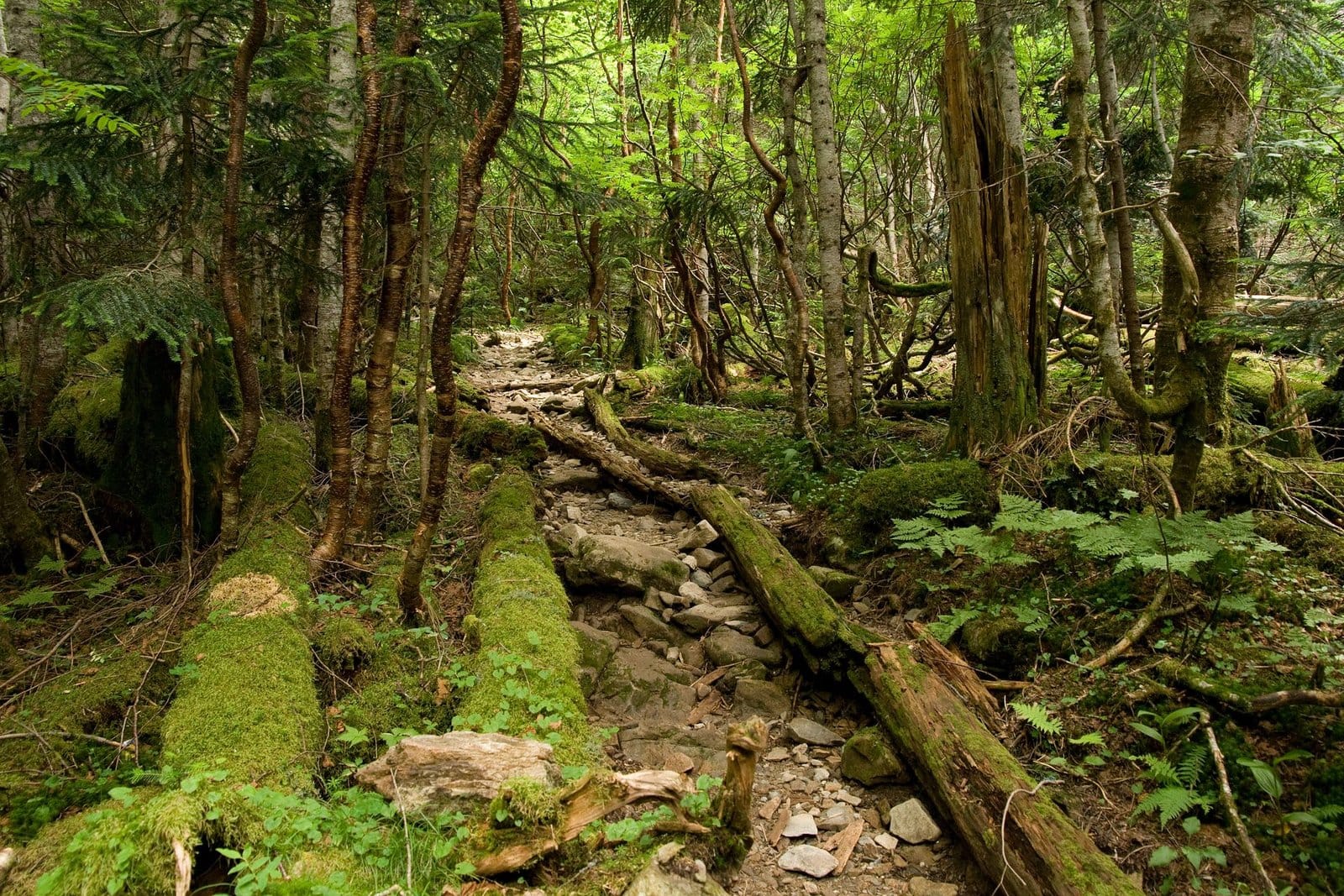
Shinetsu Trail
5 min · tips
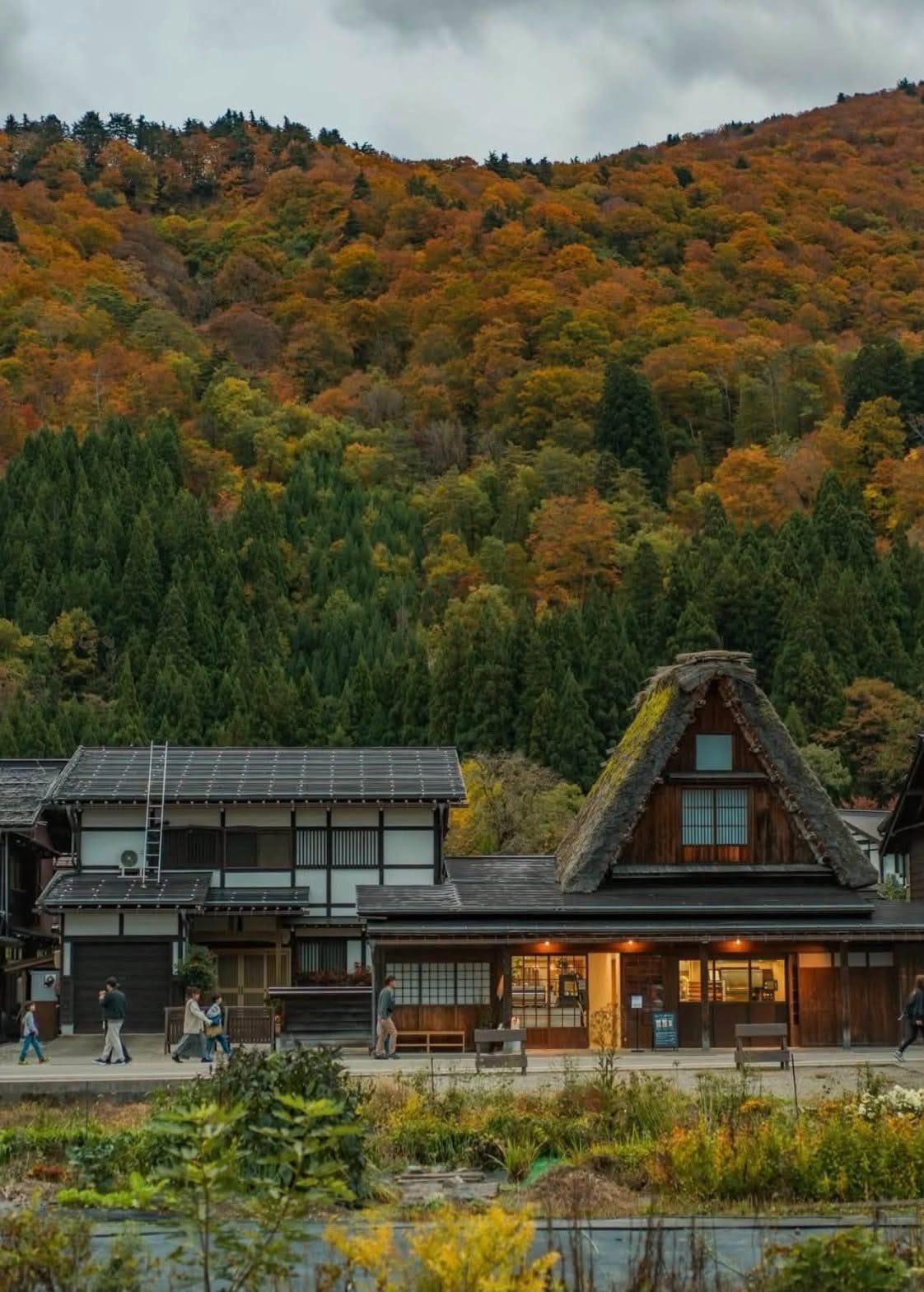
Staying Overnight in Shirakawa-go: A Night by an Irori Hearth in a Gassho-zukuri House
17 min · tips

Shirakawa-go in Autumn on the Dining Table: Hoba Miso, New Soba, and Doburoku
16 min · tips
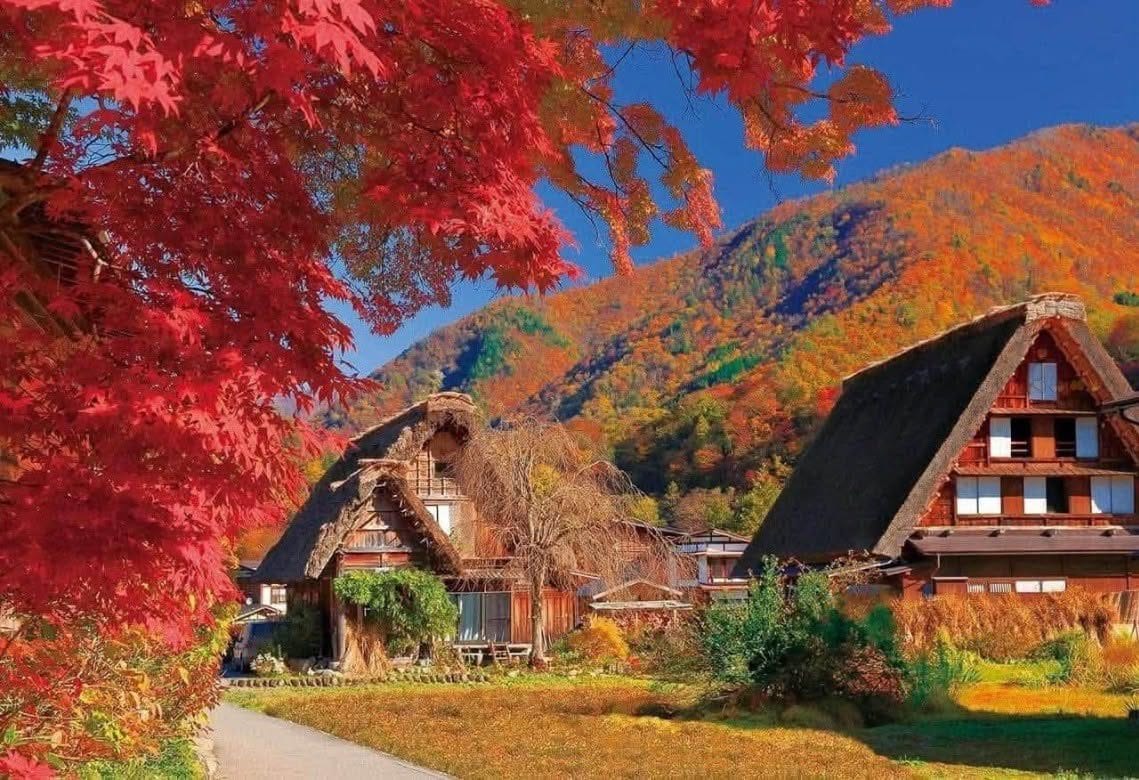
The Road to Shirakawa-go During Fall Foliage: Buses, Tickets, and Self-Driving Tips
17 min · tips