
Shinetsu Trail
Your complete guide to the Shinetsu Trail across Nagano and Niigata — best times to visit, how to get there, top photo spots, and a ready-to-use 1–2 day itinerary.
Feb 8, 2026·✍️ olablog·⏱ 5 min read
Your complete guide to the Shinetsu Trail across Nagano and Niigata — best times to visit, how to get there, top photo spots, and a ready-to-use 1–2 day itinerary.
Tap a region to browse articles
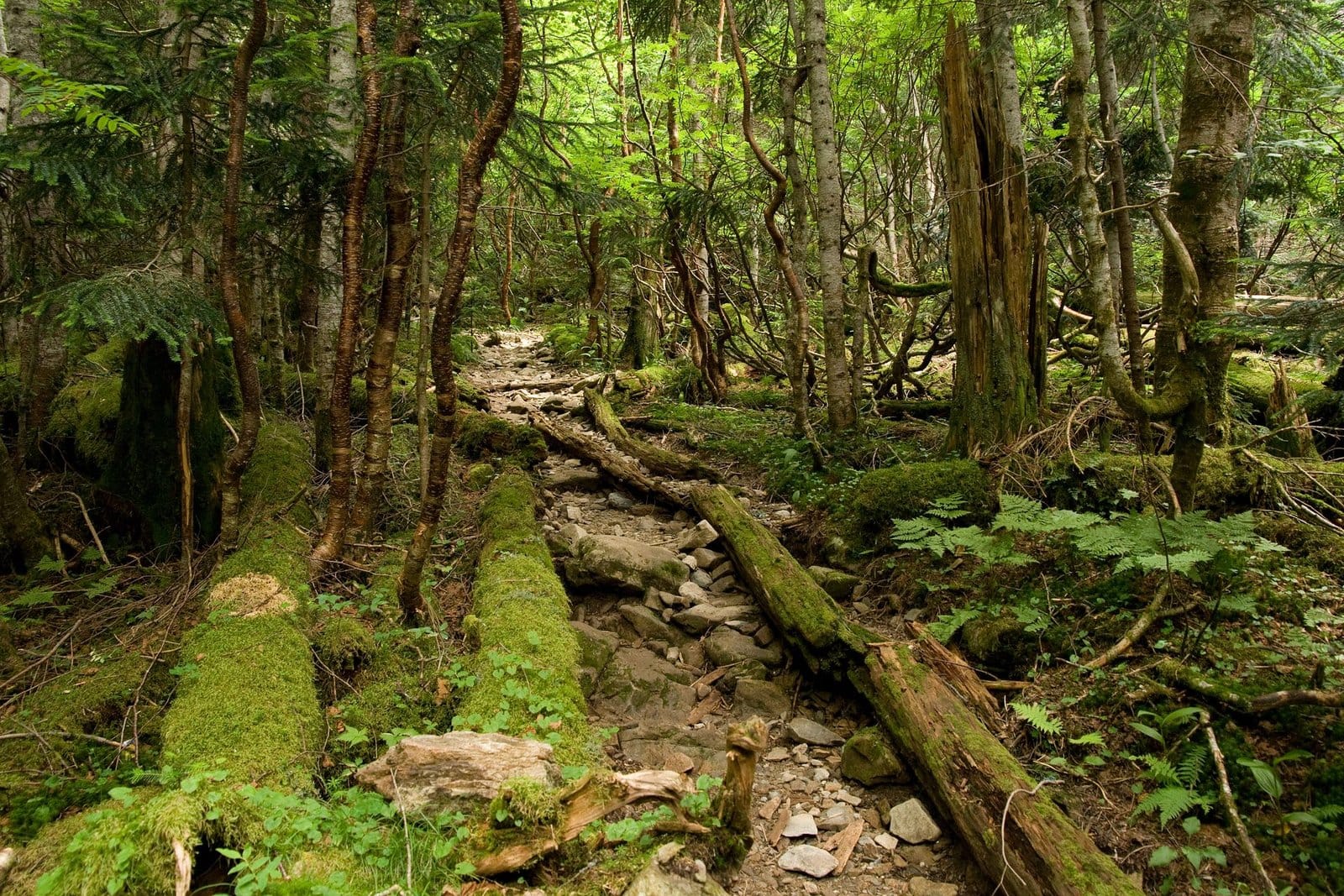
Japan never runs out of ways to humble you with its scenery — and the Shinetsu Trail in Nagano and Niigata is exactly the kind of place that makes you wonder why it isn't on every bucket list. This isn't just a destination; it's an immersion into raw, unhurried nature, where every ridgeline and valley looks like it was composed for a National Geographic cover.
1. What Makes the Shinetsu Trail Special
Stretching about 110 km (roughly 68 miles) along the border of Nagano and Niigata prefectures, the Shinetsu Trail is one of Japan's few long-distance wilderness trails — and one of its least crowded. Think: dense beech forests, alpine meadows, and views that shift from golden at dawn to deep purple at dusk. The light here changes by the hour, and no two visits feel quite the same.
Getting here is half the experience. The roads wind through mountain passes, skirt terraced rice fields, and occasionally open up to sweeping valley panoramas. Travelers consistently say the drive itself — not just the destination — is what sticks with them.
2. Top Spots You Won't Want to Skip
The Shinetsu Trail and surrounding Nagano/Niigata region is full of photogenic stops, from well-marked viewpoints to hidden corners that don't show up in guidebooks. Here are the highlights:
Main Summit Viewpoint: A 180-degree panorama over the entire trail corridor. Sunrise and sunset here are considered the best in the region — set your alarm.
Ancient Cedar Tunnel: Century-old trees form a cathedral-like canopy overhead. Japanese cedars are evergreen, so the canopy stays green all year — cool and shaded in summer, hushed and otherworldly under winter snow.
Reflection Pool: A still lake or river bend nearby mirrors the surrounding mountains like a giant looking glass — practically made for symmetrical shots.
High Ridge Overlook: The area's highest accessible point rewards the climb with a full panoramic sweep across both Nagano and Niigata.
3. Best Time to Visit
Every season has something going for it, but September and October are the sweet spot:
- Most stable weather of the year — ideal for both hiking and driving
- Peak seasonal scenery: late summer greens give way to brilliant autumn foliage
- Best natural light for photography: 6–9 AM and 4–6 PM
- Crowds are manageable — busy enough to feel lively, not so packed that it's stressful
Winter brings snow-draped silence that's genuinely magical, but mountain passes can get icy, so rent a car with proper winter tires or check road conditions before heading out. Spring cherry blossoms and autumn reds are both worth planning a trip around.
4. The Best Way to Explore — Drive It Yourself
Public transport will get you to the trailheads, but a rental car is by far the best way to experience the Shinetsu Trail region. Driving frees you from fixed train and bus schedules, lets you pull over whenever a viewpoint demands it, and opens up the small back roads that no Shinkansen will ever reach.
Roads throughout the area are well-maintained and clearly signed in both Japanese and romaji. Mountain stretches have proper passing lanes and well-placed rest stops (michi-no-eki), making it a genuinely enjoyable road trip rather than a white-knuckle ordeal.
✨ Pro tip: Rent a car through OlaChill and explore the Shinetsu Trail entirely on your own schedule — with or without a driver.
5. Sample 1–2 Day Itinerary
Day 1:
- 6:00 AM — Arrive at the main viewpoint for sunrise; watch the trail corridor emerge from the morning mist
- 8:00 AM — Breakfast at a local restaurant — try soba noodles, a Nagano staple on par with any bowl you'd seek out back home
- 9:30 AM — Drive the main scenic route, stopping at viewpoints along the way
- 12:00 PM — Lunch at a roadside Michi-no-Eki rest stop or local diner
- 2:00 PM — Side trips: a historic village, a waterfall, or a nearby lake
- 5:00 PM — Check into your hotel or ryokan
- 6:30 PM — Soak in the onsen (hot spring bath), then settle in for a multi-course kaiseki dinner
Day 2:
- 7:00 AM — Early breakfast and an early start to beat any crowds
- 8:30 AM — A quieter back road or an off-the-beaten-path viewpoint
- 11:00 AM — Reflection pool photography session
- 1:00 PM — Lunch and a relaxed afternoon
- 3:00 PM — Head to your next stop or begin the journey back
6. Practical Travel Tips
- 📷 Golden hour is non-negotiable: The 30 minutes before and after sunrise/sunset deliver the best light — don't sleep through it
- 🚗 Book your rental car early: Especially in peak season (September–October), reserve at least 1–2 weeks ahead
- ⛽ Fill up before you go: Gas stations can be sparse in rural Nagano and Niigata — don't assume there's one around the next bend
- 📱 Download offline maps: Save the Nagano/Niigata region in Google Maps before you leave — cell coverage in the mountains is patchy at best
- 🍙 Stock up at a convenience store: 7-Eleven and FamilyMart are your best friends on a road trip — reliable, cheap, and genuinely good food
- ☁️ Check the weather forecast: Critical in winter or during the rainy season — mountain conditions can change fast
More from this region — Chubu (Nagano, Kanazawa)
View all →
Staying Overnight in Shirakawa-go: A Night by an Irori Hearth in a Gassho-zukuri House
17 min · tips

Shirakawa-go in Autumn on the Dining Table: Hoba Miso, New Soba, and Doburoku
16 min · tips
The Road to Shirakawa-go During Fall Foliage: Buses, Tickets, and Self-Driving Tips
17 min · tips
Hunting for Fall Colors in Shirakawa-go: A Map of Photo Angles and the Best Light
17 min · tips