
Anan Coast, Tokushima: Where Sea Turtles Nest by Moonlight
Loggerhead turtles nest on Tokushima's Anan coast from late May to early August. When to go, beach etiquette, turtle museums, and nearby capes and temples.
Feb 16, 2026·✍️ olablog·⏱ 11 min read
Loggerhead turtles nest on Tokushima's Anan coast from late May to early August. When to go, beach etiquette, turtle museums, and nearby capes and temples.
Tap a region to browse articles
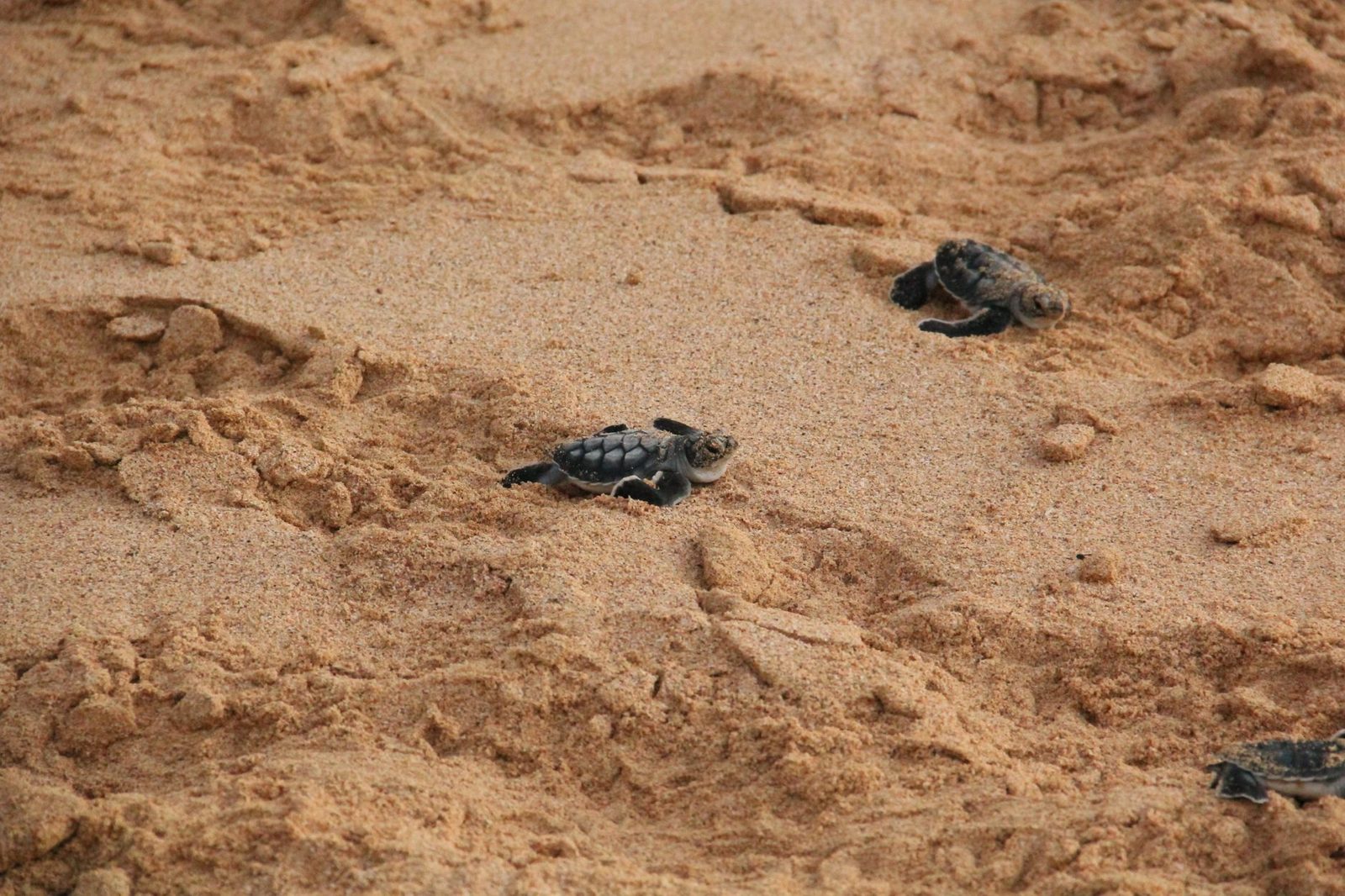
Japan has no shortage of natural wonders, but the Anan coast in southern Tokushima Prefecture rarely makes the highlight reels, and that is exactly its appeal. This stretch of Pacific shoreline is one of Japan's best-known nesting grounds for loggerhead sea turtles. Every year from May to August, turtles come ashore after dark to lay their eggs in the sand, and weeks later the hatchlings make their dash for the sea.
This guide covers what makes the coast special, when the turtles nest and hatch, the rules for watching them without doing harm, where to learn more about them, and the capes and pilgrimage temples nearby, along with the practical side of getting around.
1. The Anan coast: where sea turtles come ashore
The Anan coast runs along the south of Tokushima Prefecture, a long line of beaches and headlands facing the Pacific Ocean. Its most famous beach, Ohama Beach (大浜海岸), is designated a National Natural Monument as a loggerhead nesting ground and is protected as a site of global importance. When the warm season arrives, loggerheads return from far out at sea to continue the cycle of life, hauling themselves up the beach to bury their eggs in the sand. Few people who see it forget it, and it leaves many with a new respect for how fragile wild nature is.
The turtles are only part of the draw. Clear blue water, wide sandy beaches and green mountains rising behind them give the coast a different character in every season. Evenings are especially memorable: as the sun goes down, the sky and the sea turn a deep, glowing red.
2. When to see sea turtles
On the Anan coast, nesting usually peaks from late May to early August, and hatchlings emerge from late July to early October. Nesting takes place mainly at night, so if you hope to watch, you need to understand how the turtles behave and how easily they are disturbed.
- Nesting season: late May to early August
- Hatching season: late July to early October
- Time of day: turtles nest mainly at night, between sunset and dawn; hatchlings usually emerge during the night or in the early morning
That makes July the sweet spot. Adult turtles are still coming ashore, the first hatchlings can appear towards the end of the month, and the long summer days are ideal for a coastal road trip. July is also peak travel season across Japan, so book your car and accommodation early.
Outside turtle season the coast is still worth the trip. Spring and autumn are both excellent for driving and walking, and the autumn colours around Tairyu-ji Temple (see below) are a highlight of the year.
3. How to watch turtles without harming them
Sea turtles are extremely sensitive, and human behaviour can easily disrupt nesting or hatching. Follow these rules to protect the turtles and their beach:
- Stay quiet. Turtles react to noise and light. Don't shout or run; watch calmly and in silence.
- No lights. Torches and camera flashes can startle a nesting turtle into stopping, and they disorient hatchlings trying to find the sea. Using any light during night-time observation is strictly forbidden.
- Keep your distance. Don't crowd adult turtles or hatchlings. As a rule of thumb, stay at least 10 metres away.
- Never touch. Don't touch a turtle while she is laying, or a newly hatched turtle. You can harm the animal or stop a hatchling from reaching the water.
- Leave eggs and nests alone. Digging up or touching eggs or nests is strictly prohibited.
- Take your rubbish home. Help keep the beach clean and carry out everything you bring.
At Ohama Beach, the Ohama Beach Sea Turtle Information Center provides information about the turtles and carries out conservation work. Check the latest information before you visit.
4. Where to learn about sea turtles
Two facilities near the coast explain loggerhead ecology and the conservation work behind it. Visiting one before a night on the beach helps you understand what you are seeing and makes the experience far more moving. Hours and prices below are as listed when this guide was written, so confirm them before you go.
| Facility | Location | Hours and closing days | Admission | What you'll find |
|---|---|---|---|---|
| Ohama Beach Sea Turtle Information Center (大浜海岸ウミガメ情報センター) | Ohama Beach | 9:00–17:00; closed on Tuesdays and over the New Year holidays | Free | Displays and information on loggerhead ecology and conservation. Hatchling release events are held on some occasions. |
| Hiwasa Sea Turtle Museum Caretta (日和佐うみがめ博物館カレッタ) | 372-2 Hiwasaura, Minami Town, Kaifu District, Tokushima | 9:00–17:00; listed as open all year | Adults ¥600, children ¥300 | Live sea turtles, detailed explanations of their ecology and a touch pool, where you may even get to touch a sea turtle. |
5. Nearby sights
There is more to this coast than turtles. From natural viewpoints to historic temples, these sights round out a trip.
Cape Gamoda (蒲生田岬)
At the easternmost point of Shikoku, Cape Gamoda looks out over the open Pacific. A white lighthouse is its landmark, and walking paths lead around the headland. Time your visit for sunrise and you can watch the sun climb out of the ocean on the horizon.
- Address: Gamoda, Tsubaki-cho, Anan, Tokushima
- Access: about 50 minutes by car from JR Anan Station; parking available
- Time needed: about 1 hour, including a walk
Tairyu-ji Temple (太龍寺)
Tairyu-ji, Temple 21 of the Shikoku 88 Temple Pilgrimage, is a revered temple known as the "Koya of the West". It stands near the top of a mountain at about 600 metres, and the way up is the Tairyuji Ropeway, a ride through the air with wide views of the surrounding nature that change with every season. In the autumn colours, the view is breathtaking.
- Address: 2 Ryuzan, Kamo-cho, Anan, Tokushima
- Access: about 30 minutes by car from JR Anan Station to the ropeway's base station, then up by ropeway
- Ropeway fare: return ¥2,600 for adults, ¥1,300 for children
- Ropeway hours: 7:20–17:00 (varies by season; check before you go)
- Time needed: about 10 minutes each way on the ropeway, plus 1 to 1.5 hours at the temple
Byodo-ji Temple (平等寺)
Like Tairyu-ji, Byodo-ji is on the Shikoku pilgrimage: it is Temple 22, the next stop on the route, and pilgrims come here to pray for protection from misfortune (yakuyoke). The grounds hold the main hall and the Daishi Hall, and the atmosphere is calm enough for an unhurried visit.
- Address: 177 Akiyama, Aratano-cho, Anan, Tokushima
6. Getting around: rent a car
Public transport in rural Tokushima is sparse and buses run infrequently, while the places in this guide are spread out: the Tairyuji Ropeway is about 30 minutes by car from JR Anan Station, Cape Gamoda about 50 minutes, and the turtles come ashore after dark, when you will want your own way back to your room. That makes a rental car by far the most practical way to see the coast properly, and it lets you pull over at any beach or viewpoint that catches your eye.
✨ Tip: Book a rental car with OlaChill and explore the Anan coast at your own pace.
Visitors from abroad need an International Driving Permit issued under the 1949 Geneva Convention alongside their home licence. Drivers from a few countries, including Belgium, France, Germany, Monaco, Switzerland and Taiwan, need an official Japanese translation of their licence instead. Requirements can change, so confirm the current rules before you leave home.
7. A two-day plan
This plan combines the turtles with the capes and temples above. Travel times come from the listings in this guide; allow extra time for stops along the coast.
Day 1: temples and turtles
- Morning: Drive about 30 minutes from JR Anan Station to the Tairyuji Ropeway (listed hours start at 7:20, but they vary by season). Ride up in about 10 minutes and allow 1 to 1.5 hours at Tairyu-ji.
- Late morning: Continue to Byodo-ji, Temple 22 of the pilgrimage, for a quiet visit.
- Lunch: Stop at a roadside restaurant or rest area, and try Tokushima ramen if you see it on a menu.
- Afternoon: Visit the Hiwasa Sea Turtle Museum Caretta to see live turtles, and stop at the Ohama Beach Sea Turtle Information Center for the latest turtle news (both are listed as open until 17:00; the centre closes on Tuesdays).
- Evening: Check in to your hotel or ryokan. In nesting season, if you head to the beach after dark, ask at the information centre that afternoon for the latest guidance, then follow the rules above: no lights, no noise, and at least 10 metres from any turtle.
Day 2: sunrise at the easternmost cape
- Sunrise: Be at Cape Gamoda (about 50 minutes by car from JR Anan Station) to watch the sun come up over the Pacific, then walk out to the white lighthouse (allow about 1 hour). After a late night on the beach this is an early start, so skip it if you would rather sleep.
- Morning: Have breakfast, then drive the coastal roads at an easy pace, stopping at beaches and viewpoints as you go.
- Afternoon: Head on to your next destination. If you have more time in Tokushima, the Iya Valley and its vine bridge make a dramatic inland contrast to the coast.
8. Practical tips
- 🐢 Treat a turtle as a bonus: nesting is a wild event, so plan the trip to be worthwhile even on a night when none come ashore.
- 🔦 Leave the torch in the car: on the beach at night, keep torches, flashes and phone screens off. Light is what disturbs nesting turtles and hatchlings most.
- ℹ️ Stop at the information centre before dark: it is free and has the latest turtle news, but it closes at 17:00 and all day on Tuesdays, so time your visit, and your night on the beach, around that.
- 🚗 Book your rental car early: July, the best turtle month, is also peak travel season across Japan. Reserve at least 1 to 2 weeks ahead.
- ⛽ Fill up in town: petrol stations are sparse in rural Tokushima, so top up before heading out to Cape Gamoda or the ropeway.
- 📱 Download offline maps: save an offline Google Maps area for southern Tokushima in case the phone signal drops along the coast.
- ☁️ Check the forecast: this matters most during the June rainy season (tsuyu), when heavy rain can affect coastal roads.
Anan coast at a glance
| Item | Details |
|---|---|
| Where | The Pacific coast of southern Tokushima Prefecture, Shikoku |
| The turtles | Loggerhead sea turtles; Ohama Beach is a National Natural Monument as a nesting ground |
| Nesting season | Late May to early August, mainly at night |
| Hatching season | Late July to early October, at night and in the early morning |
| Best month | July, when nesting and the first hatchlings overlap |
| Etiquette | Silence, no lights, at least 10 metres' distance, never touch turtles, eggs or nests, take your rubbish home |
| Learn more | Ohama Beach Sea Turtle Information Center (free); Hiwasa Sea Turtle Museum Caretta (adults ¥600) |
| Nearby | Cape Gamoda, Shikoku's easternmost point; Tairyu-ji (Temple 21) by ropeway; Byodo-ji (Temple 22) |
| Getting around | A rental car is by far the most practical option |
The Anan coast rewards travellers who slow down. Come in July if you can, learn about the turtles at Caretta or the information centre, then spend an evening on the beach with your torch switched off and your voice low. Add a sunrise at Cape Gamoda and a ropeway ride up to Tairyu-ji, and you will leave with a very different picture of Japan from the one in the guidebooks.
More from this region — Chugoku & Shikoku
View all →
Tokushima Awa Odori 2026 Complete Guide — August 12-15, Japan's Largest Bon Dance with 400 Years of History
7 min · events
Chartering a 45-Seat Bus in Hiroshima: A Complete Group Travel Guide
8 min · tips
Chugoku Travel Guide: Hiroshima, Miyajima, and Hidden Gems of Western Japan
9 min · destinations
Hiroshima & Miyajima: The Most Moving Day Trip in Japan
20 min · destinations