
Chugoku Travel Guide: Hiroshima, Miyajima, and Hidden Gems of Western Japan
Complete guide to Japan's Chugoku region: Hiroshima Peace Park, Miyajima's floating torii gate, Okayama Korakuen Garden, Tottori Sand Dunes, and sacred Izumo Taisha Shrine.
Aug 8, 2026·✍️ olablog·⏱ 9 min read
Complete guide to Japan's Chugoku region: Hiroshima Peace Park, Miyajima's floating torii gate, Okayama Korakuen Garden, Tottori Sand Dunes, and sacred Izumo Taisha Shrine.
Tap a region to browse articles
The 中国(Chugoku) region at the westernmost tip of Honshu island is where two distinct sides of Japan meet: the southern coast faces the gentle 瀬戸内海(Seto Inland Sea) with 広島(Hiroshima), 宮島(Miyajima), and 岡山(Okayama) positioned conveniently along the Shinkansen bullet train line; the northern coast borders the rugged Sea of Japan, featuring the windswept 鳥取砂丘(Tottori Sand Dunes) and Japan's oldest shrine, 出雲大社(Izumo Taisha Grand Shrine). Most international travelers only stop in Hiroshima for a quick half-day trip before rushing onward—a missed opportunity, as Chugoku easily deserves 3 to 4 dedicated days on your itinerary. This travel guide covers both coasts, complete with transportation tips, practical advice, and a recommended itinerary.
広島(Hiroshima) — Peace Memorial Park and a Resilient City
Today, Hiroshima is a vibrant, green, and youthful city—a striking transformation that makes visiting 平和記念公園(Peace Memorial Park) all the more poignant. The 原爆ドーム(Genbaku Dome / Atomic Bomb Dome), the only structure left standing near the epicenter of the 1945 atomic blast, remains preserved in its immediate aftermath as a powerful reminder for humanity. The 広島平和記念資料館(Hiroshima Peace Memorial Museum) tells deeply personal stories through preserved artifacts of individual victims; set aside at least two hours and prepare yourself emotionally—it is an intensely moving experience that brings many visitors to tears, yet remains an essential destination.
After a somber morning, the city invites you back into its lively contemporary pulse with Hiroshima-style okonomiyaki—a savory layered pancake packed with noodles, cabbage, pork, and egg. Head over to お好み村(Okonomimura), a famous food hall packed with dozens of stalls surrounding sizzling teppan grills, where a hearty dish costs around $7–$10 USD (¥1,000–¥1,500 JPY). Later in the afternoon, unwind with a peaceful stroll around the reconstructed 広島城(Hiroshima Castle) and the nearby riverside 縮景園(Shukkeien Garden).
宮島(Miyajima) — The Floating Torii Gate and Free-Roaming Deer
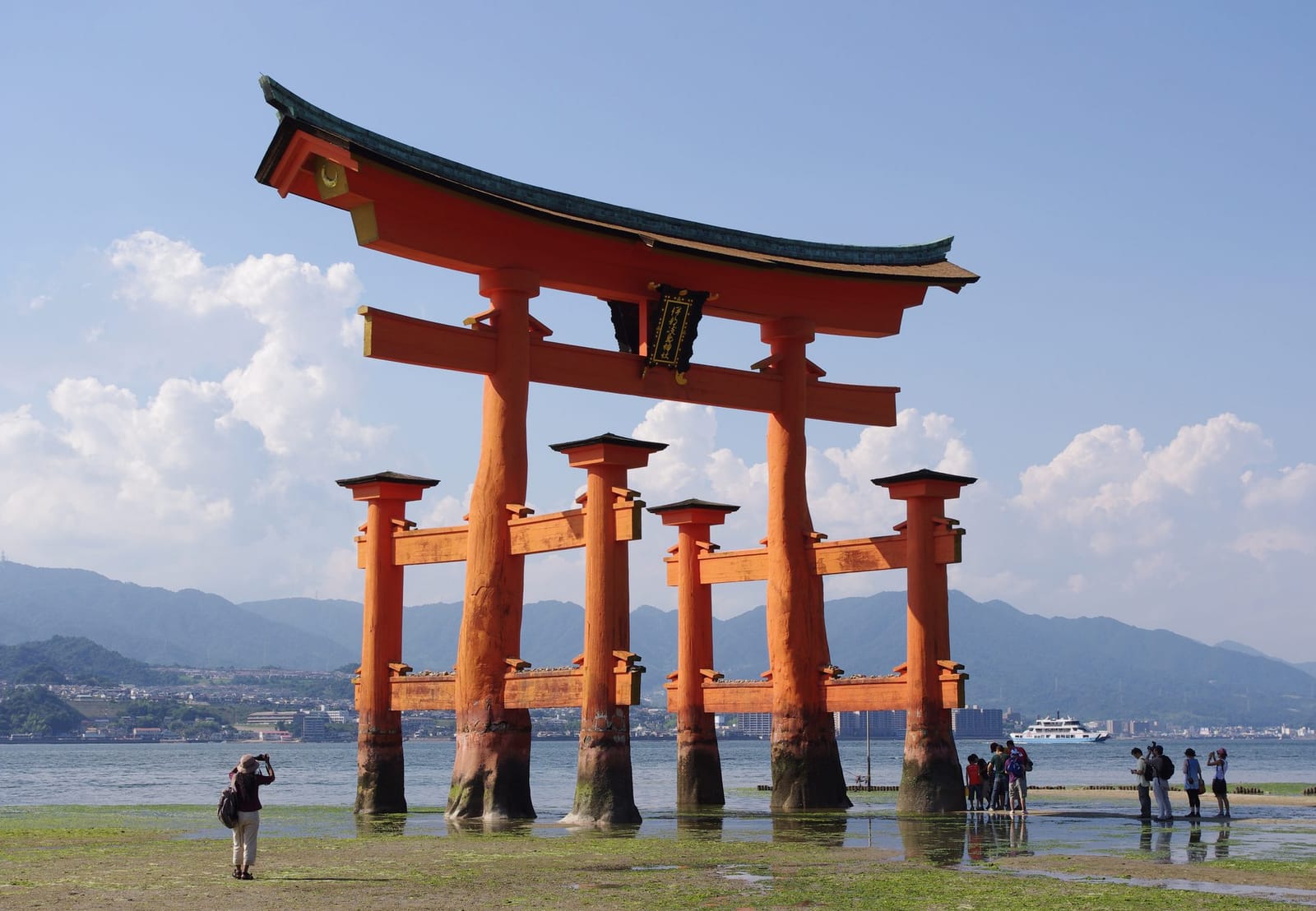
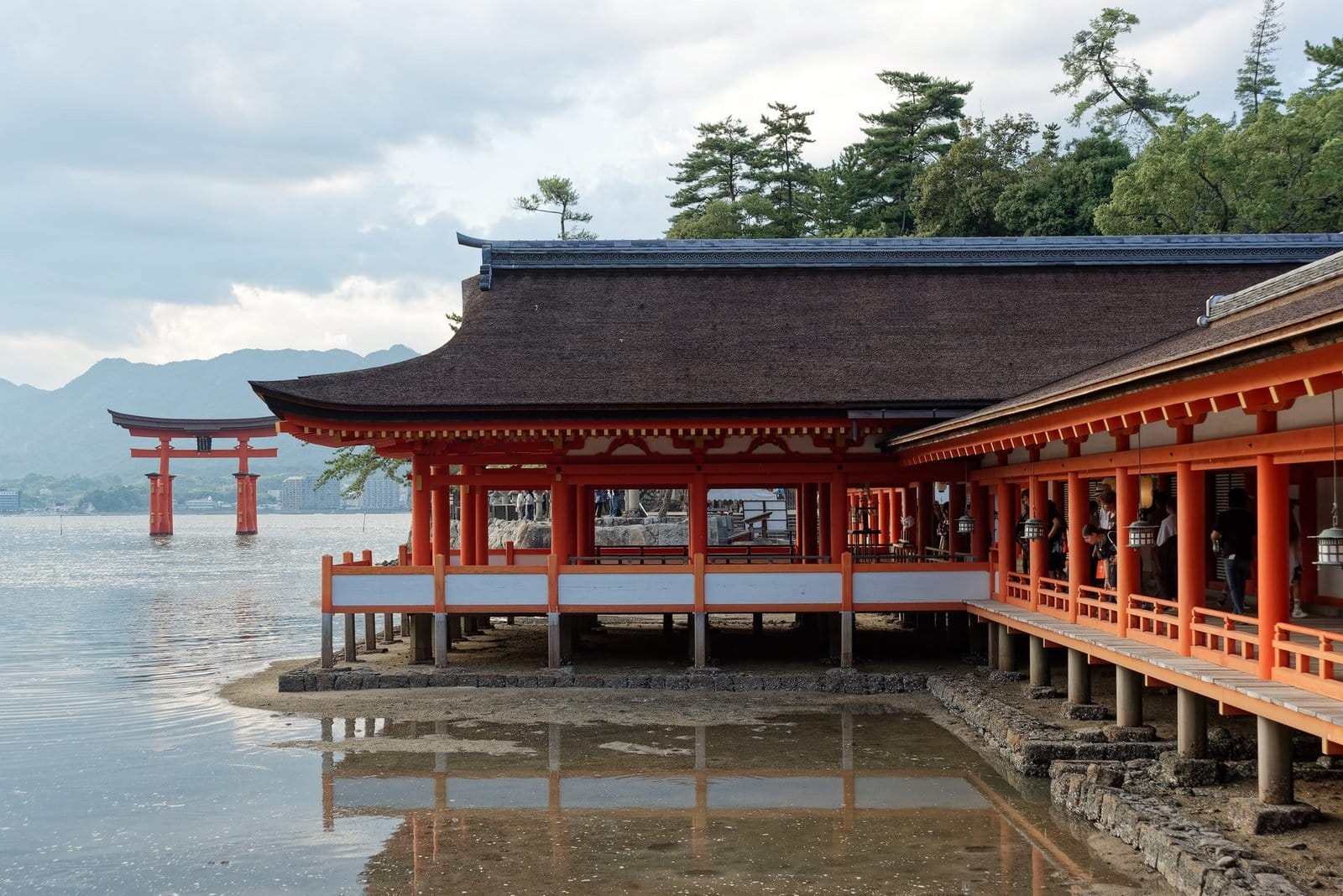
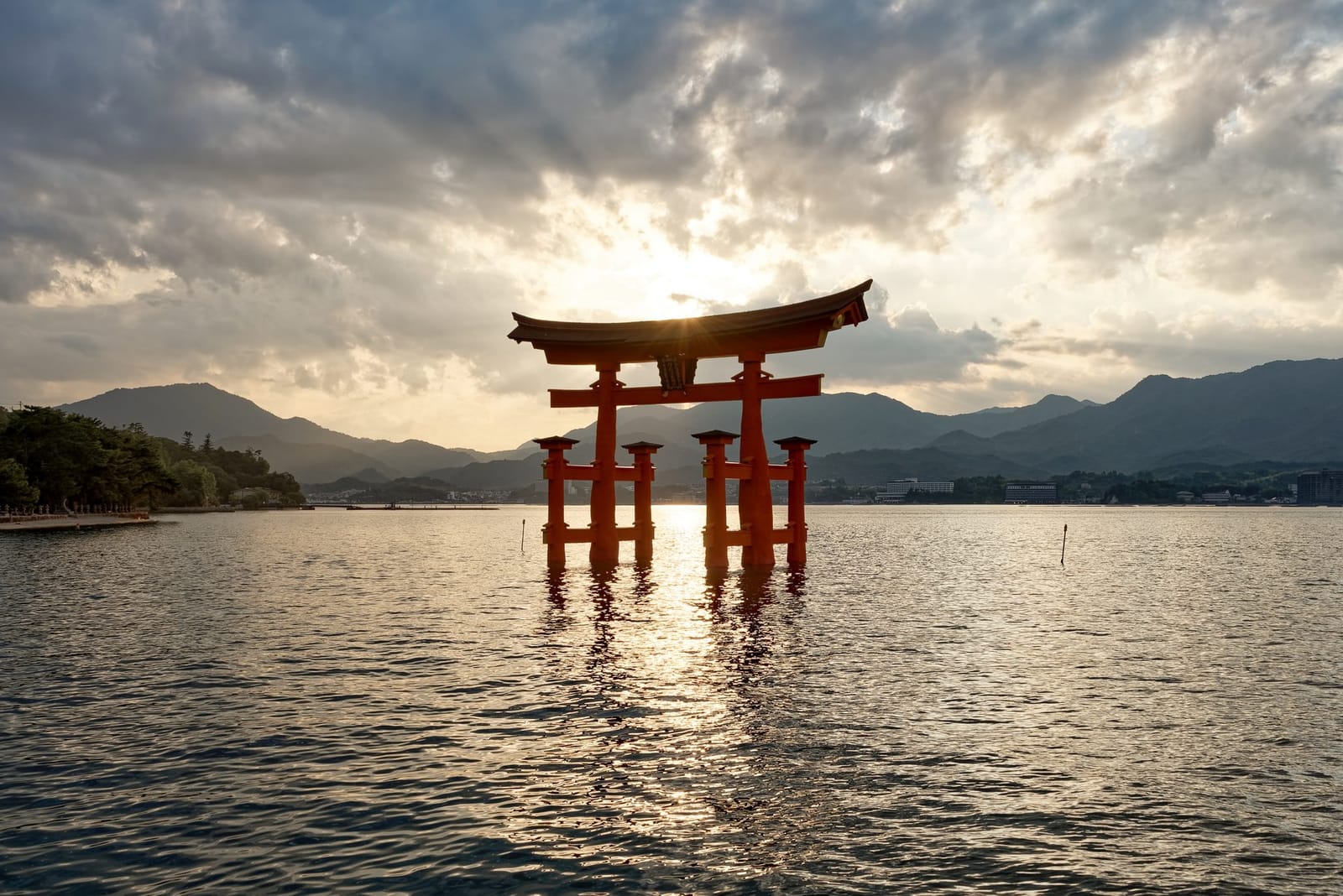
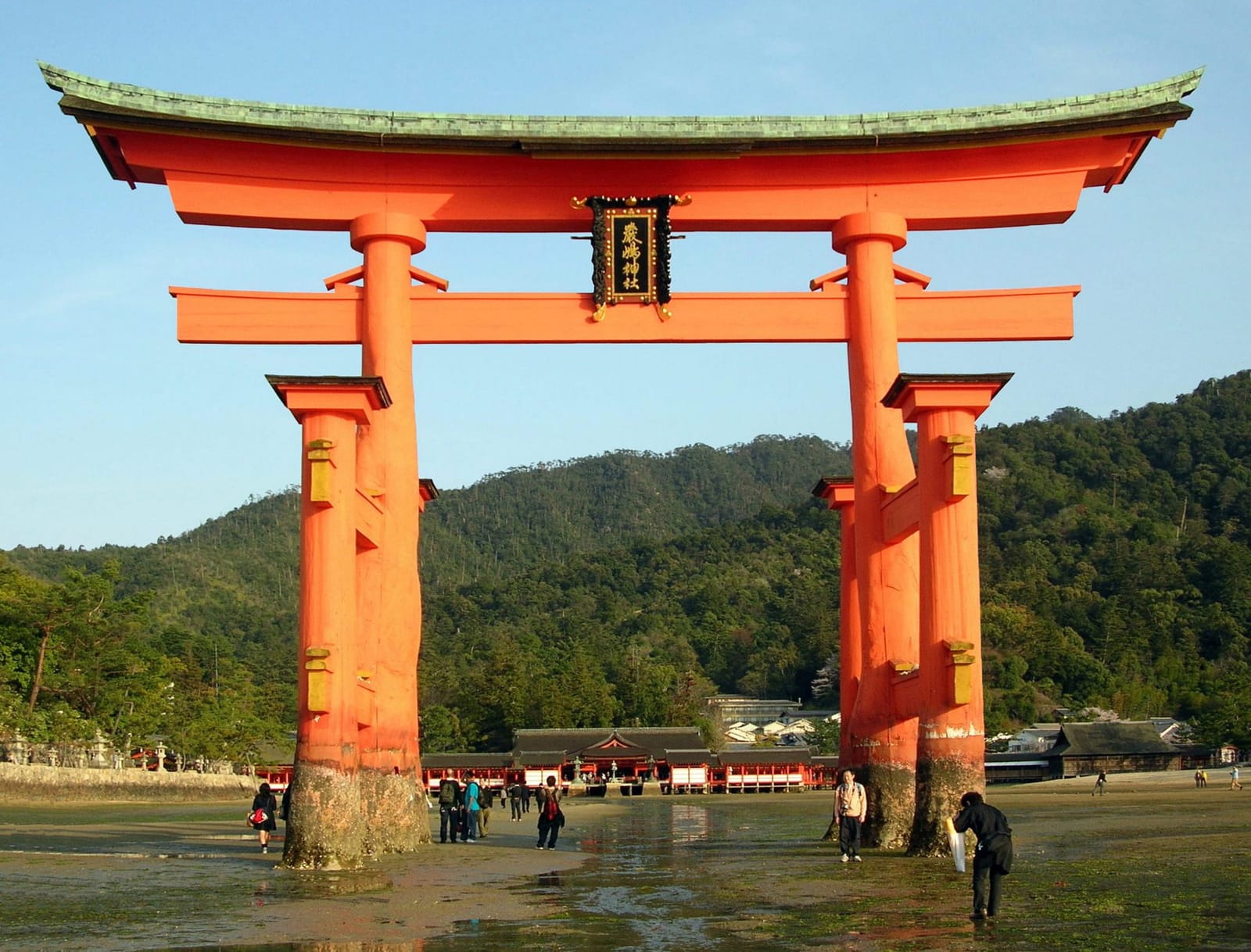
Just a 45-minute journey by train and ferry from central Hiroshima lies Miyajima (officially known as 厳島/Itsukushima), home to one of Japan’s iconic "Three Views of Japan." The vermilion grand torii gate of 厳島神社(Itsukushima Shrine) stands directly in the bay, appearing to float magically on the water at high tide. The secret to a perfect visit is timing your stay to experience both perspectives: at high tide, the gate floats majestically; at low tide, the sea recedes so you can walk right up to the base of its gigantic pillars—be sure to check the daily tide tables before your trip.
On the island, bold and friendly deer roam freely through the streets (keep a close eye on your paper maps and snacks!), while the lively 表参道(Omotesando Street) serves freshly grilled oysters and warm, maple-leaf-shaped momiji manju cakes filled with sweet red bean paste. If time permits, ride the ropeway or hike up the summit of 弥山(Mount Misen) for breathtaking panoramic views of the Seto Inland Sea dotted with islands. While many day-trippers stay for just a few hours, spending a night at a traditional ryokan inn on the island—when the final ferry departs and the illuminated torii gate glows in absolute stillness—is an unforgettable luxury.
岡山(Okayama), 鳥取(Tottori), and 出雲(Izumo) — Dual-Coast Hidden Gems
Situated between 大阪(Osaka) and Hiroshima along the Sanyo Shinkansen line, Okayama is home to 後楽園(Korakuen Garden)—renowned as one of Japan’s Three Great Gardens—built in the 17th century featuring expansive lawns, tea plantations, and historic tea houses reflecting on tranquil ponds. Just across the river stands the striking jet-black 岡山城(Okayama Castle / Crow Castle), providing a dramatic contrast to the greenery. Okayama proudly claims to be the birthplace of the legendary folk hero Momotaro (Peach Boy) and is famous for its sweet white peaches and summer muscat grapes. A quick 15-minute train ride brings you to the 倉敷(Kurashiki Bikan Historical Quarter), where willow-lined canals and white-walled 17th-century rice storehouses offer a historic atmosphere largely undiscovered by Western tour groups.
The northern San'in coast feels like a completely different realm. The Tottori Sand Dunes stretch 16 kilometers along the Sea of Japan, with sand walls rising up to 50 meters high—standing atop these windswept ridges looking out over the deep blue ocean feels like stepping into an entirely different country. Here, you can ride camels, try sandboarding, or marvel at giant sand sculptures at the adjacent 砂の美術館(The Sand Museum). Further west in 島根(Shimane Prefecture) sits Izumo Taisha Grand Shrine, considered Japan's oldest Shinto shrine and dedicated to Okuninushi, the deity of marriage and good fortune. According to Shinto tradition, eight million deities from across Japan gather here during the 10th lunar month. The shrine’s defining feature is the massive, multi-ton shimenawa (sacred straw rope) hanging above the worship hall, along with its unique worship ritual: two bows, four claps, and one final bow. Pairing Izumo with a visit to the original, surviving keep of 松江城(Matsue Castle) makes for a deeply rewarding day trip along the northern coast.
Best Time to Visit
The Chugoku region enjoys milder weather than many other parts of Japan. The absolute best times to travel are spring (late March to April), when cherry blossoms bloom around the castles of Hiroshima and Okayama as well as on Miyajima, and autumn (November), when vibrant red maples transform 紅葉谷公園(Momijidani Park / Maple Valley) on Miyajima into a stunning fiery landscape. Summers are warm and humid but coincide with Okayama's peak fruit season and vibrant coastal fireworks festivals; the northern coast tends to stay cooler than the south during summer months.
Winter brings mild conditions along the southern coast, ideal for uncrowded sightseeing and enjoying Miyajima oysters at their peak flavor profile (December to February). However, the northern coast can experience snow showers and choppy seas during winter. If you have to choose a single timeframe, mid-November offers the ideal weather window for exploring the entire region.
Regional Culinary Highlights
Fresh seafood from the Seto Inland Sea forms the culinary soul of southern Chugoku. Hiroshima produces over half of Japan's farmed oysters, served freshly grilled, deep-fried in panko, or cooked in rich hot pots; anago (wild sea eel) grilled over rice is Miyajima's signature specialty. Hiroshima-style okonomiyaki is a fierce point of local pride—be careful not to call it "Osaka-style okonomiyaki" in front of locals! Okayama contributes world-class seasonal fruits and barazushi (colorful scattered sushi), while the northern coast is famous for winter Tottori snow crab (a multi-course crab dinner costs around $33–$67 USD / ¥5,000–¥1,0000 JPY) and Izumo soba noodles served in distinctive three-tiered red lacquerware bowls.
For edible souvenirs, momiji manju cakes from Miyajima are a crowd-favorite, while Okayama offers kibi dango (sweet rice dumplings) tied to the Momotaro legend.
Getting Around
The main transportation artery across Chugoku is the Sanyo Shinkansen line along the southern coast: travel time from Osaka to Okayama or Hiroshima takes only about 1.5 hours. For travelers landing at Kansai International Airport (KIX), the JR Kansai-Hiroshima Area Pass ($113 USD / ¥17,000 JPY for 5 days) fully covers bullet train travel on this route along with the JR Miyajima ferry. Those venturing across both coasts should consider the broader Sanyo-San'in Area Pass ($153 USD / ¥23,000 JPY for 7 days), which extends coverage to northern cities like Tottori, Matsue, and Izumo. Northern routes rely on JR Limited Express trains (~2 to 2.5 hours from Okayama to Tottori) and regional local buses, which run less frequently and require careful timetable planning.
In downtown Hiroshima, historic streetcars (trams) are the most convenient and charming way to get around, accepting contact-free payments via local IC cards like SUICA or ICOCA as well as day passes. To reach Miyajima, take a local train or tram to 宮島口駅(Miyajimaguchi Station), followed by a short 10-minute ferry ride—the JR-operated ferry is fully covered for holders of valid JR Passes.
Suggested Itinerary
A balanced 4-day itinerary covering the highlights of both coasts: Day 1, take the Shinkansen to Okayama to explore Korakuen Garden and Okayama Castle, spending the afternoon wandering through Kurashiki's historic canal district. Day 2, head to Hiroshima to spend a dedicated morning at Peace Memorial Park and Museum, followed by an evening eating okonomiyaki at Okonomimura. Day 3, travel to Miyajima, timing the tides to see the grand torii gate, hiking or taking the cable car up Mount Misen, and either staying overnight in a ryokan or returning to Hiroshima. Day 4, journey north to experience either the Tottori Sand Dunes or Izumo Taisha Shrine and Matsue Castle (choose one coast direction as distance between them is significant), before returning toward Osaka.
If you only have 2 days available, a focused route covering Hiroshima and Miyajima with a night spent on Miyajima Island is an unbeatable combination. You can explore complete travel packages combining Chugoku with Kansai on OlaChill's Japan Tours, or browse detailed attraction guides on the OlaChill Blog.
Chugoku is a land of captivating contrasts: a painful history yielding to a vibrant modern spirit in Hiroshima, sacred red gates rising out of ocean tides, and sweeping desert sand dunes overlooking the sea. Exploring both coasts of this region will reward you with a deeper, richer, and far more complete portrait of Japan than almost anywhere else in the country.
More from this region — Chugoku & Shikoku
View all →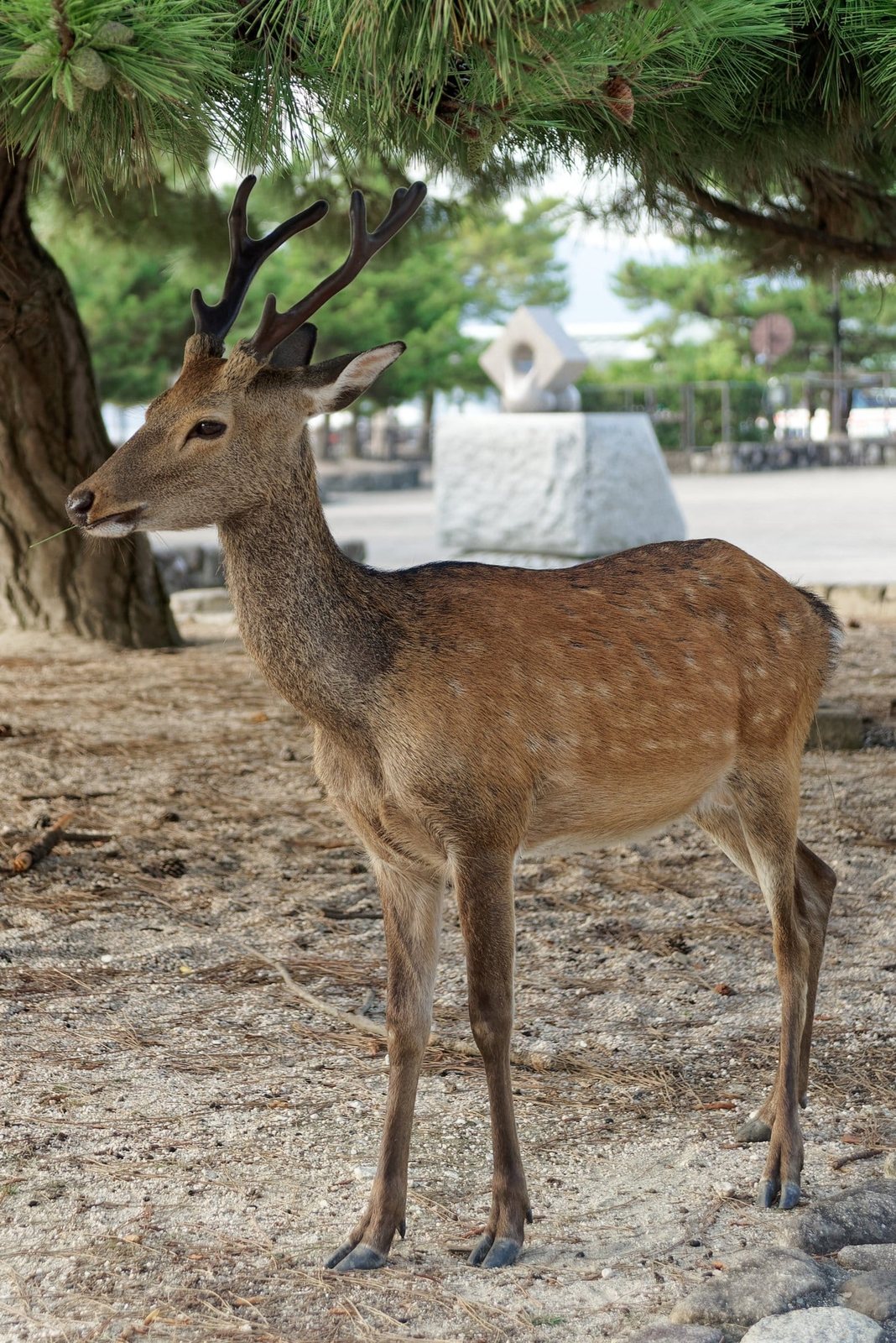
Hiroshima & Miyajima: The Most Moving Day Trip in Japan
20 min · destinations
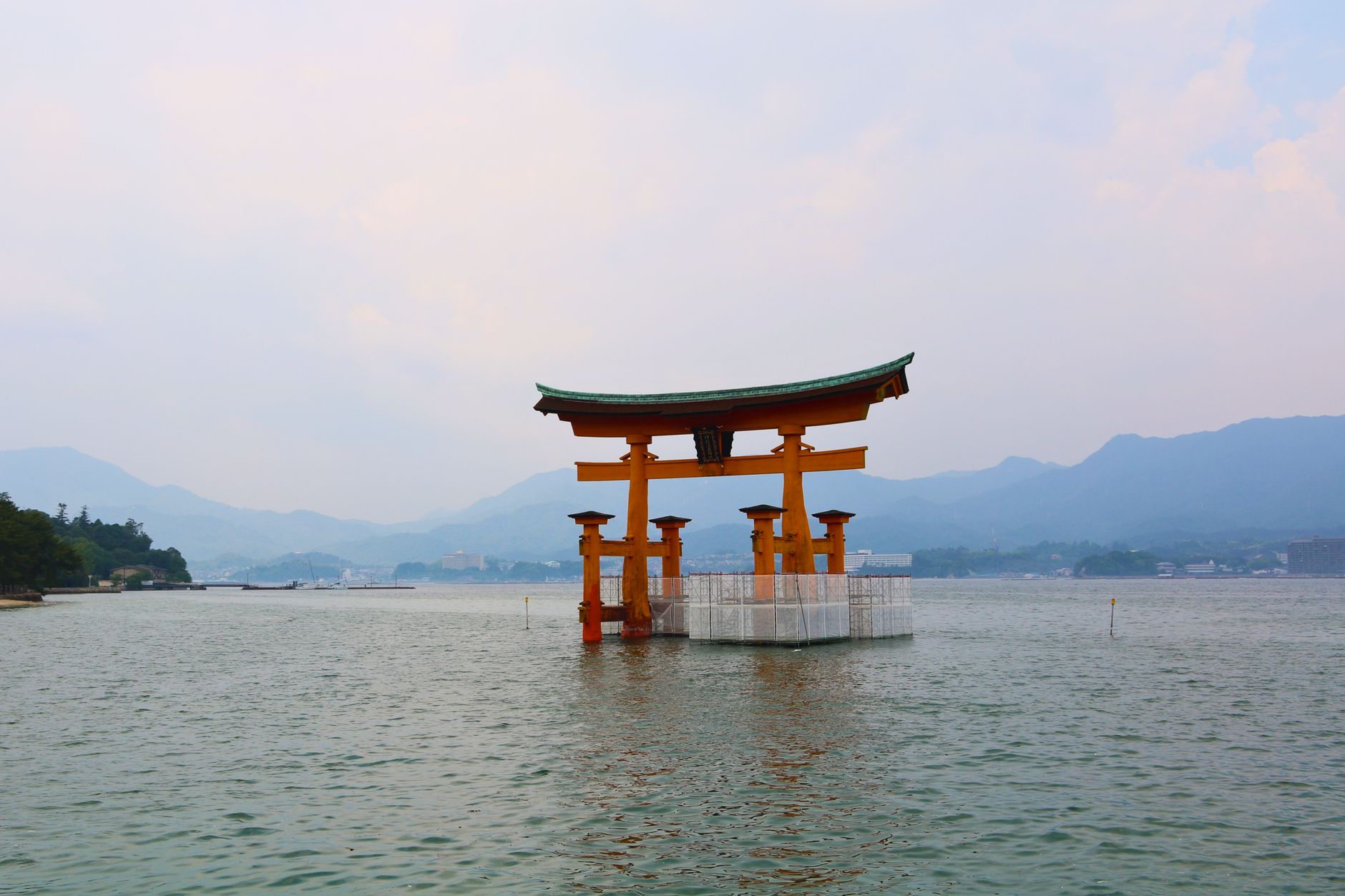
Hiroshima and Miyajima: A Thoughtful Group Day by Coach
8 min · tips
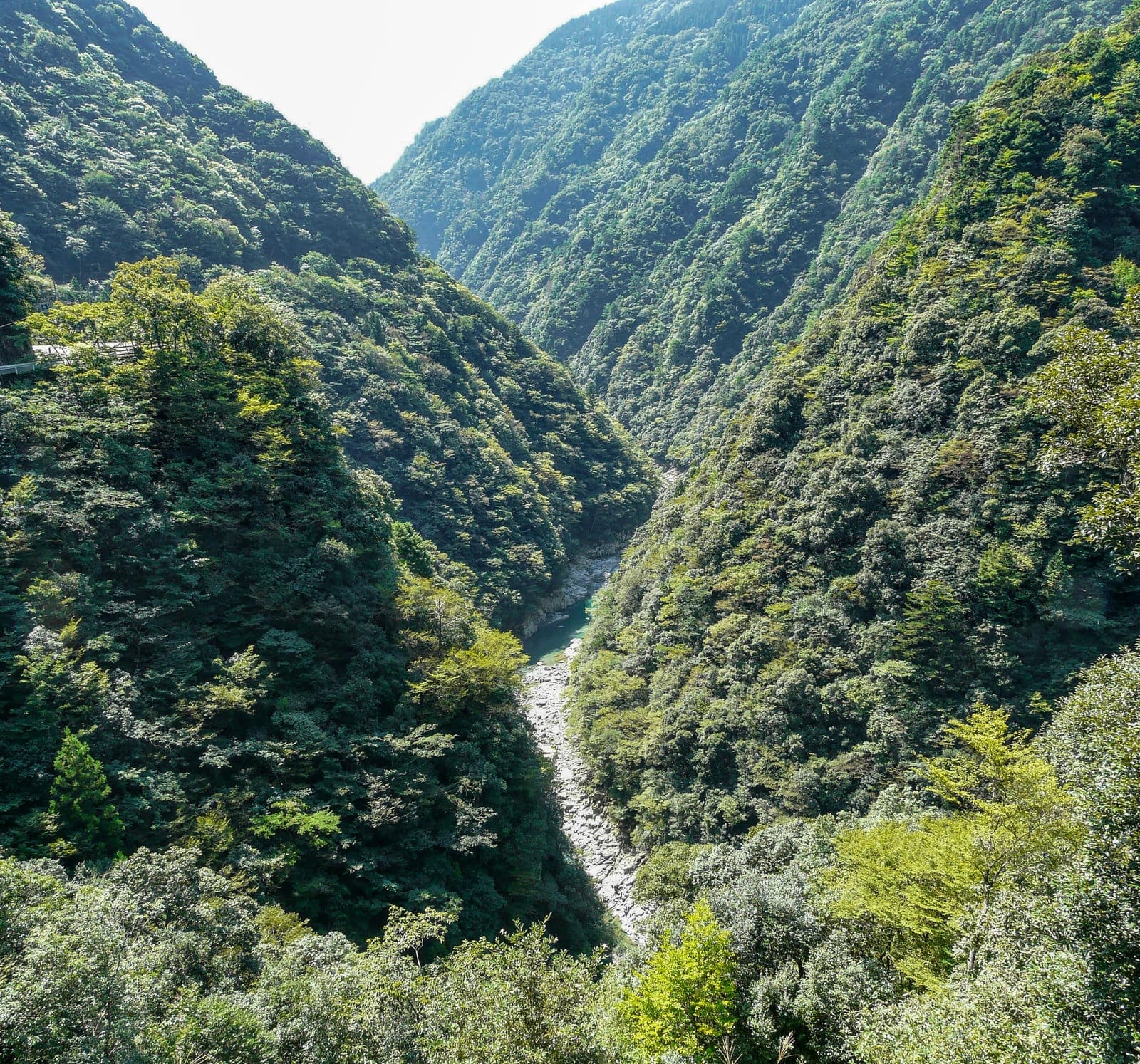
Iya Valley – Japan's Most Dramatic Hidden Gorge & the Kazurabashi Vine Bridge
6 min · tips
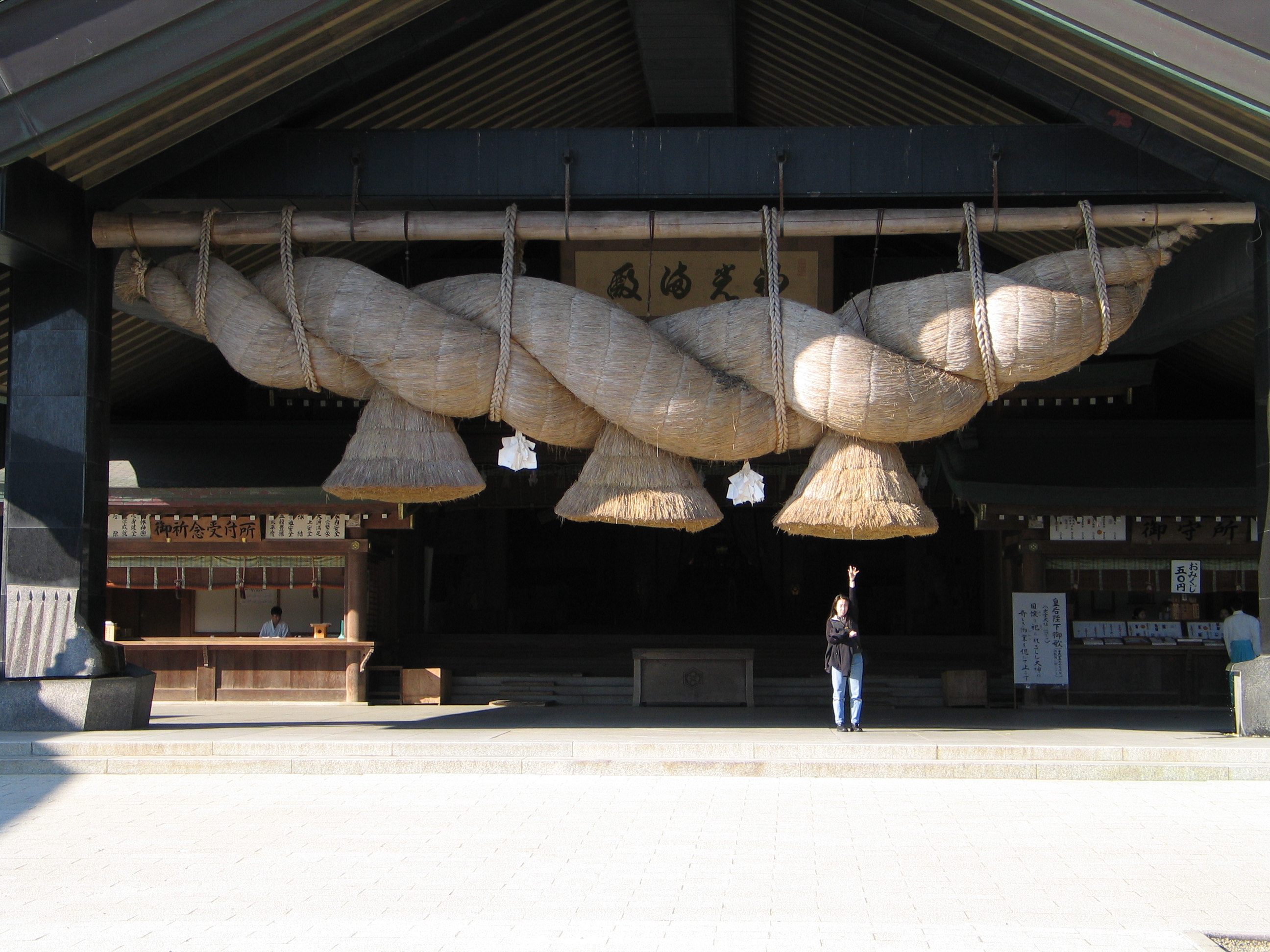
Izumo Taisha: Japan’s Grand Shrine of Matchmaking
8 min · destinations