
Hiroshima and Miyajima: A Thoughtful Group Day by Coach
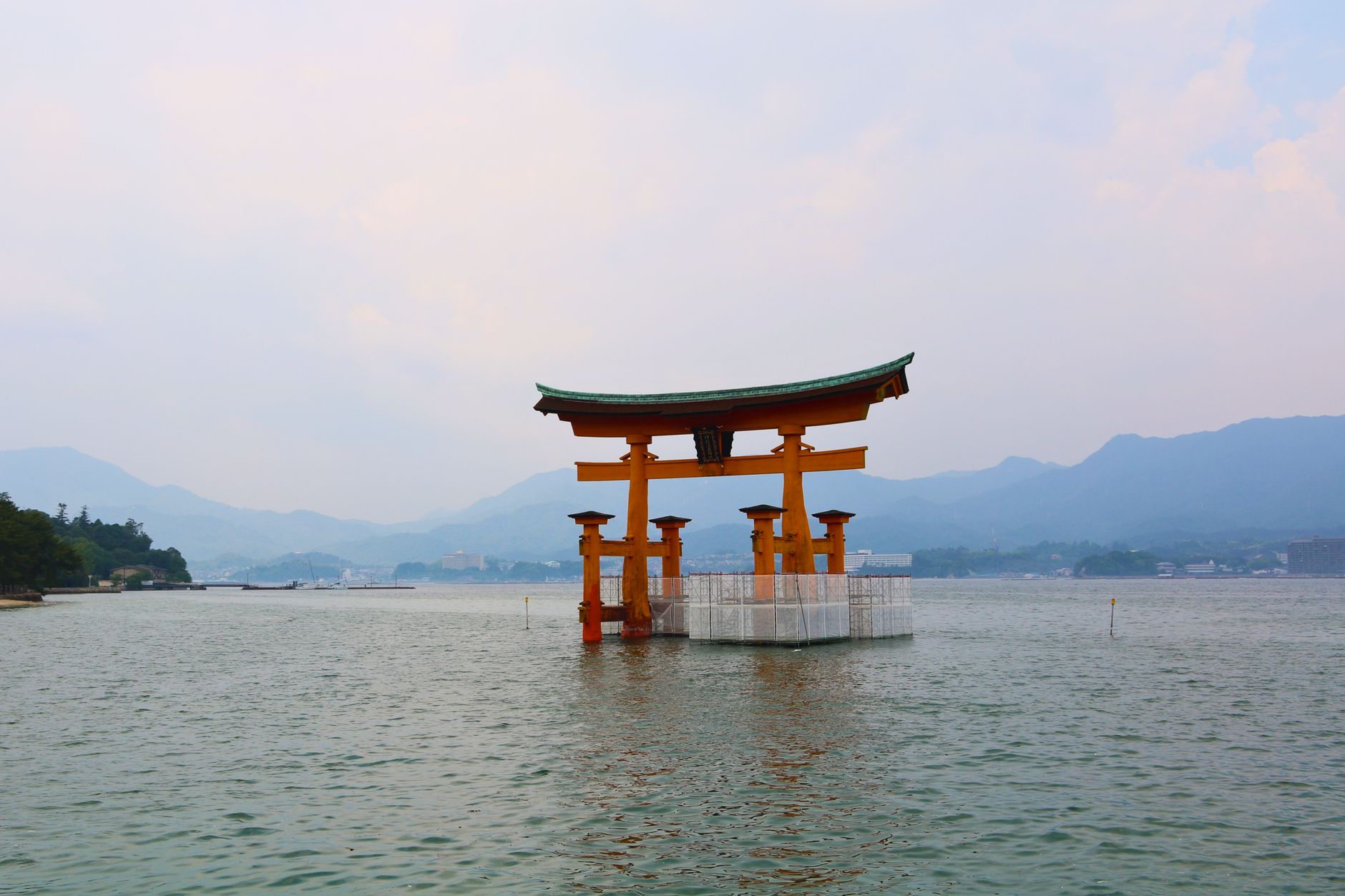
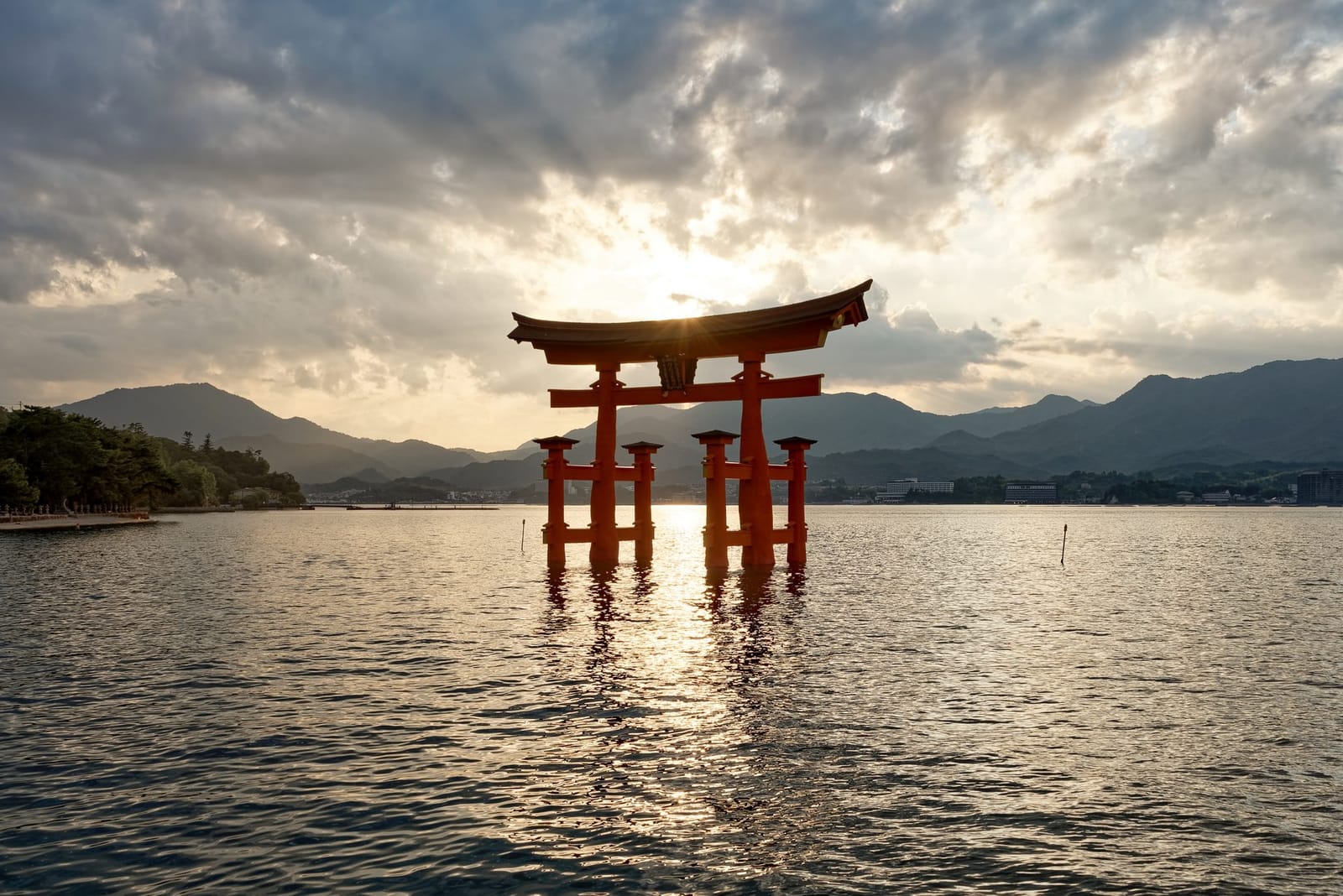
Plan a smooth Hiroshima and Miyajima day trip for your group, from Peace Memorial Park to Itsukushima Shrine and its famous floating gate.
Aug 21, 2026·✍️ olablog·⏱ 8 min read
Plan a smooth Hiroshima and Miyajima day trip for your group, from Peace Memorial Park to Itsukushima Shrine and its famous floating gate.
Tap a region to browse articles
Hiroshima and Miyajima in one meaningful day
Hiroshima and Miyajima are among the most memorable places to visit in western Japan. One tells a profound story of peace and recovery; the other offers sacred island scenery, forested mountains and the iconic torii gate of Itsukushima Shrine.
For a group, combining both destinations in one day is possible—but it works best with a carefully timed route. A 45–50-seat full-size coach gives everyone a comfortable base between stops, while a licensed Japanese operator helps manage city traffic, coach access, ferry timing and group logistics.
The ideal plan is not to rush through Hiroshima or treat Miyajima as a quick photo stop. Instead, allow time for reflection at the Peace Memorial Park, a proper visit to the museum if your group wishes, and a relaxed island walk planned around the tide.
Recommended one-day route
The exact schedule depends on your starting point, group size, ferry conditions and preferred pace. A typical route looks like this:
- Morning departure from your hotel or agreed pick-up location
- Hiroshima Peace Memorial Park
- Peace Memorial Museum, for groups that choose to visit
- Lunch in Hiroshima or on Miyajima
- Coach transfer to Miyajimaguchi
- Ferry crossing to Miyajima
- Itsukushima Shrine and the floating torii gate
- Free time for local food, shopping or a short scenic walk
- Return ferry and coach transfer to your accommodation
For groups staying in Hiroshima, the route is straightforward. If you are coming from another city, the driving time may make both destinations difficult to enjoy properly in a single day. In that case, your operator can review the departure point and recommend whether an overnight stay or a more focused itinerary would be more comfortable.
Morning: Hiroshima’s peace sites
Begin at Hiroshima Peace Memorial Park, where the atmosphere is quiet and reflective even when the city around it is lively. The park includes several important memorials, the Cenotaph for the A-bomb Victims, the Peace Flame and the Atomic Bomb Dome.
A visit here requires more than simply stopping for photographs. Give your group time to walk, read the displays and understand the setting. If you plan to enter the Peace Memorial Museum, allow additional time and consider arranging a meeting point outside. Large groups can naturally become separated inside the museum, especially when visitors move at different speeds.
A coach cannot drop passengers directly at every attraction. Your operator will use an appropriate coach parking or unloading area, after which the group continues on foot. Comfortable shoes are useful, and a guide or group leader should make sure everyone knows the meeting point before walking away from the coach.
Afternoon: Ferry to Miyajima
After Hiroshima, travel by coach to Miyajimaguchi, the main ferry port for Miyajima. The ferry crossing is short, but boarding can take longer for a large group during busy periods. Keep your group together and follow the operator’s instructions about where to gather before boarding.
The coach remains on the mainland. Miyajima is best explored on foot, with the ferry terminal, shopping streets and Itsukushima Shrine all connected by walkable routes. Deer are also commonly seen around the island, but visitors should avoid feeding them and keep paper items, maps and food securely stored.
Miyajima’s main sights are close enough for a comfortable half-day visit, although the island can feel busy around the shrine and shopping streets. Build in free time rather than trying to guide every minute. This gives travelers the opportunity to try local specialties, browse small shops or pause at a quiet viewpoint.
Timing your visit around the tide
The torii gate at Itsukushima Shrine is famous because it appears to float on the sea at high tide. At lower tide, the water retreats and visitors may be able to walk closer to the gate, depending on current conditions and local access rules.
Neither view is better for every traveler:
- High tide: best for the classic floating-gate scene and photographs with the shrine surrounded by water
- Low tide: offers a different perspective and may allow a closer approach on foot
- Changing tide: can create beautiful reflections and shifting views during your visit
Tide times change every day, so do not assume the gate will look the same at a fixed time each day. Check the tide forecast for your travel date and adjust the order of your Hiroshima and Miyajima visits when possible. Your operator can also help build a practical schedule around ferry departures and the time needed for your group to move together.
| Planning point | Hiroshima Peace sites | Miyajima and Itsukushima |
|---|---|---|
| Main experience | History, remembrance and peace education | Shrine architecture, island scenery and local culture |
| Best pace | Quiet, thoughtful walking with time for museum displays | Flexible walking, food stops and photography |
| Transport | Coach access followed by walking | Coach to Miyajimaguchi, then ferry and walking |
| Key timing issue | Museum and meeting-point coordination | Ferry boarding and daily tide conditions |
| Group tip | Set a clear regrouping location | Keep ferry tickets, headcounts and return time organized |
Making a 45–50-seat coach work well
A full-size coach is a practical choice for a large group, particularly when travelers are carrying luggage or arriving from different hotels. It keeps the group together and avoids the complexity of coordinating several taxis or rental cars.
However, a large coach needs more space and cannot always stop beside a landmark. Good planning matters:
- Confirm the pick-up and drop-off points with each hotel in advance.
- Share one meeting location for the Hiroshima portion and one for the ferry transfer.
- Allow time for the group to board and leave the coach safely.
- Keep a headcount before every departure.
- Tell travelers when they can expect access to the coach again.
- Plan for walking between coach areas, attractions and the ferry terminal.
- Bring a small day bag, since larger luggage is better left on the coach when permitted.
A licensed Japanese operator also understands local road conditions, designated parking areas and the practical limits of a full-size vehicle. This is especially valuable during weekends, public holidays, autumn foliage periods and spring travel, when Hiroshima and Miyajima can be particularly busy.
Charter budget guidance
A 45-seat coach is ¥99,000 for the 10-hour day (60 seats ¥129,000), plus expressway tolls and parking. The exact quote comes from the booking form after your itinerary and vehicle requirements are reviewed.
What to eat on Miyajima
Miyajima is known for local foods that are easy to enjoy during a walking visit. Look for grilled oysters, conger eel dishes and momiji manju, a maple-leaf-shaped sweet with a variety of fillings. Restaurants and food stalls can become busy, so large groups may prefer a reserved restaurant or staggered meal times.
If your group has dietary restrictions, communicate them before the trip. Japanese menus may use seafood, shellfish, meat-based stock or ingredients that are not immediately obvious. A group leader can help collect dietary details and share them with the restaurant in advance.
Best seasons for the route
This day trip works throughout the year, but each season changes the experience:
- Spring: pleasant walking weather and fresh greenery, with popular periods requiring extra planning
- Summer: bright scenery but heat and humidity, so schedule water breaks
- Autumn: colorful foliage around Miyajima and comfortable sightseeing conditions
- Winter: fewer leaves and shorter daylight, but a quieter atmosphere and crisp views
Rain does not necessarily ruin the route. Hiroshima’s Peace Memorial Museum and Miyajima’s shrine remain worthwhile in wet weather, although the stone paths can become slippery. Bring suitable footwear and keep some flexibility in the schedule.
Plan your Hiroshima group day
The strongest Hiroshima and Miyajima itinerary balances significance with breathing room: a respectful morning in Hiroshima, a well-timed ferry crossing, and enough time on Miyajima to experience the shrine, tide and island atmosphere without constantly checking the clock.
Request a free coach quote from OlaChill — share your group size, travel date and route, and the team will reply within 24h.
FAQ
Can we visit Hiroshima Peace Memorial Park and Miyajima in one day?
Yes, especially when traveling by private coach and starting from Hiroshima or a nearby area. The schedule should allow enough time for the peace sites, ferry transfer, tide conditions and walking on Miyajima.
Does the coach go onto Miyajima?
No. The coach takes your group to Miyajimaguchi, where you continue by ferry. The coach can wait or follow the agreed transport plan on the mainland.
Should we visit Itsukushima Shrine at high tide?
High tide is ideal if you want the torii gate to appear surrounded by water. Low tide offers a closer ground-level view when access is available. Check the tide forecast for your travel date before finalizing the route.
Is a 45–50-seat coach suitable for a large family or school group?
Yes. It is designed to keep a large group together and provide comfortable transport between Hiroshima and Miyajimaguchi. The itinerary should include clear meeting points and extra boarding time.
What should we bring?
Wear comfortable walking shoes, carry water and bring weather-appropriate clothing. A small day bag is more convenient than carrying large luggage through the ferry terminal and Miyajima’s busy streets.
More from this region — Chugoku & Shikoku
View all →
Iya Valley – Japan's Most Dramatic Hidden Gorge & the Kazurabashi Vine Bridge
6 min · tips
Izumo Taisha: Japan’s Grand Shrine of Matchmaking
8 min · destinations
Kimono in Ehime: Where to Wear It, Best Photo Spots and How to Plan the Day
8 min · culture
Kimono in Hiroshima: Where to Wear It, Best Photo Spots and How to Plan the Day
8 min · culture