
Kimono in Kochi: Where to Wear It, Best Photo Spots and How to Plan the Day
Kimono in Kochi: an original castle keep, the Sunday market, Katsurahama beach, Chikurinji's garden, Yosakoi dancers and the Shimanto River, with seasons and a day plan.
Sep 14, 2026·✍️ olablog·⏱ 8 min read
Kimono in Kochi: an original castle keep, the Sunday market, Katsurahama beach, Chikurinji's garden, Yosakoi dancers and the Shimanto River, with seasons and a day plan.
Tap a region to browse articles
Kochi is the wild side of Shikoku: the Pacific coast, a river with no dams, mountain villages, and a city that eats bonito seared over burning straw and drinks more than any other in Japan. It also has a castle keep that has stood since 1747, a 300-year-old street market every Sunday, and a summer dance festival whose costumes are half kimono and half stage outfit. It is not a polished kimono town like Kyoto, and that is why a kimono photograph here looks different from everyone else's.
Kochi Castle: the whole original set
Kochi Castle (高知城) is unusual even among the twelve surviving original castles: the keep, the main gate and the lord's residence all survive together, which happens nowhere else. The approach through the Otemon gate, the long stone stairways and the small garden below the keep are the kimono locations. Inside, the keep is wooden and steep, with the original lord's rooms on the ground floor. The castle sits in a park in the centre of the city, five minutes from the tram, and it is rarely crowded.
The Sunday market
Every Sunday since 1690, Otesuji street below the castle turns into a kilometre of stalls: vegetables, yuzu, knives, tempura, bonsai, old tools. The Kochi Sunday Market (日曜市) starts at dawn and runs to mid-afternoon. It is a working market, not a show, and older sellers will comment cheerfully on a kimono. The food is easy: fried sweet potato sticks, imo-ten, are the classic snack and do not drip. Hirome Market, a covered food hall nearby, is where you eat katsuo no tataki at a shared table and drink with strangers; sleeve clips are essential.
Katsurahama and Chikurinji
Katsurahama (桂浜) is the beach with the statue of Sakamoto Ryoma, the samurai reformer who is Kochi's local hero, looking out at the Pacific. The beach is a curve of grey pebbles between two headlands, with a small shrine on the rock at one end. Swimming is forbidden because of the currents; walking the sand in zori, with the waves and the pines behind, is the photograph.
Chikurinji (竹林寺), temple 31 of the pilgrimage, sits on Mt. Godaisan with a five-storied pagoda among cedars and a garden by a 14th-century designer. Next to it, the Makino Botanical Garden, named after the father of Japanese botany, has a greenhouse and paths that are pleasant in a kimono in spring and autumn.
Yosakoi and the Shimanto
The Yosakoi Festival (よさこい祭り), 9 to 12 August, is Kochi's answer to Tokushima's Awa Odori: about 18,000 dancers in teams, each with its own music and costume, carrying wooden naruko clappers. The costumes range from bright happi coats to modernised kimono with slit skirts, and the whole city becomes a stage. Spectators wear yukata.
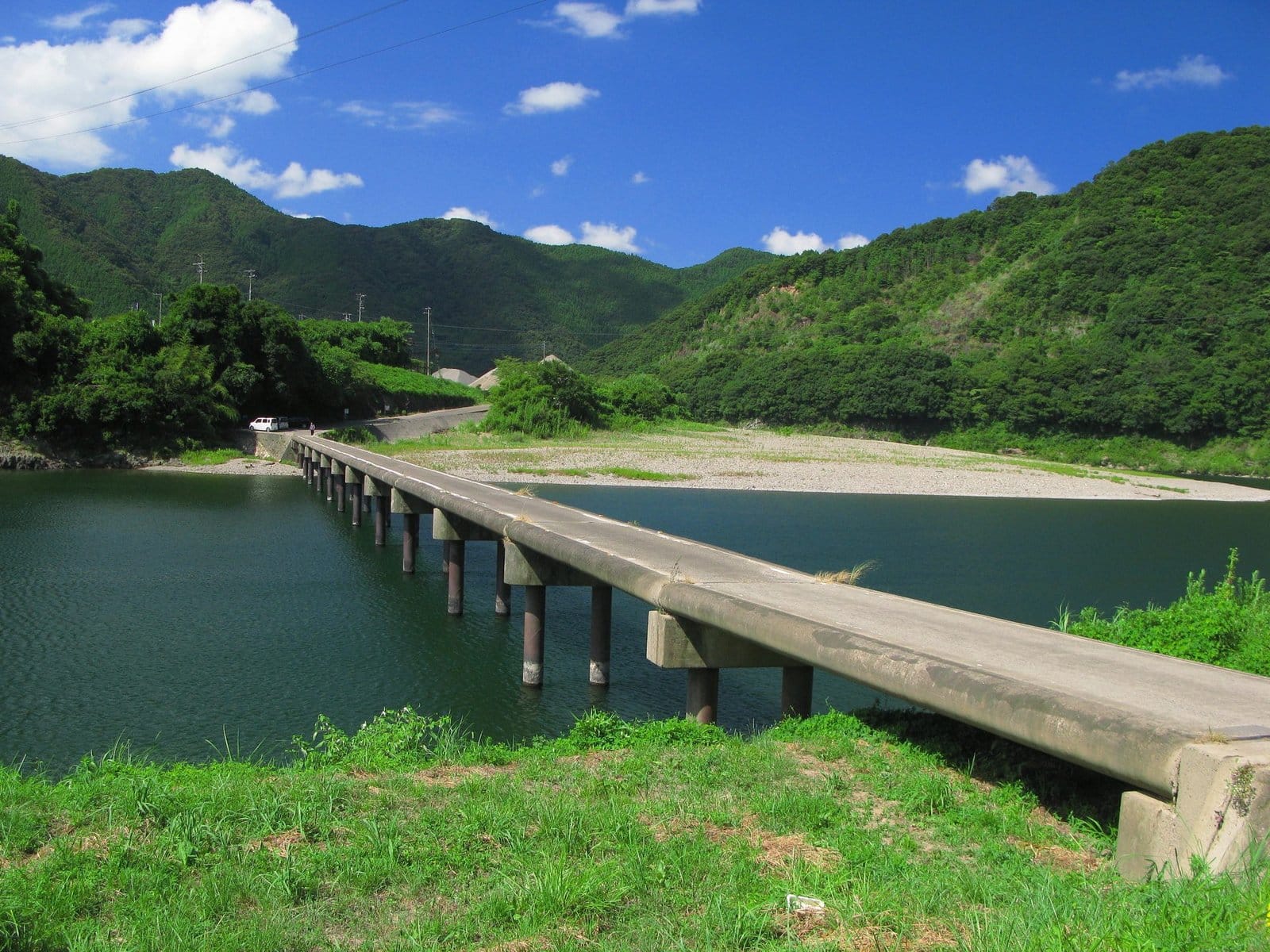
The Shimanto River (四万十川) in the west is the last major undammed river in Japan, crossed by low chinkabashi bridges built without railings so they survive floods. Standing on one in a kimono with the green water below is a strong photograph; the bridges are wide enough but have no edge, so do it on a still day.
Best kimono photo spots in Kochi
| Spot | Best time | Access | Crowd level |
|---|---|---|---|
| Kochi Castle (高知城), Otemon gate and stairways | Morning | Tram to Kochijo-mae | Low |
| Sunday Market, Otesuji (日曜市) | Sunday, 8:00 to 11:00 | Below the castle | Moderate |
| Harimaya Bridge (はりまや橋) | Any time; it is small, so go for the story | City centre tram junction | Low |
| Katsurahama beach (桂浜) | Late afternoon | Bus from Kochi Station, about 35 min | Low to moderate |
| Chikurinji pagoda and garden (竹林寺) | Morning; autumn foliage in late November | Bus to Godaisan, or taxi 15 min | Low |
| Yosakoi Festival stages | 9 to 12 August | City centre | Extremely high |
| Shimanto chinkabashi bridges (四万十川 沈下橋) | Morning, still weather | Car from Nakamura Station | Very low |
| Niyodo River (仁淀川) blue pools | Midday for the water colour | Car | Very low |
The Niyodo, nearer to the city than the Shimanto, has water so clear it has its own colour name, "Niyodo blue". The pools at Nikobuchi are a short walk from the road; the last steps are steep, so photograph from the top in a kimono.
Seasons
- Spring: early. Kochi's cherry blossom is among the first on the main islands, late March at the castle.
- Summer: hot, wet in June, then bright. Yosakoi in August; yukata and a fan. The rivers are the escape.
- Autumn: typhoon risk fades by October and the weather turns dry and warm. Chikurinji foliage in late November.
- Winter: the mildest on Shikoku. Clear skies over Katsurahama and a nearly empty Sunday market.
Plan your kimono day in Kochi
- Arrive on a Saturday. The Sunday market decides the timing. From Okayama, the Nanpu limited express takes about two and a half hours through the Oboke gorge.
- Sunday morning: market, then castle. Market from 8:00 while it is cool, castle by 10:00, lunch at Hirome Market.
- Afternoon: Chikurinji. Taxi to Godaisan, temple and garden, view over the city from the summit.
- Late afternoon: Katsurahama. Bus or taxi. Time it for the low sun on the water; back in the city for dinner.
- Day two, west. Car or the limited express to Nakamura for the Shimanto bridges, or a shorter trip to the Niyodo. Both are change-of-shoes days with kimono photographs at the bridges and the water.
- If it is August, forget all of this and wear yukata for four nights of Yosakoi.
Where OlaChill fits in
OlaChill's kimono rental shops are in Kyoto Kiyomizu and Tokyo Asakusa. There is no shop in Kochi.
Kochi is about three and a half hours from Kyoto via Okayama, at the far end of what a next-day return (¥1,100) at Kiyomizu can cover: a Kyoto afternoon, the night train-and-inn to Kochi, the castle and market on Sunday morning, and the return on Monday. It works for people whose route already goes this way. See the 14 plans; online booking is 10 percent cheaper than the counter, hair styling ¥1,500 and make-up ¥5,000.
The Shimanto and Niyodo are car country. A private car with driver from Kochi city for the day means the chinkabashi bridges, the blue pools and a riverside lunch without a timetable; ask us for a quote by route and hours.
FAQ
Is Kochi Castle easy to visit in a kimono? The approach and the plaza below the keep, yes: paved paths and wide stone stairs. Inside the keep the wooden stairs are steep; take sandals off and hold the rail, or photograph from outside.
Can I eat katsuo no tataki without ruining a kimono? Yes, with sleeve clips and a paper napkin on the lap. The dish is thick slices with salt or ponzu, garlic and onion; it is not saucy. Hirome Market provides small plates and you sit on stools.
When exactly is Yosakoi? 9 to 12 August every year, with the main competition on the 10th and 11th and a final showcase on the 12th. The Otesuji and Obiyamachi stages are the busiest; smaller stages in shopping arcades are easier to watch in yukata.
Are the chinkabashi bridges safe to walk on? They are used by cars and pedestrians daily and are stable, but they have no railings. Walk in the centre, do not stop on windy days, and step aside for vehicles, which drive slowly.
Is Katsurahama safe for walking in zori? The beach is pebbles, not sand, and firm underfoot. Stay above the wet line; the Pacific swell here is strong and the water is off limits.
Ready to plan it?
Kochi rewards people who like their Japan a little rougher. If Kyoto comes first, start the kimono at OlaChill Kiyomizu with next-day return, read our Shimanto River guide for the west, and book your kimono online.
More from this region — Chugoku & Shikoku
View all →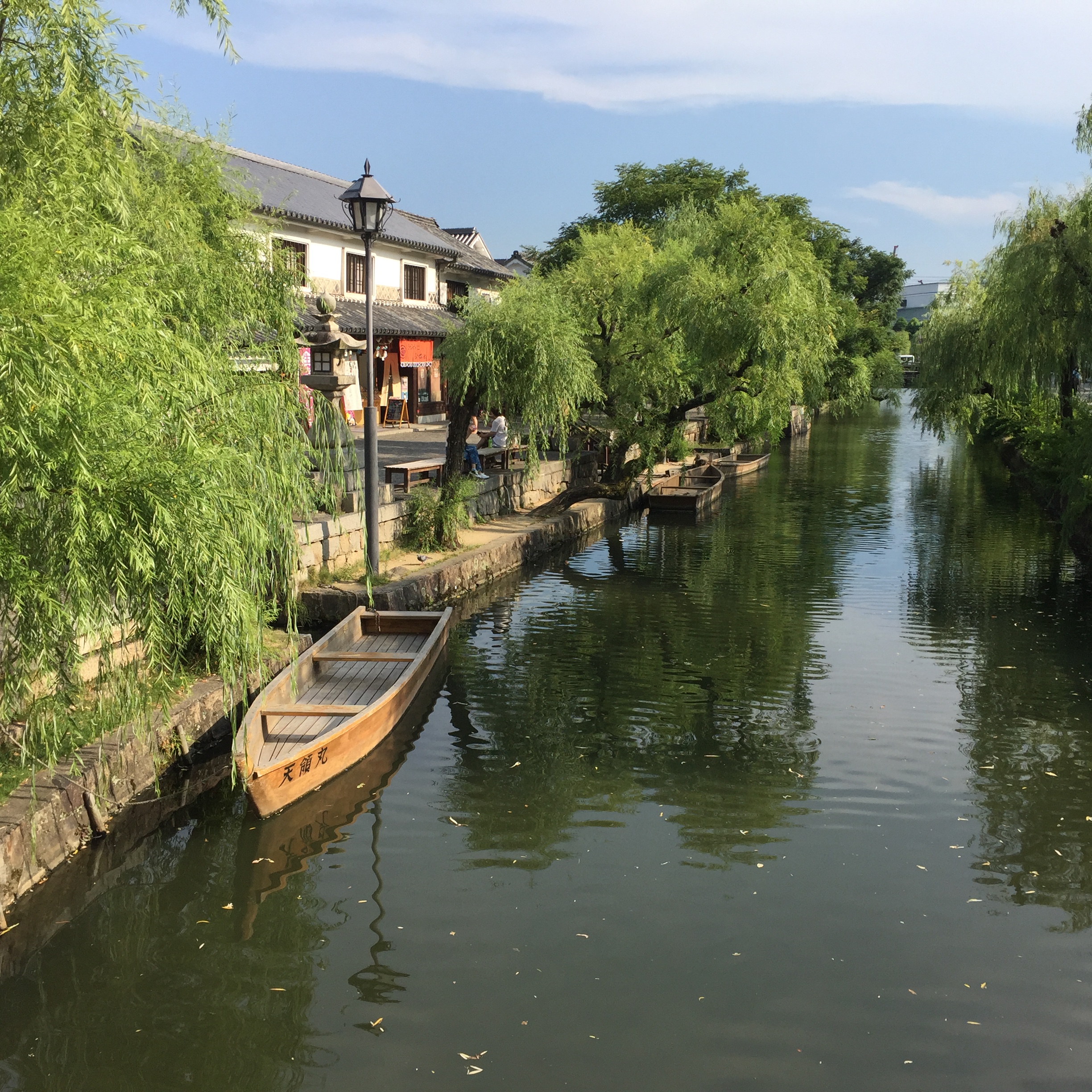
Kimono in Okayama: Where to Wear It, Best Photo Spots and How to Plan the Day
8 min · culture
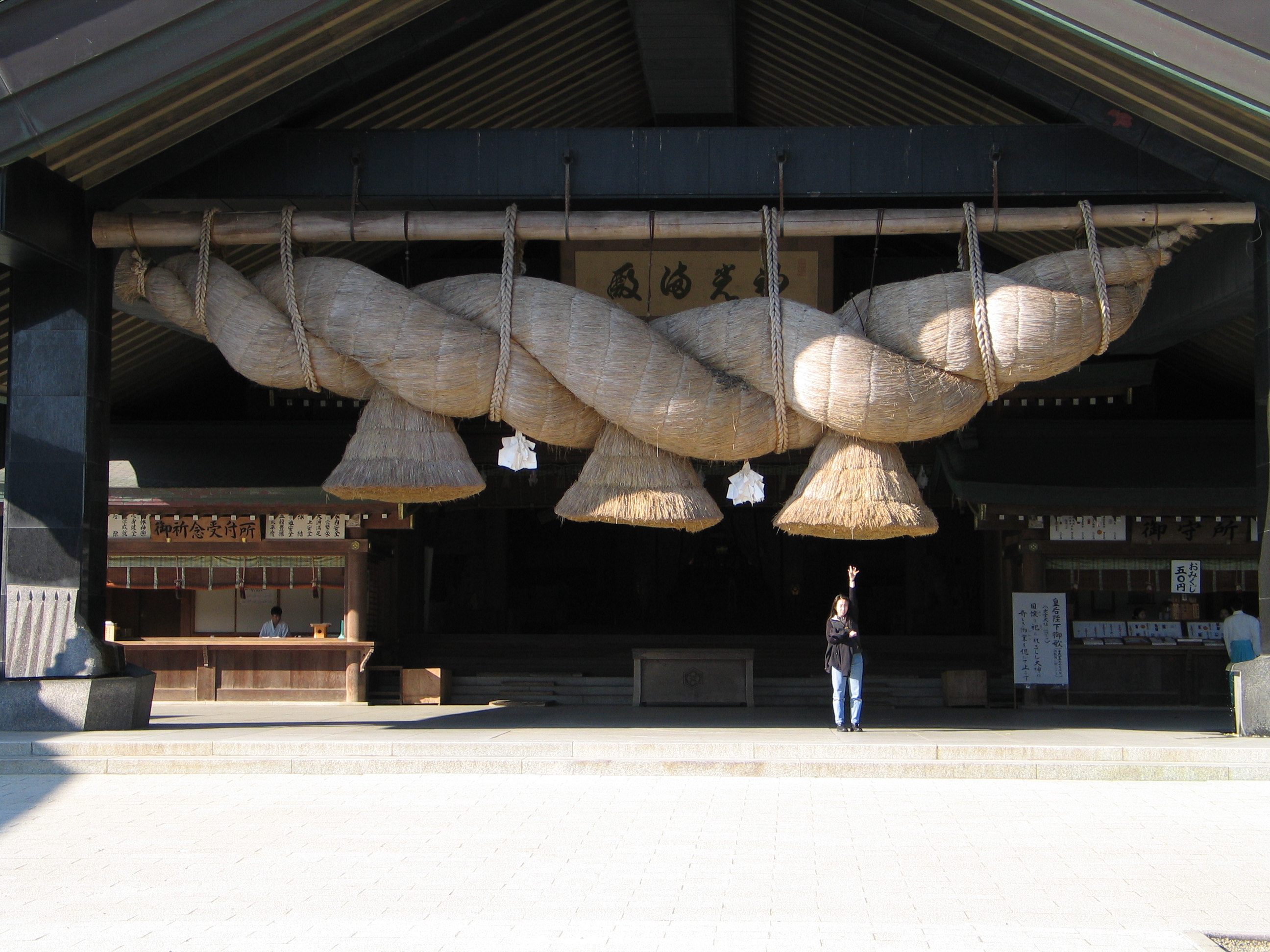
Kimono in Shimane: Where to Wear It, Best Photo Spots and How to Plan the Day
9 min · culture
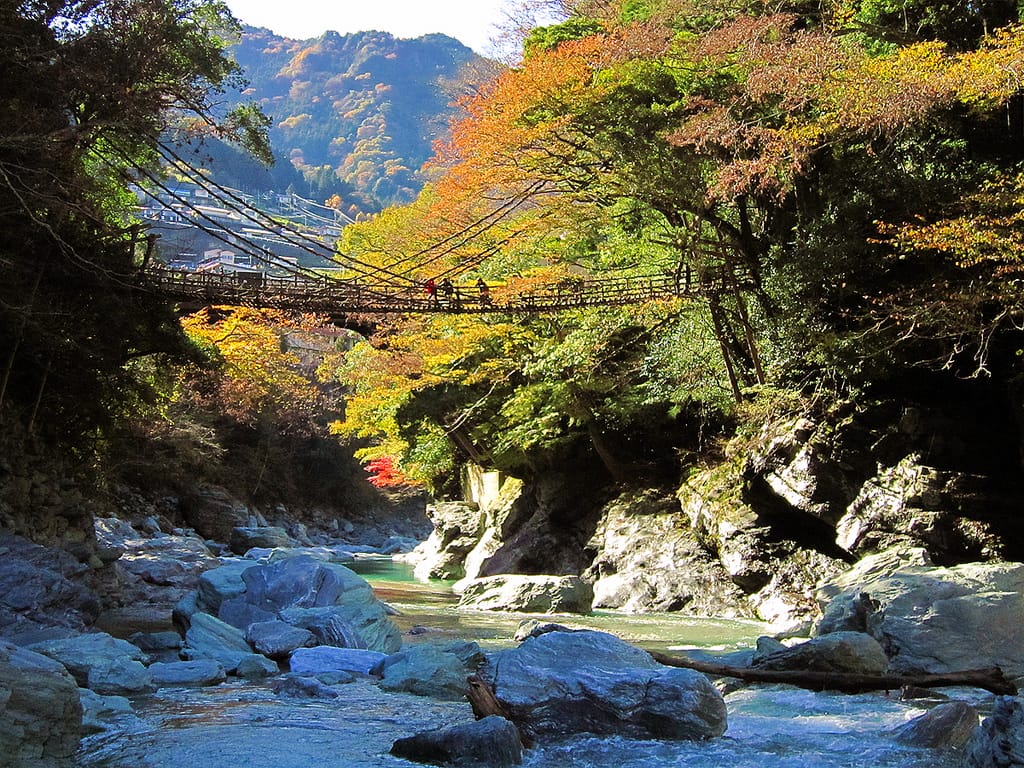
Kimono in Tokushima: Where to Wear It, Best Photo Spots and How to Plan the Day
8 min · culture
Kimono in Tottori: Where to Wear It, Best Photo Spots and How to Plan the Day
7 min · culture