Kimono in Tottori: Where to Wear It, Best Photo Spots and How to Plan the Day
Kimono in Tottori: the sand dunes at dawn, Kurayoshi's white-walled storehouses, Mitokusan, Utsubuki Park cherries, Daisen and Misasa Onsen, with train times from Kyoto and a day plan.
Sep 14, 2026·✍️ olablog·⏱ 7 min read
Kimono in Tottori: the sand dunes at dawn, Kurayoshi's white-walled storehouses, Mitokusan, Utsubuki Park cherries, Daisen and Misasa Onsen, with train times from Kyoto and a day plan.
Tap a region to browse articles
Tottori (鳥取県) is the least populated prefecture in Japan, on the Sea of Japan coast west of Kyoto, and it has a landscape no other prefecture can offer a kimono photograph: sixteen square kilometres of sand dunes running into the sea. Beyond the dunes are a castle town of white-plastered storehouses, a temple built into a cliff, a volcano called the Fuji of the west, and the oldest radon hot spring in the country.
This is a two-day kimono trip from OlaChill Kiyomizu, using the Super Hakuto limited express, and the emptiness is the reward.
Tottori's four settings
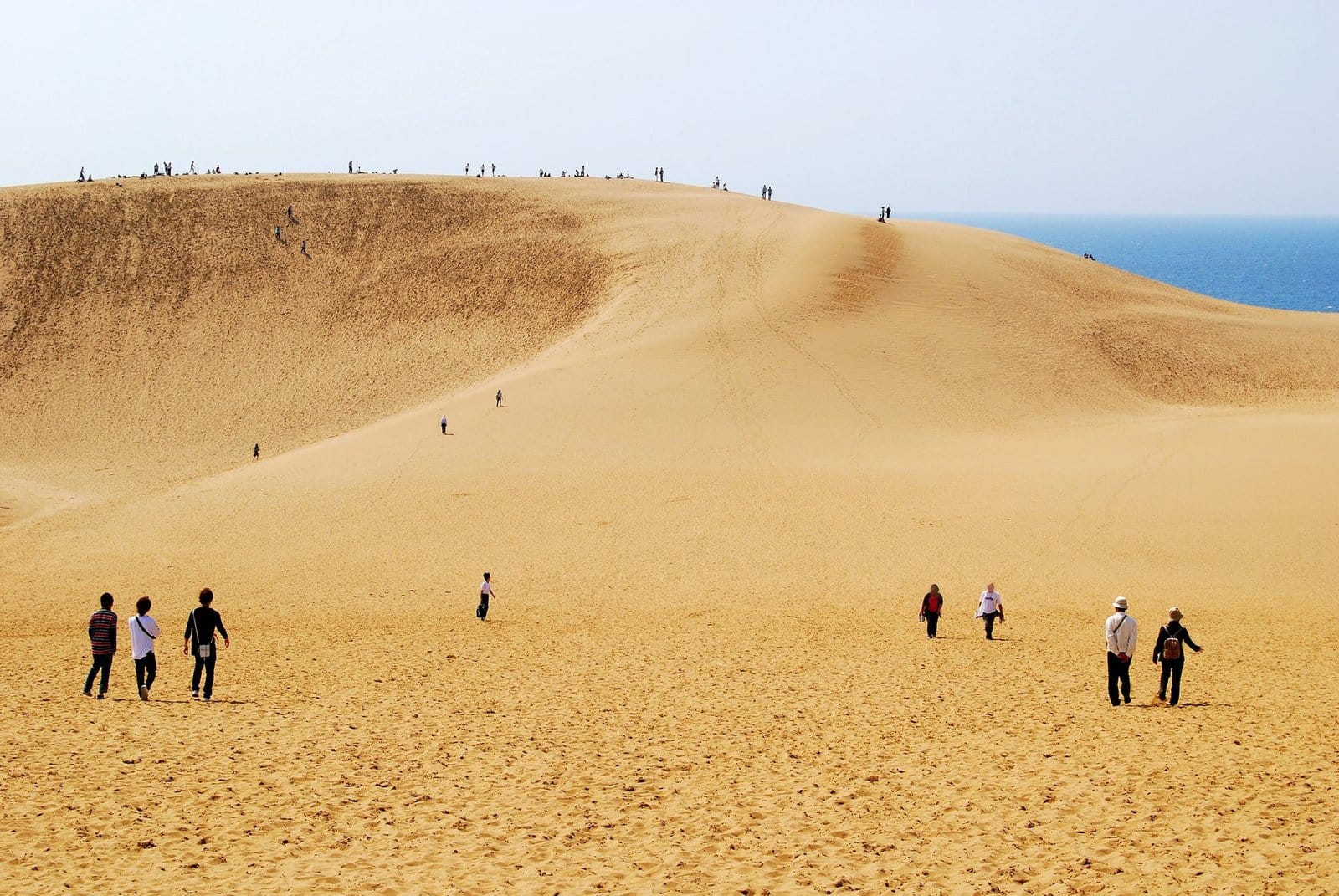
The Tottori Sand Dunes (鳥取砂丘): dunes up to 50 metres high, wind-ripple patterns at dawn, the sea beyond. A kimono on the ridge line at sunrise with nothing else in frame is a photograph you cannot take anywhere else in Japan.
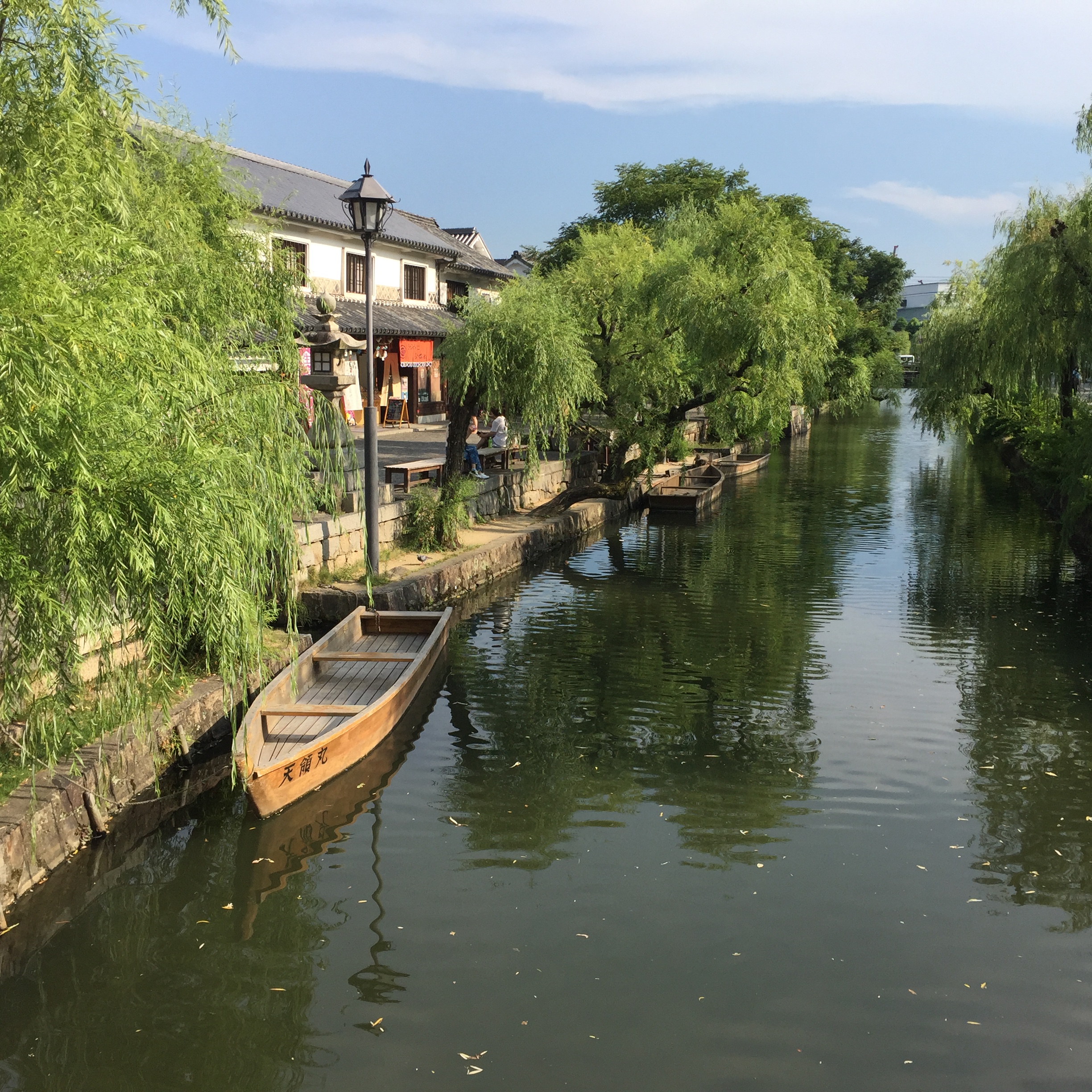
Kurayoshi (倉吉): the Shirakabe Dozogun district (白壁土蔵群), a row of white-walled, red-roofed Edo and Meiji storehouses along the Tamagawa stream, crossed by small stone bridges. Quiet, flat and photogenic. Utsubuki Park (打吹公園) above the town is one of the top hundred cherry sites in Japan.
Mitokusan Sanbutsu-ji (三徳山三佛寺): a temple whose inner hall, Nageiredo, is wedged into a cliff face 900 metres up. The climb is a chained scramble and absolutely not for kimono; the view of the hall from the road below is free and clear.
Daisen and Misasa Onsen (大山 三朝温泉): Daisen is the highest peak in the Chugoku region, with Daisen-ji temple and Ogamiyama Shrine's stone approach in beech forest on its slopes. Misasa is a hot-spring town on a river with a public open-air bath under a bridge; yukata is the street dress.
Best photo spots in Tottori for kimono
| Spot | Best time | Access | Crowd level |
|---|---|---|---|
| Tottori Sand Dunes ridge (鳥取砂丘) | Sunrise; after rain for ripples | Bus from Tottori Station, 20 min | Low at dawn; medium mid-day |
| The Sand Museum (砂の美術館) | Any time; annual sand sculpture theme | Next to the dunes | Medium |
| Kurayoshi Shirakabe Dozogun (倉吉 白壁土蔵群) | Morning | Bus from Kurayoshi Station, 12 min | Low |
| Utsubuki Park (打吹公園) | Early April cherries | 5 min walk above the storehouses | Medium in bloom |
| Mitokusan Sanbutsu-ji from the road (三徳山) | Morning | Bus from Kurayoshi, 40 min | Low; photograph from below only |
| Ogamiyama Shrine stone approach, Daisen (大神山神社 奥宮) | Late October beech colour; June green | Bus from Yonago, 50 min, then 15 min walk | Low |
| Misasa Onsen bridge and river baths (三朝温泉) | Dusk | Bus from Kurayoshi, 20 min | Low |
| Uradome Coast (浦富海岸) | Summer; boat tours | Bus from Iwami Station | Low |
| Jinpukaku mansion and Tottori Castle ruins (仁風閣) | Afternoon; early April cherry | Bus from Tottori Station, 10 min | Low |
| Mizuki Shigeru Road, Sakaiminato (水木しげるロード) | Afternoon | JR Sakaiminato | Medium |
Ogamiyama Shrine's approach is the longest natural stone path in Japan, 700 metres of uneven paving through beech forest. It is beautiful and slow; zori, small steps, and a hand on the wooden railings where they exist.
Seasons
- Early April: cherries at Utsubuki Park and around Tottori Castle's ruins. The dunes are cool and clear.
- May to June: green beech at Daisen, and the dunes at their least crowded before summer holidays.
- July to August: the coast is hot; the dunes in mid-day sun are dangerous in any dress. Dawn only, then Uradome's boats.
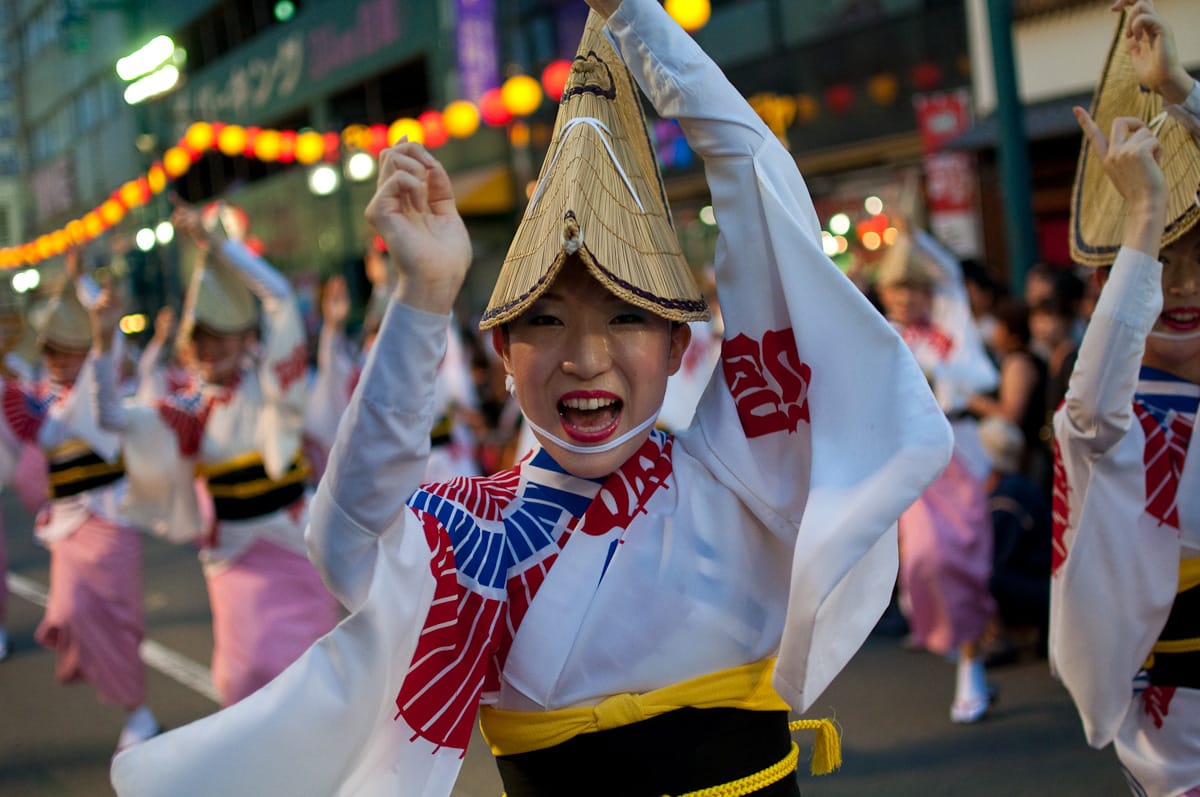
- Mid-August: Tottori Shan-shan Festival, thousands of dancers with umbrellas in the city centre, and yukata everywhere.
- Late October to November: Daisen's beech and maple, the best autumn colour in the San'in region.
- Winter: snow on the dunes, rare and worth the cold; Matsuba crab season on the coast.
Where the kimono comes from
OlaChill's shops are Kyoto Kiyomizu and Tokyo Asakusa. Tottori is a Kyoto start with the next-day return add-on (¥1,100) and usually one or two nights; confirm the return date with the shop when you book.
- Train: the Super Hakuto limited express runs from Kyoto Station direct to Tottori in about three hours, continuing to Kurayoshi in 30 minutes more. Dress at 9:00, on the 10:30 train, in Tottori by 13:30.
- From Tokyo: a flight from Haneda to Tottori airport takes about 75 minutes; the Asakusa shop is 45 minutes from Haneda. Feasible with the return date agreed.
- Private car: the dunes, Kurayoshi, Mitokusan and Misasa are spread over 60 kilometres with infrequent buses. A chauffeured car from Kyoto for two days is the comfortable way; quotes at Japan luxury car with driver.
Plans start at ¥4,000 for men's yukata and ¥4,500 for women's, ¥5,500 for the Komongi, ¥7,000 for the Kimono Ren, ¥12,000 for the Houmongi. Hair styling is ¥1,500, makeup ¥5,000, and booking online is 10% below the counter price.
Plan your kimono days: dunes and storehouses from Kyoto
- Three days before: book the plan and agree the return date; reserve Super Hakuto seats and a hotel by Tottori Station or an inn in Misasa.
- 09:00 Kiyomizu: dressing, 30 minutes. Zori, and a shawl for the coastal wind.
- 10:30 Kyoto Station: Super Hakuto, three hours. The train tilts on curves; keep the obi bow off the seat.
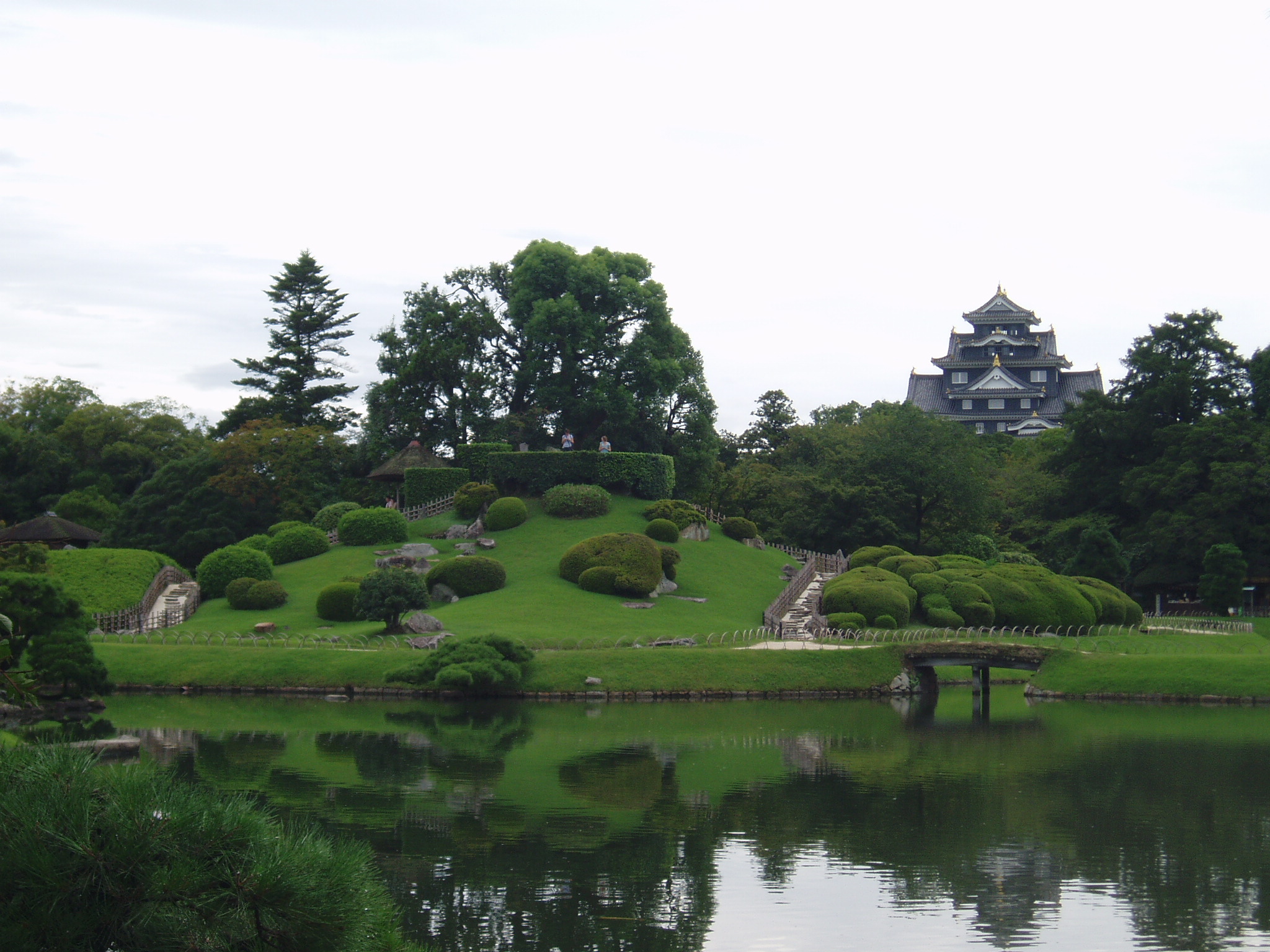
- 14:00 Jinpukaku and the castle ruins: the white Meiji mansion and the stone walls above the city. An hour.
- 16:00 the dunes for the golden hour: bus from the station. Walk the ridge, not the slope; sand in a rental hem is a cleaning charge.
- Next morning, 6:00: the dunes again at dawn if the sky is clear, then Super Hakuto to Kurayoshi for the storehouses and lunch.
- Afternoon: Misasa Onsen for a night, or the express back to Kyoto. Return the kimono on the agreed morning before 10:00.
Practical notes
- The dunes are steep on the sea side. Walk the flat crest and the "horse's back" ridge; the descent to the shore is for trainers.
- Sand gets into zori. Bring a small brush or ask the hotel for a cloth before re-entering the train.
- Kurayoshi's storehouse street is flat and stone-paved, the easiest kimono walking in the prefecture.
Related reading: Tottori Sand Dunes, a surreal desert coastline and, for the neighbouring prefecture, Izumo Taisha grand shrine guide.
FAQ
Is Tottori possible in a rented kimono without a car? Yes, with trains and buses, over two days: dunes and city on day one, Kurayoshi and Misasa on day two. Agree the return date with the shop.
Can I climb to Nageiredo in kimono? No. The route involves chains, roots and rock, and the temple checks footwear at the gate. See the hall from the roadside viewpoint.
How long is Kyoto to Tottori? About three hours on the Super Hakuto, direct from Kyoto Station via Osaka and Himeji.
Is Misasa Onsen a kimono town? It is a yukata town, like most onsen towns. Wear the rental kimono on the streets and bridges, then change into the inn's yukata for the baths.
When are the dunes empty? Before 8:00 any day, and on weekdays outside July and August. Dawn after rain gives the sharpest wind ripples.
Book the Kyoto start
Choose your plan on the OlaChill kimono rental page, agree the return date, and take the Super Hakuto to the only desert in Japan. For the two-day loop by car, ask at Japan luxury car.