
Tottori Sand Dunes – Japan's Most Surreal Desert Coastline
Your complete guide to the Tottori Sand Dunes in Tottori Prefecture – the best time to visit, how to get there, top photo spots, and a ready-to-use 1–2 day itinerary.
Feb 28, 2026·✍️ olablog·⏱ 5 min read
Your complete guide to the Tottori Sand Dunes in Tottori Prefecture – the best time to visit, how to get there, top photo spots, and a ready-to-use 1–2 day itinerary.
Tap a region to browse articles
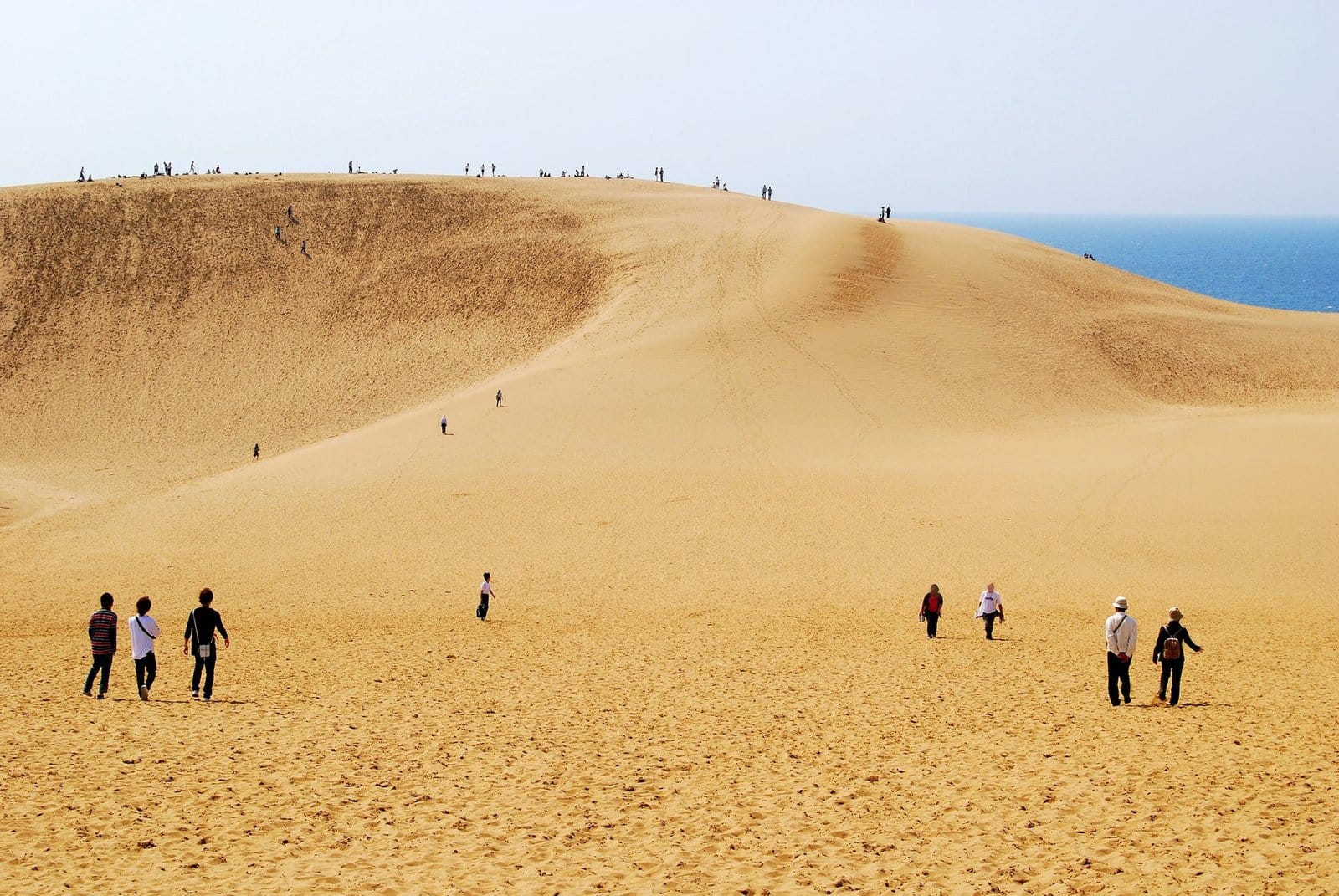
Japan has no shortage of jaw-dropping scenery, but the Tottori Sand Dunes in Tottori Prefecture belong in a category all their own. Picture rolling golden dunes meeting the Sea of Japan — no filters needed. A trip here isn't just another item ticked off a bucket list; it's the kind of place that makes you stop mid-stride, stare, and wonder why it took you this long to come.
1. What Makes the Tottori Sand Dunes So Special
The dunes stretch roughly 10 miles along the coast and rise up to about 165 feet — making them the largest sand dunes in Japan and a genuine geological oddity in a country better known for bullet trains and neon cityscapes. The landscape shifts by the hour: sharp shadows at dawn, blinding gold at midday, deep purples and pinks at sunset. No two visits look the same, which is exactly why photographers keep coming back.
The drive to the dunes is half the experience. The roads wind through mountain passes, skirt rice paddies, and hug the coastline — think Pacific Coast Highway energy, but quieter and with better vending machines. Travelers consistently say the journey itself feels like an adventure, not just a means to an end.
2. Top Photo Spots You Shouldn't Skip
The Tottori Sand Dunes area packs in far more photogenic corners than most visitors expect — from obvious overlooks to spots only locals know about:
The main observation deck: Sweeping 180-degree views across the full dune field. Sunrise and sunset here are genuinely world-class — set an alarm.
The old-growth tree tunnel: Century-old trees arch overhead to form a natural green canopy. Gorgeous in spring cherry-blossom season and even better in fall when the leaves turn amber and red.
The reflection pool: A nearby lake or river mirrors the dunes and sky like a giant natural mirror — the kind of symmetrical shot that breaks Instagram.
The ridge summit: Hike to the highest point in the area for a full panoramic view of the coastline and dune field stretching into the distance.
3. Best Time to Visit
Every season brings something different, but May and October are the sweet spots. Here's why:
- Most stable weather of the year — ideal for driving and spending long hours outdoors
- Peak seasonal scenery: fresh spring greenery in May, fiery foliage in October
- Golden-hour light is at its best 6–9 AM and 4–6 PM
- Crowds are manageable — busy enough to feel lively, not so packed you're queuing for dune space
Visiting in winter? Pack layers and prepare for dramatic snow-dusted dunes — genuinely stunning, but mountain roads can get icy. Spring (late March–April) and fall (mid-October–November) are both excellent alternatives if your dates are flexible.
4. The Best Way to Explore — Hit the Road
The honest truth: public transit to Tottori is limited, and the dunes and surrounding region reward flexibility above all else. Renting a car is the move. You set the pace, you pull over whenever something catches your eye, and you can reach the smaller viewpoints and coastal spots that buses simply don't serve.
Roads around the dunes are well-maintained with clear signage in both Japanese and romaji. Many coastal and mountain stretches include proper pull-offs and rest areas, so road-tripping here is genuinely relaxed rather than white-knuckle.
✨ Pro tip: Book a private car through OlaChill to explore the Tottori Sand Dunes entirely on your own schedule — driver-led or self-drive options available.
5. Sample 1–2 Day Itinerary
Day 1
- 6:00 AM – Head straight to the main observation deck to catch sunrise over the dunes in golden morning light
- 8:00 AM – Breakfast at a local restaurant — try Tottori's famous matsuba crab dishes if they're in season
- 9:30 AM – Drive the main scenic route, stopping at viewpoints along the way
- 12:00 PM – Lunch at a roadside restaurant or rest area
- 2:00 PM – Explore nearby side attractions: a historic village, waterfall, or coastal lake
- 5:00 PM – Check into your hotel or ryokan (traditional inn)
- 6:30 PM – Soak in the onsen (hot spring bath) if your inn has one, then dinner — a kaiseki multi-course meal is worth the splurge
Day 2
- 7:00 AM – Early breakfast and an early start to beat the crowds
- 8:30 AM – Take a lesser-known back road or seek out an off-the-radar viewpoint
- 11:00 AM – Shoot the reflection pool while the light is still soft
- 1:00 PM – Leisurely lunch and a chance to decompress
- 3:00 PM – Continue to your next destination or head back
6. Practical Travel Tips
- 📷 Golden hour is non-negotiable: The 30 minutes before and after sunrise/sunset deliver the best light — plan your day around it
- 🚗 Book your rental car early: Especially during peak season (May, October), availability gets tight — reserve at least 1–2 weeks ahead
- ⛽ Fill up before you head out: Gas stations are sparse in rural Tottori — don't assume there's one around the next bend
- 📱 Download offline maps: Save Google Maps for the Tottori area before you leave your hotel — cell coverage gets patchy in the mountains
- 🍙 Stock up at a convenience store: A 7-Eleven or FamilyMart onigiri and coffee setup is a perfectly legitimate road-trip breakfast (and lunch, honestly)
- ☁️ Check the forecast: Especially critical in winter and the rainy season — mountain road conditions can change quickly
More from this region — Chugoku & Shikoku
View all →
Adachi Museum: Where the Garden Is the Masterpiece
8 min · destinations

Anan Coast, Tokushima: Where Sea Turtles Nest by Moonlight
11 min · tips

Tokushima Awa Odori 2026 Complete Guide — August 12-15, Japan's Largest Bon Dance with 400 Years of History
7 min · events
Chartering a 45-Seat Bus in Hiroshima: A Complete Group Travel Guide
8 min · tips