
Adachi Museum: Where the Garden Is the Masterpiece
Discover Adachi Museum in Shimane, where award-winning Japanese gardens meet Yokoyama Taikan and modern Japanese art.
Aug 25, 2026·✍️ olablog·⏱ 8 min read
Discover Adachi Museum in Shimane, where award-winning Japanese gardens meet Yokoyama Taikan and modern Japanese art.
Tap a region to browse articles
A museum designed around a garden
In the small city of Yasugi, Shimane, the Adachi Museum of Art offers an unusual reversal of expectations. You may arrive expecting to spend most of your time inside, looking at paintings. Instead, the garden outside often becomes the main event.
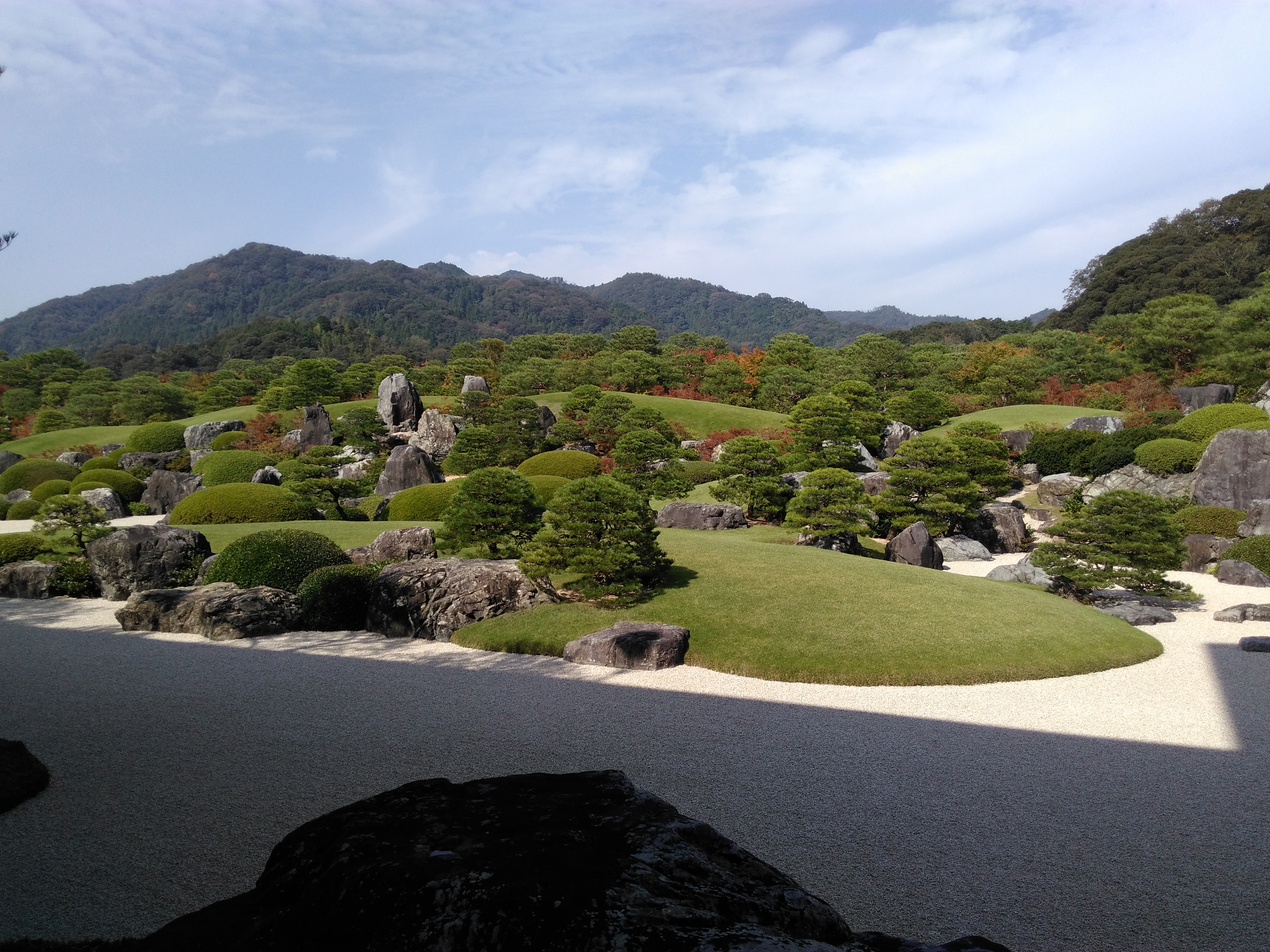
The museum’s Japanese garden has repeatedly been recognised as one of the finest in Japan by specialist garden publications. Its beauty comes not only from the planting and landscaping, but also from the way the garden is presented. You do not walk through it. You look at it from carefully chosen viewpoints inside the museum, where each scene is composed like a painting.
A pine tree, a sweep of moss, a waterfall and distant mountains may appear through a window in perfect balance. The result is often described as a living scroll painting or a living framed picture. As you move between rooms, the viewpoint changes and the garden becomes a sequence of changing compositions.
This makes Adachi Museum particularly rewarding for travellers who enjoy quiet, considered experiences rather than a checklist of famous sights. It is also an excellent stop on a San’in itinerary linking Matsue and Izumo.
What to see at Adachi Museum
The museum’s grounds are divided into several garden styles, including carefully maintained moss, gravel and pond gardens. Each has its own mood, but they share the same sense of precision. Nothing feels accidental: the placement of rocks, the shape of the trees and the open space between elements all contribute to the view.
The garden as a framed picture
Several interior windows function almost like picture frames. Sit for a while instead of simply passing through. The garden changes with the weather and light, and even a familiar view can feel different when clouds move across the sky or rain darkens the moss.
The museum’s design encourages this slow pace. Rather than following a path through the garden, you pause in galleries, corridors and viewing rooms. The landscape is always close, but it remains just out of reach, like a work of art protected behind glass.
This is one of the most distinctive aspects of the visit. Traditional Japanese gardens are often associated with strolling paths, bridges and teahouses. At Adachi Museum, the experience is more contemplative: the garden is something to observe, interpret and return to from different angles.
Yokoyama Taikan and modern Japanese painting
Inside, the museum holds an important collection of modern Japanese art, with a particular focus on Yokoyama Taikan, one of the most influential Japanese painters of the modern era. His works are known for their atmospheric landscapes, expressive use of ink and sensitive treatment of light and space.
The collection also includes works by other major Japanese artists. Depending on the exhibition programme, you may encounter paintings, ceramics and other forms of Japanese art. The displays change, so even repeat visitors can find a different emphasis on each visit.
The contrast between the galleries and the garden is part of the museum’s appeal. After studying a painting inspired by mountains, mist or seasonal scenery, you can look outside and see those same ideas expressed in a living landscape.
How to get there
The most convenient access point is Yasugi Station, on the JR San’in Main Line. A free museum shuttle bus connects the station with the Adachi Museum of Art. The journey takes roughly 20 minutes, though you should check the current timetable before travelling, as shuttle departures are coordinated with train arrivals and may vary.
From Matsue
Matsue is the most practical hub for many international visitors exploring eastern Shimane. From Matsue Station, take the JR San’in Main Line to Yasugi Station, then transfer to the museum’s free shuttle bus.
Allow roughly 1 hour from central Matsue to the museum, including the train journey and transfer. If you are visiting Matsue Castle or exploring the city in the morning, Adachi Museum works well as a half-day excursion.
From Izumo
From Izumo, travel by the JR San’in Main Line toward Yasugi, changing at Yasugi Station for the free shuttle bus. The journey is longer than from Matsue, but the museum can fit naturally into a wider route between Izumo and Matsue.
If you are travelling with luggage, check the shuttle arrangements in advance and plan your connection carefully. The museum is outside the main urban areas, so there are fewer alternative transport options if you miss the bus.
| Starting point | Main route | Suggested planning |
|---|---|---|
| Matsue | JR San’in Main Line to Yasugi, then the free museum shuttle bus | A convenient half-day trip from Matsue |
| Izumo | JR San’in Main Line to Yasugi, then the free museum shuttle bus | Best combined with an overnight or wider San’in route |
| Yasugi | Free Adachi Museum shuttle bus from Yasugi Station | Check the day’s departure timetable before setting out |
For current shuttle information, admission details, closures and exhibition schedules, check the official museum website before your visit. Exact transport connections can also change with seasonal timetables.
How much time should you allow?
Plan on 2 to 3 hours at the museum. This gives you enough time to enjoy the gardens at an unhurried pace, visit the main galleries and pause at the most striking viewing windows.
Photography rules may differ between the garden views and indoor exhibitions, so follow the signs in each area. Even if you are not especially interested in modern Japanese painting, it is worth allowing time for the collection: the artworks help explain the visual language of landscape, emptiness and seasonal change that also shapes the garden.
A short visit is possible, but rushing through would miss the museum’s central idea. Adachi is best experienced slowly, with time to sit and look.
The best seasons to visit
Every season offers a different version of the garden.
- Spring: Fresh green foliage and flowering plants bring a soft, lively quality to the views.
- Summer: Deep greens and carefully shaped pines create a rich, layered landscape.
- Autumn: Red and gold foliage adds colour and contrast, with particularly beautiful conditions from mid-November to early December.
- Winter: Snow can transform the garden into a restrained monochrome composition when conditions allow.
Autumn is often the most popular season, but winter has a special quietness and summer offers excellent garden structure. Rain should not necessarily put you off: wet stones, darker moss and misty mountains can make the framed views especially atmospheric.
Nearby places to combine with your visit
Adachi Museum is easiest to enjoy as part of a broader eastern Shimane itinerary rather than as an isolated destination.
Matsue Castle and the castle town
Matsue is one of Japan’s best places for experiencing a historic castle town. Visit Matsue Castle, walk along the surrounding waterways and explore the former samurai and merchant districts. The city makes an ideal base before or after your museum trip.
Lake Shinji
Lake Shinji lies beside Matsue and is known for broad sunset views. Its changing light provides a natural contrast to the controlled compositions of Adachi Museum. A lakeside walk or evening meal in Matsue can round out a day focused on landscape.
Izumo Taisha
Izumo Taisha is one of Japan’s most important Shinto shrines and a natural addition to a San’in journey. Its grand approach, sacred atmosphere and distinctive architectural details offer a strong contrast with both the museum’s art collection and its carefully enclosed garden.
For help planning a route through Shimane, explore OlaChill’s Japan destination hub for tickets and tours.
Practical tips for an independent visit
- Check the free shuttle bus timetable before leaving Yasugi Station.
- Allow extra time if you are making a same-day connection between Matsue and Izumo.
- Wear comfortable shoes, even though the garden itself is viewed rather than walked through.
- Visit the garden viewpoints more than once; changing light can alter the composition.
- Check the official site for current opening information, admission fees, exhibitions and temporary closures.
- Avoid scheduling the museum too tightly with another attraction. Its appeal depends on having time to pause.
FAQ
Is Adachi Museum mainly an art museum or a garden?
It is both, but the garden is often the highlight. The museum’s modern Japanese art collection, especially its Yokoyama Taikan works, is displayed alongside carefully framed views of the surrounding landscape.
Can I walk through the famous garden?
No. The principal gardens are designed to be viewed from inside the museum. This is what creates the distinctive “living scroll” and “living framed picture” experience.
How do I reach Adachi Museum without a car?
Take the JR San’in Main Line to Yasugi Station, then use the free Adachi Museum shuttle bus. Check the current timetable before travelling.
How long should I spend there?
Around 2 to 3 hours is a comfortable amount of time for the garden views and galleries. Add travel time from Matsue or Izumo when planning your day.
Can I visit Adachi Museum on a Matsue–Izumo trip?
Yes. It fits well into a San’in itinerary, particularly when travelling between Matsue and Izumo. Plan the train and shuttle connections carefully, since the museum is outside the main city centres.
More from this region — Chugoku & Shikoku
View all →
Anan Coast, Tokushima: Where Sea Turtles Nest by Moonlight
11 min · tips

Tokushima Awa Odori 2026 Complete Guide — August 12-15, Japan's Largest Bon Dance with 400 Years of History
7 min · events

Chartering a 45-Seat Bus in Hiroshima: A Complete Group Travel Guide
8 min · tips
Chugoku Travel Guide: Hiroshima, Miyajima, and Hidden Gems of Western Japan
9 min · destinations