
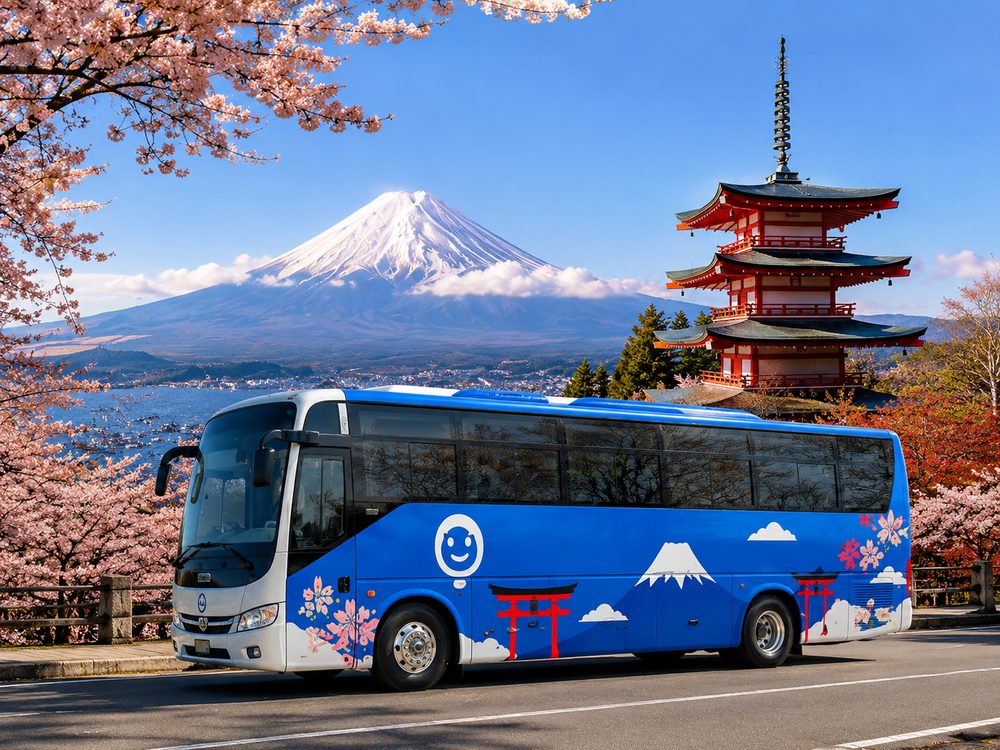
Chartering a 45-Seat Bus in Hiroshima: A Complete Group Travel Guide
Plan a smooth Hiroshima group trip with advice on pickup points, coach parking, popular routes, estimated costs, and peak-season booking.
Aug 21, 2026·✍️ olablog·⏱ 8 min read
Plan a smooth Hiroshima group trip with advice on pickup points, coach parking, popular routes, estimated costs, and peak-season booking.
Tap a region to browse articles
Why charter a full-size coach in Hiroshima?
Hiroshima is an easy city to explore independently, but larger groups quickly face practical challenges. Coordinating trains, local buses, taxis, and luggage for 30 or more travelers can take time away from the trip itself. A chartered 45–50-seat coach gives your group one meeting point, one itinerary, and a professional Japanese operator who understands local roads and regulations.
A full-size coach is particularly useful for:
- School, university, and sports groups
- Corporate trips and conferences
- Family reunions and multigenerational travel
- Cruise excursions and airport transfers
- Day trips to Miyajima, Iwakuni, or the Setouchi area
- Groups carrying suitcases, equipment, or mobility aids
Although a 45-seat bus can carry a large group, the best vehicle depends on your final passenger count and luggage volume. A 50-seat coach may be more comfortable when everyone has a suitcase, while a smaller vehicle can be easier to maneuver on narrow roads.
Central pickup points in Hiroshima
Hiroshima Station
Hiroshima Station is the most convenient starting point for many visitors arriving by Shinkansen. The area around the Shinkansen-guchi, also known as the north side, is a natural meeting point for groups staying near the station or transferring directly from the train.
Large coaches cannot always wait directly outside a hotel or station entrance. Pickup arrangements may involve a designated curb, a nearby bus lane, or a short walk from the station exit. Your operator should confirm the exact meeting location in advance, especially if your group has elderly travelers, children, or heavy luggage.
Hotels around Hatchobori and the city center
Many hotels are located around Hatchobori, Kamiyacho, Nagarekawa, and the Peace Memorial Park area. These districts are central and convenient, but their streets can be busy and narrow. Some properties have no space for a full-size coach to stop at the main entrance.
When booking, provide the hotel name, full address, and whether the group needs luggage loading. The operator can advise whether the coach can approach the property or whether everyone should meet at a wider nearby road.
Hiroshima Airport
For groups arriving or departing together, an airport transfer by charter coach can simplify the journey between Hiroshima Airport and the city. The airport is outside central Hiroshima, so group transport is often more convenient than arranging multiple taxis.
Allow extra time for baggage collection, immigration, and delays. Your booking details should include the flight number, arrival or departure time, and a group contact who can communicate with the driver.
Coach parking and access considerations
Hiroshima has designated areas for sightseeing buses, but parking availability and access rules can vary by location, time of day, and season. A coach may be able to drop off passengers near an attraction but need to wait or park elsewhere.
This is especially important around:
- Hiroshima Peace Memorial Park
- Hiroshima Castle
- Miyajima-guchi
- Downtown shopping and restaurant districts
- Popular hotels and event venues
Miyajima deserves particular attention. Full-size coaches do not drive onto Miyajima Island. Groups normally travel by ferry from Miyajima-guchi after the coach drops them at the mainland ferry area or parks nearby. Confirm the arrangement in advance so the driver knows whether to wait, return later, or continue with a separate itinerary.
At the Peace Memorial Park, a coach may need to use an approved bus area rather than stop directly beside the museum. Walking from the drop-off point is usually part of the visit. Your operator can help coordinate the order of drop-off, sightseeing, and re-boarding.
Never assume that a coach can remain parked outside an attraction while your group visits. Include parking and waiting requirements in the booking request, particularly for a full-day charter.
Popular full-day Hiroshima charter routes
A 10-hour charter is long enough for a substantial Hiroshima itinerary, although the ideal route depends on your group’s pace and interests.
| Route style | Typical highlights | Best for | Planning notes |
|---|---|---|---|
| Hiroshima city and Miyajima | Peace Memorial Park, Atomic Bomb Dome, Hiroshima Castle, Miyajima | First-time visitors | Allow time for the ferry and walking on Miyajima |
| Hiroshima and Iwakuni | Hiroshima city, Kintai-kyo Bridge, Iwakuni Castle area | Groups wanting history and scenery | Longer road travel means fewer city stops |
| Hiroshima and Onomichi | Peace sites, Onomichi streets, temple views, Seto Inland Sea scenery | Culture and photography groups | Hills and narrow streets may require walking |
| Hiroshima food and heritage day | City landmarks, local dining, brewery or cultural stops | Corporate and adult groups | Restaurant access and coach parking need advance checks |
Hiroshima city and Miyajima
This is the most requested combination for first-time travelers. Begin with the Peace Memorial Park and Museum, then continue toward Miyajima for Itsukushima Shrine, traditional streets, and views of the Seto Inland Sea.
The route requires careful timing because the Peace Memorial Museum can be busy and Miyajima involves a ferry crossing. Consider scheduling the island earlier or later in the day rather than arriving at the busiest period.
Hiroshima and Iwakuni
Iwakuni is a strong choice for groups that have already visited Hiroshima’s central memorial sites or want a scenic alternative. Kintai-kyo Bridge and the castle area provide a change of pace, with a mixture of architecture, history, and mountain scenery.
Because Iwakuni adds road time, this route works best when the group chooses a limited number of Hiroshima stops.
Hiroshima and Onomichi
Onomichi offers temple walks, hillside views, and a slower coastal atmosphere. It is appealing for groups interested in local neighborhoods rather than major attractions alone. However, the old streets and slopes are not suitable for a coach, so plan a drop-off point and expect to explore on foot.
Price for a 10-hour charter day
OlaChill's standard price for a 45-seat coach is ¥99,000 for a 10-hour day (29 seats ¥69,000, 60 seats ¥129,000), with extra hours at ¥15,000 each. Expressway tolls, parking, and the driver's meals and lodging on overnight trips are billed separately.
| Coach | Seats | 10-hour day |
|---|---|---|
| Medium bus | 29 | ¥69,000 |
| Large coach | 45 | ¥99,000 |
| Extra-large coach | 60 | ¥129,000 |
Your written quote lists tolls, parking and any extra hours for your actual route before you book.
How to book smoothly
Prepare the following information before requesting a quote:
- Travel date and preferred pickup time
- Number of passengers
- Luggage quantity and approximate size
- Pickup and final drop-off addresses
- Requested destinations
- Estimated time at each stop
- Whether the coach must wait during sightseeing
- Accessibility or child-seat requirements
- Flight, train, or ferry details if relevant
A realistic schedule is more valuable than an ambitious list of attractions. Full-size coaches need time to approach stops, load passengers, navigate city traffic, and reach legal parking areas. Build in flexibility around meals, ferry crossings, and museum visits.
For a free quote with a licensed Japanese operator, submit the OlaChill charter bus booking form; the team replies within 24 hours.
Tips for peak travel seasons
Hiroshima becomes especially busy during cherry blossom season, Golden Week, summer holidays, autumn foliage, major events, and the period from mid-November to early December. Demand for large coaches can rise quickly, while attraction parking and ferry areas become more crowded.
Keep these tips in mind:
- Book as early as possible for a 45–50-seat vehicle.
- Share a complete itinerary instead of adding stops later.
- Ask about coach access at every hotel and attraction.
- Avoid scheduling Miyajima, the Peace Memorial Museum, and a distant day trip too tightly.
- Confirm the meeting point with every traveler in writing.
- Appoint one group leader to communicate with the driver.
- Have a rainy-day alternative for outdoor stops.
- Leave room for traffic around the city center and ferry terminal.
On the day, gather the group before the agreed pickup time. A full-size coach cannot always wait in a busy curbside area, and late boarding can affect the rest of the schedule.
FAQ
Can a 45-seat coach go directly to Miyajima?
No. Coaches stay on the mainland, usually around Miyajima-guchi. Your group travels to the island by ferry, so the charter plan should include drop-off, parking or waiting arrangements, and the return meeting point.
Can the bus pick us up outside our Hiroshima hotel?
Sometimes, but not always. Busy streets, narrow entrances, traffic restrictions, and hotel access rules may prevent a full-size coach from stopping at the main entrance. The operator will confirm a suitable pickup point.
Is a 10-hour charter enough for Hiroshima and Miyajima?
It can be, provided the itinerary is organized carefully. Allow time for traffic, parking, walking, museum visits, and the ferry. Combining Hiroshima with a distant destination may require reducing the number of city stops.
Does the estimated price include tolls and parking?
Not necessarily. Tolls, parking, extra operating time, and other trip-specific costs may affect the final amount. Ask for a complete quote based on your exact route and schedule.
How far in advance should a large coach be reserved?
Earlier is better, especially during cherry blossom season, Golden Week, summer holidays, and autumn. Large coaches are limited, so early planning gives your group more choice of vehicle and departure time.
More from this region — Chugoku & Shikoku
View all →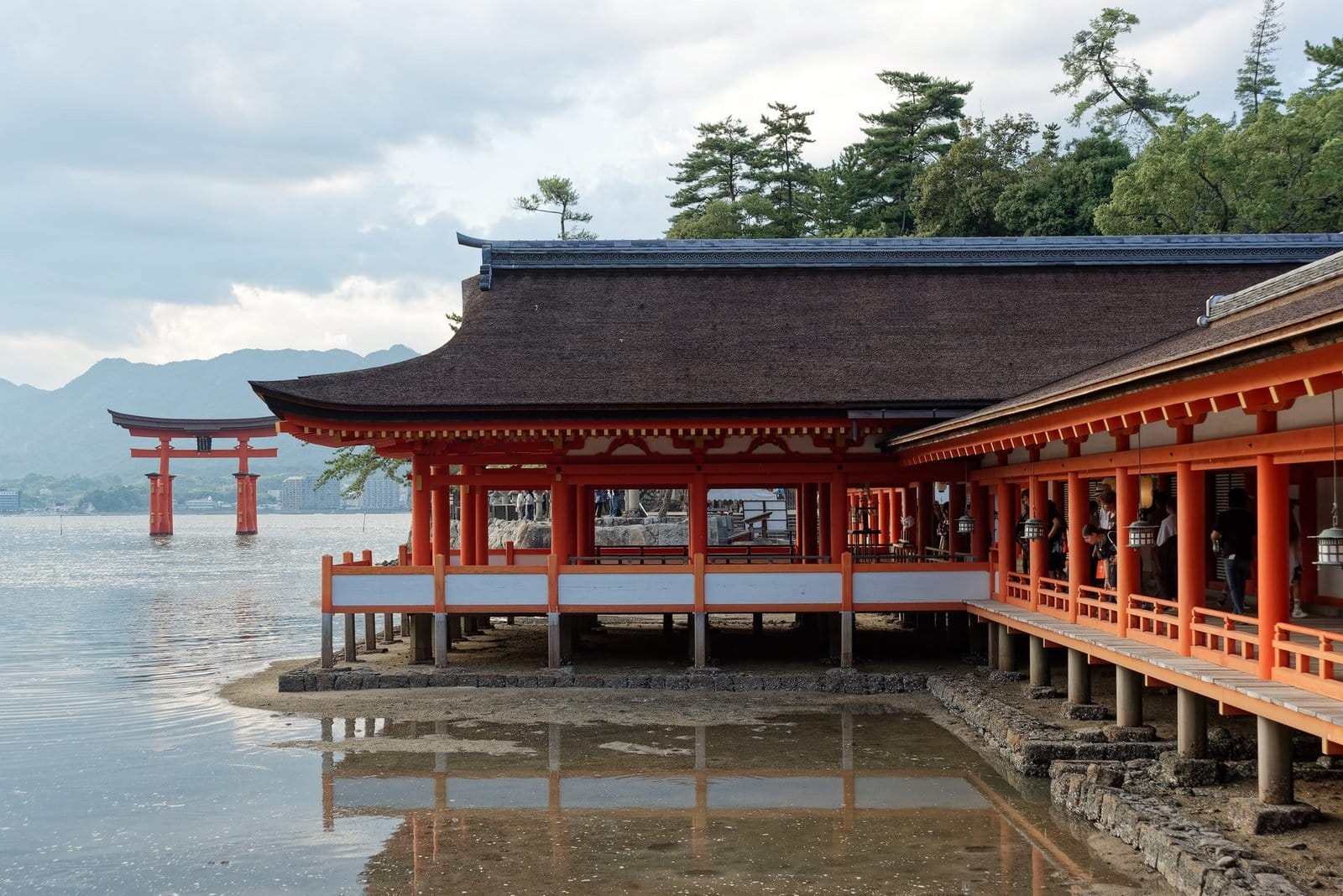
Chugoku Travel Guide: Hiroshima, Miyajima, and Hidden Gems of Western Japan
9 min · destinations
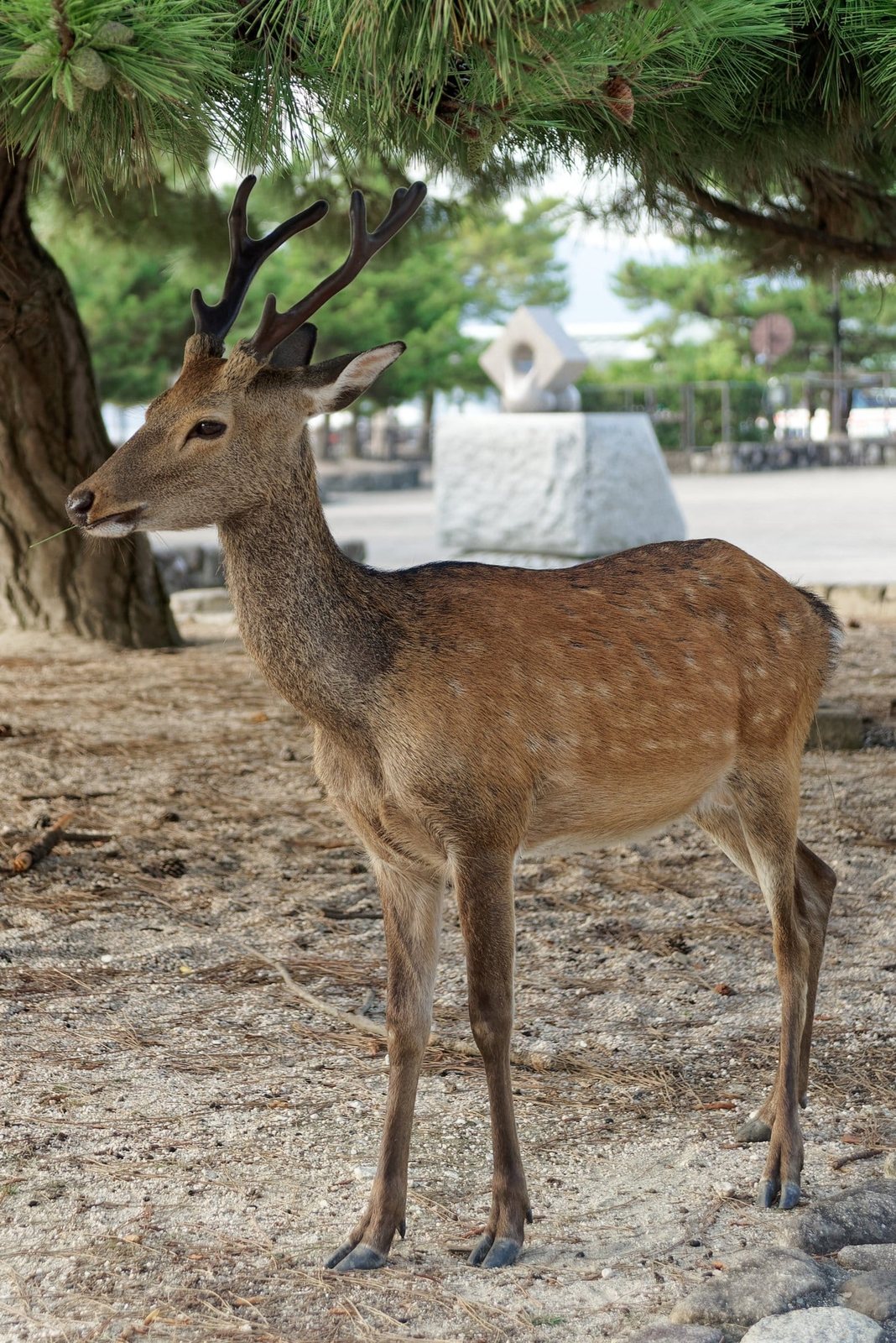
Hiroshima & Miyajima: The Most Moving Day Trip in Japan
20 min · destinations
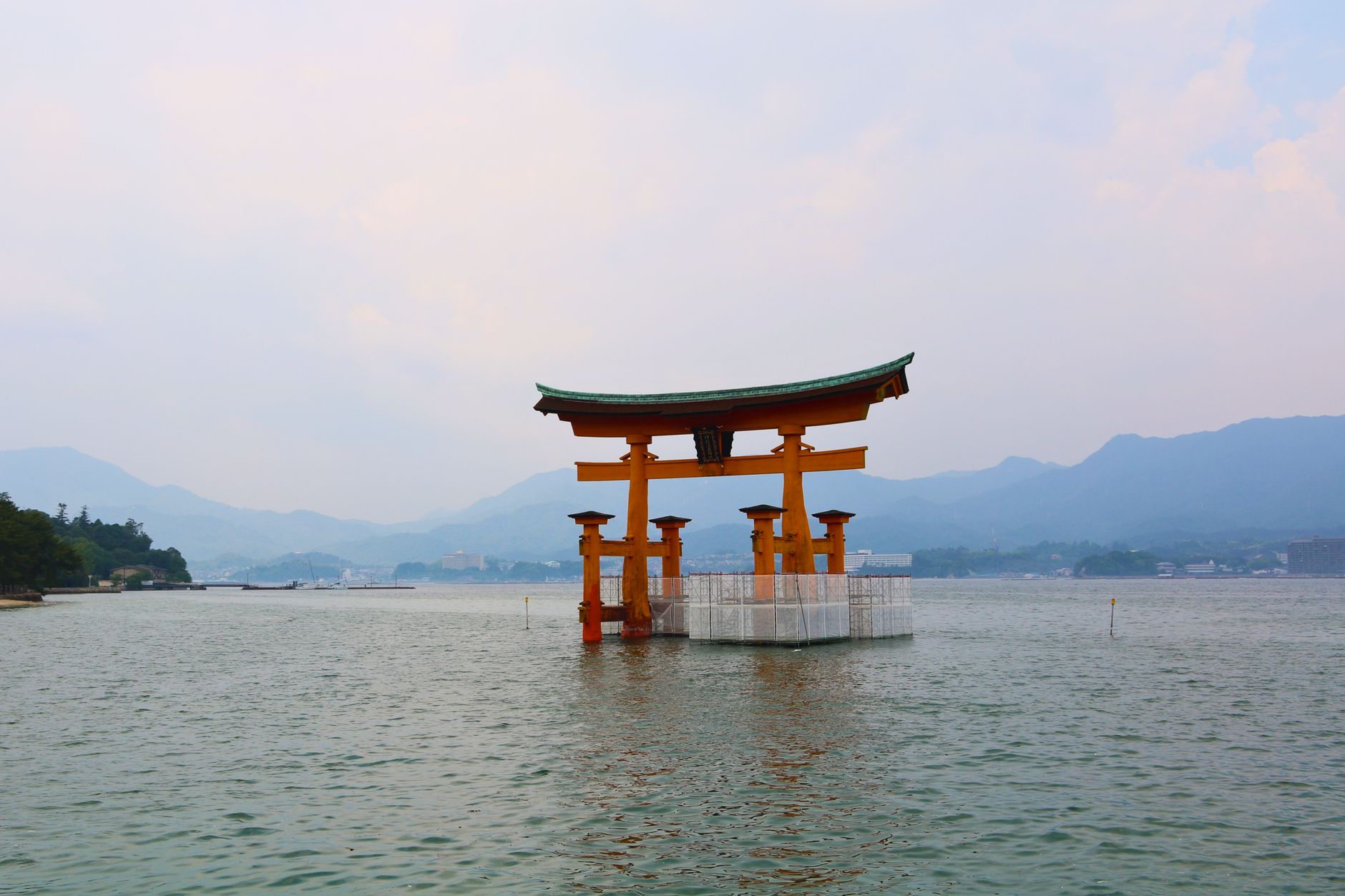
Hiroshima and Miyajima: A Thoughtful Group Day by Coach
8 min · tips
Iya Valley – Japan's Most Dramatic Hidden Gorge & the Kazurabashi Vine Bridge
6 min · tips