
Izumo Taisha: Japan’s Grand Shrine of Matchmaking
Discover Izumo Taisha in Shimane, the ancient shrine of Okuninushi, with its giant shimenawa, special prayers, soba and coastal day trips.
Aug 25, 2026·✍️ olablog·⏱ 8 min read
Discover Izumo Taisha in Shimane, the ancient shrine of Okuninushi, with its giant shimenawa, special prayers, soba and coastal day trips.
Tap a region to browse articles
Why visit Izumo Taisha?
In a country filled with beautiful shrines, Izumo Taisha stands apart. Set in the quiet countryside of Shimane, this is one of Japan’s oldest and most important Shinto shrines, with a deep connection to Okuninushi-no-Okami—a deity associated with relationships, harmony and the ties that connect people.
For this reason, Izumo Taisha is widely known as one of Japan’s great matchmaking shrines. “Matchmaking” here means more than finding a romantic partner. Visitors also pray for good relationships with family, friends, colleagues and the wider community.
The shrine’s history is closely linked to Japanese mythology and the ancient Izumo region, once considered a spiritual heartland. Its approach, sacred forests and imposing wooden buildings create a sense of scale and calm that feels very different from the busy urban shrines of Kyoto or Tokyo.
A visit is especially memorable in autumn. During the tenth month of the traditional lunar calendar, Japanese tradition says that deities from across the country gather at Izumo Taisha. While other parts of Japan may call this month Kannazuki—“the month without gods”—Izumo calls it Kamiarizuki, or “the month when the gods are present.”
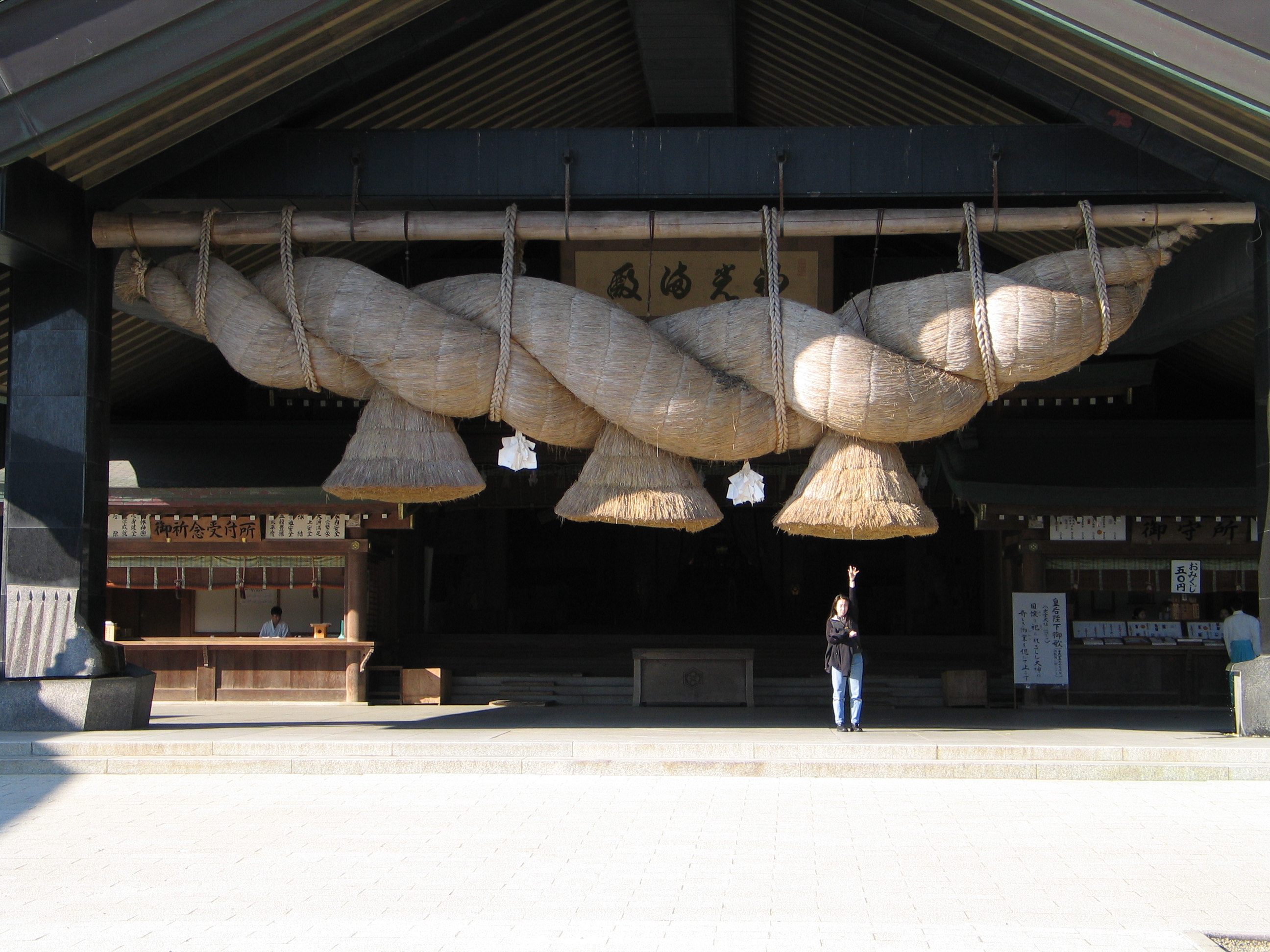
The giant shimenawa at Kagura-den
One of Izumo Taisha’s most recognisable sights is the enormous shimenawa hanging at the front of the Kagura-den, or sacred performance hall. A shimenawa is a thick sacred rope made from rice straw. It marks a place with a spiritual presence and separates the sacred from the ordinary world.
The rope at Kagura-den is particularly impressive, but it is worth remembering that this hall is not the shrine’s main worship hall. Continue exploring the grounds rather than stopping only for a photograph. The main sanctuary, auxiliary buildings and wooded paths reward a slower visit.
As with any Shinto shrine, begin by showing respect at the entrance. Bow once before passing through the torii, keep to the side of the approach where possible, and avoid walking directly through the centre, which is traditionally regarded as the path of the kami.
At the purification basin, rinse your hands and mouth before approaching the worship buildings. Follow the shrine’s local signs and instructions, as etiquette can vary slightly from one shrine to another.
Izumo Taisha’s distinctive prayer ritual
Most visitors to Shinto shrines know the familiar pattern of two bows, two claps and one bow. Izumo Taisha is different:
Two bows, four claps, one bow
At the worship area:
- Bow deeply twice.
- Clap four times.
- Place your hands together and offer your prayer.
- Finish with one more deep bow.
The extra pair of claps is one of Izumo Taisha’s distinctive customs. You may see visitors quietly making wishes for love, marriage and lasting connections, but there is no need to limit your prayer to romance.
If you buy an omamori charm or an ema wooden prayer plaque, follow the instructions at the shrine. Write your wish thoughtfully, and remember that a shrine visit is a personal act rather than a checklist of tourist experiences.
How much time should you allow?
Allow two to three hours for the main shrine grounds, the approach and a relaxed look around the surrounding shops. Add more time if you want to visit the nearby museum, enjoy lunch or continue to the coast.
Izumo Taisha is not a place to rush through between trains. The approach is broad and atmospheric, and the complex is large enough to reward an unhurried walk. Comfortable shoes are useful, especially if you plan to combine the shrine with Hinomisaki or other coastal viewpoints.
A full day works well for first-time visitors:
- Morning: travel from Matsue or Izumoshi and explore Izumo Taisha.
- Lunch: try local Izumo soba.
- Afternoon: visit a nearby museum or beach.
- Late afternoon: continue to Hinomisaki for the lighthouse and sunset.
Eating Izumo soba
One of Shimane’s signature foods is Izumo soba, served in distinctive round, stacked trays called warigo. Rather than one large bowl, the noodles arrive in three-tiered boxes. You pour the dipping sauce or toppings over each portion, then move on to the next tray, often adding leftover sauce as you go.
Izumo soba has a darker colour and a robust, earthy flavour because the buckwheat is traditionally ground with more of the husk. It is usually served cold, although warm preparations are also available.
Try it for lunch near the shrine or in central Izumo. Restaurants can be popular around meal times, so a little flexibility is helpful. Soba is also a practical choice for a day of sightseeing: filling, local and generally quick enough to fit into a busy itinerary.
Getting to Izumo Taisha
The two most convenient bases are Matsue, the capital of Shimane, and Izumoshi, the transport hub closest to the shrine.
| Starting point | Main route | What to know |
|---|---|---|
| Matsue | Ichibata Railway to Izumoshi, then the Ichibata Bus to Izumo Taisha | A scenic, straightforward option for travellers staying in Matsue; allow roughly 1.5 to 2 hours depending on connections |
| Izumoshi | Ichibata Bus from Izumoshi Station to the shrine area | Usually the simplest route after arriving by train; allow roughly 30 minutes, depending on traffic |
| Matsue or Izumoshi | Taxi or rental car | Convenient for combining the shrine with Hinomisaki and other coastal stops; confirm fares and road conditions locally |
From Matsue, take Ichibata Railway towards Izumoshi, then transfer to the Ichibata Bus for Izumo Taisha. From Izumoshi Station, the Ichibata Bus provides the direct public-transport connection to the shrine.
Travel times are approximate and connections may change. Check current train and bus information before setting out, especially if you are planning to catch sunset at the coast.
Best seasons to visit
Izumo Taisha is a year-round destination, but each season has a different character.
- Spring: Fresh greenery and comfortable walking weather make this a pleasant time for the shrine approach and nearby gardens.
- Summer: Longer daylight is useful for combining the shrine with the coast, although midday can be hot.
- Autumn: The changing leaves add colour to the grounds, and the traditional Kamiarizuki season gives Izumo special cultural significance.
- Winter: The atmosphere is quiet and contemplative. Weather on the San’in coast can be cold and wet, so check forecasts and dress warmly.
If you want to combine the shrine with a sunset at Hinomisaki, late spring through early autumn offers more daylight. For autumn colour, aim for the period when leaves are changing, which varies by year and location.
Nearby places to combine with your visit
Hinomisaki Lighthouse
Hinomisaki lies on the rugged coast west of Izumo Taisha. Its lighthouse is one of the area’s defining landmarks, and the surrounding cliffs and sea views make it an excellent final stop. Plan your route so you arrive in time for sunset, but check transport connections carefully if you are not driving.
Inasa Beach
Inasa Beach is a short distance from Izumo Taisha and is closely connected with local mythology. The distinctive rock offshore, Benten-jima, is topped by a small shrine and makes a striking coastal photograph. It is a good place for a quiet walk after visiting the main shrine grounds.
Shimane Museum of Ancient Izumo
Near the shrine, this museum provides useful context for the region’s early history, mythology and archaeological discoveries. It is a worthwhile addition if you want to understand why Izumo occupies such an important place in Japan’s cultural imagination. Check the official museum information for current opening days before visiting.
Plan your Izumo visit
Izumo Taisha is ideal for independent travellers who want to experience a major Japanese shrine beyond the country’s best-known city routes. Come for the spiritual atmosphere and matchmaking tradition, stay for the mythology, local soba and dramatic San’in coastline.
For help planning transport, activities and regional sightseeing, visit OlaChill’s Japan destination hub.
FAQ
Is Izumo Taisha only for people looking for love?
No. Okuninushi is associated with relationships and the bonds between people, so visitors pray for many kinds of good connections, including family, friendship and work relationships.
What is the correct way to pray at Izumo Taisha?
The shrine’s distinctive custom is two bows, four claps and one final bow, with your prayer made after the four claps. Follow any signs or guidance provided on the day.
Can I visit Izumo Taisha as a day trip from Matsue?
Yes. It is practical by Ichibata Railway and Ichibata Bus, although the journey takes time. A full day is preferable if you also want to eat Izumo soba and visit the coast.
What should I eat near the shrine?
Look for Izumo soba, traditionally served in three stacked round trays. It is one of Shimane’s best-known local specialities and an easy lunch during a shrine visit.
Is Hinomisaki easy to combine with Izumo Taisha?
It can be, particularly by car or taxi. Public transport requires more careful planning, so check the latest Ichibata Bus timetable if you want to finish the day at the lighthouse.
More from this region — Chugoku & Shikoku
View all →
Kimono in Ehime: Where to Wear It, Best Photo Spots and How to Plan the Day
8 min · culture
Kimono in Hiroshima: Where to Wear It, Best Photo Spots and How to Plan the Day
8 min · culture
Kimono in Kochi: Where to Wear It, Best Photo Spots and How to Plan the Day
8 min · culture
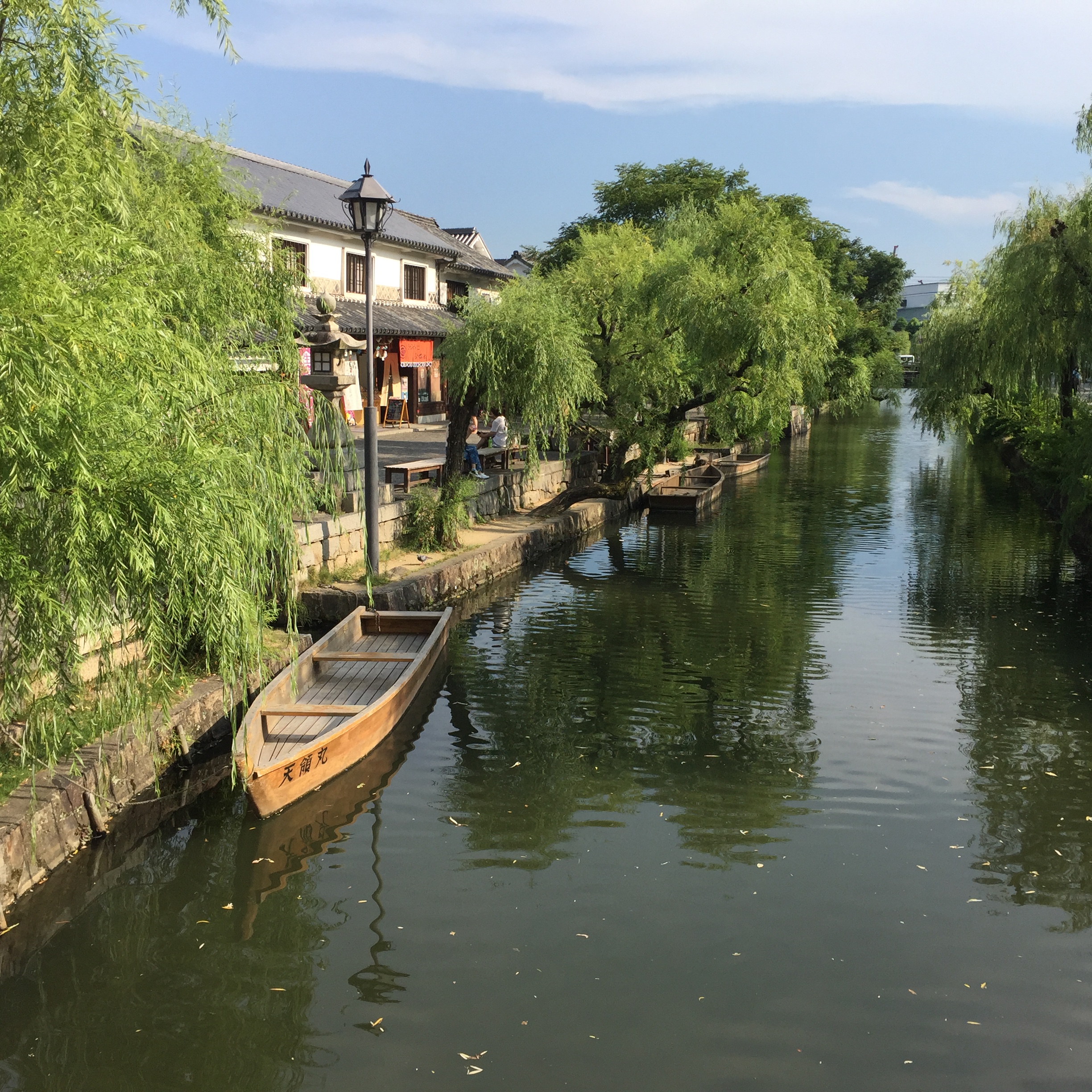
Kimono in Okayama: Where to Wear It, Best Photo Spots and How to Plan the Day
8 min · culture