
Kimono in Shimane: Where to Wear It, Best Photo Spots and How to Plan the Day
Kimono in Shimane, the land of Izumo Taisha and Matsue Castle: the best shrine, castle and lakeside photo spots, seasonal timing, access and a step-by-step plan.
Sep 14, 2026·✍️ olablog·⏱ 9 min read
Kimono in Shimane, the land of Izumo Taisha and Matsue Castle: the best shrine, castle and lakeside photo spots, seasonal timing, access and a step-by-step plan.
Tap a region to browse articles
Shimane is the quiet corner of Japan where the gods are said to gather once a year, and it rewards anyone willing to travel a little further than the Golden Route. It is also one of the most natural places in the country to wear a kimono: shrine forecourts, a black-and-white castle keep that survived four centuries, a samurai lane shaded by pines, and a hot-spring town where strolling in soft cotton after a bath is simply what people do.
This guide covers where a kimono makes sense in Shimane, when to go, how to get between the spots, and how OlaChill can fit into a longer trip that also passes through Kyoto or Tokyo.
Why Shimane and kimono belong together
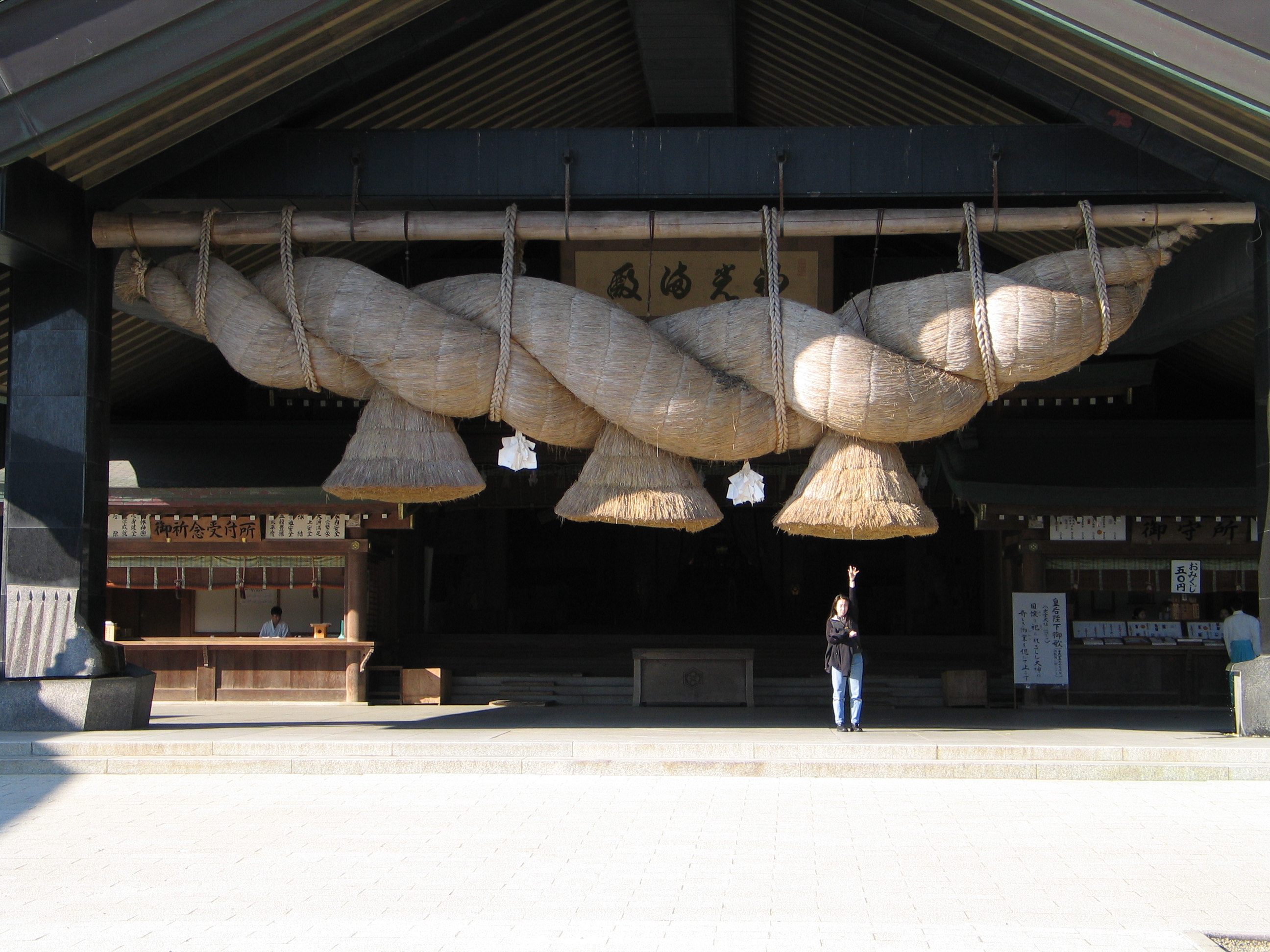
Izumo Taisha (出雲大社) is one of the oldest shrines in Japan and the spiritual home of en-musubi, the tying of good relationships. Japanese visitors often dress up for it, and a subdued kimono in an autumn or indigo tone looks completely at home under the great straw rope of the Kagura-den. The prayer etiquette is unusual here: bow twice, clap four times, bow once. Do it slowly in a kimono and it looks like you have practised for years.
Matsue (松江), the prefectural capital, is a water city built around a castle moat and Lake Shinji (宍道湖). The castle keep is one of only twelve original keeps left in Japan and a designated National Treasure. The tea culture here is real and old: Matsue is counted among the three great tea cities with Kyoto and Kanazawa, so a matcha and wagashi stop in a tatami room is part of the day, not a tourist add-on.
Then there is Tamatsukuri Onsen (玉造温泉), fifteen minutes from Matsue, where the whole river promenade was designed for people walking in yukata between baths. If you have ever wanted to wear traditional dress without feeling like the only one, this is the town.
Best kimono photo spots in Shimane
| Spot | Best time | Access | Crowd level |
|---|---|---|---|
| Izumo Taisha (出雲大社), Kagura-den and pine approach | Early morning, or late October during Kamiarizuki | Ichibata Line to Izumo Taisha-mae, 5 min on foot | Moderate; heavy on weekends and holidays |
| Matsue Castle (松江城) and the moat boat | Late afternoon light on the black keep | 10 min by bus from JR Matsue Station | Low to moderate |
| Shiomi Nawate (塩見縄手) samurai street | Any time, best in spring and autumn | Next to the castle, north moat | Low |
| Lake Shinji sunset point (宍道湖夕日スポット) | 30 min before sunset | 15 min walk from Matsue Station | Moderate at sunset only |
| Tamatsukuri Onsen river promenade | Evening, after a bath | 5 min by taxi from JR Tamatsukuri-Onsen Station | Low |
| Adachi Museum of Art garden (足立美術館) | Morning, first hour after opening | Free shuttle from JR Yasugi Station | Moderate; no photos of the garden from inside some rooms |
| Iwami Ginzan, Omori town (石見銀山 大森) | Morning, before the mine tours arrive | Bus from JR Odashi Station, about 30 min | Low |
| Tsuwano (津和野), Tonomachi carp canals | Spring for cherry blossom, early summer for irises | JR Yamaguchi Line to Tsuwano | Low |
A note on the Adachi Museum: the garden is viewed from inside the building and you cannot walk in it, so the kimono shots there are framed through windows. It is still worth it, because the garden has been ranked the best in Japan by a major garden journal for over twenty years running.
Seasons: what to wear and when
- Spring (late March to April): cherry trees line the Matsue castle moat and the Tsuwano canals. A pale kimono with a bright obi photographs well against grey castle stone.
- Summer (June to September): humid. Switch to yukata, and plan the shrine visits for early morning. Tamatsukuri's evening promenade is the reward.
- Autumn (October to November): the best season. Kamiarizuki, the "month when the gods are present", falls in the tenth lunar month, and Izumo Taisha holds ceremonies to welcome them. A kimono in persimmon, mustard or deep green matches the light.
- Winter (December to February): cold, wet, occasionally snowy on the San'in coast. A wool haori or shawl over the kimono is not optional. The upside is empty shrine paths.
Plan your kimono day in Shimane
- Base yourself in Matsue. It has the most hotels and sits between Izumo and the Adachi Museum. Two nights is comfortable.
- Morning, Izumo Taisha. Take the Ichibata Line from Matsue Shinjiko-Onsen Station; the ride itself is scenic along the lake. Arrive before 9:00 for empty pine avenues.
- Lunch, Izumo soba. The local style is warigo, three stacked red lacquer bowls. It is easy to eat neatly in a kimono because the portions are small.
- Afternoon, Matsue Castle and Shiomi Nawate. Climb the keep if you are in a kimono you can move in; otherwise photograph it from the moat boat, which passes under low bridges and lowers its roof.
- Sunset, Lake Shinji. The sunset viewing spot on the south shore faces Yomegashima, the small island with a torii. Locals treat this as a daily event.
- Evening, Tamatsukuri Onsen. If you are staying at an inn there, the inn's yukata is the correct outfit for the promenade, and nobody will look twice.
If you are driving the San'in coast, the Hinomisaki Lighthouse (日御碕灯台) and its shrine are 20 minutes from Izumo Taisha and give you white lighthouse, blue sea and a vermilion shrine in one small area.
Where OlaChill fits in
OlaChill runs two kimono rental shops: Tokyo Asakusa and Kyoto Kiyomizu. There is no OlaChill branch in Shimane, and we would rather say that plainly than pretend otherwise.
What works in practice:
- Kyoto to Shimane in one kimono. Matsue is about 2.5 hours from Okayama on the Yakumo limited express, and Okayama is an hour from Kyoto by Shinkansen. Rent at Kiyomizu, add the next-day return option (¥1,100), and you can wear the same kimono for a Kyoto evening and a Matsue morning. Check the 14 plans and online prices first; booking online takes 10 percent off.
- Private car with driver. For a group or family, a chauffeured car from Okayama or Hiroshima into Shimane removes the stress of rural bus timetables, and a kimono travels far better sitting in a car than standing on a local train. Ask for a quote with your dates; the price depends on route and hours.
- Hair and dressing. If you start the day at one of our shops, hair styling is ¥1,500 and make-up is ¥5,000, both booked at the counter.
For Shimane itself, the most honest advice is to lean on the onsen yukata culture at Tamatsukuri and to bring or rent your kimono before you arrive.
Etiquette notes for shrine photos
- Do not pose on the central line of the approach path; that line is for the deity. Step to one side.
- At Izumo Taisha, photography of the main hall interior is not allowed, and the inner sanctuary is closed to visitors anyway.
- Sandals off, tabi socks on, when entering any building with tatami. Wear tabi that are clean and white; you will be looking at them a lot.
- Keep the sleeves off the ground when you bow. Fold the left sleeve over your right arm before you lean forward.
FAQ
Can I rent a kimono directly in Matsue or Izumo? Small local rental services exist around Matsue and the Izumo Taisha approach, but availability changes with the season and many require Japanese-language booking. If a kimono is essential to your trip, arrange it in Kyoto or Tokyo before travelling, or plan around yukata at Tamatsukuri Onsen.
Is the walk from the station to Izumo Taisha manageable in a kimono? Yes. From Izumo Taisha-mae Station it is a flat five to eight minutes on a paved approach. The pine avenue inside the grounds is gravel; walk in short steps and you will be fine in zori sandals.
How cold does Shimane get in winter? Matsue averages around 4 to 5 degrees in January, with wind off the Sea of Japan. Layer a wool shawl and a haori, and choose the thicker lined kimono (awase) rather than an unlined one.
Which is better for kimono photos, Matsue Castle or Izumo Taisha? Izumo Taisha gives the more recognisable backdrop, especially the giant shimenawa rope at the Kagura-den. Matsue Castle gives softer, less crowded pictures and the moat boat. Do both; they are 40 minutes apart.
Is booking required for the Adachi Museum shuttle? No. The free shuttle runs from JR Yasugi Station roughly every hour and does not take reservations. Check the museum's timetable the night before, since it changes seasonally.
Ready to plan it?
Shimane is the kind of place where a kimono stops being a costume and becomes part of the scenery. If your route passes through Kyoto or Tokyo first, start at OlaChill Kiyomizu or OlaChill Asakusa, add the next-day return, and carry the look west. Read our Izumo Taisha guide and Matsue Castle and Lake Shinji for the ground-level details, and book your kimono online to lock in the online discount.
More from this region — Chugoku & Shikoku
View all →
Kimono in Tokushima: Where to Wear It, Best Photo Spots and How to Plan the Day
8 min · culture
Kimono in Tottori: Where to Wear It, Best Photo Spots and How to Plan the Day
7 min · culture
Kurashiki Bikan Quarter: Canals, Kura Houses and Japanese Denim
8 min · destinations
Awa Odori in Tokushima: How to Watch, Join the Dance and Plan
6 min · events