Kurashiki Bikan Quarter: Canals, Kura Houses and Japanese Denim
Explore Kurashiki’s willow-lined canal, white kura storehouses, the Ohara Museum, historic lanes and nearby Kojima denim.
Aug 25, 2026·✍️ olablog·⏱ 8 min read
Explore Kurashiki’s willow-lined canal, white kura storehouses, the Ohara Museum, historic lanes and nearby Kojima denim.
Tap a region to browse articles
Why visit Kurashiki’s Bikan Quarter?
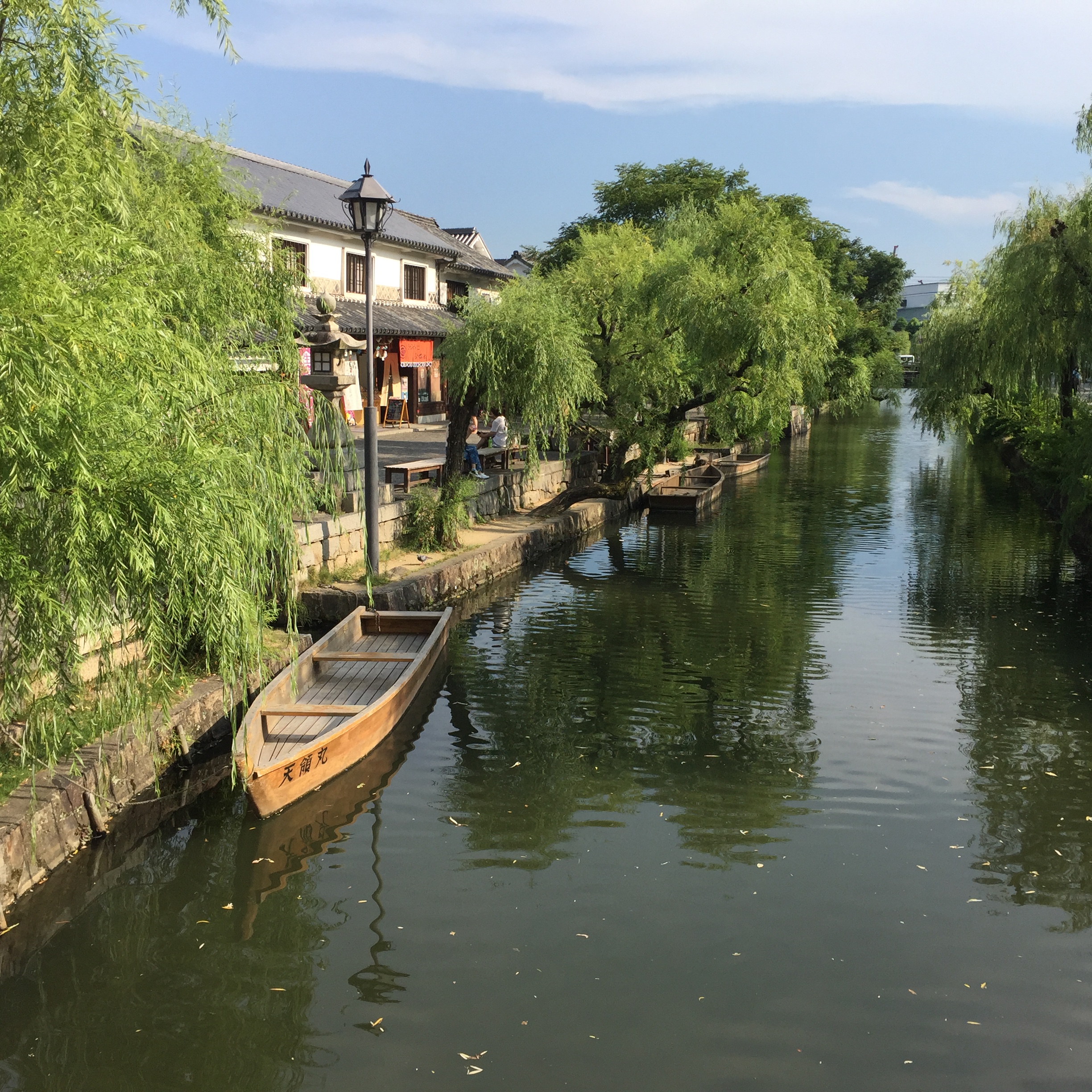
Kurashiki’s Bikan Historical Quarter is one of western Japan’s most atmospheric old-town districts. Along the canal, graceful willow trees trail over the water, white plaster storehouses stand in neat rows, and black-and-white kura buildings now house museums, cafés, craft shops and galleries.
The scene feels carefully preserved without being frozen in the past. You can take a traditional hand-rowed boat beneath the bridges, browse local ceramics in a former warehouse, pause for coffee in a renovated merchant house, and still find quiet lanes where residents go about their daily lives.
Kurashiki is also an excellent stop for travelers interested in Japanese design. The nearby Kojima district is famous for premium Japanese denim, making it possible to combine historic architecture with some of the country’s most respected jeans and workwear brands.
Allow at least half a day for the Bikan Quarter. A full day is more comfortable if you want to visit a museum, enjoy lunch, browse the backstreets and continue to Kojima.
Getting to Kurashiki from Okayama
Okayama is the nearest major hub and an easy base for exploring the Setouchi region. From Okayama Station, take the JR Sanyo Main Line or JR Hakubi Line to Kurashiki Station. The journey is roughly 15–20 minutes, depending on the service.
Kurashiki Station is about a 15-minute walk from the Bikan Quarter. Follow the main shopping street toward the old town; the route is straightforward and gives you a glimpse of modern Kurashiki before the kura buildings begin.
Travelers arriving from other parts of Japan can reach Okayama by the Sanyo Shinkansen, then transfer to a local train. If you are coming from Hiroshima, Kobe or Osaka, Kurashiki works well as a day trip or as a slower overnight stop between major cities.
At a glance
| Plan | Approximate time | Best for |
|---|---|---|
| Okayama to Kurashiki by local train | 15–20 minutes | A simple half-day trip |
| Kurashiki Station to the Bikan Quarter | Around 15 minutes on foot | Exploring the town independently |
| Bikan Quarter only | 3–5 hours | Canal views, museums, cafés and shopping |
| Bikan Quarter plus Kojima | A full day | History, local food and Japanese denim |
Train times vary, so check the current JR timetable before setting out.
Stroll beside the canal
The canal is the visual heart of the district. In the daytime, its calm surface reflects the willow trees and the pale walls of the storehouses. White kura walls, dark timber details and traditional tiled roofs create the distinctive Kurashiki palette.
A walk along the water is especially beautiful in the early morning, before the busiest sightseeing hours. Later in the day, the canal area becomes lively with visitors taking photographs, browsing shops and waiting for boat rides.
The small hand-rowed sightseeing boats offer a different perspective on the town. From the water, you can look up at the old facades and bridges while hearing stories about Kurashiki’s history as a prosperous commercial center. Boat availability can depend on weather and operating conditions, so check locally on the day.
The Bikan Quarter is compact, but it rewards an unhurried pace. Look beyond the most photographed canal stretch for narrow streets, wooden entrances and small details in the restored buildings.
Discover the kura houses
Many of Kurashiki’s traditional storehouses were built to protect rice and other goods. Their thick plaster walls, dark wooden trim and carefully designed entrances helped control heat, humidity and security. Today, these former commercial buildings have been adapted into welcoming public spaces.
Inside, you will find:
- Small museums focused on local history, folk crafts and toys
- Independent boutiques selling ceramics, textiles and stationery
- Cafés serving coffee, sweets and regional dishes
- Galleries in renovated kura buildings
- Traditional Japanese confectionery shops and souvenir stores
The architecture is part of the experience, even when you are simply stepping inside for lunch or a browse. Many interiors preserve exposed beams, wooden floors and the cool, spacious atmosphere of the original warehouses.
For a quieter walk, continue toward Honmachi and Higashimachi. These historic lanes run away from the canal and have a more residential, old-town character. Honmachi is particularly appealing for visitors who enjoy small shops, craft studios and restored merchant houses without the concentration of activity along the main waterfront.
Visit the Ohara Museum of Art
The Ohara Museum of Art is one of Kurashiki’s essential stops and a landmark in Japanese museum history. It is recognized as Japan’s first private museum dedicated to Western art.
The collection includes major European works, with artists such as El Greco and Claude Monet represented alongside other influential names. The museum’s neoclassical exterior is immediately recognizable beside the canal, while its galleries provide a welcome change of pace from the busy streets outside.
The museum is also important because it connects Kurashiki’s local history with an international cultural outlook. Rather than feeling like an isolated attraction, it forms part of the Bikan Quarter’s larger story: a merchant town that grew through trade and developed a strong appreciation for art, craftsmanship and education.
Allow around an hour or more depending on your interest. Exhibition content, opening days and admission arrangements can change, so check the official museum information before visiting.
Make time for Kojima denim
Kojima, in southern Kurashiki, is one of Japan’s best-known denim districts. The area developed a strong textile industry and is now associated with high-quality jeans, carefully finished workwear and specialist denim production.
Kojima Jeans Street is the main destination for visitors. Shops here showcase Japanese brands known for details such as selvedge fabric, distinctive stitching, natural fading and locally made construction. Even if you are not planning to buy jeans, the district is worth visiting for its connection to Japanese manufacturing and design.
From Kurashiki, Kojima is roughly 20 minutes by the JR Seto-Ohashi Line, followed by a local connection or walk depending on your destination. Check the current route and shop schedules before traveling, as individual stores may keep different hours.
If you do shop, remember that premium denim can feel stiff at first and sizing varies considerably between brands. Take time to try items on, ask about fabric weight and consider whether you want a new, rigid pair or a softer pre-washed style.
When to visit
Kurashiki is attractive throughout the year, but each season changes the mood of the canal and old town.
- Spring: Willow trees and seasonal flowers give the canal a fresh, gentle atmosphere. Weekends can be busy.
- Summer: Early mornings and late afternoons are most comfortable for walking. The long daylight hours suit combining Kurashiki with Kojima.
- Autumn: Clearer skies and warmer colors make this a particularly pleasant season for photography and café stops.
- Winter: The streets are quieter, and the contrast between dark timber, white walls and winter light is striking.
Every season has its advantages, but early morning is the best time for a calmer canal walk. For museum visits and shopping, weekdays generally provide a more relaxed experience. Check official websites for current museum, boat and shop schedules.
A simple day itinerary
Start at Kurashiki Station and walk toward the Bikan Quarter through the shopping street. Begin with the canal and its willow-lined promenade, then take a boat ride if services are running.
Next, visit the Ohara Museum of Art before the central streets become busiest. Afterward, stop for lunch in a renovated kura building and spend the afternoon exploring Honmachi’s quieter lanes.
If you have a full day, continue to Kojima for denim shopping. Alternatively, stay in central Kurashiki and visit nearby attractions such as Achi Shrine, set on a hill above the old town, or Kurashiki Ivy Square, a striking complex of red-brick buildings created from a former textile mill.
For more ideas, tickets and tours to help plan your Japan itinerary, visit the OlaChill destination hub.
Kurashiki Bikan Quarter FAQ
How long should I spend in Kurashiki?
Plan at least three to five hours for the Bikan Quarter. A full day is better if you want to visit the Ohara Museum of Art, explore Honmachi and add Kojima denim.
Is Kurashiki suitable as a day trip from Okayama?
Yes. The train ride from Okayama is short, and the historic district is walkable from Kurashiki Station. It is one of the easiest cultural day trips in the Setouchi area.
Can I visit Kojima and the Bikan Quarter on the same day?
Yes, although the day will be fairly full. Visit the Bikan Quarter in the morning and travel to Kojima in the afternoon, allowing time to check individual shop schedules.
What is Kurashiki known for besides the canal?
Kurashiki is known for its preserved kura storehouses, the Ohara Museum of Art, historic merchant streets, traditional crafts and Kojima’s high-quality Japanese denim.
Do I need to book the boat ride or museum in advance?
Requirements can vary by season and attraction. Check the official information before your visit, especially for boat availability, museum admission and special exhibitions.