Shikoku: A Guide to the Island of Udon, 88 Temples, and Setouchi Art
A guide to Shikoku: Kagawa udon, the pilgrimage to 88 temples, Dogo Onsen in Matsuyama, the Shimanto River, Iya's vine bridge, and the art islands of the Setouchi region.
Aug 8, 2026·✍️ olablog·⏱ 7 min read
A guide to Shikoku: Kagawa udon, the pilgrimage to 88 temples, Dogo Onsen in Matsuyama, the Shimanto River, Iya's vine bridge, and the art islands of the Setouchi region.
Tap a region to browse articles
Shikoku is the smallest of Japan's four main islands, and also the one visited by the fewest international travelers. But that very sense of being "off the beaten path" is what makes it so appealing: self-service udon shops tucked among rice fields, a 1.200 km pilgrimage route circling 88 temples, the fairytale-like Dogo Onsen, one of Japan's clearest rivers, and islands transformed into open-air art museums. If you want to experience a Japan far removed from the usual tourist trail, Shikoku is the answer.
Kagawa — the "udon prefecture" and Naoshima's art islands
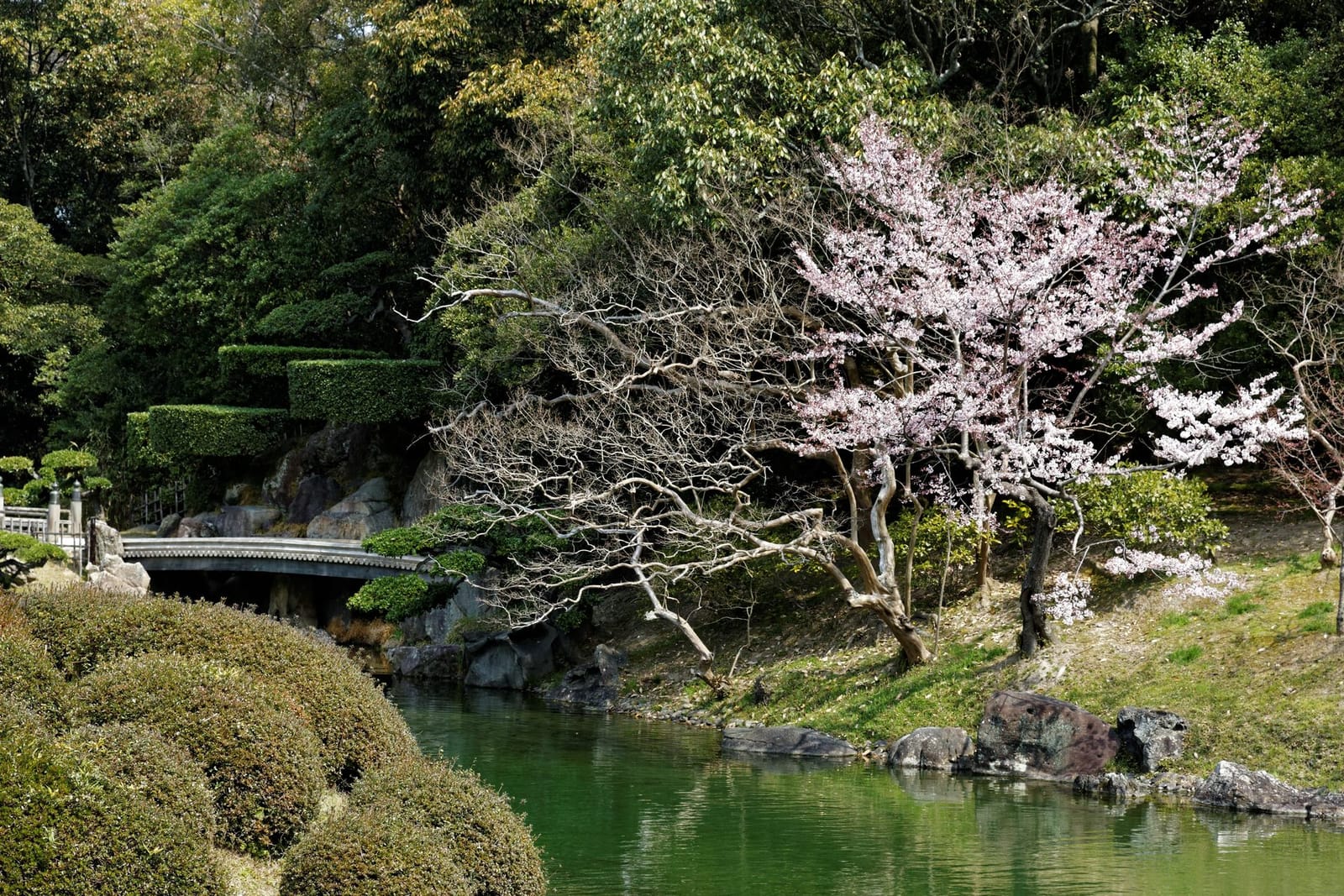
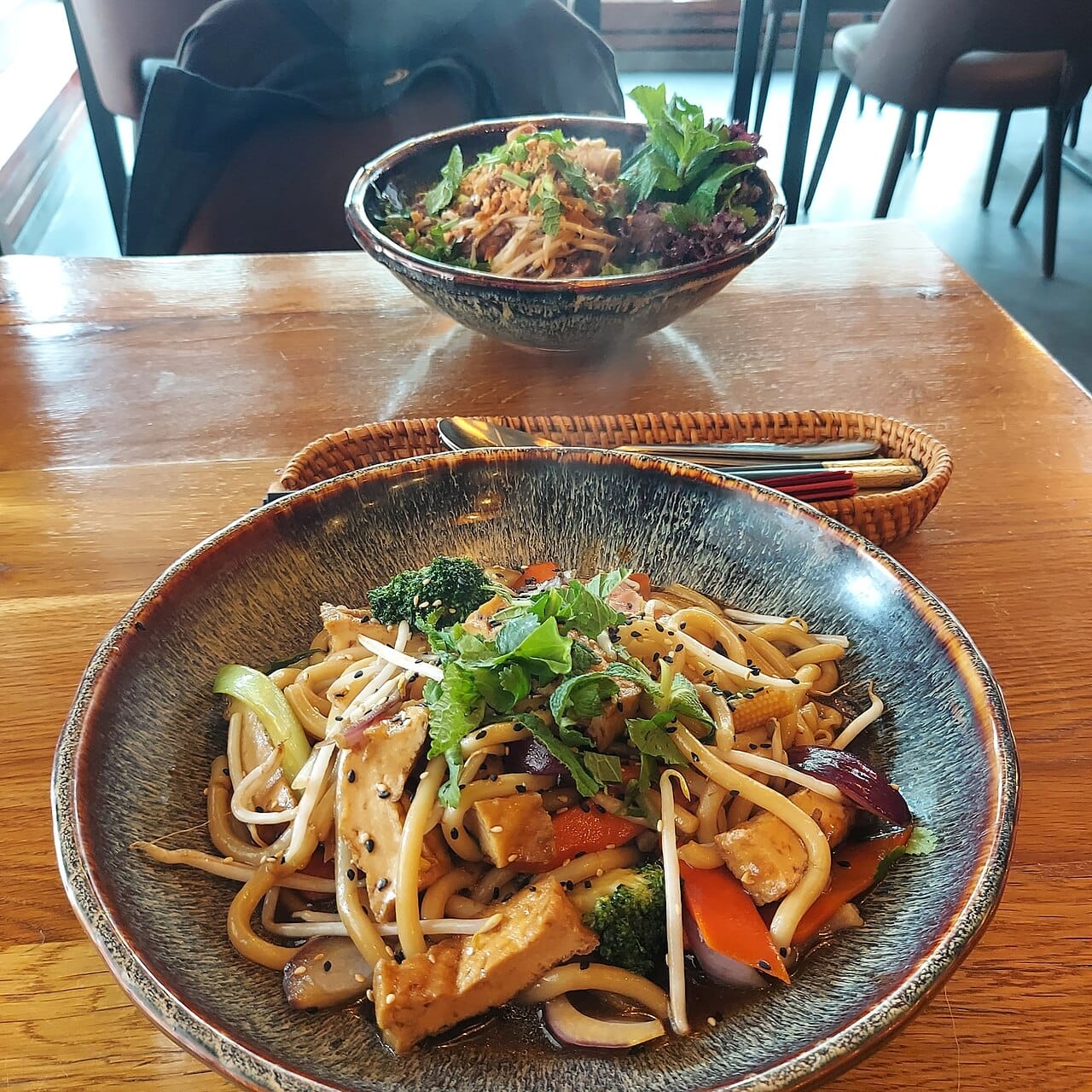
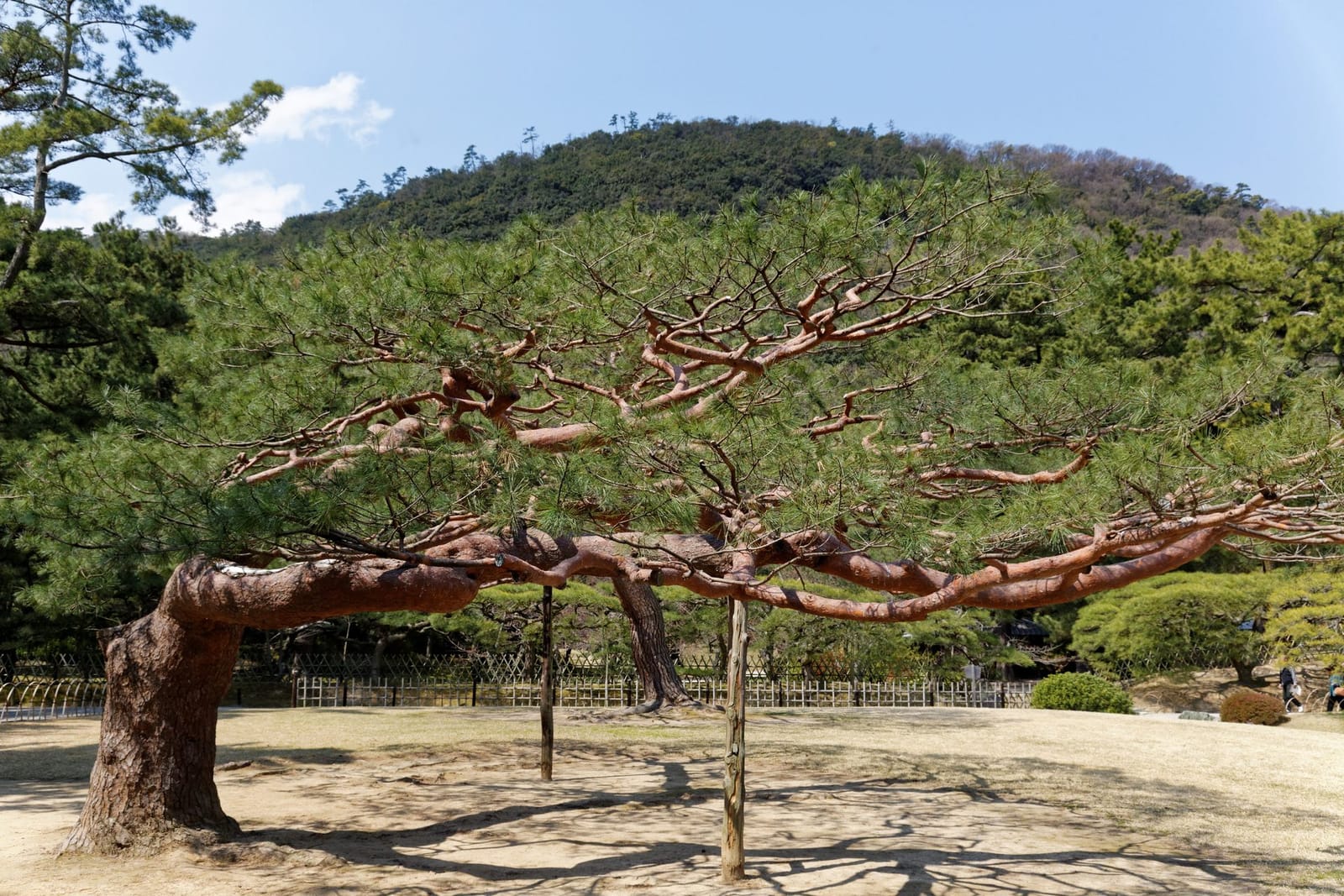
Kagawa, Japan's smallest prefecture, proudly—and quite seriously—calls itself "Udon-ken," or the Udon Prefecture. Sanuki udon here is completely different from udon elsewhere: square-edged noodles with a springy, satisfyingly chewy texture, served in a light broth made with iriko dried sardines. For the full experience, visit a self-service shop: take your own noodles, pour in the broth, choose your tempura, and pay at the end—a basic bowl costs only around 300–500 yen. Many of the best shops are surrounded by rice paddies in the suburbs, open from early morning and closing before noon once they run out of noodles. Takamatsu, the main gateway to Shikoku, is also home to the beautiful Ritsurin Garden, where meticulously shaped pine trees have been cultivated for three centuries, and Kotohira-gu Shrine, which challenges visitors with 785 steps to the main sanctuary.
From Takamatsu Port, ferries carry you to Naoshima, a fishing island "enchanted" into a mecca for contemporary art: Yayoi Kusama's polka-dot pumpkin on the pier, the Tadao Ando-designed Chichu Art Museum built into a hillside, where Monet's water-lily paintings are viewed in natural light, and the Art House Project, which transforms old village homes into site-specific installations. Every three years, the Setouchi Triennale turns the entire region into Asia's largest art event. Tip: Chichu Art Museum tickets must be booked online in advance; many museums are closed on Mondays, and the island is easiest to explore by small bus or electric bicycle.
The 88-temple pilgrimage and thousand-year-old Dogo Onsen
Shikoku is the birthplace of Kukai (Kobo Daishi), the great 9th-century monk who founded Shingon Buddhism, and the island's pilgrimage route linking 88 temples is said to follow in his footsteps. The full route stretches about 1.200 km and takes 40–60 days on foot, but visitors can easily sample a short section by visiting a few temples starting with temple number 1, Ryozenji, in Tokushima. Pilgrims wear white robes and carry staffs engraved with the phrase "Two pilgrims, one journey"—a reminder that the Great Master is always traveling alongside them. Locals offer pilgrims tea and snacks through the tradition of o-settai, a form of merit-making. Buy a nokyocho pilgrimage book to collect calligraphy and vermilion stamps at each temple (a few hundred yen each time)—one of the most meaningful souvenirs in Japan.
In Matsuyama, the island's largest city, Dogo Onsen is mentioned in historical records dating back more than 1.000 years and is considered one of Japan's oldest hot springs. The main bathhouse, Honkan, built in 1894, is a three-story wooden maze of creaking corridors and tatami rest rooms—one of the inspirations for the bathhouse in "Spirited Away." Basic bathing tickets cost from a few hundred to just over a thousand yen. Nearby, Matsuyama Castle crowns a hilltop and is one of only 12 castles in the country to retain its original main tower; you can reach it by cable car or single-seat chairlift.
The Shimanto River and Iya Valley — Japan's most pristine landscapes
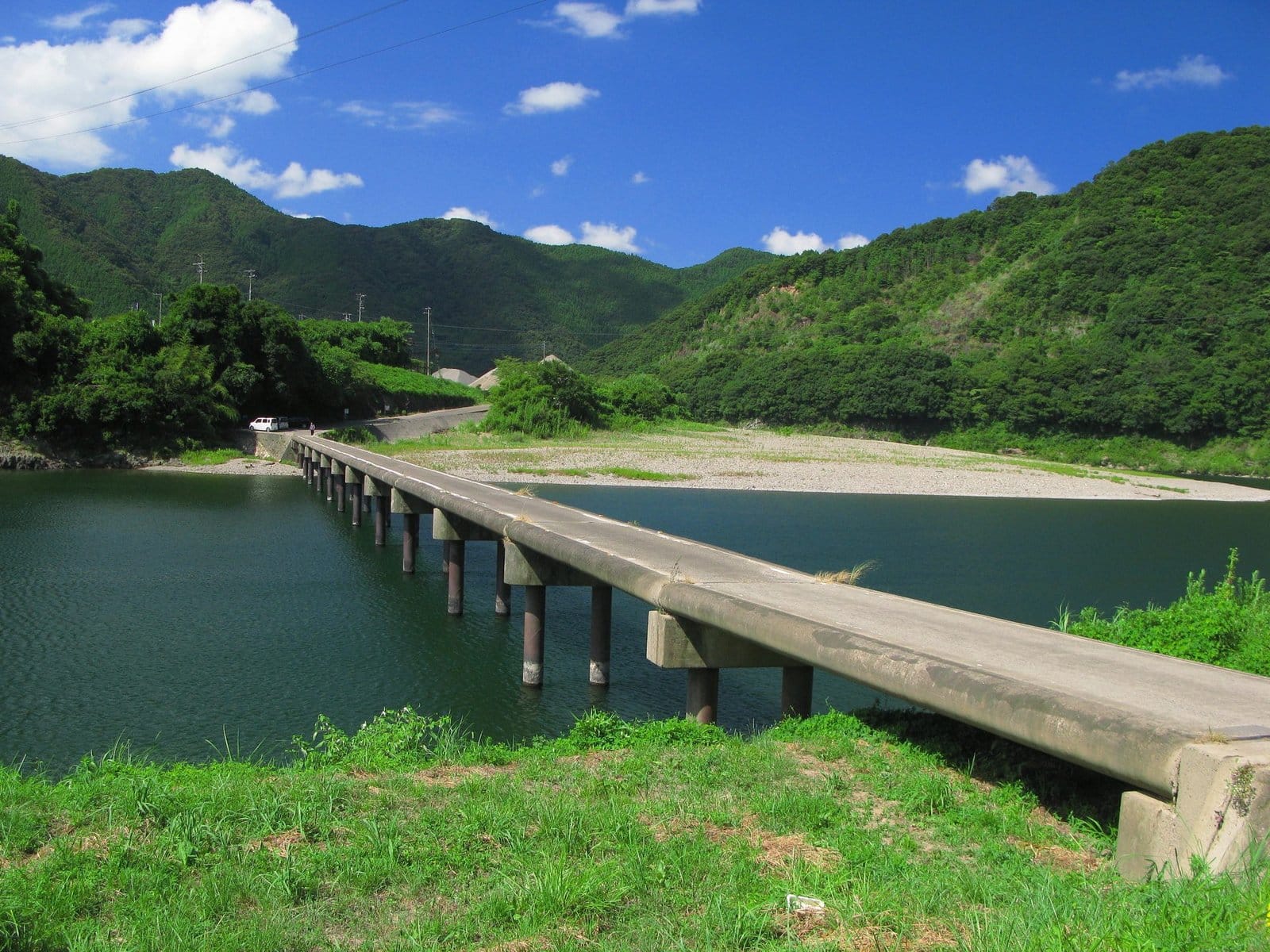
Kochi, on the southern side of the island, is home to the 196 km Shimanto River, known as "Japan's last clear river" because no major dams obstruct its course. One of the river's defining features is its chinkabashi bridges—low, rail-less concrete bridges designed to disappear beneath floodwaters and re-emerge intact afterward. Renting a bicycle to follow the river, kayaking, or taking a yakatabune houseboat for lunch on the water are all wonderful ways to enjoy the area's unhurried pace of life.
Farther north in the mountains of Tokushima, the deep Iya Valley once served as a refuge for remnants of the Heike clan in the 12th century. Its most famous heart-stopping attraction is Kazurabashi, a suspension bridge woven from mountain vines. With every step, you can see the emerald water 14 meters below through gaps in the planks (the crossing fee is a few hundred yen). Nearby, the Oboke Gorge offers sightseeing boat rides, precarious mountain villages, and renovated thatched-roof houses converted into accommodations—Iya is often described as "Japan's Shangri-La."
When to go
The best time to visit Shikoku is spring (March–May): the weather is mild enough for pilgrimage walks, cherry blossoms brighten the castles of Matsuyama and Kochi, and the Seto Inland Sea is calm for ferry trips to the art islands. Autumn (October–November) is a "second spring," with red leaves coloring Iya Valley and Oboke Gorge—these two periods are also the pilgrimage high season.
Summer is hot and humid but packed with spectacular festivals: Awa Odori in Tokushima in mid-August—the largest traditional dance festival in Japan, with tens of thousands of dancers taking to the streets—and Yosakoi in Kochi just beforehand. Southern Shikoku lies along a major typhoon route in August–September, so be sure to purchase travel insurance and monitor the forecast. Winters are mild and quiet, ideal for anyone who wants to soak in Dogo Onsen and eat hot udon in peace.
Local specialties
Beyond its famous Sanuki udon, each Shikoku prefecture has a signature dish. Kochi is known for katsuo no tataki—bonito seared over straw until the outside is charred while the inside remains rare, then served with salt and raw garlic. It is best enjoyed at Hirome Market, where you can buy dishes from multiple stalls and sit together at lively communal tables. Tokushima has ramen in a rich soy-based broth served with a raw egg; Ehime is famous for its many varieties of mikan citrus available year-round; and Seto Sea bream is cooked with rice in the dish known as taimeshi. Prices are much gentler than in Japan's major cities: you can eat well all day for around 2.000–3.500 yen.
Getting around
There are three main ways to reach Shikoku: by train across the Seto Ohashi Bridge to Takamatsu (about 1 hour from Okayama), by direct flight to Matsuyama, Takamatsu, or Kochi from Tokyo and Osaka, or by highway bus from the Kansai region. On the island, JR Shikoku serves the main cities, but trains are slow and infrequent. The All Shikoku Rail Pass (around 12.000–18.000 yen depending on the number of days) also covers some private railway lines and offers ferry discounts.
For the Shimanto River and Iya Valley, however, renting a car is the most practical option, as public transportation is very limited. To reach Naoshima, take a ferry from Takamatsu (about 50 minutes) or from Uno in Okayama.
Suggested itinerary
A suggested 5-day itinerary: Day 1, Takamatsu—Ritsurin Garden and an "udon tour" of 2–3 shops. Day 2, spend the full day exploring Naoshima's art by ferry. Day 3, head into Iya Valley—Kazurabashi Vine Bridge, Oboke Gorge, and an overnight stay in a traditional house. Day 4, continue south to Kochi—Hirome Market and the castle, or add an extra day for the Shimanto River. Day 5, cross to Matsuyama—visit the castle and soak in Dogo Onsen to close out the journey, then fly or take the train off the island.
If you would like a fully arranged trip with a private car for harder-to-reach destinations, see OlaChill's Japan tours; detailed tips for each destination are continually updated on the OlaChill blog.
Shikoku has no dazzling neon lights or skyscraper shopping centers. What it offers is a slower, more generous, and more genuine Japan—a place where a stranger might press a mikan into your hand simply because you are traveling a long way. And sometimes, that is exactly what we are looking for when we travel.