
Korakuen and Okayama Castle: Japan’s Ideal Half-Day Pair
Explore one of Japan’s finest gardens and Okayama’s striking black castle in an easy half-day visit from Okayama Station.
Aug 25, 2026·✍️ olablog·⏱ 8 min read
Explore one of Japan’s finest gardens and Okayama’s striking black castle in an easy half-day visit from Okayama Station.
Tap a region to browse articles
Why visit Korakuen and Okayama Castle together?
Okayama is sometimes treated as a transport stop between Kansai and the Setouchi islands. That would be a shame. Just a short tram ride from the station, the city offers one of Japan’s most rewarding compact sightseeing combinations: Korakuen, one of the country’s Three Great Gardens, and the dramatic black-walled Okayama Castle.
The two attractions sit on opposite sides of the Asahi River, connected by a bridge and a pleasant riverside walk. There is no complicated transfer between them, making this an excellent half-day outing for independent travelers. Together, they combine carefully designed landscape, local history, panoramic views and the unmistakable character of Okayama.
Allow roughly three to five hours for both sites, depending on how slowly you explore the garden, whether you visit the castle interior and how many photographs you take.
Korakuen: a garden with room to breathe
Many famous Japanese gardens are intimate and densely composed, with moss, stones and winding paths creating a series of enclosed scenes. Korakuen feels different. Its broad lawns and open sightlines give the garden an unusual sense of space.
The garden was created for the lords of Okayama and designed to be enjoyed from multiple viewpoints. Walking paths pass ponds, streams, wooded corners, tea houses and seasonal planting, while wide areas of grass open toward the surrounding landscape. The result is both carefully arranged and surprisingly relaxed.
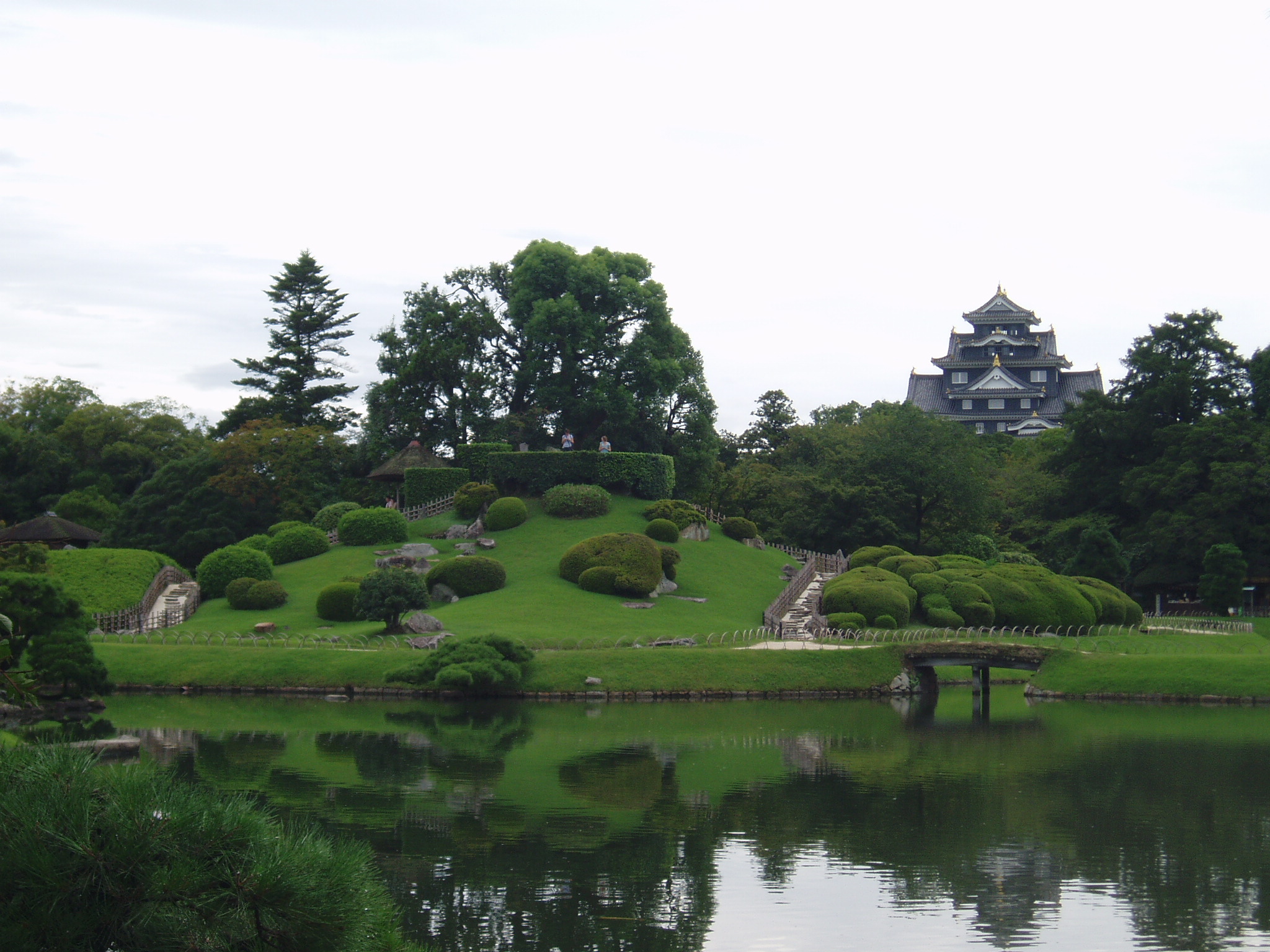
One of the best places to pause is Yuishinzan, a small hill within the garden. From its upper paths, you can look across the lawns and ponds toward Okayama Castle. The castle’s dark exterior becomes a borrowed view within the garden—a classic Japanese landscape technique known as shakkei, or “borrowed scenery.”
Korakuen is also notable for elements that feel more rural than ornamental. Depending on the season, you may see rice fields, vegetable plots and traditional agricultural features alongside the refined garden scenery. These details help explain how the site functioned as a pleasure garden rather than simply a decorative park.
What to look for in Korakuen
- Yuishinzan hill: the clearest elevated view across the garden and toward the castle
- Open lawns: a rare feeling of scale in a traditional Japanese garden
- Ponds and streams: especially atmospheric in spring and autumn
- Tea houses and traditional buildings: ideal places to appreciate the garden’s changing perspectives
- Seasonal scenery: cherry blossoms, fresh summer greenery, autumn colour and winter landscapes
Take your time here. Korakuen rewards a slower pace more than a checklist approach. Even travelers who do not usually seek out gardens will find the open layout easy to enjoy.
Okayama Castle: the “Crow Castle”
Cross the Asahi River and you will reach Okayama Castle, known in Japanese as Ujo, or “Crow Castle.” The nickname comes from its striking black exterior, which contrasts with the pale walls and bright gold details of many other Japanese castles.
The castle tower was reconstructed after wartime destruction, and its interior is modern rather than medieval. That makes the visit less about original timber architecture and more about understanding Okayama’s history through exhibitions, models and interactive displays. The building’s dark exterior and sharp silhouette, however, remain highly photogenic—especially from the riverbank and from Korakuen’s elevated viewpoints.
Inside, the castle presents local stories in an accessible format. Exhibits explore the region’s feudal history, the castle’s role in Okayama and traditional crafts associated with the prefecture. Bizen pottery is particularly important in the area, and the castle may offer displays or hands-on activities connected with Bizen ware. Programs and workshops can vary, so check the official information before planning around one.
The castle is smaller than some of Japan’s most famous fortress complexes, but that is part of its appeal. It fits naturally into a half-day itinerary, and the contrast with Korakuen gives the visit a satisfying rhythm: open garden first, compact historic landmark second.
Getting there from Okayama Station
Okayama Station is the nearest major hub and makes a convenient base for this visit. From the station, take the Okayama Electric Tramway Higashiyama Line toward the castle and garden area. Get off at Shiroshita, then continue on foot. The walk takes you through the city toward the Asahi River and the attractions.
You can also use local buses from Okayama Station, including services that stop near Korakuen and Okayama Castle. For many visitors, however, the tram is the easiest option to understand and a fun introduction to getting around the city.
From major cities, Okayama is served by the Sanyo Shinkansen. The journey is roughly one hour from Shin-Osaka and around three hours from Tokyo, though exact travel time depends on the service. Okayama Station is also a useful gateway for the Setouchi region, including Kurashiki, Naoshima and parts of Shikoku.
Check current tram, bus and attraction information before setting out, particularly during holidays or seasonal events.
Planning your half-day visit
The best order depends on your schedule and the time of day. Starting at Korakuen often works well because the garden is most enjoyable before you become tired, and you can finish at the castle after crossing the river. Alternatively, visit the castle first if you arrive later and want to catch the garden in softer afternoon light.
| Visit style | Suggested time | Best for |
|---|---|---|
| Quick highlights | Around 2.5–3 hours | Travelers with a tight schedule |
| Comfortable half-day | Around 3–5 hours | Seeing both sites without rushing |
| Slow cultural outing | Half a day or longer | Garden photography, tea breaks and seasonal scenery |
Admission arrangements, opening times and combined ticket options can change. Check the official websites for Korakuen and Okayama Castle before your visit.
Best seasons to visit
Korakuen is attractive throughout the year, but each season gives it a different personality.
Spring brings cherry blossoms and fresh green growth. The garden is especially popular during blossom season, so arrive early if you want a quieter walk.
Summer is lush and vibrant, with deep green lawns and trees providing welcome shade. Heat and humidity can be strong, so carry water and plan rest stops.
Autumn, particularly from mid-November to early December, is one of the most atmospheric periods. Maple trees add colour around the ponds and wooded paths, while the black castle makes a dramatic background.
Winter offers clearer views, quieter paths and a more spacious feeling. Snow is not guaranteed, but the garden’s bare branches and crisp light create a beautifully restrained scene.
Nearby stops to combine
Kurashiki Bikan Historical Quarter
Kurashiki is an easy addition from Okayama by local train. Its white-walled storehouses, willow-lined canal and small museums create a very different atmosphere from the open spaces of Korakuen. Visit it on the same day if you start early, or give it a separate half day.
Okayama Station and the city centre
For lunch or a relaxed evening, explore the area around Okayama Station. Look for local dishes such as barazushi, a colourful regional style of sushi, or fruit-based desserts—Okayama is particularly known for peaches and grapes.
Naoshima or Shikoku
Okayama works well as a travel base or transfer point for the Setouchi islands and Shikoku. Travelers heading to Naoshima can connect via Uno, while Shikoku routes continue across the Seto Inland Sea. If you are already passing through Okayama, Korakuen and Okayama Castle make a worthwhile break rather than merely a station stop.
Make Okayama part of your route
For help planning independent travel around Japan, including activities and local experiences, explore the OlaChill destination hub for tickets and tours.
FAQ
How long do I need for Korakuen and Okayama Castle?
Plan roughly three to five hours for a comfortable visit to both. A faster highlights visit is possible in around half a day, but the garden is more enjoyable when you leave time for unhurried walks and viewpoints.
Are Korakuen and Okayama Castle close to each other?
Yes. They are separated by the Asahi River and linked by a bridge, so you can walk between them rather than taking another train or bus.
Can I visit from Okayama Station without a car?
Definitely. The Okayama Electric Tramway Higashiyama Line and local buses connect the station with the castle and garden area. The attractions are also easy to explore on foot once you arrive.
Is Okayama Castle an original castle?
The present tower is a reconstruction, and the interior has modern exhibition spaces. Its black exterior, historic setting and views across the river still make it an important Okayama landmark.
Which is better in autumn: Korakuen or Okayama Castle?
They work best together. Korakuen offers the seasonal foliage, ponds and spacious garden views, while Okayama Castle provides a bold architectural contrast and excellent photographs from across the river.
More from this region — Chugoku & Shikoku
View all →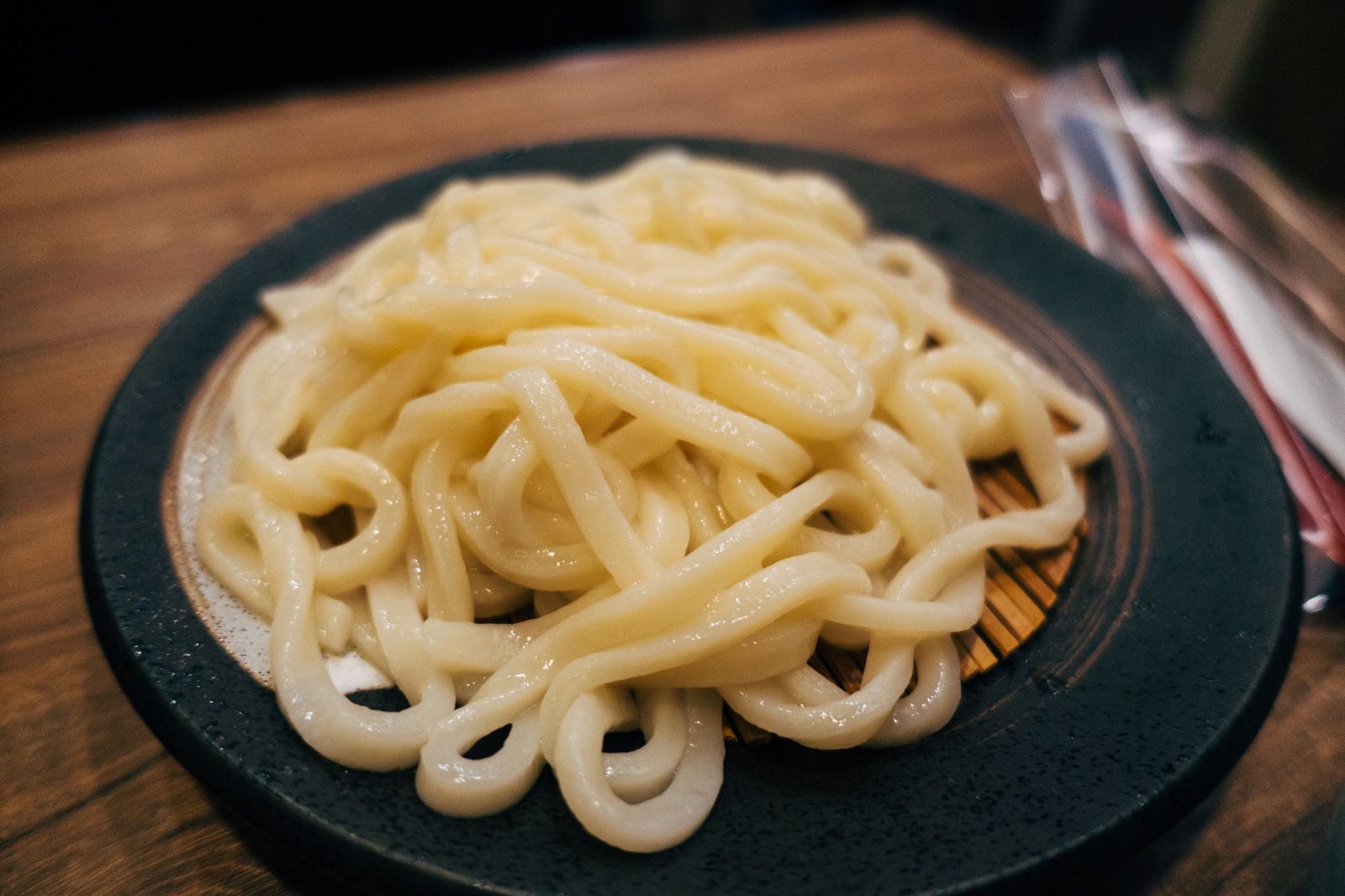
Takamatsu in a Day: Ritsurin Garden and the Art of Sanuki Udon
8 min · destinations

Shikoku: A Guide to the Island of Udon, 88 Temples, and Setouchi Art
7 min · destinations
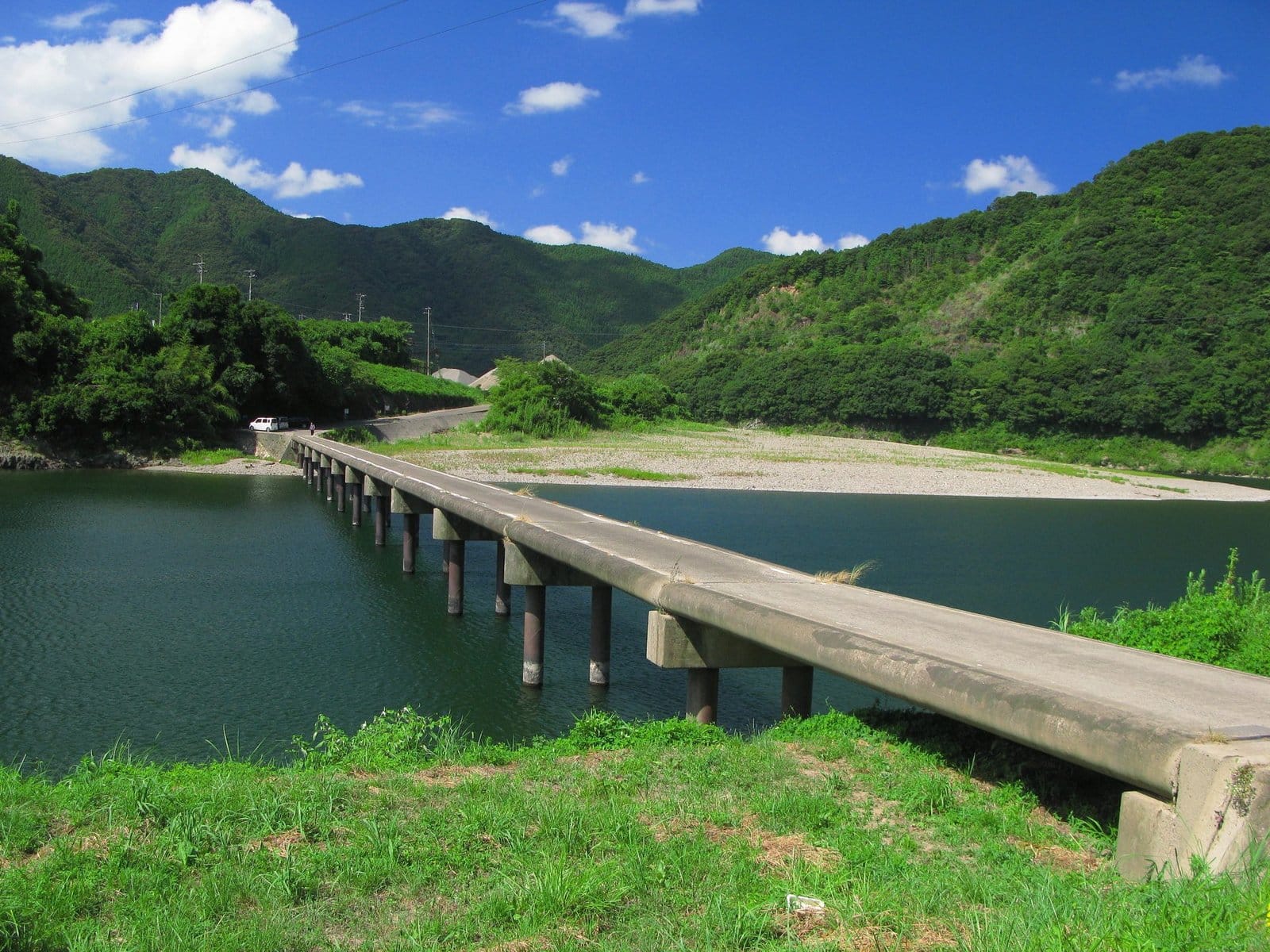
Shimanto River, Kochi – Japan's Last Free-Flowing Emerald River
5 min · tips
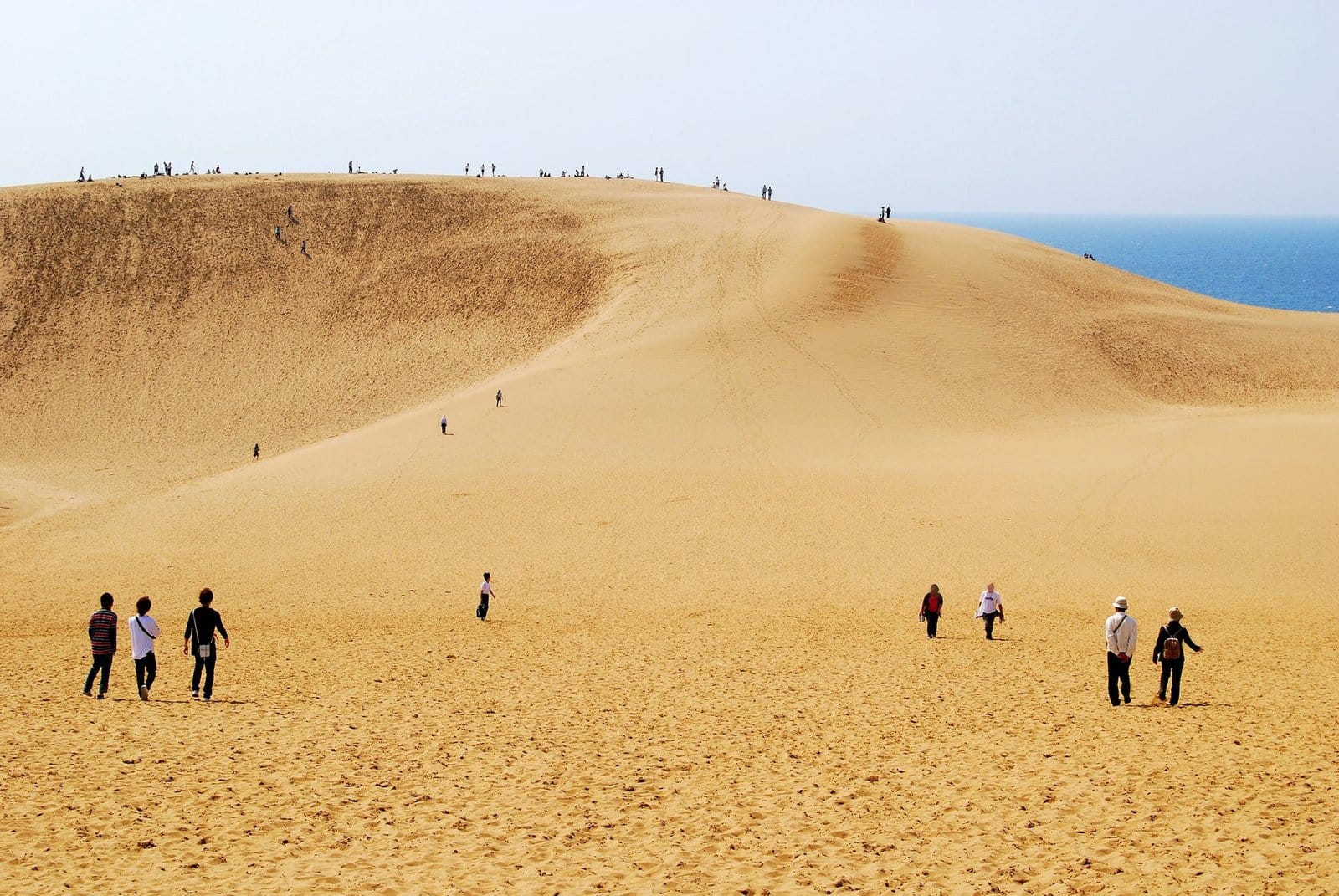
Tottori Sand Dunes – Japan's Most Surreal Desert Coastline
5 min · tips