
Hiroshima & Miyajima: The Most Moving Day Trip in Japan
Plan your unforgettable Hiroshima & Miyajima day trip from India/Bangladesh. Discover peace memorials, floating torii, veggie okonomiyaki & JR Pass tips for 2026 travel.
Jul 10, 2026·✍️ olablog·⏱ 20 min read
Plan your unforgettable Hiroshima & Miyajima day trip from India/Bangladesh. Discover peace memorials, floating torii, veggie okonomiyaki & JR Pass tips for 2026 travel.
Tap a region to browse articles
Japan, a land where ancient traditions gracefully coexist with futuristic marvels, beckons travelers from India and Bangladesh with its unique charm. Among its many treasures, a day trip to Hiroshima and Miyajima offers an incredibly moving and culturally rich experience, often highlighting the profound resilience of the human spirit and the breathtaking beauty of nature. This guide will help you navigate this poignant journey, from understanding train passes to finding delicious vegetarian meals, ensuring a smooth and memorable adventure that can cost as little as ₹2,000 (BDT 2,800) for local transport and entry fees once you reach Hiroshima.
Getting There: Navigating Japan's Rail Network to Hiroshima
Your journey to Hiroshima will likely begin with Japan's famed Shinkansen, or bullet train. For first-time visitors from India and Bangladesh, understanding the Japan Rail (JR) Pass system is key, much like familiarizing yourself with IRCTC bookings for long-distance travel within India.
The JR Pass in 2026: Is It Worth It? The Japan Rail Pass offers unlimited travel on most JR lines, including the Shinkansen (excluding the fastest Nozomi and Mizuho services unless a supplement is paid), for a set number of days. As of 2026, a 7-day Ordinary JR Pass costs ¥50,000 (approx. ₹28,000 / BDT 38,000). However, be aware that prices for passes purchased through overseas agents are scheduled to increase from October 1, 2026, to approximately ¥53,000 (approx. ₹29,680 / BDT 40,280) for a 7-day Ordinary pass. Passes bought directly through the official JR website may retain current prices for a limited window.
Many travelers, especially those focusing on the "Golden Route" (Tokyo-Kyoto-Osaka), find that individual Shinkansen tickets are now often cheaper than the JR Pass due to a significant price increase in October 2023. For a simple Tokyo-Kyoto round trip, for instance, individual tickets are considerably less than the 7-day pass. However, if your itinerary includes a round trip from Tokyo to Hiroshima and back, or multiple long-distance journeys across various regions, the JR Pass might still offer value and unmatched flexibility. Always use an online JR Pass calculator to compare costs for your specific itinerary before making a purchase.
Booking Your Shinkansen Tickets: If the JR Pass isn't cost-effective for your trip, purchasing individual Shinkansen tickets is straightforward. You can buy them at JR ticket offices (Midori-no-Madoguchi) found in major stations, through ticket machines with English language options, or online via the official JR website. It's advisable to book popular routes, especially during peak seasons like cherry blossom (March-April) or autumn foliage (October-November), well in advance.
Journey to Hiroshima: From major cities like Tokyo, Kyoto, or Osaka, you'll take the Tokaido-Sanyo Shinkansen line to Hiroshima Station.
- From Tokyo: The journey takes approximately 4 hours by Hikari Shinkansen (covered by JR Pass) or around 3.5 hours by Nozomi Shinkansen (requires a supplement with JR Pass). The cost for a one-way unreserved seat from Tokyo to Hiroshima is typically around ¥19,000 (approx. ₹10,640 / BDT 14,440).
- From Kyoto/Osaka: The journey is shorter, roughly 1.5 to 2 hours by Hikari or Sakura Shinkansen. A one-way unreserved seat from Kyoto to Hiroshima costs approximately ¥11,000 (approx. ₹6,160 / BDT 8,360).
Upon arrival at Hiroshima Station, you'll find clear signage (often in English) to guide you to local transportation.
Hiroshima's Enduring Legacy: A Journey of Peace and Reflection
Hiroshima is a city that rose from unimaginable tragedy, transforming itself into a powerful symbol of peace and resilience. Visiting its Peace Memorial Park and Museum is a profoundly moving experience that offers a crucial context for understanding humanity's capacity for both destruction and healing.
Hiroshima Peace Memorial Park: The park itself is a spacious, contemplative area designed to commemorate the victims of the atomic bombing on August 6, 1945, and to advocate for world peace. It is free to enter and open 24 hours. Key monuments within the park include:
- Atomic Bomb Dome (Genbaku Dome): The skeletal remains of the former Prefectural Industrial Promotion Hall, it was the closest structure to the hypocenter to remain partially standing. A UNESCO World Heritage site, it serves as a stark and powerful reminder of the bombing's devastation.
- Children's Peace Monument: Inspired by the story of Sadako Sasaki, a young girl who folded 1,000 paper cranes before succumbing to leukemia caused by radiation, this monument is adorned with countless colorful paper cranes sent from around the world as prayers for peace.
- Cenotaph for the A-Bomb Victims: This arched monument contains a stone chest with the names of all known victims of the bombing. An inscription reads: "Let all the souls here rest in peace; for we shall not repeat the evil."
- Flame of Peace: This flame will burn until all nuclear weapons are abolished worldwide.
Hiroshima Peace Memorial Museum: Located within the park, the museum provides a comprehensive and unflinching account of the atomic bombing, its causes, and its aftermath. The museum underwent a renovation in 2019, shifting its focus to individual stories and personal belongings, making the experience even more impactful.
- Opening Hours (2026): The museum generally opens at 7:30 AM. Hours vary seasonally: March to July and September to November, it closes at 7:00 PM; in August, it closes at 8:00 PM (until 9:00 PM on August 5th and 6th); and from December to February, it closes at 6:00 PM. Last admission is 30 minutes before closing.
- Admission Fee: Adult admission is ¥200 (approx. ₹112 / BDT 152), making it incredibly accessible. High school students pay ¥100, and children under 15 enter free.
- Booking: While walk-up tickets are available, advance booking is recommended, especially during peak seasons like cherry blossom or autumn, and throughout August due to the anniversary. You can book through the official museum website.
- Audio Guides: Audio guides are available for rent at ¥400 (approx. ₹224 / BDT 304) and are available in over 20 languages. Alternatively, you can use the free museum audio guide app with Hiroshima Free Wi-Fi.
Getting to Peace Memorial Park from Hiroshima Station:
- Streetcar (Tram): The most common and scenic way. Take streetcar line 2 or 6 from Hiroshima Station to the Genbaku Dome-mae (Atomic Bomb Dome) stop. The ride takes about 15-20 minutes and costs a flat fare of ¥240 (approx. ₹134 / BDT 182) for adults. You pay when you exit. IC cards like Suica or ICOCA are accepted, but ensure they are charged beforehand as you cannot charge them on the tram.
- Bus: The "Hiroshima Sightseeing Loop Bus" (Meipuru-pu bus) also connects Hiroshima Station to Peace Memorial Park. This bus is covered by the Japan Rail Pass and offers a convenient way to see other city sights. A one-day pass for the loop bus is also available if not using a JR Pass.
- Walking: For those who enjoy walking, the Peace Memorial Park is about 3 kilometers from Hiroshima Station, a pleasant walk that takes you through parts of the city.
Savoring Hiroshima: The Okonomiyaki Experience (with Veg Hacks!)
No visit to Hiroshima is complete without trying its iconic Hiroshima-style Okonomiyaki. This savory pancake, layered with batter, cabbage, noodles (soba or udon), and a variety of toppings, is a culinary delight. For travelers from India and Bangladesh, where vegetarianism is common and halal food is a consideration, finding suitable options can be a concern. Thankfully, Hiroshima's culinary scene is becoming more accommodating.
Hiroshima-style vs. Osaka-style Okonomiyaki: It's important to distinguish Hiroshima-style from Osaka-style okonomiyaki. In Osaka, all ingredients are mixed into the batter before grilling. In Hiroshima, ingredients are layered one by one on a hot griddle, creating distinct textures and flavors. This layering often makes it easier for chefs to customize the dish.
Vegetarian and Vegan Okonomiyaki Hacks: Traditional okonomiyaki often contains pork (bacon/buta) and eggs, and the sauce may contain animal products (like bonito flakes). However, dedicated vegan-friendly restaurants are emerging in Hiroshima, offering delicious plant-based versions.
Dedicated Vegan-Friendly Shops: Several restaurants in Hiroshima now explicitly offer vegetarian and vegan okonomiyaki.
- Nagataya: Located near the Peace Memorial Park, Nagataya is highly recommended for its vegetarian and vegan options, including a variety of toppings like rice cakes, corn, shiso, and green onion, topped with house-made vegan mayo and savory sauce. It's a popular choice for first-time visitors due to its location and clear menu.
- Jirokichi: This cozy spot in central Hiroshima offers vegan okonomiyaki and other vegan-friendly side dishes. It's a great option for a dinner with a relaxed atmosphere. They also cater to gluten-free diets.
- Okonomiyaki Horikawa: This restaurant, with a long history of making soy sauce, offers a new vegan version of its Hiroshima-style okonomiyaki with kombu stock and sake lees for depth of flavor.
- Kurawanka: If you prefer to eat on Miyajima Island, Kurawanka is a practical option that may offer vegan okonomiyaki. This is particularly useful as Miyajima is more known for oysters and eel.
Key Phrases for Ordering (if a dedicated menu isn't available):
- "Niku nashi" (肉なし): No meat.
- "Katsuo-bushi nashi" (鰹節なし): No bonito flakes (fish flakes, often sprinkled on top).
- "Tamago nashi" (卵なし): No egg (though some vegan versions might use an egg substitute in the batter).
- "Dashi wa kombu desu ka?" (だしは昆布ですか?): Is the broth made from kombu (kelp)? (To ensure no fish-based dashi).
- "Yasai dake" (野菜だけ): Vegetables only.
General Food Tips for Indian/Bangladeshi Travelers:
- Convenience Stores (Konbini): 7-Eleven, FamilyMart, and Lawson offer a range of vegetarian-friendly snacks, instant noodles, and ready-to-eat meals. Look for items clearly labeled with ingredients.
- Supermarkets: A great place to buy fresh fruits, vegetables, bread, and other staples if you have access to a kitchen or want to prepare simple meals.
- Food Apps: Use apps like HappyCow to find vegetarian and vegan restaurants in major cities.
- Halal Food: While less common than vegetarian options, some restaurants, particularly in larger cities, are beginning to offer halal menus. It's always best to check in advance or look for certified halal signs.
Miyajima Island: The Floating Torii and Sacred Deer
After the reflective journey in Hiroshima, a short trip to Miyajima Island offers a breathtaking contrast with its natural beauty and the iconic "floating" torii gate of Itsukushima Shrine.
Getting to Miyajima from Hiroshima: The most common route involves a train/tram and a ferry.
Hiroshima Station to Miyajimaguchi Station:
- JR Sanyo Line: Take the JR Sanyo Line from Hiroshima Station to Miyajimaguchi Station. This 25-minute journey costs ¥420 (approx. ₹235 / BDT 319) and is fully covered by the Japan Rail Pass.
- Hiroden Streetcar (Tram): Alternatively, you can take tram line 2 from central Hiroshima (e.g., from Peace Memorial Park) directly to Hiroden-Miyajimaguchi Station. This ride is slower (around 50 minutes from Peace Memorial Park) but costs a flat ¥240 (approx. ₹134 / BDT 182). This is not covered by the JR Pass.
Miyajimaguchi to Miyajima Island (Ferry): From Miyajimaguchi Station, it's a short walk to the ferry pier. There are two ferry companies:
- JR West Miyajima Ferry: This ferry is fully covered by the Japan Rail Pass. It departs every 15 minutes and the ride takes about 10 minutes. If you don't have a JR Pass, a one-way ticket costs ¥200 (approx. ₹112 / BDT 152).
- Matsudai Ferry: Also departs frequently and costs the same, but is not covered by the JR Pass.
Miyajima Visitor Tax: Since October 2023, visitors to Miyajima are required to pay a ¥100 (approx. ₹56 / BDT 76) visitor tax. This is usually included in the regular ferry ticket price, but JR Pass holders will need to purchase a separate ¥100 ticket at the ferry terminal.
Itsukushima Shrine and the Floating Torii: Itsukushima Shrine, another UNESCO World Heritage site, is famous for its iconic vermilion torii gate that appears to float on the water at high tide. The shrine complex itself is built over the water, creating a magical effect.
Tide Timings: This is crucial for experiencing the shrine's different appearances.
- High Tide: For the "floating" effect, the tide level needs to be 250 cm or above. The reflection of the crimson structures in the water is truly stunning.
- Low Tide: When the tide drops to around 100 cm or below, the seabed is exposed, and you can walk out to the Great Torii gate. This allows for a unique perspective, but be prepared for muddy conditions.
- Check in Advance: Tide schedules change daily. It is highly recommended to check the Miyajima Tourism Association's official website or local tide charts before your trip to plan your visit around the desired tide.
Shrine Admission: The main shrine complex has an admission fee of ¥300 (approx. ₹168 / BDT 228).
Opening Hours: Hours vary by season. Generally, from March to October, it's open from 6:30 AM to 6:00 PM. In December, it closes earlier at 5:00 PM. Always check the official website for the most current information.
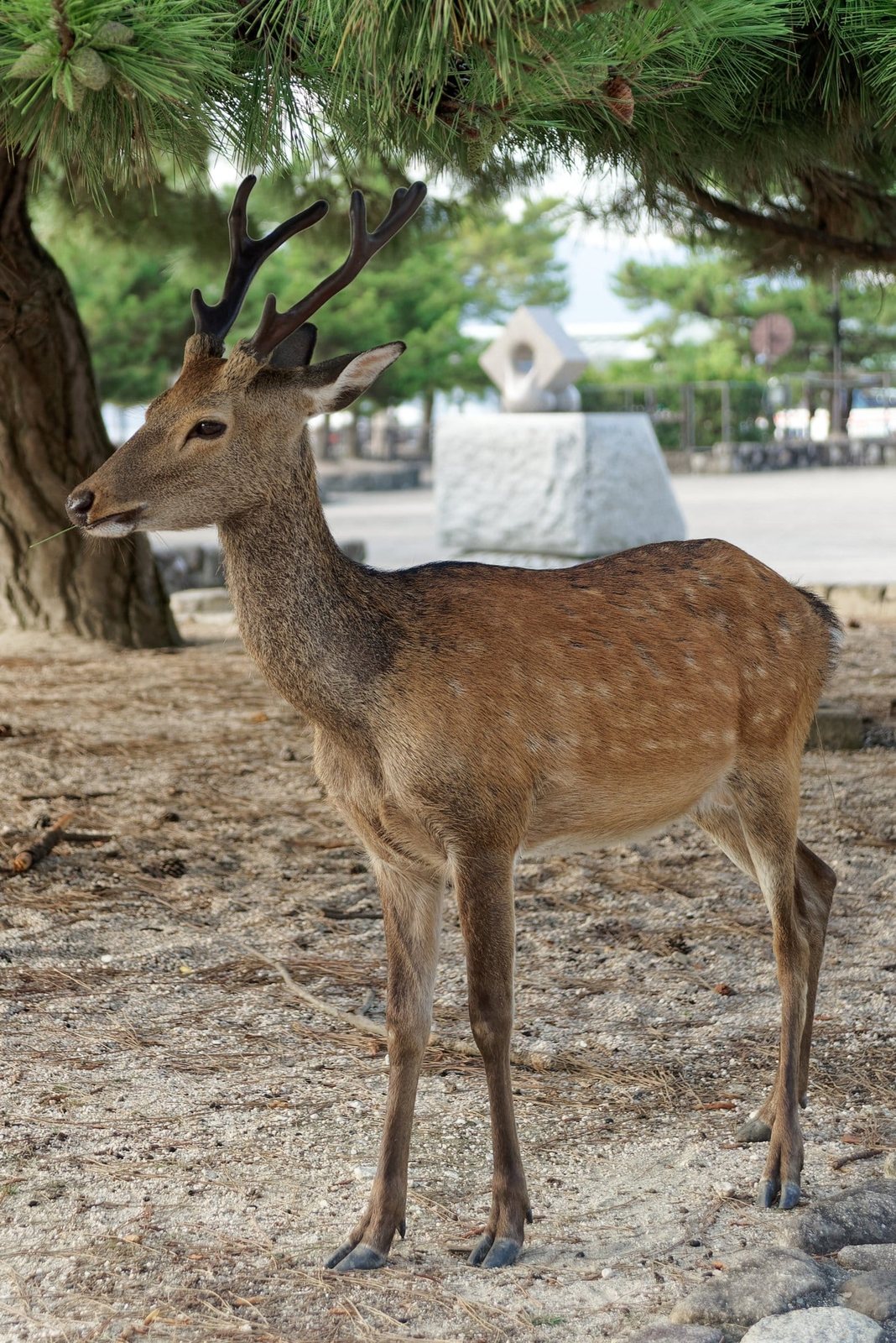
Miyajima's Sacred Deer: Like Nara, Miyajima is home to wild deer that roam freely. They are considered messengers of the gods. While they are generally gentle, remember they are wild animals. Avoid feeding them human food and be mindful of your belongings, as they are known to snatch paper maps or snacks.
Mount Misen and Miyajima Ropeway: For panoramic views of the Seto Inland Sea, take the Miyajima Ropeway up Mount Misen, the highest peak on the island.
- Access: From Miyajima Pier, you can walk about 25 minutes through Momijidani Park to Momijidani Station, or take a free shuttle bus.
- Ropeway Fare: A round-trip ticket costs ¥2,000 (approx. ₹1,120 / BDT 1,520) for adults and ¥1,000 for children. The ropeway journey itself takes about 15 minutes, consisting of two segments.
- "Enjoy Ticket": If you are taking the Matsudai Ferry and the Miyajima Ropeway, consider the "Enjoy Ticket" which bundles a round-trip ferry and ropeway ride for a discounted price of ¥2,100 (approx. ₹1,176 / BDT 1,596) for adults, saving ¥400. This ticket is sold at the Matsudai Ferry ticket window at Miyajimaguchi and is valid for two days, offering flexibility.
- Summit Hike: From the upper ropeway station (Shishi-iwa Station), it's a 20-30 minute hike to the actual summit for 360-degree observation decks.
A Sample Day Trip Itinerary: Maximizing Your Time
This sample itinerary is designed for travelers staying in Hiroshima or arriving early by Shinkansen, aiming to experience both destinations efficiently. Adjust timings based on Shinkansen arrival/departure and desired tide for Miyajima.
Morning: Hiroshima's Path to Peace (Approx. 4-5 hours)
- 7:30 AM - 8:00 AM: Arrive at Hiroshima Station. If you have luggage, use coin lockers available at the station (¥700-¥1,000 for a large suitcase, approx. ₹392-₹560 / BDT 532-BDT 760).
- 8:00 AM - 8:20 AM: Take the Hiroden Streetcar (Line 2 or 6) from Hiroshima Station to Genbaku Dome-mae (Atomic Bomb Dome) stop. Cost: ¥240 (approx. ₹134 / BDT 182).
- 8:20 AM - 9:00 AM: Explore the Atomic Bomb Dome and the surrounding Peace Memorial Park, including the Children's Peace Monument and Cenotaph.
- 9:00 AM - 11:30 AM: Visit the Hiroshima Peace Memorial Museum. Allow ample time for reflection. Admission: ¥200 (approx. ₹112 / BDT 152).
- 11:30 AM - 12:30 PM: Lunch in Hiroshima. Head towards a recommended okonomiyaki spot like Nagataya (near Peace Park) for a vegetarian-friendly option. Budget: ¥1,000-¥2,000 (approx. ₹560-₹1,120 / BDT 760-BDT 1,520).
Afternoon: Miyajima's Sacred Beauty (Approx. 4-5 hours)
- 12:30 PM - 1:00 PM: Travel from Peace Memorial Park area to Miyajimaguchi Station. Take the Hiroden Streetcar (Line 2) directly to Hiroden-Miyajimaguchi (approx. 50 mins, ¥240), or if closer to Hiroshima Station, take the JR Sanyo Line (25 mins, ¥420, JR Pass covered).
- 1:00 PM - 1:15 PM: Walk to the ferry pier. If using JR Pass, take the JR Ferry; otherwise, either JR or Matsudai Ferry. Remember the ¥100 visitor tax for JR Pass holders. Ferry cost: ¥200 (approx. ₹112 / BDT 152) if not using JR Pass.
- 1:15 PM - 1:25 PM: Enjoy the 10-minute ferry ride to Miyajima Island.
- 1:25 PM - 2:30 PM: Arrive at Miyajima. Depending on tide timings, either walk towards Itsukushima Shrine for the "floating" view, or, if low tide, walk out to the Great Torii. Explore the shrine complex. Admission: ¥300 (approx. ₹168 / BDT 228).
- 2:30 PM - 4:30 PM: Explore Omotesando Shopping Street, interact with the deer, and consider taking the Miyajima Ropeway up Mount Misen for stunning views. Ropeway round-trip: ¥2,000 (approx. ₹1,120 / BDT 1,520).
- 4:30 PM - 4:45 PM: Head back to Miyajima Pier.
- 4:45 PM - 5:00 PM: Take the ferry back to Miyajimaguchi.
Evening: Return Journey
- 5:00 PM - 5:30 PM: Return to Hiroshima Station from Miyajimaguchi.
- From 5:30 PM onwards: Catch your Shinkansen back to your next destination (e.g., Kyoto, Osaka, Tokyo).
Important Note on Tide Timings: This itinerary is a general guide. It is paramount to check the Miyajima tide chart for your specific travel date to align your visit with either high tide (for the floating torii) or low tide (to walk to the torii). If high tide is in the morning, consider reversing the Hiroshima/Miyajima order of your day.
Essential Practical Tips for Indian & Bangladeshi Travelers
Traveling through Japan can be incredibly smooth with a little preparation. Here are some tailored tips:
- Visa Requirements: Indian citizens require a short-term tourist visa, with an e-visa facility available. The e-visa costs JPY 3,000 (approx. ₹1,700 / BDT 2,280) and allows a single entry for up to 15 days. For longer stays or multiple entries, a traditional visa via the consulate is needed. Bangladeshi citizens also need a visa; the process is generally straightforward with careful documentation. Always consult official Japanese diplomatic websites for the most current requirements and fees.
- Connectivity: Public Wi-Fi can be patchy. Renting a pocket Wi-Fi device or purchasing a local eSIM (like Matrix eSIM for Indian travelers) upon arrival is highly recommended for reliable internet access, crucial for navigation and translations.
- Cash vs. Card: While cards are accepted in most urban areas and larger establishments, many smaller shops, shrines, and rural areas are cash-only. Carry enough Japanese Yen. 7-Eleven, FamilyMart, and Japan Post Bank ATMs are reliable for international card withdrawals.
- IC Cards (Suica/Pasmo/ICOCA): Even with a JR Pass, an IC card is invaluable for local transport (subways, private railways, buses not covered by JR Pass) and small purchases at convenience stores or vending machines. These prepaid, rechargeable cards make travel incredibly convenient – just tap and go.
- Cultural Etiquette: Japan values politeness. Keep your voice low on trains, follow orderly queues, and avoid tipping. Punctuality is highly regarded, especially for trains.
- Luggage: Travel light if possible. Coin lockers are available at most major train stations for temporary storage.
- Weather: Japan experiences four distinct seasons. If traveling during the summer (June-August), expect warmth and humidity, often with a rainy season (tsuyu) in June, similar to the pre-monsoon heat in India/Bangladesh. Pack layers and be prepared for rain.
- Language Barrier: While English signage is prevalent in major cities and transport hubs, particularly in Tokyo, Kyoto, and Osaka, it can be less common in smaller towns. Learning a few basic Japanese phrases (e.g., arigato for thank you, sumimasen for excuse me/sorry) and using translation apps can significantly enhance your experience.
- Departure Tax: As of July 2026, an international departure tax of ¥3,000 (approx. ₹1,680 / BDT 2,280) per person is collected. This is usually included in your flight ticket price.
- Visit Japan Web: This online service streamlines immigration and customs procedures before arrival. While not mandatory, it can make your entry smoother, especially if you have a visa.
Key Takeaways
- JR Pass Evaluation: For 2026, the JR Pass may not be cost-effective for typical "Golden Route" itineraries. Use an online calculator for your specific plan. Be aware of price increases for overseas purchases from October 2026.
- Hiroshima's Significance: Dedicate ample time (at least 3-4 hours) to the Peace Memorial Park and Museum for a truly impactful and reflective experience.
- Miyajima Tide Check: Crucially, check the tide schedule for Itsukushima Shrine before your visit to ensure you see the "floating" torii at high tide or walk to it at low tide.
- Vegetarian Okonomiyaki: Hiroshima offers dedicated vegan-friendly okonomiyaki restaurants like Nagataya and Jirokichi. Don't hesitate to use simple Japanese phrases like "yasai dake" (vegetables only).
- Local Transport & IC Cards: In Hiroshima, the Hiroden streetcar is efficient and inexpensive (¥240 flat fare). An IC card (like Suica or ICOCA) is highly recommended for seamless local travel and small purchases.
- Budgeting: Expect local transport, museum, and shrine entry fees to be around ¥3,000-¥4,000 (approx. ₹1,680-₹2,240 / BDT 2,280-BDT 3,040) per person for the day trip, excluding Shinkansen and main meals.
- Connectivity and Cash: Secure a pocket Wi-Fi or eSIM and carry sufficient Japanese Yen, as cash is still essential in many places.
FAQ
Q. Is a day trip enough for Hiroshima and Miyajima? A. Yes, a well-planned day trip can cover the main highlights of both Hiroshima (Peace Memorial Park and Museum) and Miyajima (Itsukushima Shrine and the floating torii, with an option for Mount Misen). However, if you prefer a more relaxed pace or wish to explore more deeply, an overnight stay on Miyajima can be magical after the day-trippers leave.
Q. How much money should I budget for food in Hiroshima and Miyajima as a vegetarian? A. For vegetarian meals, expect to budget around ¥1,000-¥2,000 (approx. ₹560-₹1,120 / BDT 760-BDT 1,520) per meal at a dedicated okonomiyaki restaurant. Convenience store meals or simple noodle dishes can be cheaper. Carrying some snacks from convenience stores can also help manage costs.
Q. Can I use my Indian/Bangladeshi debit/credit cards easily in Japan? A. Major credit cards (Visa, Mastercard) are widely accepted in larger cities, hotels, and department stores. However, many smaller shops, local eateries, and some attractions, especially in rural areas or on Miyajima, might be cash-only. It is always prudent to carry enough Japanese Yen. ATMs at 7-Eleven, FamilyMart, and Japan Post Bank are the most reliable for international card withdrawals.
Q. How do I get around Hiroshima city efficiently? A. Hiroshima's extensive streetcar (tram) network, operated by Hiroden, is the most efficient and cost-effective way to navigate the city. A flat fare of ¥240 (approx. ₹134 / BDT 182) applies to most rides. IC cards like Suica or ICOCA are accepted, or you can pay with exact change when exiting. The "Meipuru-pu" sightseeing loop bus is also an option, covered by the JR Pass.
Q. What is the best time of year to visit Hiroshima and Miyajima? A. Spring (March-April) for cherry blossoms and Autumn (October-November) for vibrant autumn foliage are generally considered the most beautiful times. However, these are also peak tourist seasons, meaning higher costs and larger crowds. Late May or early June can offer pleasant weather with fewer crowds and better prices, before the main summer heat and rainy season (tsuyu).
More from this region — Chugoku & Shikoku
View all →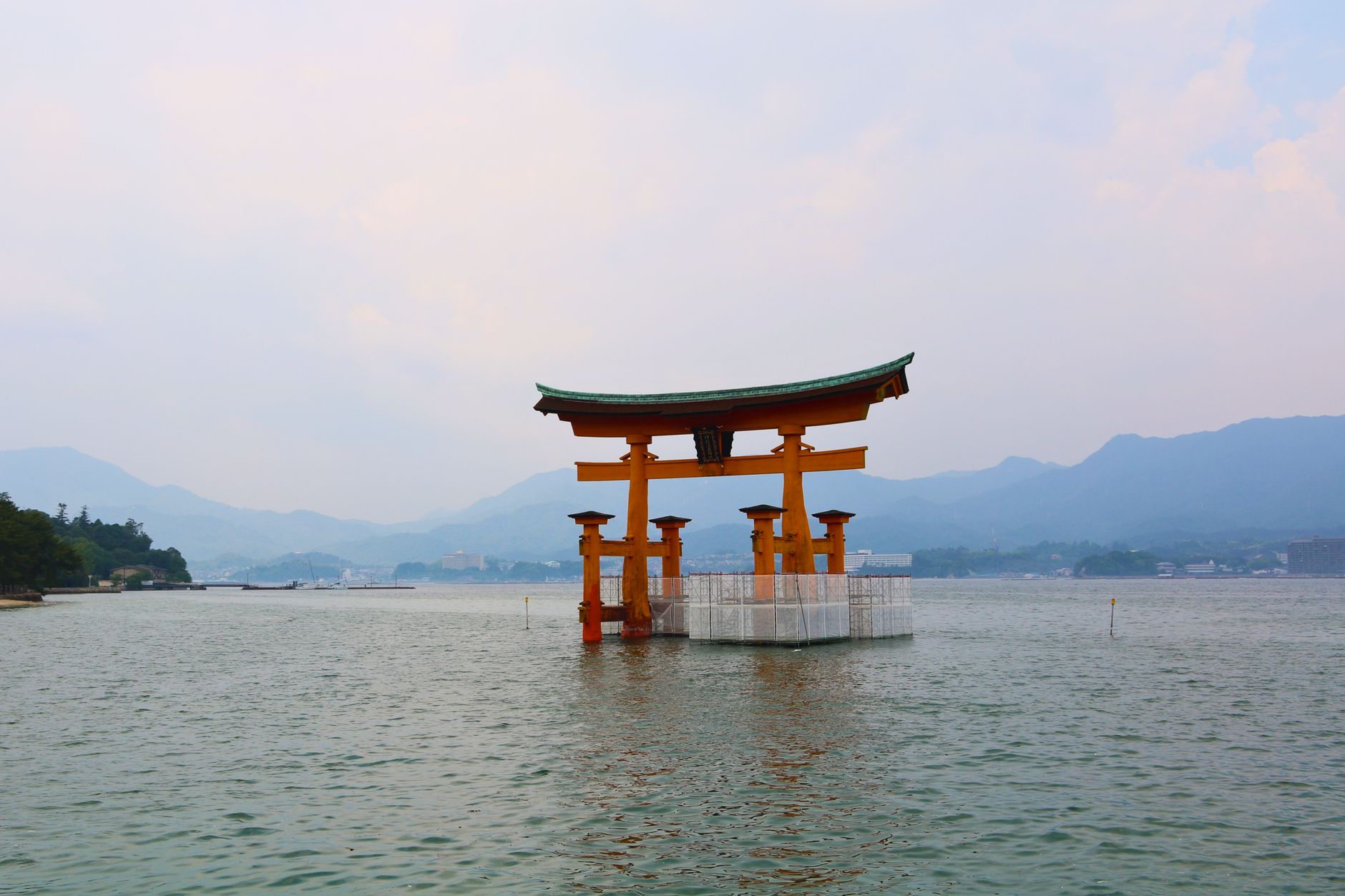
Hiroshima and Miyajima: A Thoughtful Group Day by Coach
8 min · tips
Iya Valley – Japan's Most Dramatic Hidden Gorge & the Kazurabashi Vine Bridge
6 min · tips
Izumo Taisha: Japan’s Grand Shrine of Matchmaking
8 min · destinations
Kimono in Ehime: Where to Wear It, Best Photo Spots and How to Plan the Day
8 min · culture