
Iya Valley – Japan's Most Dramatic Hidden Gorge & the Kazurabashi Vine Bridge
Your complete guide to Iya Valley, Tokushima: the best time to visit, how to get there, top photo spots, and a ready-to-use 1–2 day itinerary for this stunning off-the-beaten-path destination.
Jan 19, 2026·✍️ olablog·⏱ 6 min read
Your complete guide to Iya Valley, Tokushima: the best time to visit, how to get there, top photo spots, and a ready-to-use 1–2 day itinerary for this stunning off-the-beaten-path destination.
Tap a region to browse articles
Japan rewards the curious traveler — and Iya Valley in Tokushima Prefecture is one of those rare places that makes even seasoned globetrotters stop mid-sentence and stare. This isn't just a scenic detour; it's a full sensory immersion into ancient forests, sheer river gorges, and mountain roads that feel lifted straight from a Studio Ghibli film.
1. What Makes Iya Valley So Special
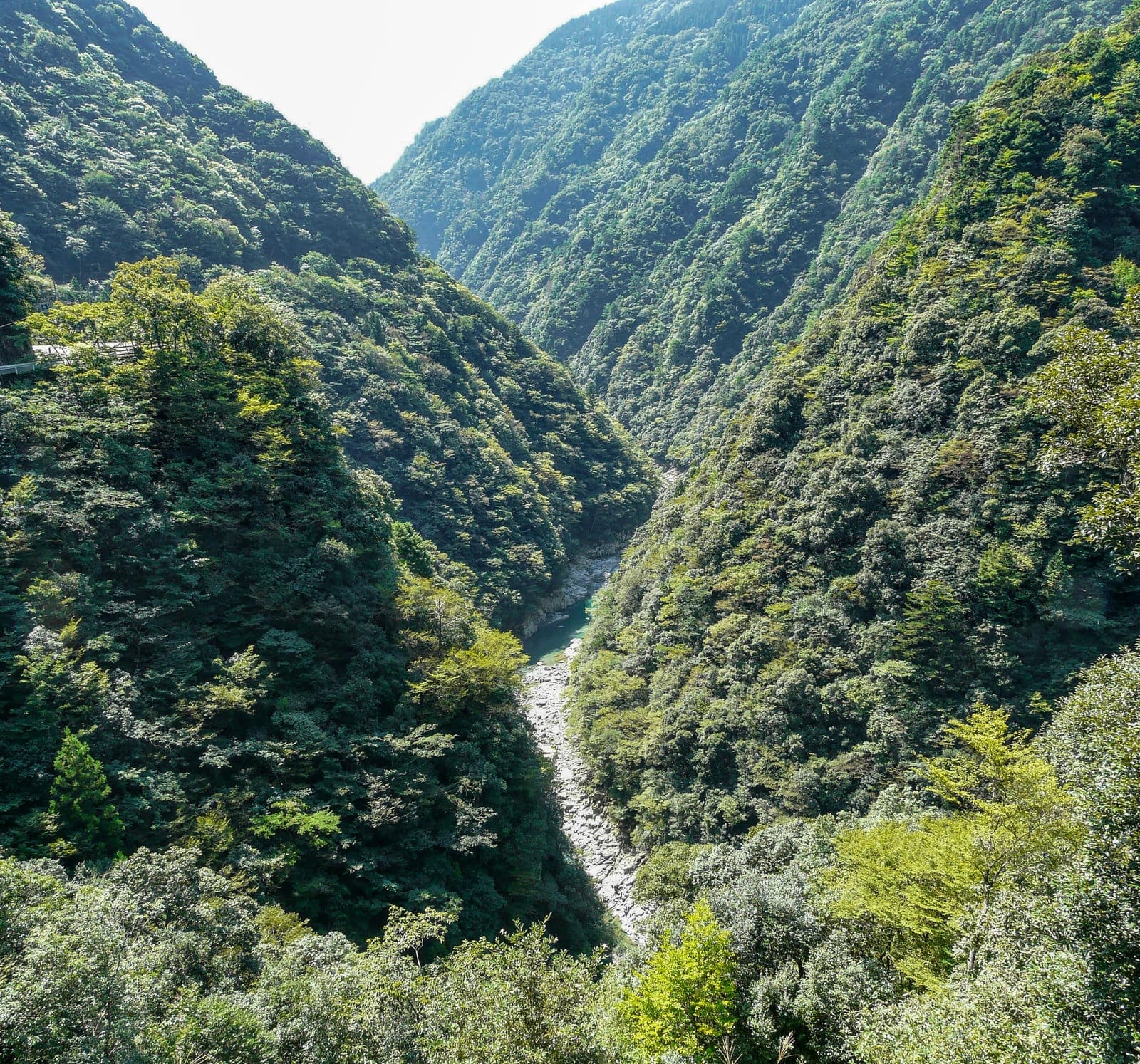
Iya Valley earns its reputation as one of Japan's three great "hidden regions" (Nihon sandai hikyō) the hard way: you have to work a little to get there, and the landscape repays every bit of effort. Tokushima's interior unfolds like a canvas only nature could paint — schist gorges plunging hundreds of feet to jade-green rivers, cedar forests that swallow the light, and mist that clings to the ridgelines long after dawn.
The light shifts dramatically throughout the day, from a sharp golden sunrise to soft, dusty-rose dusks. Every hour offers a different photograph. But it's the journey itself — winding mountain roads hugging cliff faces, passing farmhouses that haven't changed in a century — that most visitors say stays with them longest. Think of it less as a destination and more as a slow-burn adventure from the moment you leave the highway.
2. Top Photo Spots You Can't Skip
Iya Valley and the wider Tokushima region are packed with viewpoints — some on every travel blog, others known only to locals. Here are the ones worth planning your day around:
Main Valley Overlook: A sweeping 180-degree panorama of the gorge. Sunrise and sunset here are routinely described as the best in Shikoku — set your alarm.
Ancient Cedar Tunnel: Century-old trees arch overhead to form a natural green corridor. Particularly jaw-dropping in late April (fresh spring green) and mid-November (fiery autumn foliage).
River Reflection Point: The Iya River acts as a near-perfect mirror on calm mornings, producing the kind of symmetrical shots that look too good to be real — they're not filtered, the valley just looks like that.
Summit Panorama: Hike or drive to the highest accessible point for a full 360-degree view across the Tokushima highlands — on a clear day you can see for miles.
3. Best Time to Visit
Every season brings something worth seeing, but the sweet spots are May and November:
- Weather is stable — ideal for driving mountain roads and lingering at viewpoints
- Scenery peaks seasonally: cherry blossoms in May, blazing maples in November
- Natural light is perfect for photography between 6–9 a.m. and 4–6 p.m.
- Crowds are manageable — busy enough to feel alive, quiet enough to actually enjoy it
A winter visit brings the chance of snow-dusted gorges that look genuinely otherworldly — but mountain roads can ice up quickly, so plan carefully. Spring and autumn remain the most reliable choices for first-timers.
4. The Best Way to Explore — Self-Drive
Public transport into Iya Valley exists, but it's infrequent and won't get you to the most rewarding spots. Renting a car is the single best decision you can make here. It frees you from bus timetables, lets you pull over whenever the light hits a waterfall just right, and opens up the narrow back roads that no tour bus will ever touch.
Most roads around Iya Valley are well-maintained and clearly signed, even in English on the main routes. The mountain stretches are single-track in places but manageable for any confident driver — passing bays are frequent and locals are patient. Rest areas with clean facilities are dotted along the key routes, making longer drives genuinely comfortable.
✨ Tip: Rent a car through OlaChill for the flexibility to explore Iya Valley entirely on your own schedule — driver-guided or self-drive options available.
5. Sample 1–2 Day Itinerary
Day 1:
- 6:00 a.m. – Arrive at the main valley overlook for sunrise; watch the gorge emerge from the mist in golden light
- 8:00 a.m. – Breakfast at a local restaurant — look for soba made from locally grown buckwheat, a Tokushima specialty
- 9:30 a.m. – Drive the main scenic route, stopping freely at viewpoints along the way
- 12:00 p.m. – Lunch at a roadside rest area or a small local diner
- 2:00 p.m. – Explore secondary stops: a historic village, a waterfall, or a nearby lake
- 5:00 p.m. – Check in to your hotel or ryokan (traditional inn)
- 6:30 p.m. – Soak in the onsen if your accommodation has one, then settle in for a kaiseki dinner
Day 2:
- 7:00 a.m. – Early breakfast and an early start — beat the day-trippers
- 8:30 a.m. – Head down a lesser-known side road or a viewpoint that didn't make the guidebooks
- 11:00 a.m. – Shoot the river reflection point while the light is still low and soft
- 1:00 p.m. – Leisurely lunch and a chance to decompress
- 3:00 p.m. – Head onward to your next destination, or loop back toward Tokushima City
6. Practical Tips
- 📷 Golden hour is non-negotiable: The 30 minutes before and after sunrise/sunset deliver the best light — it's worth the early alarm
- 🚗 Book your rental car early: Especially in May and November, availability fills up fast — aim to reserve at least 1–2 weeks ahead
- ⛽ Fill up before you go: Gas stations thin out significantly in the Iya Valley interior; top off your tank before you head into the mountains
- 📱 Download offline maps: Save Google Maps data for the Tokushima region before you leave — cell signal gets patchy on mountain roads
- 🍙 Stock up at a convenience store: A 7-Eleven or FamilyMart stop before you head into the valley is never a bad idea — onigiri and coffee will carry you through the gaps between restaurants
- ☁️ Check the forecast: Critical in winter or rainy season — mountain weather moves fast and road conditions can change within hours
More from this region — Chugoku & Shikoku
View all →
Izumo Taisha: Japan’s Grand Shrine of Matchmaking
8 min · destinations
Kimono in Ehime: Where to Wear It, Best Photo Spots and How to Plan the Day
8 min · culture
Kimono in Hiroshima: Where to Wear It, Best Photo Spots and How to Plan the Day
8 min · culture
Kimono in Kochi: Where to Wear It, Best Photo Spots and How to Plan the Day
8 min · culture