
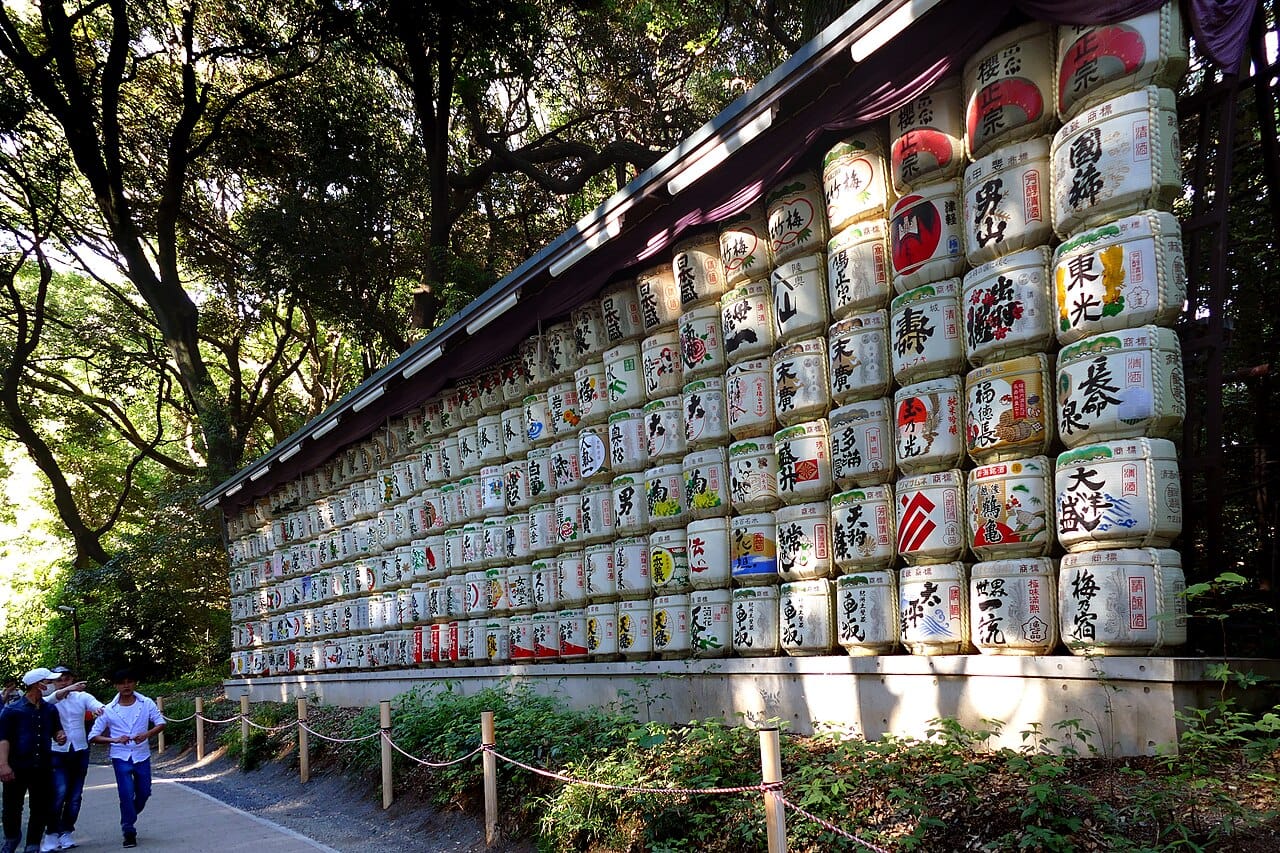
Nada Gogo, Kobe: A Self-Guided Sake Brewery Walk
How to visit Kobe's Nada Gogo sake district on your own: the five brewing areas, trains from Osaka and Kobe, the best brewery museums, seasons and tasting tips.
May 4, 2026·✍️ olablog·⏱ 5 min read
How to visit Kobe's Nada Gogo sake district on your own: the five brewing areas, trains from Osaka and Kobe, the best brewery museums, seasons and tasting tips.
Tap a region to browse articles
Nada Gogo means "the five villages of Nada", and you won't find it as a single stop on a train map. It is a chain of brewing districts along the coast between Kobe and Nishinomiya, home to some of the biggest names in Japanese sake and often described as the largest sake-producing area in the country. Several of the big brewers run museums with tasting counters, most of them free, and they sit within walking distance of small local stations. A few hours here will teach you more about sake than any bottle label.
The five districts
From west to east, the districts are Nishigo in Kobe's Nada Ward, Mikage-go and Uozaki-go in Higashinada Ward, and Nishinomiya-go and Imazu-go in the neighboring city of Nishinomiya. Most visitors stay on the Kobe side, where the museums cluster. Nishinomiya is worth adding if you want to see where the district's famous water comes from.
Why sake is brewed here
Three natural advantages meet on this stretch of coast. The first is miyamizu, a mineral-rich well water from Nishinomiya that drives a vigorous fermentation and gives Nada sake its dry, firm backbone. The second is Yamada Nishiki, the rice variety prized by brewers, which is grown widely in inland Hyogo. The third is Rokko oroshi, the cold winter wind that sweeps down from the Rokko Mountains and keeps the breweries chilly through the brewing season. Add a coastline from which barrels could be shipped by sea to Edo, today's Tokyo, and Nada became one of the main sources of the capital's sake during the Edo period.
The classic comparison is with Fushimi in Kyoto. Nada's harder water produces crisper, more robust sake, traditionally nicknamed "men's sake", while Fushimi's softer water makes a gentler style.
Getting there
The Hanshin Main Line is the brewery line. From Osaka-Umeda, Hanshin trains toward Kobe reach the district in around 30 minutes, and from Kobe-Sannomiya it is only a few stops east. The breweries sit on the seaward side of the tracks between Oishi and Uozaki stations, with Sumiyoshi in the middle. Only local trains stop at every station, so check that yours stops where you want to get off.
If you are on JR, Sumiyoshi Station on the JR Kobe Line is about a 10-minute walk from the Hanshin line. From Kyoto, take JR to Osaka or Sannomiya and switch to Hanshin.
Museums and breweries worth your time
Hakutsuru Sake Brewery Museum (near Hanshin Sumiyoshi). Set in an old wooden brewery building, it walks you through traditional brewing with life-size figures and original tools, with English explanations, and finishes at a tasting counter and shop. Admission is free.
Kiku-Masamune Sake Brewery Museum (Higashinada Ward, a short walk from Hakutsuru). A large collection of traditional brewing tools, displayed in a building rebuilt after the 1995 Great Hanshin-Awaji Earthquake badly damaged the district's old wooden storehouses.
Hamafukutsuru Ginjo Brewery (Uozaki area). One of the few places where you can look through windows at a working production floor, followed by a tasting of its ginjo sakes.
Kobe Shushinkan (Mikage-go). The brewery behind the Fukuju label, with a shop, tasting and a restaurant, Sakabayashi, on its grounds.
Sawanotsuru Museum (Nishigo, near Hanshin Oishi). A smaller museum focused on traditional brewing, useful if you are starting from the Kobe end.
Hakushika Memorial Museum (Nishinomiya). Run by the Hakushika brewery and covering the history and culture of sake; the miyamizu wells are in the same part of town.
Opening days vary, and most places close over the New Year holidays, so check each museum before you set out.
When to go
Brewing runs through the cold months, roughly October to March, and that's when you are most likely to smell fermenting rice in the streets and find freshly pressed, unpasteurized namazake in the shops. Some breweries hold open days in late winter and spring. Because the museums are indoors, summer visits work well too; just do the walking between breweries early or late in the day.
Tasting and eating
Nada's crisp style suits rich food. In Kobe that means Kobe beef, of course, but also local seafood such as Akashi octopus, and in early spring, ikanago no kugini, tiny sand eels simmered in soy sauce and ginger that are a Kobe home-cooking staple. At tasting counters, start with lighter ginjo styles before moving to fuller junmai, and drink water between glasses. Look out for bottles sold only at the brewery, since several producers keep special labels for their own shops.
A few ground rules: the legal drinking age in Japan is 20, drink-driving laws are strict, groups should contact museums ahead, and voices should stay low near working brewery areas.
Plan your trip
Allow three to four hours for two or three museums. A simple route starts at Hanshin Sumiyoshi with Hakutsuru, continues on foot east to the Uozaki breweries, and ends with a Hanshin train back to Sannomiya for dinner. With a full day, add Nishinomiya in the morning. To compare the softer Kyoto style, see our guide to the Fushimi sake district, and for an overview of brewery visits across Japan, read visiting sake breweries in Japan.
More from this region — Kyoto, Nara & Kansai
View all →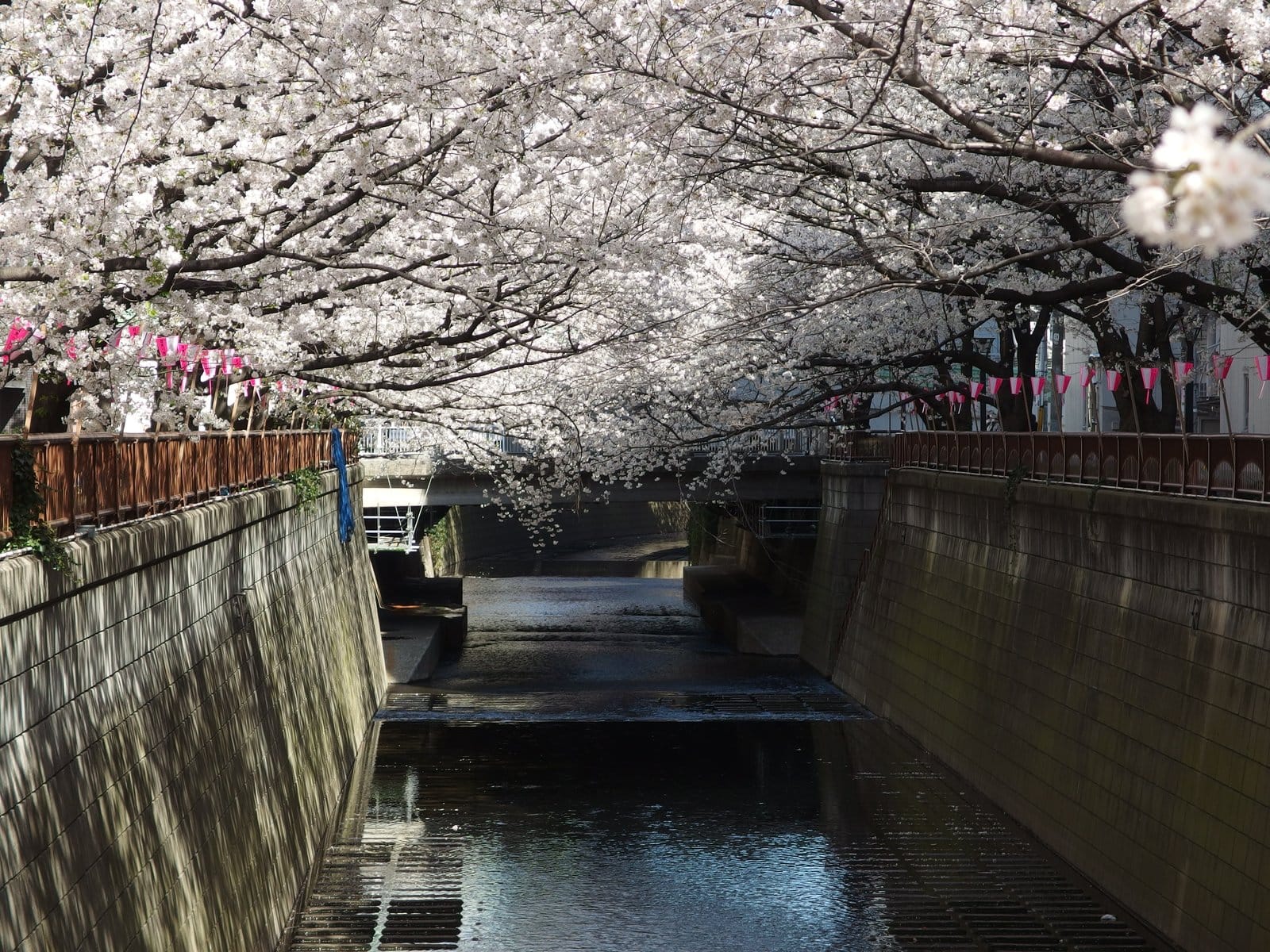
Japan Sakura — Regional Bloom Calendar & How to Time Your Trip
7 min · destinations

Setagaya: “Little Kyoto” in Tokyo and How to Escape into Autumn Without Leaving the City
18 min · tips
Solo Kyoto in 2 Days — A Quiet Itinerary for Independent Travelers
6 min · tips
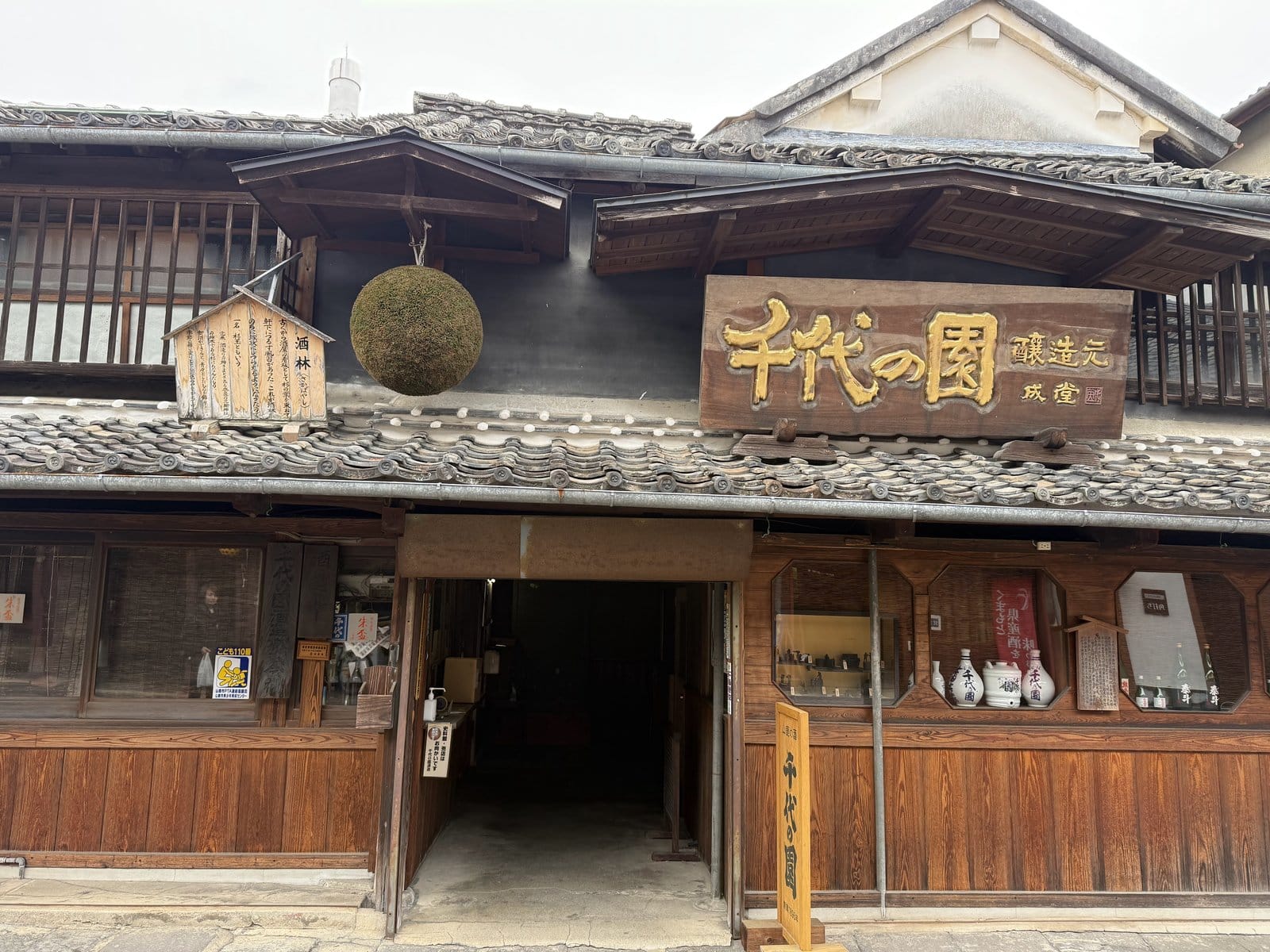
Visiting Sake Breweries in Japan: Fushimi, Nada, and the Magic of the Winter Brewing Season
6 min · food