
Solo Kyoto in 2 Days — A Quiet Itinerary for Independent Travelers
A 2-day Kyoto itinerary for solo travelers: a crowd-free Fushimi Inari at sunrise, the Ryoanji Zen garden, tea alone, and a walk along the Philosopher's Path.
Aug 8, 2026·✍️ olablog·⏱ 6 min read
A 2-day Kyoto itinerary for solo travelers: a crowd-free Fushimi Inari at sunrise, the Ryoanji Zen garden, tea alone, and a walk along the Philosopher's Path.
Tap a region to browse articles
Kyoto has two faces. There’s the Kyoto of tour groups lining up to take photos in front of temple gates at 11 a.m. — and the Kyoto of early-morning mist, bamboo brooms sweeping temple courtyards, and a thousand-torii corridor without another person in sight. The second face is almost made for solo travelers: people who can get up at 5 a.m. without consulting anyone, who can sit in front of a rock garden for 40 minutes without someone urging them to “move on.” The 2-day itinerary below revolves around one word: stillness.
The golden rule: go against the crowds
Kyoto welcomes enormous numbers of visitors, but the crowds keep remarkably predictable “business hours”: 9h30 to 16h30. Solo travelers have one advantage no group can match — total mobility. The formula for these 2 days is: visit the most famous sights at sunrise, lesser-known places in the middle of the day, and walking routes in the late afternoon. For getting around, buy a 1-day bus/subway pass or use an IC card; expect to spend around 700–1.100 yen per day. Stay near Kyoto Station or in the Gion area to make early starts easier.
Day 1, early morning: Fushimi Inari before dawn

Fushimi Inari Taisha is open 24/7 and free of charge — Kyoto’s greatest gift to early risers. Arrive at 5h30–6h30: the JR Nara Line from Kyoto Station takes just 5 minutes. At that hour, the thousands of vermilion torii gates climbing the mountain feel as though they belong to you alone — sunlight slanting through the gaps, crows calling, and the occasional elderly worshipper offering a quiet nod. Being alone here isn’t frightening at all; on the contrary, it’s one of the most meditative experiences in Japan.
Don’t stop at the Yotsutsuji viewpoint like most visitors do — if you still have the energy, complete the hike to the summit of Mount Inari (2–3 hours round trip). The upper section is so quiet that you can hear your own footsteps. Come back down around 9 a.m. and have breakfast at one of the stalls around the station: grilled fish-shaped cakes or inari sushi — rice wrapped in fried tofu, a dish born from this very shrine.
Day 1, afternoon: the Ryoanji Zen garden and the quiet northwest
In the afternoon, when the crowds converge on Kiyomizu-dera and Arashiyama, head in the opposite direction: northwest Kyoto. Ryoanji (around 600 yen) is the world’s most famous Zen rock garden: 15 rocks arranged on a bed of white gravel raked into waves, along with a mystery — from any angle on the wooden veranda, you can count no more than 14 of them. They say you must attain enlightenment to see the 15th.
This is a place where traveling alone is the only truly right way to experience it. Sit on the veranda, let your eyes drift across the gravel, and don’t try to “understand” anything. Ten minutes, twenty minutes — no one is waiting for you at the gate. Nearby, Kinkakuji (the Golden Pavilion, 500 yen) is an option if you want to stop by, but be prepared: it’s crowded all day. A much quieter alternative is Myoshinji — a sprawling temple complex with stone-paved lanes that are almost entirely free of tourists.
Day 2, morning: a cup of tea just for you
On the second morning, slow down. Kyoto is the capital of tea ceremony, and there are several ways to enjoy tea alone here:
- The simplest: a traditional tea house around Gion or along the Shirakawa River — order matcha with wagashi (seasonal sweets), for around 800–1.500 yen. Sit by the window overlooking a garden and whisk a bowl of frothy green tea — 30 minutes of genuine “recharging.”
- A deeper experience: a guided tea ceremony session (around 2.000–4.000 yen, 45–60 minutes). Many places accept individual guests and explain each movement in English — why the bowl is turned, why you bow. When you’re alone, you can ask questions freely without worrying about interrupting a group.
- The most unexpected: temples such as Kodaiji and some of the subtemples within Daitokuji occasionally serve tea in their gardens — sometimes the best cup is found behind an unmarked wooden gate.
The tea ceremony is built around the spirit of “ichigo ichie” — one meeting, once in a lifetime. No companion fits that philosophy better than solitude itself.
Day 2, afternoon: the Philosopher's Path — a road made for walking alone
End your journey on Tetsugaku no Michi — the Philosopher's Path: a roughly 2 km walking route following a small canal beneath rows of cherry trees, linking the Nanzenji area with Ginkakuji Temple. The path takes its name from philosopher Nishida Kitaro, who walked this route every day while reflecting — meaning you are, quite literally, walking along a path made for people who travel alone and think.
Start at Nanzenji (free grounds, with the imposing Sanmon gate and a beautiful red-brick aqueduct), then take a leisurely 1,5–2 hours heading north. Stop at any small temple along the way that sparks your curiosity — Eikando, Honen-in (with its beautiful moss-covered gate and free entry to the grounds). Finish at Ginkakuji (the Silver Pavilion, 500 yen) before closing time, when the visitors have thinned out. The path is beautiful in every season: cherry blossoms in April, autumn leaves in November, and year-round quiet in the late afternoon.
A few final tips for solo travelers in Kyoto before you wrap up:
- Dining alone: around Kyoto Station and along Pontocho Street, you’ll find plenty of ramen shops and obanzai restaurants (Kyoto-style home cooking) with counter seating. Don’t be intimidated by tiny places with only 8 seats — they’re often the best.
- 2-day budget: admission fees for the sights come to around 1.600–2.500 yen in total, while 3.000–5.000 yen/day for food is comfortable.
- Luggage storage: coin lockers at Kyoto Station fill up quickly in the morning — arrive early or use a staffed luggage storage counter.
Conclusion: Kyoto answers those who know how to be quiet
Two days aren’t enough to “see all” of Kyoto — but seeing everything has never been the point. Traveling alone, rising before sunrise, sitting longer than necessary in front of a rock garden: that is how Kyoto opens its second door, the one hurried tour groups never see. And very possibly, a solo trip to Kyoto will be the journey that changes the way you travel forever.
If you’d like to add Kyoto to a longer trip through Tokyo, Nara, or Osaka, take a look at OlaChill’s Japan tours, or read the article on 3 days in Tokyo for solo travelers on the OlaChill blog.
More from this region — Kyoto, Nara & Kansai
View all →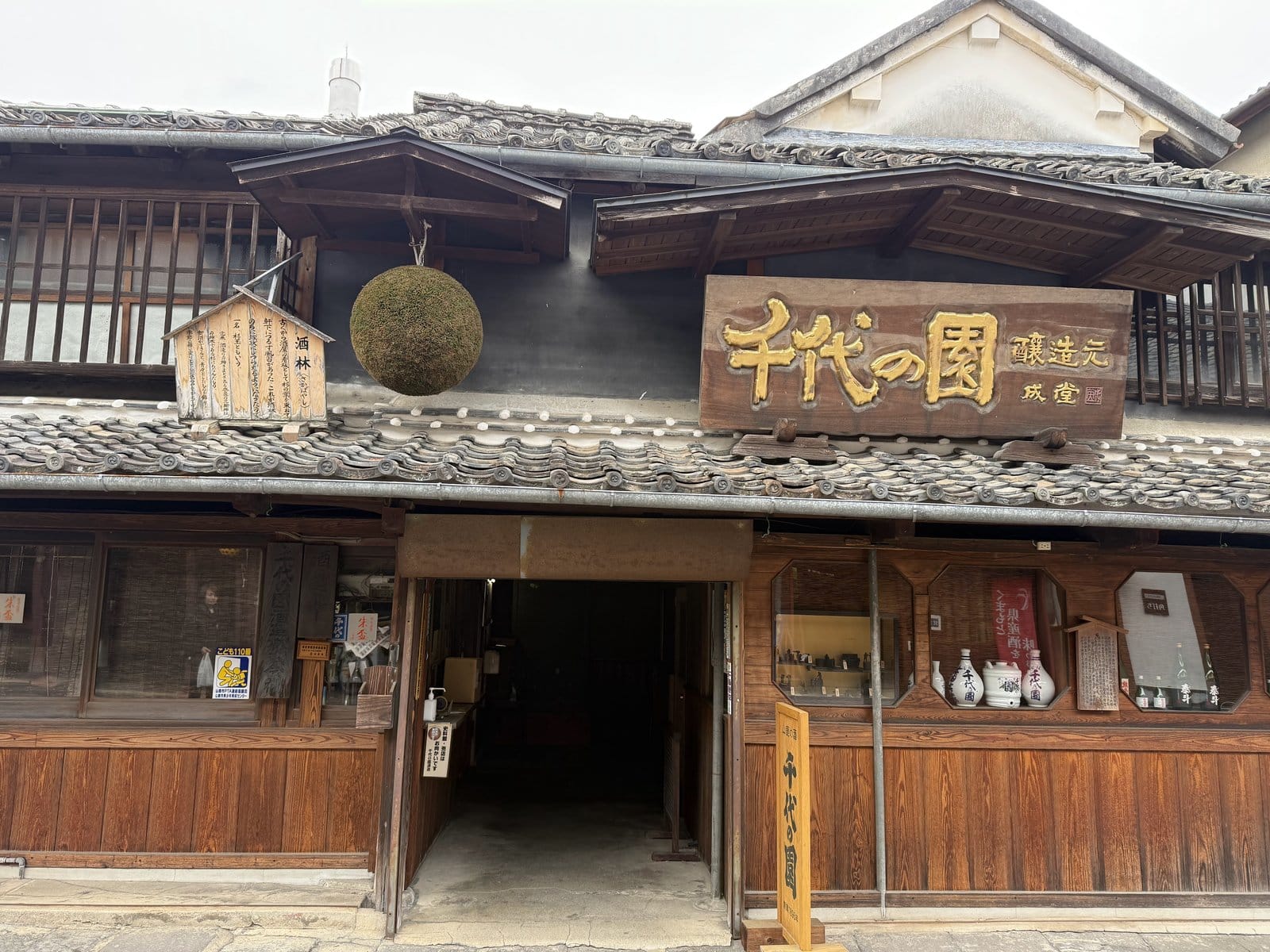
Visiting Sake Breweries in Japan: Fushimi, Nada, and the Magic of the Winter Brewing Season
6 min · food
Kimono Rental in Kyoto: A Complete A-to-Z Guide for First-Time Visitors
7 min · culture
Tokyo to Kyoto by Charter Bus: Route Time, Stops and When It Makes Sense
9 min · tips
Uji – Japan’s Matcha Mecca Just 20 Minutes by Train from Kyoto
5 min · food