
Visiting Sake Breweries in Japan: Fushimi, Nada, and the Magic of the Winter Brewing Season
A guide to visiting sakagura—Japanese sake breweries: the Fushimi area in Kyoto, Nada in Kobe, tasting tours, sake museums, and why winter is the best season for brewing.
Aug 8, 2026·✍️ olablog·⏱ 6 min read
A guide to visiting sakagura—Japanese sake breweries: the Fushimi area in Kyoto, Nada in Kobe, tasting tours, sake museums, and why winter is the best season for brewing.
Tap a region to browse articles
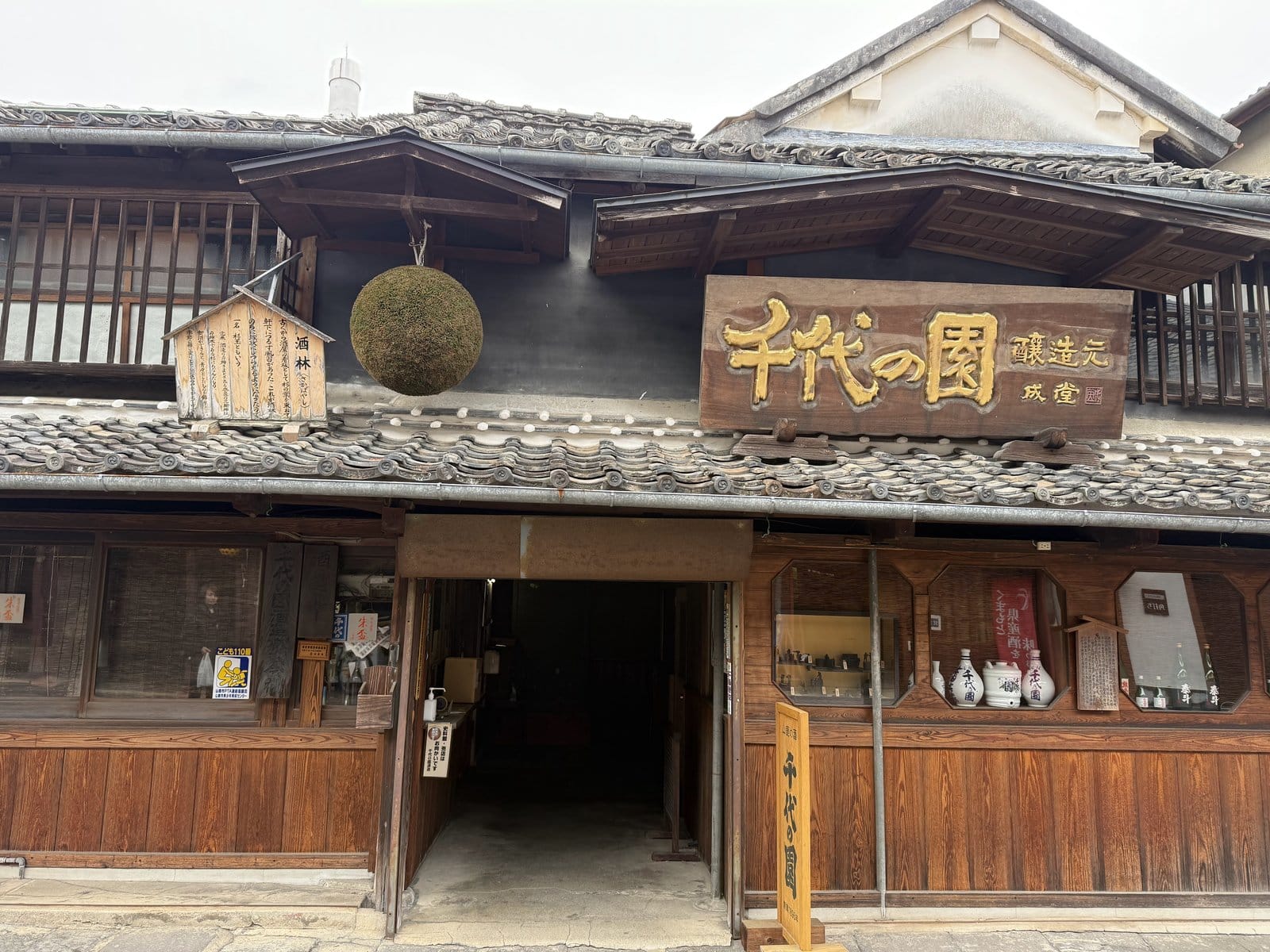
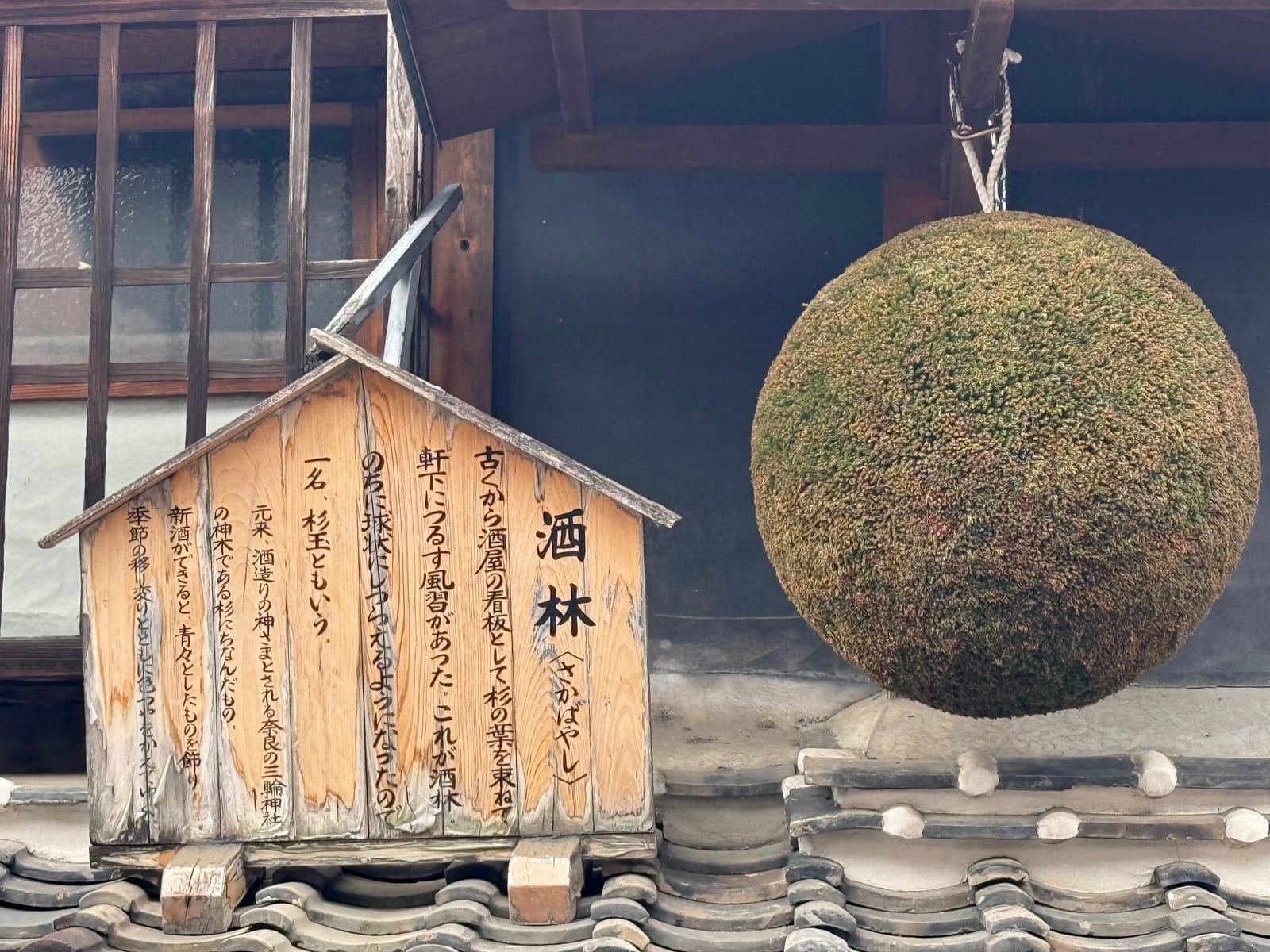
If wine has vineyard tours in France, sake has sakagura—traditional breweries with white walls, gray-tiled roofs, and cedar-leaf balls hanging outside the entrance. Visiting a sakagura is the quickest way to understand why the Japanese call sake their “national drink”: you can breathe in the fragrant aroma of steamed rice, see enormous wooden brewing vats, and taste the sake right where it was made. The good news is that Japan’s two most famous sake regions are right next to familiar tourist destinations: Kyoto and Kobe.
What is a sakagura, and why should you visit one?
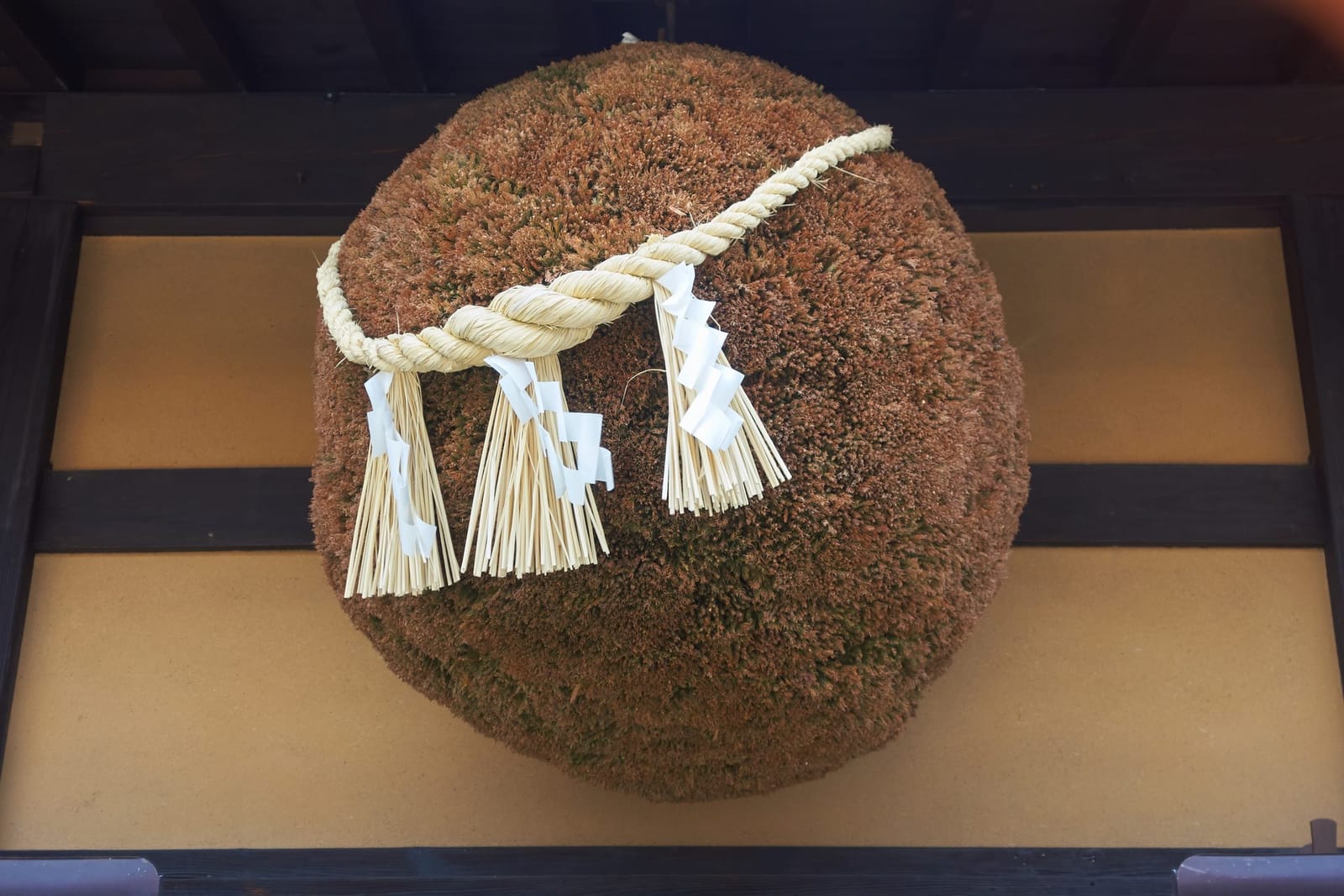
Sakagura (酒蔵) literally means “sake storehouse”—a general term for sake breweries, ranging from centuries-old family workshops to modern production facilities. Japan now has more than a thousand sakagura across the country, and an increasing number welcome visitors with galleries, tasting counters, and shops selling limited-edition bottles available only on-site.
What makes a sakagura visit different from buying sake at a supermarket is the story behind it: each region has its own water source, rice varieties, and brewing traditions passed down by its toji master brewers, all of which give every sip its own character. Once you understand that, the bottle you take home is no longer just a drink—it becomes a piece of a memory.
Fushimi, Kyoto: elegant sake beside willow-lined canals
Just about 15 minutes by train from Kyoto Station, Fushimi is one of Japan’s oldest sake-producing districts. Its secret is soft, low-mineral groundwater, which produces smooth, mellow sake—once described as “the drink of women.” The historic neighborhood, with rows of white-walled storehouses reflected in the canals and jikkokubune sightseeing boats gliding beneath the willows, looks like a scene from an Edo-period film.
A standout destination is the museum operated by Gekkeikan, a sake brand with more than 380 years of history. It displays traditional brewing tools and includes a tasting with admission (tickets usually cost only a few hundred yen and include a mini bottle to take home). The surrounding area is also home to smaller breweries and sake bars where you can order tasting flights of several varieties at once. You can easily combine Fushimi with a visit to the thousand-gate Fushimi Inari Shrine in the same day—half a day for spirituality, half a day for flavor.
Nada, Kobe: Japan’s largest sake-producing district
Stretching along the coast between Kobe and Nishinomiya, the Nada region—often called Nada Gogo, or the “five villages of Nada”—produces roughly one-quarter of the country’s sake. Unlike Fushimi, the local water is miyamizu, rich in minerals, creating sake that is crisp and robust—traditionally known as “the drink of men.” Add the famed Yamada Nishiki rice grown right in Hyogo, and Nada has all the natural advantages needed for brewing.
Major names such as Hakutsuru, Kiku-Masamune, and Sawanotsuru each have their own museum here, most with free admission and tasting counters. The Hakutsuru Museum occupies an original wooden brewing warehouse and recreates the sake-making process with life-size figures, along with English-language explanations. The museums are fairly close to one another along the Hanshin railway line, so you can combine walking and local trains to go “brewery hopping” at 2–3 places in one afternoon from Osaka or Kobe.
Tasting tours: how to taste sake properly
At the tasting counter, don’t gulp it down. Follow the sequence used by experienced tasters: examine the color in the cup (special tasting cups have two blue-and-white circles on the bottom to help you check clarity), gently swirl it and smell the aromas, then take a small sip and let the sake spread across your tongue before swallowing. Compare at least two varieties—for example, a rich junmai and an aromatic daiginjo—and you’ll notice the differences much more clearly than if you taste each one on its own.
Some breweries offer guided tours that must be booked in advance through their website, especially tours that enter the actual brewing areas. Tastings are often free for basic varieties and cost anywhere from a few hundred to around a thousand yen or more for premium labels. A small tip: start with lighter, more fragrant varieties before moving on to fuller-bodied ones; drink water between tastings; and if you visit several breweries, feel free to use the spittoon or discard what remains—no one will judge you.
Winter: the season of new sake
The traditional sake-brewing method is called kanzukuri, or “cold-weather brewing.” From around October to March, when lower temperatures help control fermentation, sakagura enter their main brewing season. Visiting during this period gives you the chance to see a brewery in full operation, smell the aroma of bubbling moromi, and spot a freshly replaced sugidama outside the entrance, its leaves still green—a signal that “new sake has arrived.”
This is also the season for shinshu, or new sake, and nama genshu—unpasteurized, undiluted sake sold in limited quantities on-site. Many regions also hold warehouse-opening festivals in late winter and early spring, with an atmosphere every bit as lively as summer festivals. If your itinerary falls during winter, don’t hesitate to add a sakagura visit—it’s the most “alive” version of sake culture.
Planning your visit
Fushimi is ideal for travelers staying in Kyoto who love historic surroundings; Nada is better for those who want to see sake production on an industrial scale and travel conveniently between Osaka and Kobe. Both areas are easy to reach by train, inexpensive to visit, and easy to add to a 4–5-day Kansai itinerary. If you would like a ready-made optimized route with a knowledgeable guide, take a look at OlaChill’s Japan tours—many Kansai itineraries can incorporate a sakagura stop on request.
One final note: Japanese law allows only people aged 20 or older to drink alcohol, including at tasting counters. Taste responsibly, eat something beforehand, and never drive on the day you visit a brewery. Wishing you a trip filled with the fragrance of freshly brewed rice!
More from this region — Kyoto, Nara & Kansai
View all →
Kimono Rental in Kyoto: A Complete A-to-Z Guide for First-Time Visitors
7 min · culture
Tokyo to Kyoto by Charter Bus: Route Time, Stops and When It Makes Sense
9 min · tips
Uji – Japan’s Matcha Mecca Just 20 Minutes by Train from Kyoto
5 min · food
Nachi Falls – Japan's Tallest Waterfall Hidden in Sacred Forest
5 min · tips