
Fushimi Sake District, Kyoto: Breweries, Tastings and Canals
A half-day guide to Kyoto's Fushimi sake district: why its water matters, how to get there, the Gekkeikan museum, tasting spots, the canal and when to visit.
May 4, 2026·✍️ olablog·⏱ 5 min read
A half-day guide to Kyoto's Fushimi sake district: why its water matters, how to get there, the Gekkeikan museum, tasting spots, the canal and when to visit.
Tap a region to browse articles
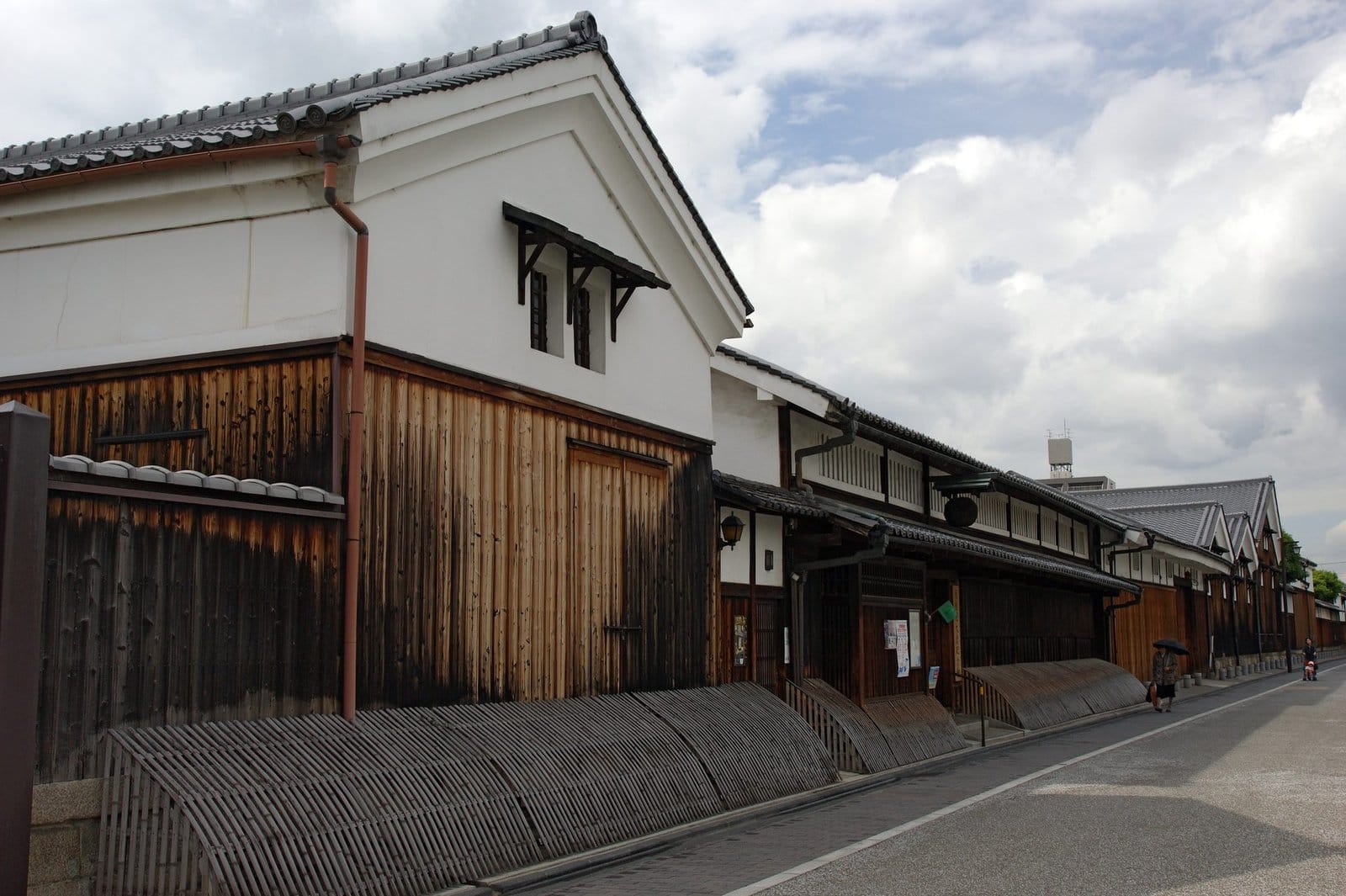
South of central Kyoto, beyond the vermilion gates of Fushimi Inari, is a neighborhood where the air smells faintly of steamed rice in winter. Fushimi has been brewing sake for centuries and is one of Japan's two great sake districts, alongside Nada in Kobe. What makes it easy for visitors is its size: the breweries, a museum, tasting bars and a willow-lined canal all sit within a compact area you can cover on foot in half a day.
Why Fushimi makes good sake
It comes down to water. Rain falling on the surrounding hills seeps slowly into the ground and collects beneath Fushimi, and the soft groundwater that wells up has been the district's great asset for centuries. The area's name was once written with characters meaning "hidden water". Soft water ferments more slowly than hard water, so Fushimi sake tends to be smooth, rounded and mild. It is traditionally contrasted with the crisper, firmer sake of Nada, where harder water produces what is often called "men's sake" to Fushimi's "women's sake".
You can taste the water for yourself at Gokogu Shrine near Momoyama-Goryomae Station. Its spring, Gokosui, is among the famous waters of Japan selected by the national government, and you will often see locals filling bottles there.
Getting there
- From Kyoto Station: the Kintetsu Kyoto Line reaches Momoyama-Goryomae in about 10 to 15 minutes. The brewery streets and the canal are a short walk away.
- From Gion or Sanjo: the Keihan Main Line runs south to Fushimi-Momoyama and Chushojima. Chushojima is the closest station to the Gekkeikan museum and the canal.
- From Osaka: Keihan trains from Yodoyabashi or Kitahama reach Chushojima in around 40 minutes.
What to see and taste
Gekkeikan Okura Sake Museum. Gekkeikan has been brewing in Fushimi since the 1630s, and its museum occupies one of its old brewery buildings. It walks you through the traditional process with wooden tools and vats, lets you try the well water used for brewing, and ends with a tasting. It is the best first stop, because it gives you the vocabulary for everything else you will taste.
Kizakura Kappa Country. A few minutes away, Kizakura's complex is more relaxed: a courtyard, a restaurant and a shop selling the brewery's sake alongside its own craft beer. The kappa, a mischievous river creature from Japanese folklore, is the brand's mascot, and you will spot it everywhere.
Fushimi Yume Hyakushu. Set in Gekkeikan's former head office building, this cafe and shop stocks sake from many Fushimi breweries and serves tasting sets, a simple way to compare several producers side by side.
Torisei Honten. A restaurant run by the Yamamoto Honke brewery in one of its old storehouses, serving yakitori with sake drawn from the brewery next door. It is popular, so arrive early for dinner.
The canal and the jikkokubune. The white-walled storehouses back onto a canal where flat-bottomed jikkokubune boats, modeled on the cargo boats that once plied these waters, run short sightseeing trips in season. Cherry trees line the banks in spring.
Teradaya. This old inn is famous as the place where Sakamoto Ryoma, a key figure of the late Edo period, was attacked in 1866. It stands close to the canal, near the Ryoma-dori shopping street.
When to go
Sake is traditionally brewed in the cold months, roughly October to March. A visit in that period gives you the best chance of catching the smell of fermentation in the streets and finding shinshu, new-season sake, on sale. Look for the sugidama, the ball of cedar leaves hung outside each brewery: fresh green means new sake has just been pressed, and the ball slowly turns brown as the sake matures. Spring brings cherry blossoms along the canal. Summer in Kyoto is hot and humid, so save outdoor walking for the morning and do your tasting in the afternoon.
Tasting tips
- Order a tasting flight (a nomikurabe set) where you can. Three small glasses side by side teach you more than one large one.
- Move from light and fragrant styles to richer, fuller ones.
- Drink water between glasses. In Japan it is called yawaragi-mizu, roughly "softening water".
- Eat as you go. Kyoto's tofu dishes, simmered vegetables and grilled fish suit Fushimi's gentle style.
- The legal drinking age is 20, and Japan's drink-driving rules are very strict, so leave the car behind.
- Many shops and tasting counters close by early evening, so start no later than early afternoon.
Plan your trip
Half a day is enough: begin at the Gekkeikan museum, walk the canal, try a tasting flight, and finish with dinner in the district. Fushimi also combines easily with Fushimi Inari Taisha, a short ride north on the Keihan line. Visit the shrine early, as in our Fushimi Inari sunrise guide, then spend the afternoon among the breweries. To compare the bolder style of the other great sake district, read our guide to Nada Gogo in Kobe.
More from this region — Kyoto, Nara & Kansai
View all →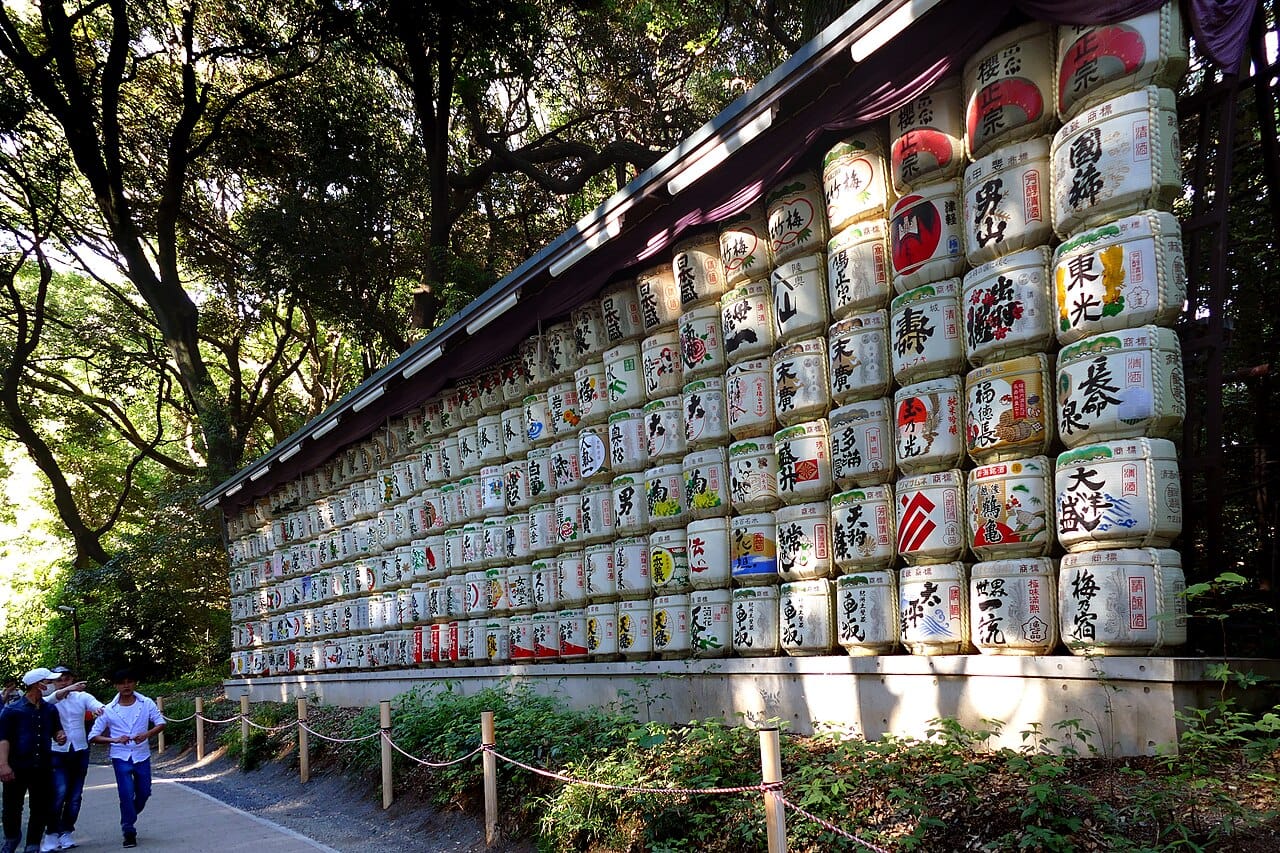
Nada Gogo, Kobe: A Self-Guided Sake Brewery Walk
5 min · food
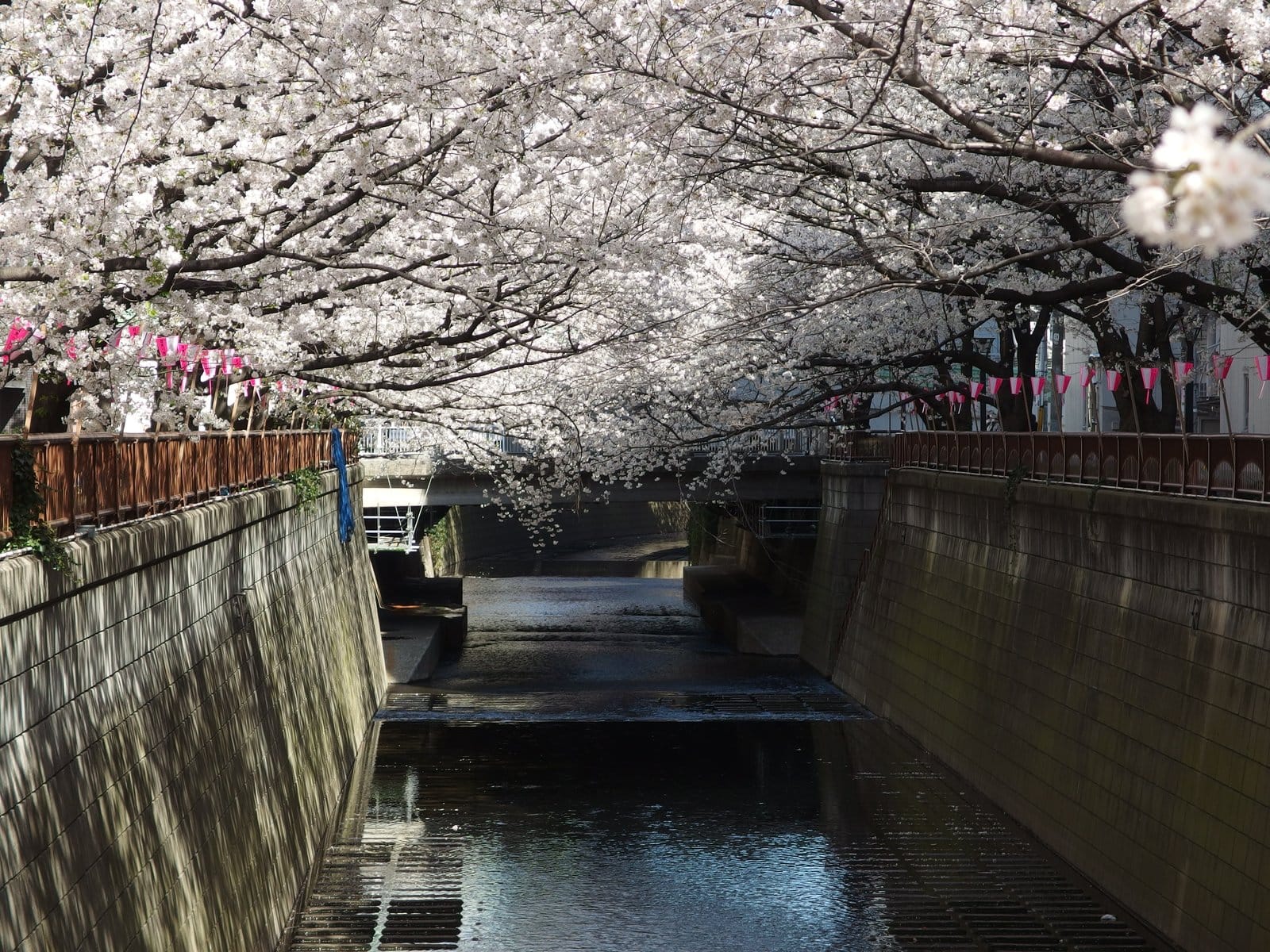
Japan Sakura — Regional Bloom Calendar & How to Time Your Trip
7 min · destinations

Setagaya: “Little Kyoto” in Tokyo and How to Escape into Autumn Without Leaving the City
18 min · tips
Solo Kyoto in 2 Days — A Quiet Itinerary for Independent Travelers
6 min · tips