
The Hida Route from Nagoya: Takayama and Shirakawa-go in 2 Days
Plan a smooth Nagoya–Takayama–Shirakawa-go trip with a private 26–29-seat minibus, seasonal advice, and parking guidance.
Aug 21, 2026·✍️ olablog·⏱ 8 min read
Plan a smooth Nagoya–Takayama–Shirakawa-go trip with a private 26–29-seat minibus, seasonal advice, and parking guidance.
Tap a region to browse articles
Why travel the Hida Route by private minibus?
The journey from Nagoya into Gifu’s Hida region is one of the most rewarding road trips in central Japan. The scenery changes from city streets to mountain valleys, traditional towns, and snow-covered villages. The route is especially popular with families, school groups, friends, and corporate teams who want to visit both Takayama and Shirakawa-go without managing several train and bus connections.
A 26–29-seat Toyota Coaster class minibus is a practical choice for medium-sized groups. Everyone can travel together, and your Japanese-licensed operator can manage the mountain roads, luggage, scheduled stops, and changing road conditions. Compared with splitting into several taxis or rental cars, a chartered minibus also makes group coordination much easier.
The route works particularly well as a 2-day, 1-night trip from Nagoya. You can spend the first day exploring Takayama, stay overnight in the Hida region, and visit Shirakawa-go on the second day before returning to Nagoya.
Sample 2-day, 1-night itinerary
Times below are planning estimates. Actual driving time depends on traffic, roadworks, weather, sightseeing stops, and the season.
Day 1: Nagoya to Takayama
Morning — Depart Nagoya
Your group can start from a hotel, a designated meeting point, or another suitable location in Nagoya. A private vehicle is useful here because the group does not need to carry luggage through stations or arrive at separate departure points.
The drive to Takayama generally takes several hours. A comfort stop along the way is easy to arrange, and your operator can suggest a suitable service area depending on traffic and the group’s needs.
Late morning or early afternoon — Arrive in Takayama
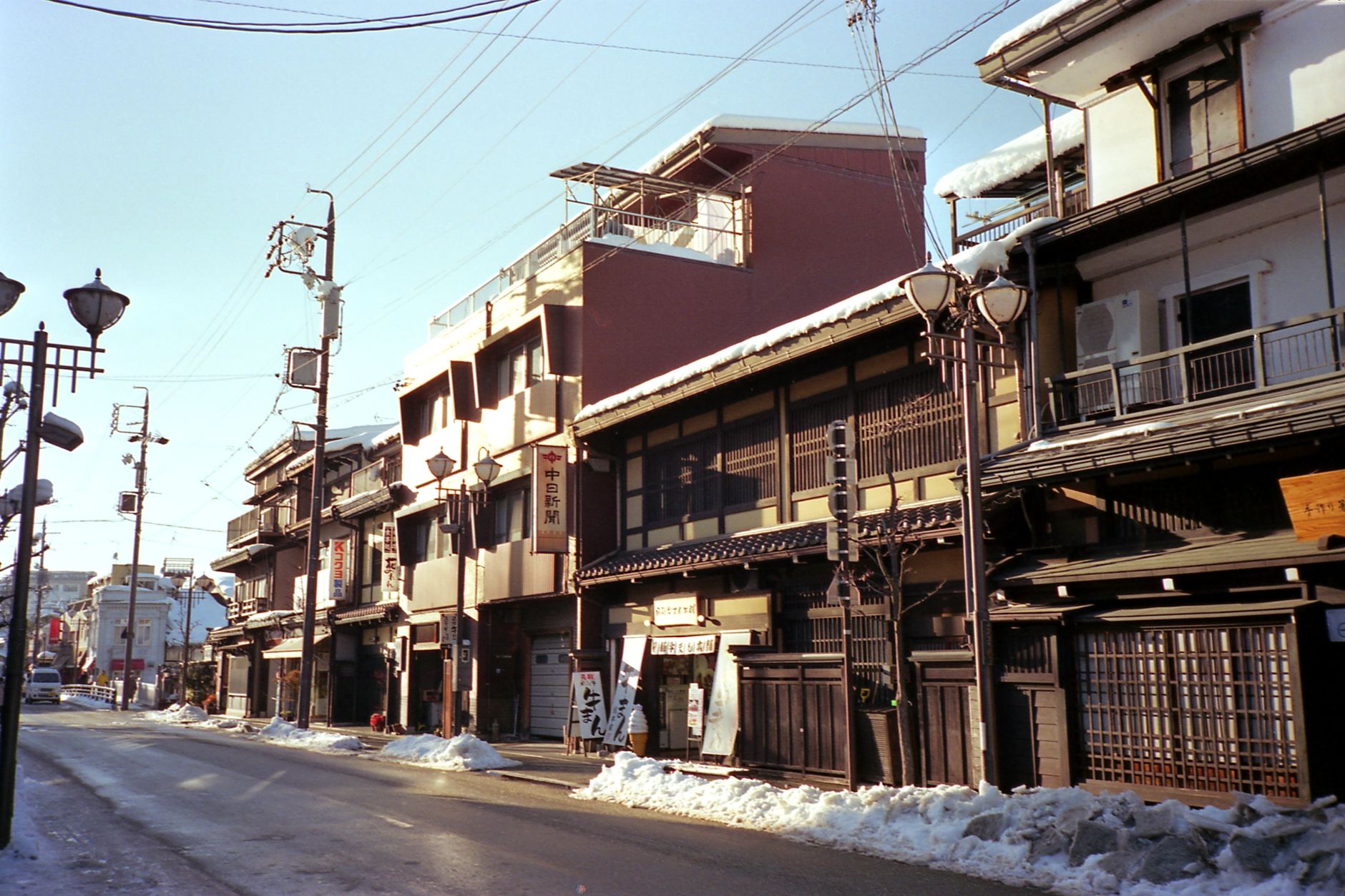
Takayama’s compact historic district is ideal for a relaxed walking tour. Explore the wooden merchant houses around Sanmachi Suji, browse local craft shops, and try Hida specialties such as Hida beef, miso-based dishes, and seasonal sweets.
If your schedule allows, consider visiting Takayama Jinya or one of the town’s small museums. The best plan depends on your group’s interests and arrival time, so it is wise not to overfill the afternoon.
Evening — Check in and enjoy local dining
Stay in Takayama or nearby Hida Furukawa, depending on your accommodation preferences. A traditional ryokan can add a memorable Japanese experience, while a city hotel may be more convenient for larger groups and luggage.
For dinner, reserve ahead if you are traveling with a large party. Restaurants in smaller towns may have limited seating, and group reservations are particularly important during autumn foliage, winter, and holiday periods.
Day 2: Takayama to Shirakawa-go and Nagoya
Morning — Optional market visit
If your group starts early, visit one of Takayama’s morning markets before breakfast or departure. These markets are a pleasant way to see local produce, pickles, snacks, and handmade goods.
Late morning — Drive to Shirakawa-go
The road from Takayama to Shirakawa-go passes through mountain scenery and can be beautiful in every season. In winter, however, snow and icy conditions may make the journey slower. Build flexibility into the schedule rather than planning a tightly timed arrival.
At Shirakawa-go — Explore at a comfortable pace
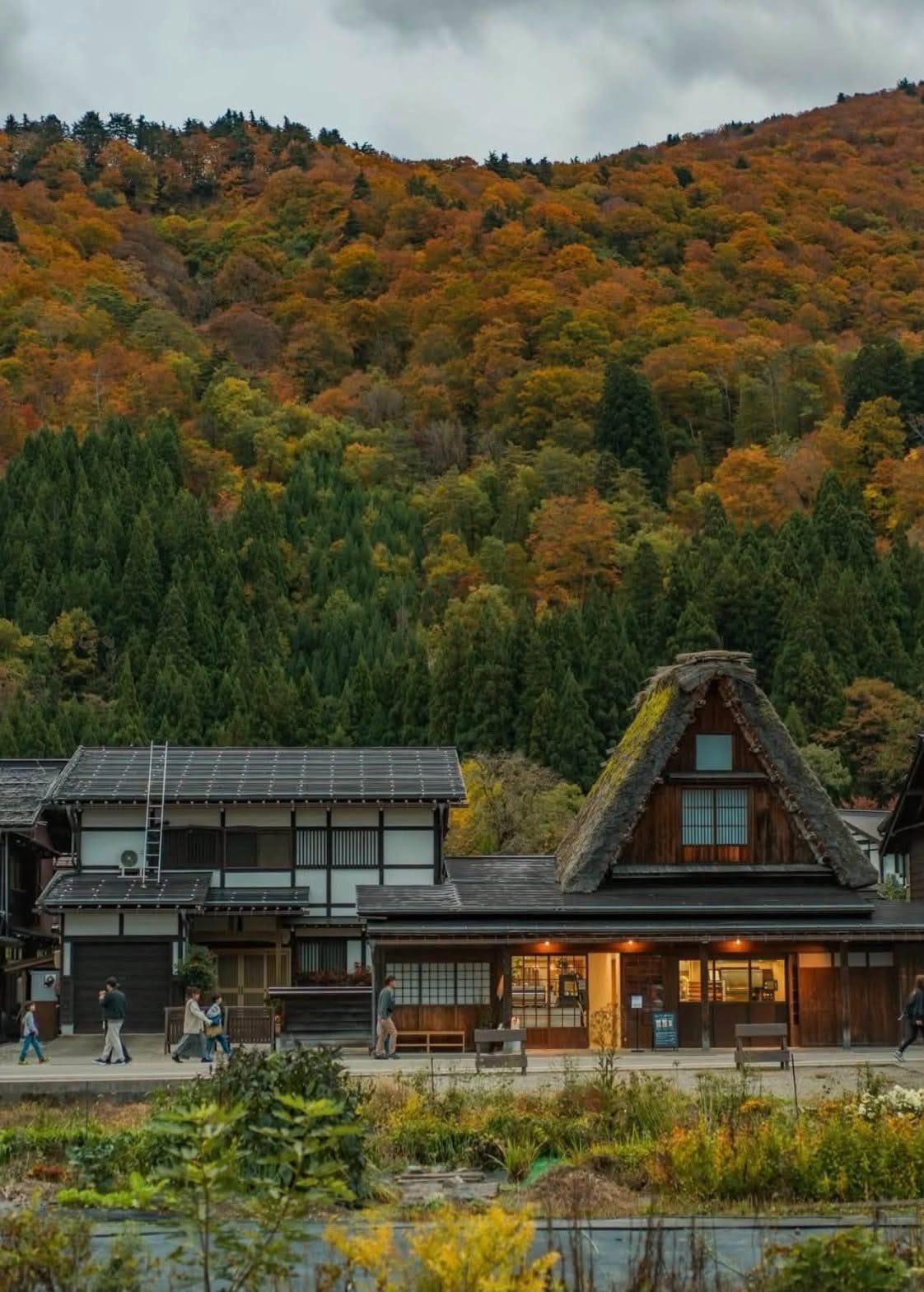
Shirakawa-go is known for its traditional gassho-zukuri farmhouses and dramatic mountain setting. Walk through Ogimachi village, visit selected historic houses, and allow time for photographs from the elevated viewpoint if it is open and accessible.
The village is more enjoyable when visitors respect residential areas, keep noise down, and follow local instructions. Some paths can be slippery in winter, and heavy snow may affect access to viewpoints or individual buildings.
Afternoon or early evening — Return to Nagoya
After sightseeing, meet your minibus at the agreed parking or pickup location and begin the return journey. Depending on traffic and your departure time, you may arrive in Nagoya in the evening. Groups continuing to another city should discuss luggage and onward travel arrangements before finalizing the itinerary.
Transport options at a glance
| Option | Best for | Advantages | Points to consider |
|---|---|---|---|
| 26–29-seat Toyota Coaster class minibus | Medium-sized groups traveling together | Private door-to-door movement, shared luggage space, flexible stops, Japanese-licensed operator | Needs advance planning for vehicle access, parking, and winter conditions |
| Train and local bus | Independent travelers or very small groups | Fixed public transport schedules and no driving responsibility | Multiple transfers, limited flexibility, and more difficult luggage handling |
| Several rental cars | Small groups comfortable driving in Japan | Flexible departure times and route choices | Navigation, tolls, parking, left-side driving, and winter mountain roads require extra attention |
| Taxis or smaller vans | Short transfers or small parties | Easy for individual journeys | Several vehicles can separate the group and increase coordination |
Shirakawa-go parking and bus access
Shirakawa-go is a protected cultural area with strict traffic management. Visitors generally leave vehicles at the designated visitor parking area, commonly known as Seseragi Park, then walk into the village. Large vehicles should follow the instructions of local parking staff rather than attempting to enter narrow village roads.
Before the trip, confirm these details with your operator:
- Where the minibus will park during your visit
- The correct passenger drop-off and pickup point
- Whether the parking area has any seasonal operating changes
- How long the vehicle can wait
- Where the group should meet after sightseeing
- Whether luggage should remain on the vehicle or be taken to the accommodation
Parking arrangements can change during busy periods, festivals, severe weather, or traffic-control operations. Your operator can adjust the meeting plan if local staff redirect buses to another area. Do not assume the vehicle can collect passengers directly beside every attraction.
For a smooth visit, take a photo of the meeting point and share a clear return time with every traveler. Shirakawa-go can become crowded, and mobile reception may not be equally reliable in every part of the area.
What to prepare for the snow season
Snow conditions in the Hida mountains can vary considerably. Winter scenery is spectacular, but the route requires more time and preparation than a summer drive.
Clothing and footwear
Wear warm layers that can be added or removed easily. A waterproof outer layer, gloves, a hat, and thick socks are useful. Choose shoes with good grip and water resistance; ordinary fashion sneakers may become uncomfortable on packed snow or wet paths.
Road conditions
The vehicle should be properly equipped for winter travel, including suitable snow tires and any legally required safety equipment. Your licensed operator monitors road conditions and may adjust departure times, rest stops, or the route when necessary.
Passengers should avoid requesting unsafe shortcuts or insisting on a fixed arrival time during heavy snowfall. A flexible itinerary is the safest and most comfortable approach.
Luggage and personal items
Keep essentials such as medication, chargers, passports, and spare socks in a small day bag. Large suitcases can remain in the vehicle when appropriate, but confirm the arrangement before visiting Shirakawa-go. Bring a portable battery if you plan to take many photos, as cold weather can reduce battery life.
Seasonal timing
Snow scenery is never guaranteed on a specific date. Mountain weather changes quickly, and conditions can differ between Nagoya, Takayama, and Shirakawa-go. Check the forecast shortly before departure and allow your operator to provide the final road-safety advice.
Charter planning and estimated budget
The final charter cost depends on group size, vehicle availability, departure point, route length, operating hours, parking, tolls, accommodation arrangements, and seasonal demand. Longer and multi-day trips are quoted on request from the day price (29 seats ¥69,000 per 10-hour day), adding any extra hours, expressway tolls, parking and the driver's overnight costs. The exact quote comes from the booking form.
For the most accurate plan, provide your preferred dates, passenger count, luggage volume, hotel locations, and whether you want additional stops such as Gujo Hachiman, Hida Furukawa, or a local food experience.
Request a free charter-bus quote from OlaChill — complete the form and receive a reply within 24 hours.
FAQ
Is two days enough for Takayama and Shirakawa-go?
Yes. A 2-day, 1-night itinerary gives you time to see Takayama’s historic center, stay overnight in the Hida region, and explore Shirakawa-go the next day. It is a compact schedule, so starting early and keeping the route focused will make the trip more comfortable.
Can a 26–29-seat minibus enter Shirakawa-go village?
Usually, visitors are directed to designated parking areas outside the main village rather than being driven through the narrow historic streets. Local traffic controls apply, so your operator will follow the instructions in effect on the day.
Is this route suitable in winter?
Yes, but winter travel needs flexibility. Snow tires, warm clothing, grippy footwear, and extra travel time are essential. Road conditions may affect the itinerary, and the licensed operator will prioritize safe driving.
How much luggage can the minibus carry?
The practical luggage capacity depends on the number of passengers and the size of their suitcases. Share your luggage details in advance so OlaChill can confirm the most suitable vehicle and seating arrangement.
Can we add stops to the route?
Additional stops may be possible if they fit the operating hours and road conditions. Mention places such as Gujo Hachiman, Hida Furukawa, or a restaurant visit when requesting your quote.
More from this region — Chubu (Nagano, Kanazawa)
View all →
Nozawa Onsen Ski Resort: A 3-Day Plan to Enjoy the Hot Spring Town and Japan’s Oldest Ski Village
13 min · スキー

Sado Island – Japan's Golden Isle Above the Sea of Japan
6 min · tips
Shinetsu Trail
5 min · tips
Staying Overnight in Shirakawa-go: A Night by an Irori Hearth in a Gassho-zukuri House
17 min · tips