
Kimono in Tokyo: Where to Wear It, Best Photo Spots and How to Plan the Day
Kimono in Tokyo: Asakusa's Sensoji and Nakamise, Sumida river with Skytree, Nezu and Meiji shrines, Hamarikyu, seasons, festivals and the OlaChill Asakusa shop.
Sep 14, 2026·✍️ olablog·⏱ 7 min read
Kimono in Tokyo: Asakusa's Sensoji and Nakamise, Sumida river with Skytree, Nezu and Meiji shrines, Hamarikyu, seasons, festivals and the OlaChill Asakusa shop.
Tap a region to browse articles
Tokyo in a kimono: start in Asakusa, then choose your city
Tokyo has one district where a kimono is the natural thing to wear, and that is Asakusa. The temple has stood there since 645, the shopping lane has fed pilgrims since the 1600s, and the streets behind it still have rickshaw pullers, sweet shops and lanterns. Our Tokyo shop sits a short walk from Kaminarimon, which is why we chose it: you walk out the door already inside the picture.
From Asakusa the city opens in every direction. This guide covers the spots within walking distance, the ones a short train ride away, the seasons that matter, and the exact day plan we give guests at the counter.
The spots
Sensoji and Nakamise (浅草寺・仲見世)
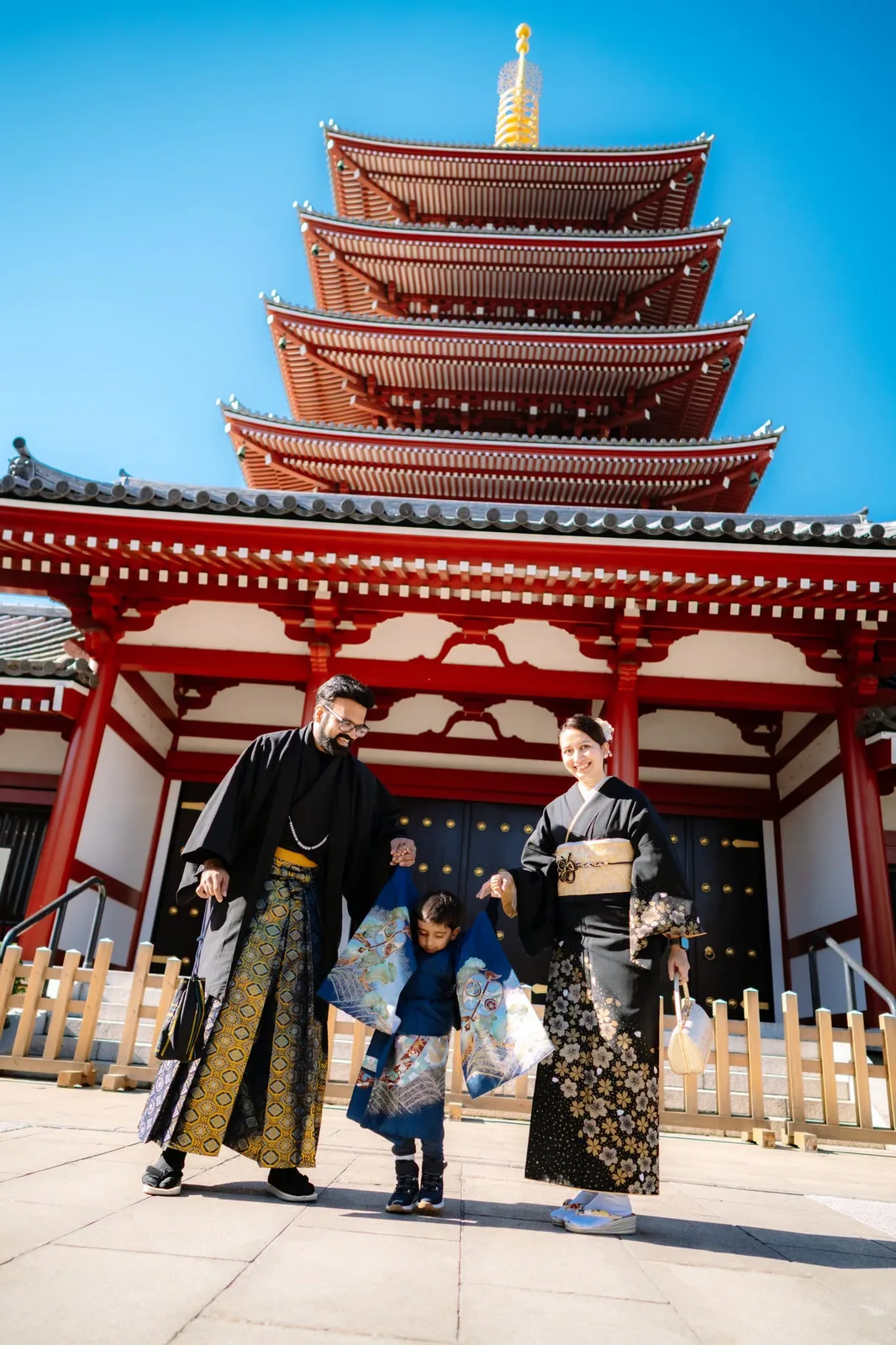
Kaminarimon, the great red lantern, then 250 metres of Nakamise shops, then the Hozomon gate and the five-storey pagoda. Before 09:00 the lane is shuttered and empty and the painted shutters themselves make a backdrop. After 10:00 it is a river of people; step into the side lanes, Denboin-dori and the Nishisando arcade, for space. The temple grounds are flat paving, easy in zori. Asakusa Shrine, beside the main hall, is quieter.
Sumida Park and the Skytree view (隅田公園)
Cross the road behind Kaminarimon and you are on the river. The Azumabashi bridge frames Tokyo Skytree with the golden Asahi building beside it; Sumida Park's cherry trees line the bank in late March and early April. Sumida River cruise boats leave from beside the bridge if you want the skyline from the water.
Nezu Shrine (根津神社)
Twenty minutes by subway. A vermilion tunnel of small torii on the hillside and, from early April to early May, an azalea garden of 3,000 bushes. The torii tunnel is narrow and the steps are shallow; take it slowly.
Meiji Jingu (明治神宮)
The broad gravel approach through the forest is the most formal shrine walk in the city, and Sunday mornings often bring wedding processions in white. Fine in zori; the gravel is coarse, so tabi with a thicker sole help.
Hamarikyu Gardens (浜離宮恩賜庭園)
A daimyo's tidal garden with a teahouse on the pond and glass towers behind. The contrast is the point. From Asakusa, the river cruise lands directly at the garden pier.
Yanaka and Kagurazaka
Yanaka Ginza is a low-rise shopping street with cats and old shops; Kagurazaka's stone-paved lanes hide former geisha houses. Both are flat, both are quiet on weekdays, and both look older than they are.
| Spot | Best time | Access from our shop | Crowd level |
|---|---|---|---|
| Sensoji and Nakamise | Before 09:30, or after 18:00 lit up | 5 min walk | Extreme from 10:00 |
| Sumida Park, Azumabashi | Late March sakura, any sunset | 5 min walk | High in sakura |
| Nezu Shrine | Early April to early May | Subway 20 min | Medium |
| Meiji Jingu | Weekday mornings; mid Nov ginkgo nearby | Subway 30 min | Medium |
| Hamarikyu | Any season | River cruise 40 min | Low |
Seasons and festivals
Late March into early April is sakura on the Sumida. Mid May brings Sanja Matsuri, Asakusa's three-day shrine festival with a hundred portable shrines and a million spectators; kimono and yukata are everywhere and the shop is booked out, so reserve early. Early July is the Hozuki-ichi lantern-plant fair at Sensoji, late July the Sumida River Fireworks, and a yukata is the outfit for both. Mid November is Tori-no-ichi at Otori Shrine, with rakes for luck and a market that runs past midnight. Winter is dry and clear; a lined kimono with a haori is comfortable, and New Year at Sensoji is the city's largest hatsumode.
The OlaChill Asakusa shop
Our Tokyo Asakusa shop is at 2-3-7 Kaminarimon, on the fourth floor, open 09:00 to 18:00. All 14 plans are dressed here, the same set and the same prices as our Kyoto Kiyomizu shop:
- Komongi traditional kimono ¥5,500 (¥4,950 booked online), the plan most guests choose.
- Kimono Ren modern patterns ¥7,000; Houmongi formal ¥12,000; Furisode long-sleeve ¥19,000.
- Men's traditional set ¥5,000; Montsuki formal ¥10,000.
- Yukata ¥4,500 women, ¥4,000 men; children's kimono ¥8,000, children's yukata from ¥3,000.
- Add-ons: hair styling ¥1,500, makeup ¥5,000, unlimited hair accessories ¥1,100, next-day return ¥1,100 (back before 10:00), hotel return ¥1,100 within Tokyo, and a 30-minute photographer from ¥15,000 at the temple and river.
Booking online takes 10% off the plan price, and cancellation is free up to two days before. If you want the day to run without trains, a chauffeured car can take you between shrines and gardens; it is quoted per trip.
For more on the district, see our Asakusa kimono experience piece and where to photograph kimono around Sensoji.
Plan your kimono day
- Book the 09:00 slot online. Dressing takes 30 to 45 minutes; hair styling adds about 20.
- 09:45 Sensoji while Nakamise is still quiet. Hozomon, pagoda, main hall, Asakusa Shrine.
- 10:45 Denboin-dori and the back lanes for the rickshaws and old shopfronts.
- 11:30 Sumida Park for the Skytree frame, then a river cruise to Hamarikyu, or the subway to Nezu.
- 14:00 lunch at a tempura or unagi house with tatami rooms.
- 16:30 back to Asakusa, lanterns lit, temple nearly empty again.
- 17:45 return, or keep the kimono with next-day return for dinner and the lit-up pagoda.
A few local courtesies
At Sensoji, the incense cauldron in front of the main hall throws smoke; wave it toward you for luck but keep the sleeves out of it, as the smell lingers on silk. Nakamise shopkeepers are used to kimono crowds and will hand you skewered snacks with a napkin; eat standing to the side, never walking. On the Ginza line, stand with the obi bow away from the door. Rickshaw pullers in Asakusa know the quiet lanes and will stop for photos; a 30-minute ride is a good way to rest the feet.
FAQ
Can I take the subway from Asakusa to Nezu or Meiji Jingu in a kimono? Yes. Avoid 07:30 to 09:30; after that the Ginza and Chiyoda lines are calm and the trip is under 30 minutes.
Is the Nezu Shrine torii tunnel walkable in zori? Yes, slowly. The steps are shallow stone and the tunnel is narrow, so go one at a time.
How early should I be at Sensoji for an empty photo? Before 09:00. The shutters on Nakamise are still down and the main hall has only locals.
Can I keep the kimono for the Sumida fireworks? Yes, with next-day return (¥1,100). Return before 10:00 the next morning.
Do you dress children? Yes. Children's kimono is ¥8,000 and yukata from ¥3,000, with staff who are used to small, wriggly guests, and an accompanying adult pays nothing to enter.
Walk out the door into the picture
Tokyo's kimono day starts at Kaminarimon. See all plans and add-ons at OlaChill Kimono Rental, reserve the 09:00 slot at the Asakusa shop, and book online for 10% off.
More from this region — Tokyo & Kanto
View all →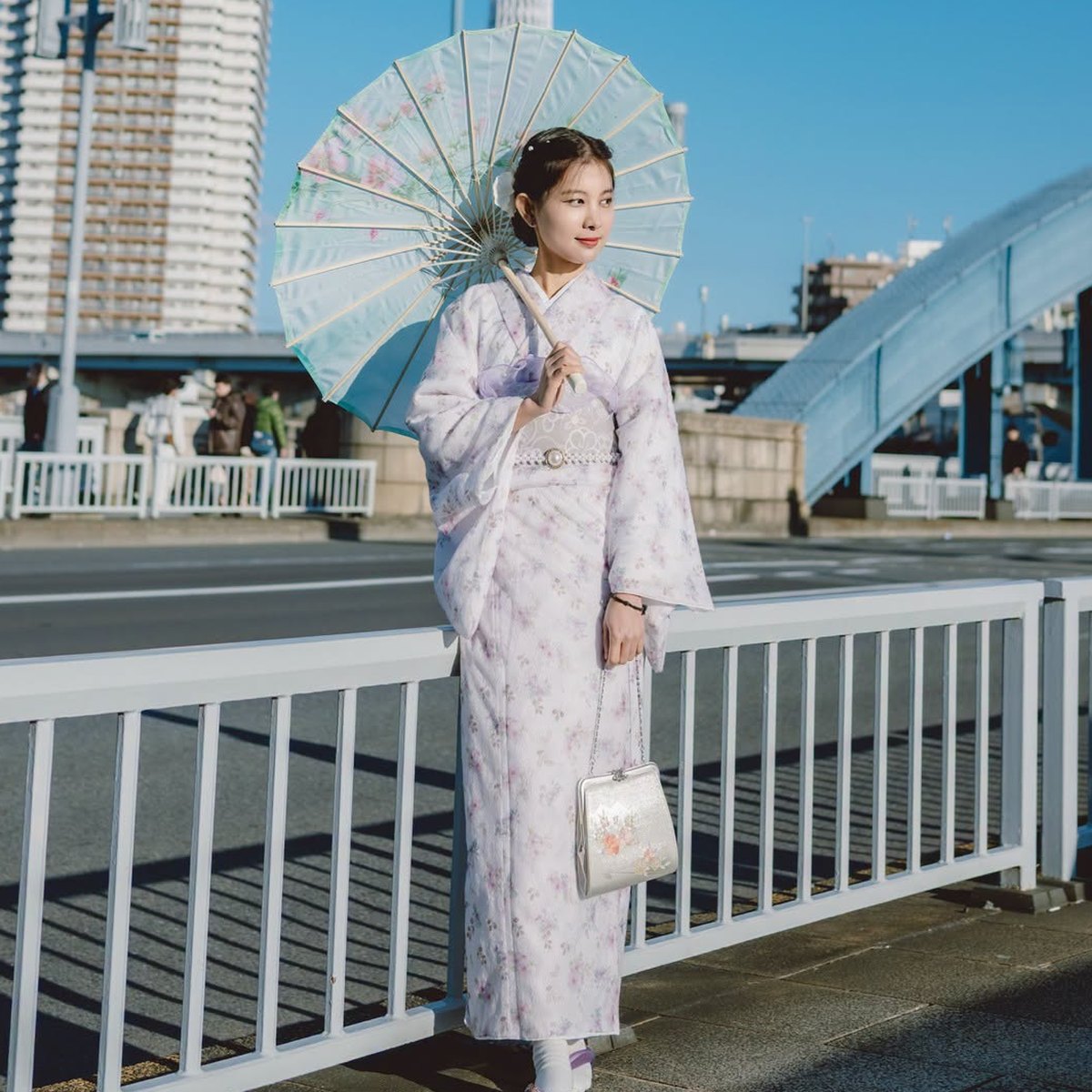
Kimono Rental in Asakusa: Step by Step, Plus a Half-Day Route
10 min · culture
The Ultimate Kusatsu Onsen Guide: Yubatake, Jikan-yu, Local Cuisine, and More
19 min · destinations
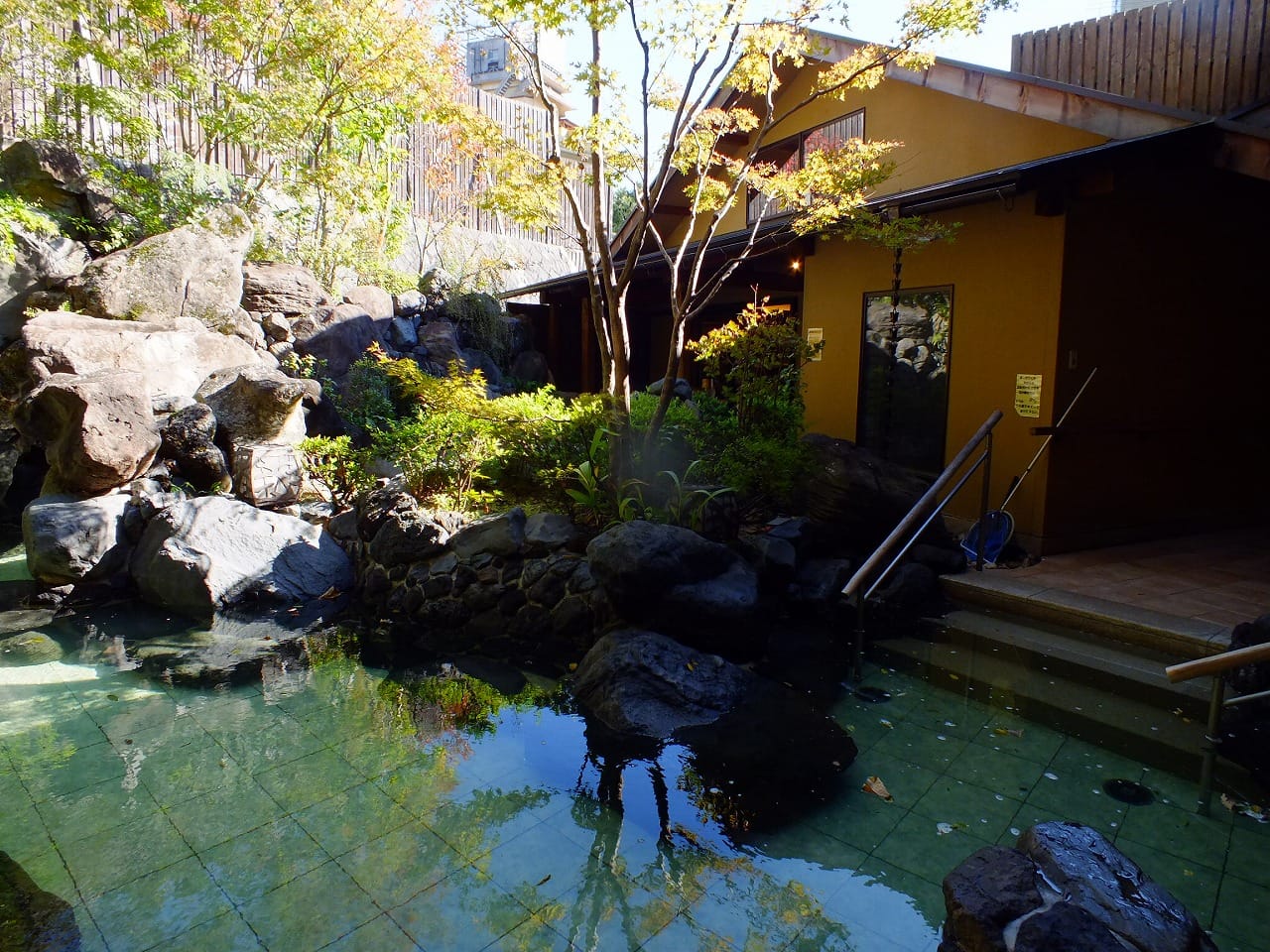
Kusatsu Onsen by Group Bus: A Practical Guide from Tokyo
8 min · tips
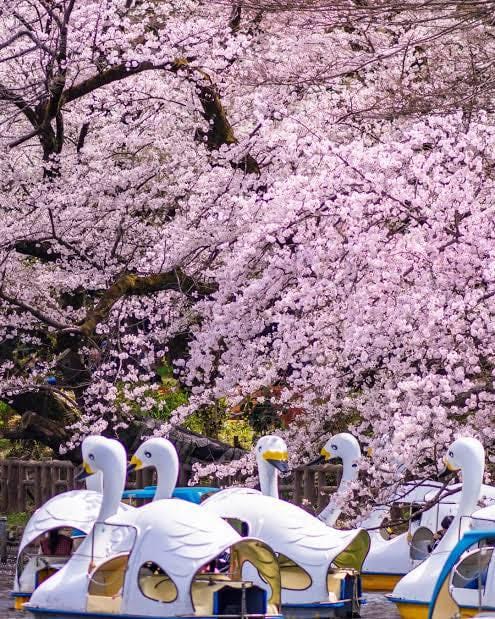
5-Day Tokyo Itinerary for First-Timers: The Perfect Blend of Historic Charm and Modern Energy
7 min · itineraries