
5-Day Tokyo Itinerary for First-Timers: The Perfect Blend of Historic Charm and Modern Energy
A detailed 5-day Tokyo itinerary for first-time visitors: Asakusa, Shibuya, Kamakura day trip, teamLab, and Ginza. Includes transit tips, Suica IC card advice, and budget estimates.
Aug 8, 2026·✍️ olablog·⏱ 7 min read
A detailed 5-day Tokyo itinerary for first-time visitors: Asakusa, Shibuya, Kamakura day trip, teamLab, and Ginza. Includes transit tips, Suica IC card advice, and budget estimates.
Tap a region to browse articles
Tokyo is a city where the longer you stay, the more you realize you haven't seen enough. However, if this is your first time setting foot in Japan, five days is just the right amount of time to experience both faces of the capital: the quiet tranquility of hundred-year-old temples and the non-stop neon pulse of modern urban life. The itinerary below is organized by geographic clusters so you won't have to crisscross the city—each day focuses on just one area, mostly relying on walking, with the local train system being the only transport you'll need.
Before you begin, make sure to pick up an IC card like a Suica or Pasmo (which can easily be added directly to your Apple Wallet or smartphone) to tap through train gates and buy snacks at convenience stores. Daily intra-city transit costs usually hover around ¥800–¥1,500 ($5–$10 USD). If you hold a JR Pass, it covers JR lines like the Yamanote Line, though an IC card remains essential for Tokyo's non-JR subway network.
Day 1: Asakusa and Ueno – Touching Old Tokyo
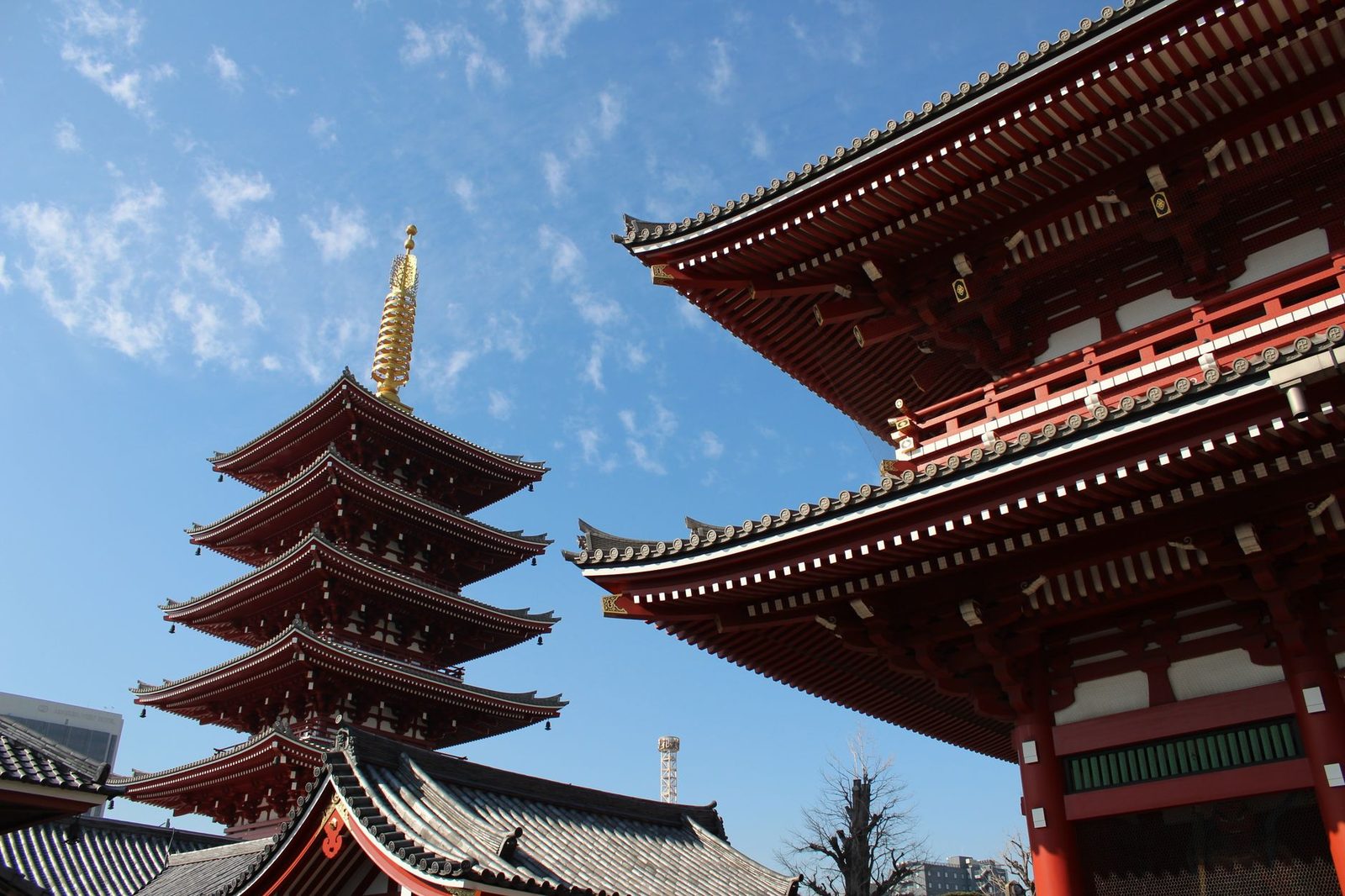
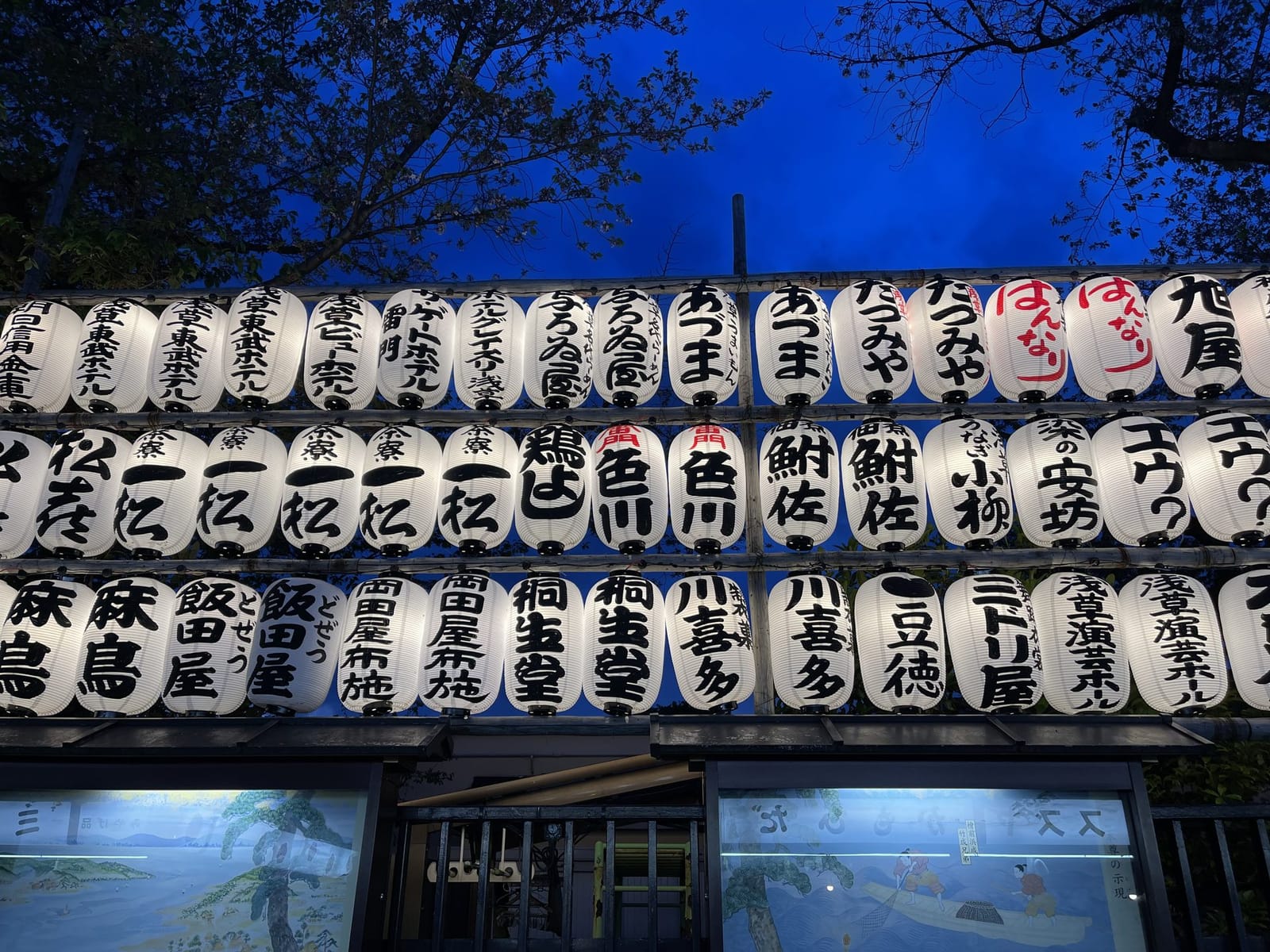
On your first day, while your body is still adjusting to jet lag, take things slow in the historic eastern district. Start your morning at 浅草寺(Sensō-ji Temple) in 浅草(Asakusa)—Tokyo's oldest temple. Arriving before 9:00 AM gives you enough time to snap a photo at the iconic 雷門(Kaminarimon Gate) before the 仲見世商店街(Nakamise Shopping Street) gets packed with crowds. Along Nakamise, you'll find plenty of traditional Japanese street foods: red bean cakes, fresh-grilled senbei rice crackers, and matcha soft-serve ice cream—each costing around ¥200–¥500 ($1.30–$3.30 USD).
In the afternoon, take a pleasant walk or a short one-stop train ride over to 上野(Ueno). 上野恩賜公園(Ueno Park) is vast and houses Japan's highest concentration of museums; if you can only pick one, visit the 東京国立博物館(Tokyo National Museum) to marvel at ancient samurai swords, kimonos, and Buddhist statues. In the late afternoon, stroll through the nearby アメ横(Ameyoko Market)—a bustling open-air market left over from the post-war era, where you can stand and eat fresh seafood while picking up snacks and sweets at bargain prices.
Day 2: Shibuya – Harajuku – Shinjuku, a Very "Tokyo" Day
This day is dedicated to modern Tokyo, and these three districts are conveniently situated along the JR山手線(JR Yamanote Line), making transit exceptionally fast. Start your morning in 渋谷(Shibuya): stand right at the center of the world's busiest pedestrian crossing, greet the iconic 忠犬ハチ公像(Hachiko Statue), and if you want panoramic city views, head up to the 渋谷スカイ(Shibuya Sky) observation deck (tickets cost roughly ¥2,200–¥2,700 / $15–$18 USD, and it's best to book online in advance).
Around noon, take a leisurely 20-minute walk to 原宿(Harajuku). Visit 明治神宮(Meiji Jingu Shrine) nestled inside a lush, tranquil forest first, before stepping out into the loud and energetic 竹下通り(Takeshita Street) packed with oversized crepes, youth fashion, and one-of-a-kind boutiques. For those who prefer a more sophisticated ambiance, turn onto 表参道(Omotesando Avenue) with its grand zelkova trees and stunning architectural flagships.
End your evening in 新宿(Shinjuku). Head up to the free observation deck at the 東京都庁(Tokyo Metropolitan Government Building) to watch the sunset, then dive into the narrow alleys of 思い出横丁(Omoide Yokocho) for grilled yakitori skewers inside cozy izakayas that seat only 6 to 8 people. A dinner like this typically costs around ¥2,000–¥3,500 ($13–$23 USD) per person.
Day 3: Kamakura or Nikko Day Trip – A Change of Pace from the City
The middle of your journey is the ideal time to step out of Tokyo for a day. There are two classic choices:
鎌倉(Kamakura) (about a 1-hour train ride from 東京駅(Tokyo Station)) is perfect for lovers of the coast and relaxed vibes: featuring an outdoor giant bronze 鎌倉大仏(Great Buddha of Kamakura) standing over 11 meters tall, the grand 鶴岡八幡宮(Tsurugaoka Hachimangu Shrine), and the historic 江ノ電(Enoden Electric Railway) running along the coastline toward 江の島(Enoshima Island). Round-trip train fare is around ¥2,000 ($13 USD).
日光(Nikko) (about 2 hours away) suits those who love mountain landscapes and intricate architecture: home to the lavishly gilded 日光東照宮(Nikko Toshogu Shrine)—the final resting place of Shogun Tokugawa Ieyasu—as well as 華厳の滝(Kegon Falls) and Lake Chuzenji situated high above. If you choose Nikko, make sure to set off early before 8:00 AM due to the longer distance.
For first-time visitors with a 5-day timeframe, Kamakura is usually the safer and more relaxed option due to its proximity. You can explore additional day tours departing from Tokyo on the OlaChill Japan Tours page.
Day 4: Odaiba and teamLab – Digital Art by Tokyo Bay
It is completely fine to sleep in a little today, as it is designed to be a relaxing itinerary. The highlight of the day is teamLab—the world-famous digital art museum featuring mesmerizing interactive light installations. Crucial tip: teamLab tickets almost always sell out if you try to buy them last minute, so be sure to reserve online at least 1–2 weeks in advance (adult tickets generally range from ¥3,800–¥5,000 / $25–$33 USD depending on the time slot).
Spend the rest of the day in お台場(Odaiba)—a human-made island set in 東京湾(Tokyo Bay). Taking the driverless ゆりかもめ(Yurikamome train) across the レインボーブリッジ(Rainbow Bridge) is a memorable experience in itself. On the island, you'll find the giant moving Gundam statue standing outside DiverCity Tokyo Plaza, an artificial beach overlooking Japan's own replica of the Statue of Liberty, and numerous shopping malls to duck into if the weather turns bad. In the evening, watching the Rainbow Bridge illuminate from the Odaiba shore offers one of Tokyo's finest night views—completely free of charge.
Day 5: Ginza – Shopping and Souvenir Hunting
Dedicate your final day to 銀座(Ginza), Japan's premier luxury shopping district that is surprisingly welcoming to budgets of all sizes. The 12-story Uniqlo Ginza flagship is the brand's largest store in the world; 銀座伊東屋(Itoya) is a stationery paradise where anyone will feel tempted to pick up notebooks and pens; and the basement food halls (depachika) of department stores like 三越(Mitsukoshi) are wonderful places to buy beautifully packaged confectionery gifts so pretty you won't want to open them.
If you have time before heading to the airport, take a short 10-minute walk over to the 築地場外市場(Tsukiji Outer Market) for a delicious farewell sushi lunch or seafood rice bowl (donburi), which costs around ¥1,500–¥3,000 ($10–$20 USD) for top-tier quality. On weekends, Ginza's main boulevard is closed to vehicular traffic, transforming into a pedestrian zone that is delightful to stroll along.
Quick Tips for First-Time Tokyo Visitors
- Don't try to cram too much. Tokyo is massive; exploring one geographic cluster per day as outlined above keeps things manageable.
- Download Google Maps and check train routes ahead of time. The rail transit system looks overwhelming, but step-by-step navigation is incredibly accurate.
- Eat budget-friendly lunches and invest in dinner. Japanese lunch sets usually cost just ¥900–¥1,500 ($6–$10 USD) for outstanding quality.
- Book must-visit spots in advance: Shibuya Sky, teamLab, and popular restaurants.
Five days will fly by in an instant, and you will almost certainly leave Tokyo with a "next time" list longer than the one you just completed. But that is precisely why travelers return to Japan time and time again. When you're ready for longer journeys—Kyoto, Osaka, or autumn foliage season—head over to the OlaChill blog for more travel inspiration for your next adventure.
More from this region — Tokyo & Kanto
View all →
Minato Mirai Smart Festival
6 min · events
Complete Mt. Takao Day-Hike Guide: Comparing 6 Trails, Yakuo-in Temple & the Beer Garden
21 min · ハイキング

Tokyo Shopping Guide from Don Quijote to Ginza: Where to Buy What
6 min · tips
Getting to Nagano from Tokyo in Autumn: Shinkansen, Limited Express, or Night Bus?
11 min · tips