
Kusatsu Onsen by Group Bus: A Practical Guide from Tokyo
Plan a comfortable Tokyo-to-Kusatsu group trip with realistic travel times, rest stops, seasonal advice, and minibus cost estimates.
Aug 21, 2026·✍️ olablog·⏱ 8 min read
Plan a comfortable Tokyo-to-Kusatsu group trip with realistic travel times, rest stops, seasonal advice, and minibus cost estimates.
Tap a region to browse articles
Why visit Kusatsu Onsen by group bus?
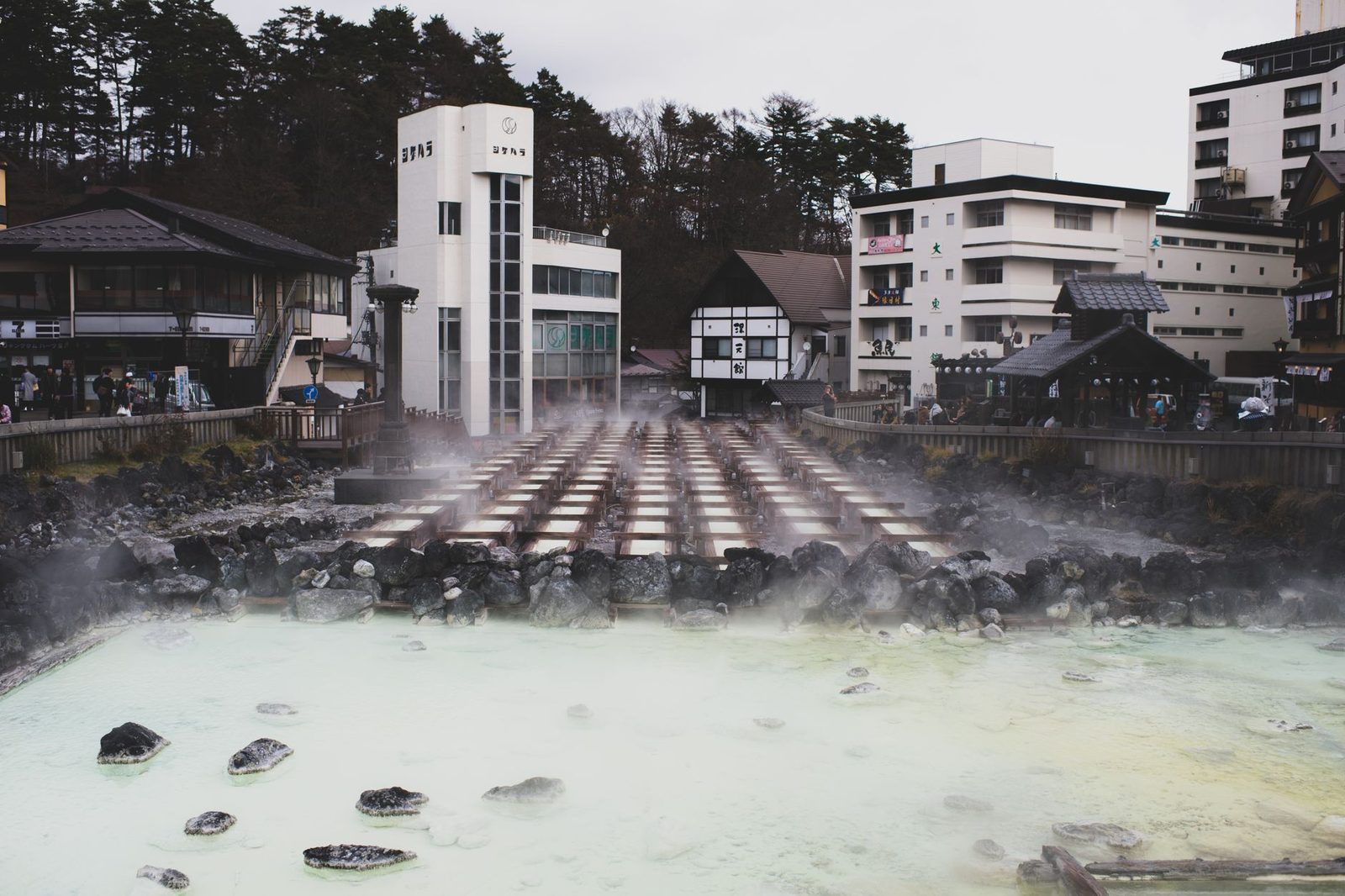
Kusatsu Onsen is one of Japan’s most atmospheric hot spring towns. Its famous Yubatake, or “hot water field,” sits at the heart of town, surrounded by traditional inns, public baths, footbaths, cafés, and mountain scenery.
The challenge is getting there. Kusatsu is in Gunma Prefecture, northwest of Tokyo, in a mountainous area where train and bus connections require several changes. For a group, a private charter bus is often the simplest option: everyone travels together, luggage stays on board, and the itinerary can include scenic stops along the way.
For groups of roughly 20 to 29 travelers, the 26–29-seat Toyota Coaster class minibus offers a practical balance of space, comfort, and road access. It is more flexible than a large coach on mountain roads while still providing a dedicated vehicle and licensed Japanese operator.
How far is Kusatsu from Tokyo in real terms?
The road distance from central Tokyo to Kusatsu Onsen is approximately 180 km one way, depending on your departure point and the route selected. In ideal traffic, the journey may take around four hours, but planning for four and a half to five and a half hours each way is more realistic.
Travel time can increase because of:
- Traffic leaving Tokyo and entering the expressway
- Weekend and holiday congestion
- Snow, ice, or reduced visibility in winter
- Mountain-road conditions approaching Kusatsu
- Rest stops and group boarding time
- Traffic around sightseeing areas such as Karuizawa or Lake Haruna
A same-day round trip therefore involves a substantial amount of driving. It is possible, but the schedule needs to be carefully planned so that your group has enough time to enjoy Kusatsu rather than simply arriving, taking a quick photograph, and leaving.
A private bus also allows the group to depart from a convenient location such as a hotel, airport-area accommodation, or a central Tokyo meeting point. The exact pickup arrangement should be confirmed before the quote is finalized.
What does the route look like?
A common road itinerary heads out of Tokyo via the Kan-Etsu Expressway, continues toward Gunma, and then follows regional roads into the Kusatsu mountains. The final approach includes winding roads and changes in elevation, especially during the colder months.
Your operator can choose suitable rest areas based on traffic, weather, road conditions, and the group’s needs. A typical plan includes one substantial stop in the broader Takasaki or Gunma area, with an additional short break if required.
Useful rest-stop planning
For a large group, a rest stop is more than a quick coffee break. Allow time for everyone to:
- Use the facilities without rushing
- Buy drinks or snacks
- Stretch after several hours in the vehicle
- Reboard promptly
- Confirm that no luggage or personal items have been left behind
Service areas on the expressway usually offer toilets, food counters, convenience stores, and regional snacks. The driver will select safe stopping points appropriate for the route and the day’s conditions.
In winter, rest stops become particularly important. Snow can slow the mountain section, and passengers may need extra time to put on coats, boots, or traction equipment before getting off the bus.
Same-day return or one-night stay?
The right format depends on your priorities. A day trip keeps the total cost and luggage requirements lower, while an overnight stay gives you a much more relaxed experience of the onsen town.
| Trip format | Recommended for | Typical structure | Price (29-seat minibus) |
|---|---|---|---|
| Same-day return | Groups with limited time and a clear sightseeing priority | Early Tokyo departure, Kusatsu visit, return in the evening | ¥69,000 (10-hour day) + extra hours, tolls & parking |
| One-night stay | Groups wanting hot spring time, dinner, and a slower itinerary | Tokyo to Kusatsu, overnight stay, return the following day | Quoted on request (day price per coach day, plus driver lodging) |
Expressway tolls, parking and, on overnight trips, the driver's lodging are added; the exact quote comes from the booking form.
Same-day return
A practical same-day outline might look like this:
- Early morning pickup in Tokyo
- Morning rest stop
- Arrival in Kusatsu around midday, depending on traffic
- Lunch and sightseeing around Yubatake
- Time for a public bath or footbath
- Afternoon departure
- Evening return to Tokyo
This option works best when your group wants to see the main highlights without a complex schedule. It is less suitable for travelers who want to visit several public baths, enjoy a leisurely ryokan lunch, or explore the surrounding nature.
To make a day trip worthwhile, choose one or two main activities in advance. Trying to fit Kusatsu, several viewpoints, shopping, and nearby attractions into a single afternoon can make the visit feel rushed.
One-night stay
An overnight trip is usually the better choice for a relaxed onsen experience. After arriving, your group can explore the Yubatake area, walk through the narrow streets, and bathe without watching the clock. An evening stroll is especially atmospheric when the town’s lights reflect on the steam rising from the hot spring water.
The following morning can be used for:
- A quiet bath before breakfast
- Sainokawara Park
- Local cafés and souvenir shops
- A short scenic stop on the return route
- A later departure from Kusatsu
An overnight charter may cost more because the vehicle and operator arrangements extend across two days. Accommodation is normally separate from the vehicle estimate, and each traveler’s room plan should be arranged directly with the chosen ryokan or hotel.
When is the best season to visit?
Kusatsu is a year-round destination, but each season creates a different experience.
Spring
Every spring, the snow gradually clears and the mountain air becomes milder. Late spring is a pleasant time for walking, although conditions can still feel cool compared with Tokyo. Fresh greenery begins to appear around the town and nearby parks.
Summer
Summer is cooler than much of the lowland city areas, making Kusatsu an appealing escape from Tokyo’s heat and humidity. It is a good season for walking, outdoor sightseeing, and combining the onsen visit with mountain scenery.
Autumn
Autumn brings colorful foliage and crisp weather. This is one of the most attractive periods for scenic driving, but popular weekends can be busy. Start times, parking, and the return route should be agreed in advance.
Winter
Winter gives Kusatsu its most dramatic atmosphere: snow-covered rooftops, rising steam, and warm baths after time outdoors. However, mountain roads may be snowy or icy. Travel can take longer, and the operator may need to adjust the route or stopping plan for safety. Warm footwear and layered clothing are essential.
For the best balance of scenery and road conditions, many groups prefer late spring, summer, or autumn. Winter remains rewarding if your group is prepared for changing weather and a flexible schedule.
Planning tips for a 26–29-seat minibus
Before requesting a quote, prepare:
- Your preferred Tokyo pickup and drop-off locations
- Passenger count and approximate luggage volume
- Same-day or overnight itinerary
- Desired departure and return times
- Any mobility or accessibility considerations
- Preferred stops along the route
- Winter travel dates, if applicable
The Toyota Coaster class is well suited to compact group travel, but luggage space is not unlimited. Tell the operator if your group has large suitcases, ski equipment, or multiple bags per passenger. A different vehicle arrangement may be more appropriate if everyone is carrying substantial luggage.
It is also wise to keep the Kusatsu schedule flexible. Your driver can help manage the road journey, but traffic and weather may affect arrival times. Building in realistic breaks makes the trip more comfortable for everyone.
Request a Kusatsu group bus quote
For a tailored estimate based on your group size, dates, route, and pickup location, request a free charter bus quote from OlaChill. The team replies within 24 hours.
FAQ
Is Kusatsu Onsen suitable for a day trip from Tokyo?
Yes, but it is a long road day. A same-day trip works best when your group focuses on the central onsen area and keeps the itinerary simple. An overnight stay is more comfortable for travelers who want a slower experience.
Can the minibus stop at service areas?
Yes. Rest stops can be included in the itinerary, and the licensed Japanese operator will select suitable locations according to the route, traffic, weather, and vehicle conditions.
Is the road to Kusatsu difficult in winter?
The mountain approach can be snowy or icy, and travel times may increase. Operators monitor conditions and may adjust the route or schedule. Passengers should bring warm clothing and shoes suitable for snow and wet surfaces.
Does the estimate include accommodation?
No. The charter estimate covers the bus arrangement and related operating factors. Ryokan or hotel accommodation is normally arranged separately. The exact vehicle quote comes from the booking form.
How early should a group reserve the bus?
Earlier is better for weekends, public holidays, autumn foliage, and winter travel. Providing your dates, passenger count, luggage details, and preferred itinerary helps the operator assess availability and prepare an accurate quote.
More from this region — Tokyo & Kanto
View all →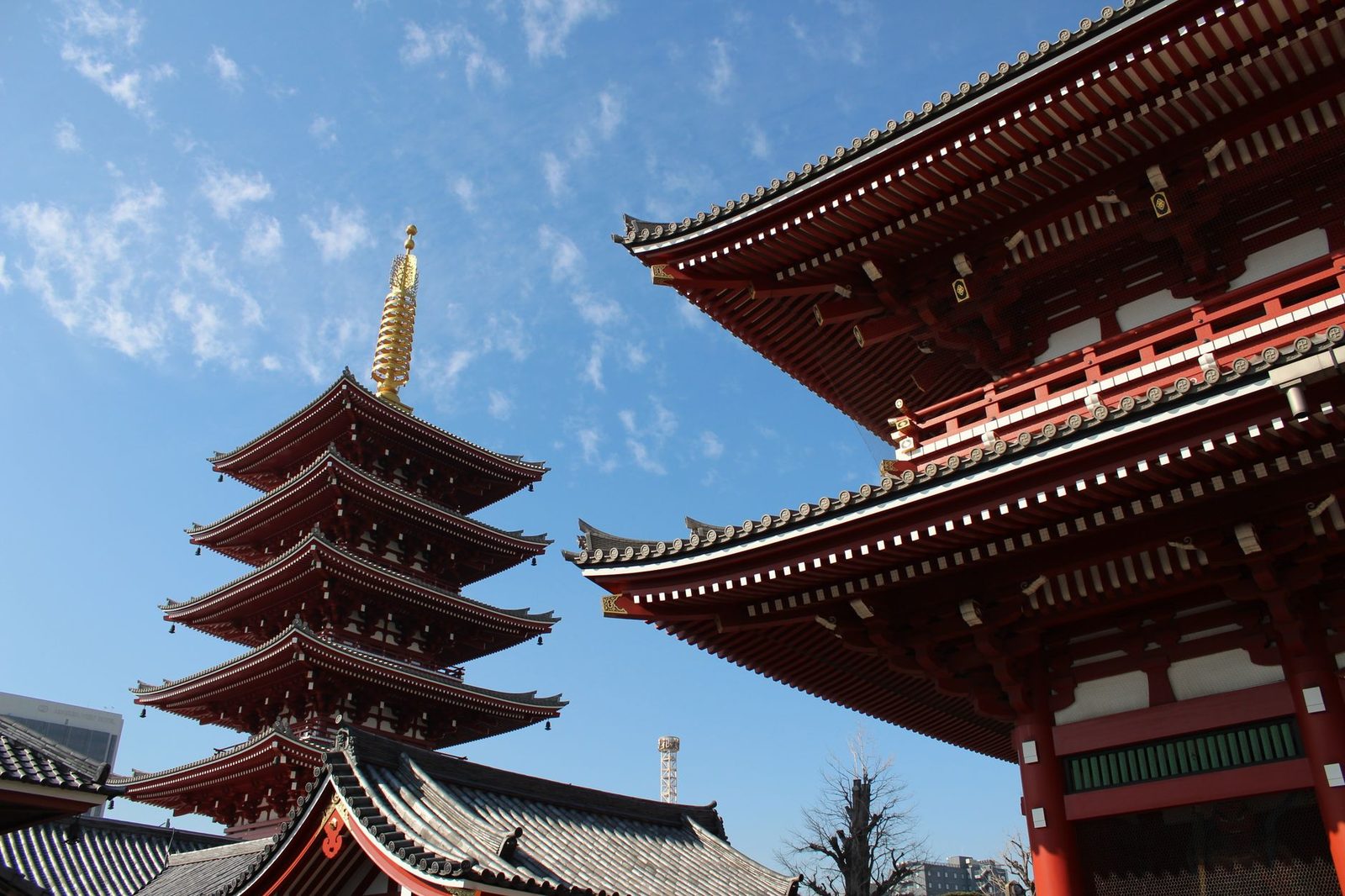
5-Day Tokyo Itinerary for First-Timers: The Perfect Blend of Historic Charm and Modern Energy
7 min · itineraries
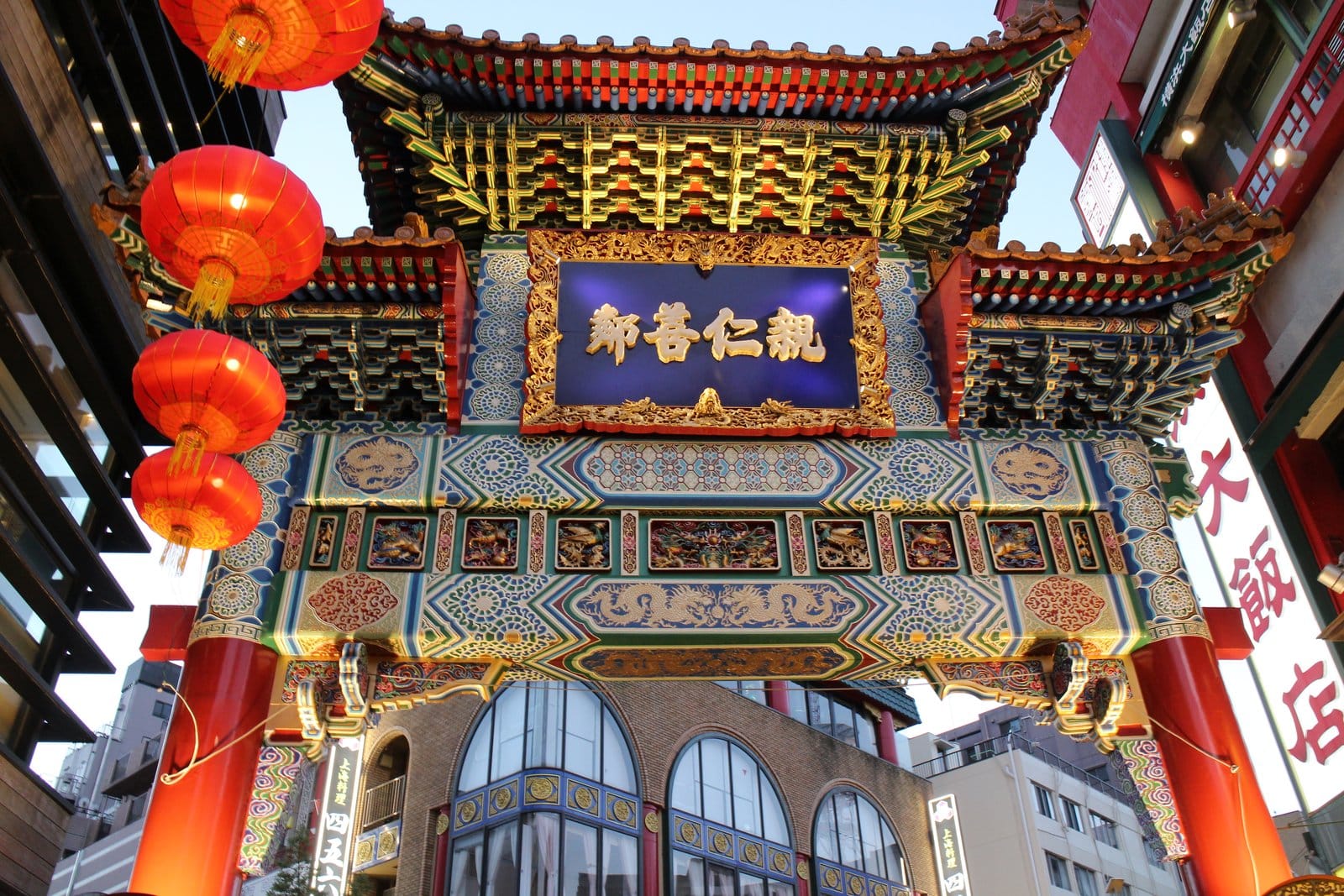
Minato Mirai Smart Festival
6 min · events
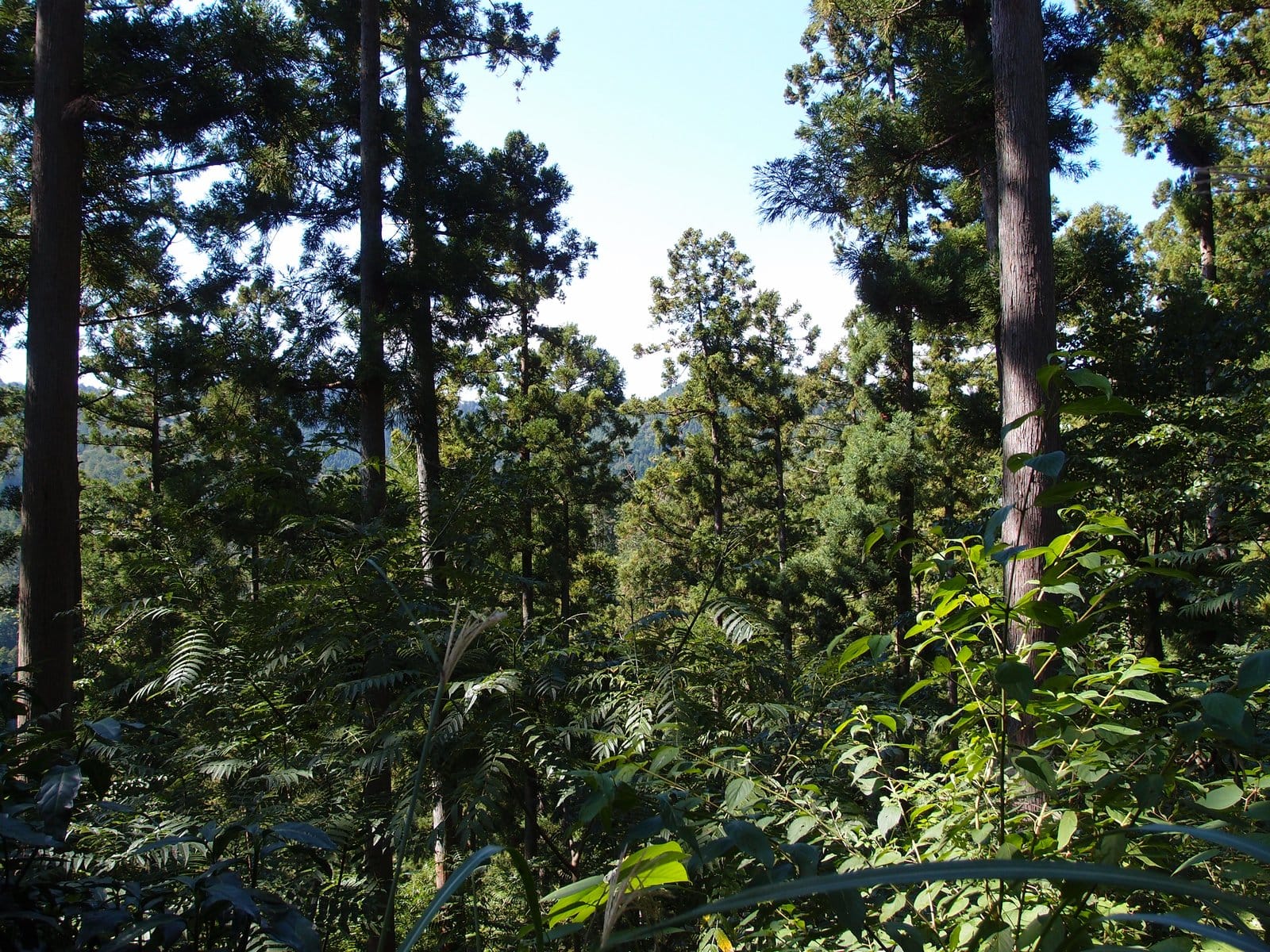
Complete Mt. Takao Day-Hike Guide: Comparing 6 Trails, Yakuo-in Temple & the Beer Garden
21 min · ハイキング

Tokyo Shopping Guide from Don Quijote to Ginza: Where to Buy What
6 min · tips