
What to Eat in Kamikochi in Autumn: Grilled Iwana, Fresh Soba, and Nagano Apples
Salt-grilled stream fish beside Myojin Pond, a bowl of freshly harvested soba, hot coffee with views of the Hotaka Range, and a basket of apples bought in a hurry at Sawando — an autumn food map for a late-season trip.
Aug 12, 2026·✍️ olablog·⏱ 16 min read
Salt-grilled stream fish beside Myojin Pond, a bowl of freshly harvested soba, hot coffee with views of the Hotaka Range, and a basket of apples bought in a hurry at Sawando — an autumn food map for a late-season trip.
Tap a region to browse articles
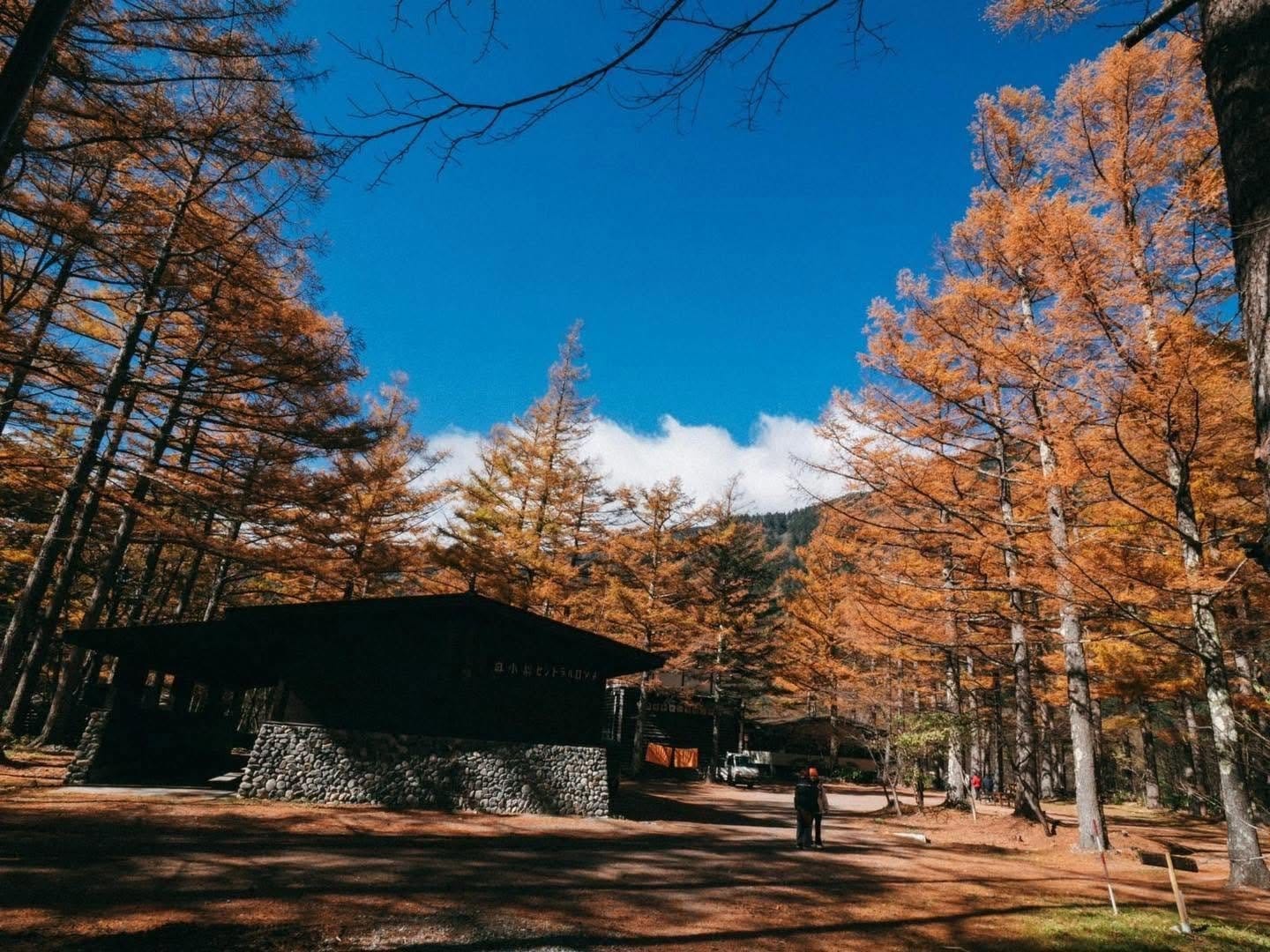
There’s a very particular kind of hunger that only appears at an altitude of 1.500 meters in October. You get off the bus at Kamikochi Bus Terminal at seven in the morning, your breath turning into white vapor, mist still hanging over the Azusa River, and the valley’s dry chill slipping through your windbreaker. After walking for forty minutes along the river, just as the Hotaka Range begins to emerge behind the golden canopy of deciduous pines, your stomach lets out an unmistakably honest growl. That’s exactly when the smell of fish grilling over charcoal wafts over from a wooden hut beside Myojin Pond. And you understand why seasoned hikers always say that food in Kamikochi tastes twice as good as usual.
Most articles about Kamikochi focus on Kappa Bridge, the reflections at Taisho Pond, and the hike to Tokusawa. Few talk about eating — even though food is what makes an autumn trip memorable in such a deeply human way. Late October and early November are when the valley is at its most beautiful, and when the entire Shinshu region (the former name for Nagano) enters harvest season: freshly milled soba, orchards full of ripe apples, mountain vegetables and mushrooms on the table, and new rice arriving in the storehouses. Walking through golden leaves and eating exactly what the season has produced is a complete experience that few places in Japan can fit into a single day.
This is a food map for that kind of trip: what to eat around Kappa Bridge, why it’s worth walking another hour to Myojin for salt-grilled stream fish, where to sit with coffee and look straight at the mountain cliffs, and what to buy on the way down — at Sawando and then in Matsumoto. It also includes the practical details no one tells you beforehand: there are no convenience stores in the valley, restaurants close earlier than you might expect, and cash is more important than cards.
Why autumn is the best season for eating in the valley
Kamikochi usually opens from around late April through mid-November, then closes for the winter. That makes autumn the year’s “final act,” and the lodges and mountain huts in the valley put all their effort into this period before cleaning up and closing for the season.
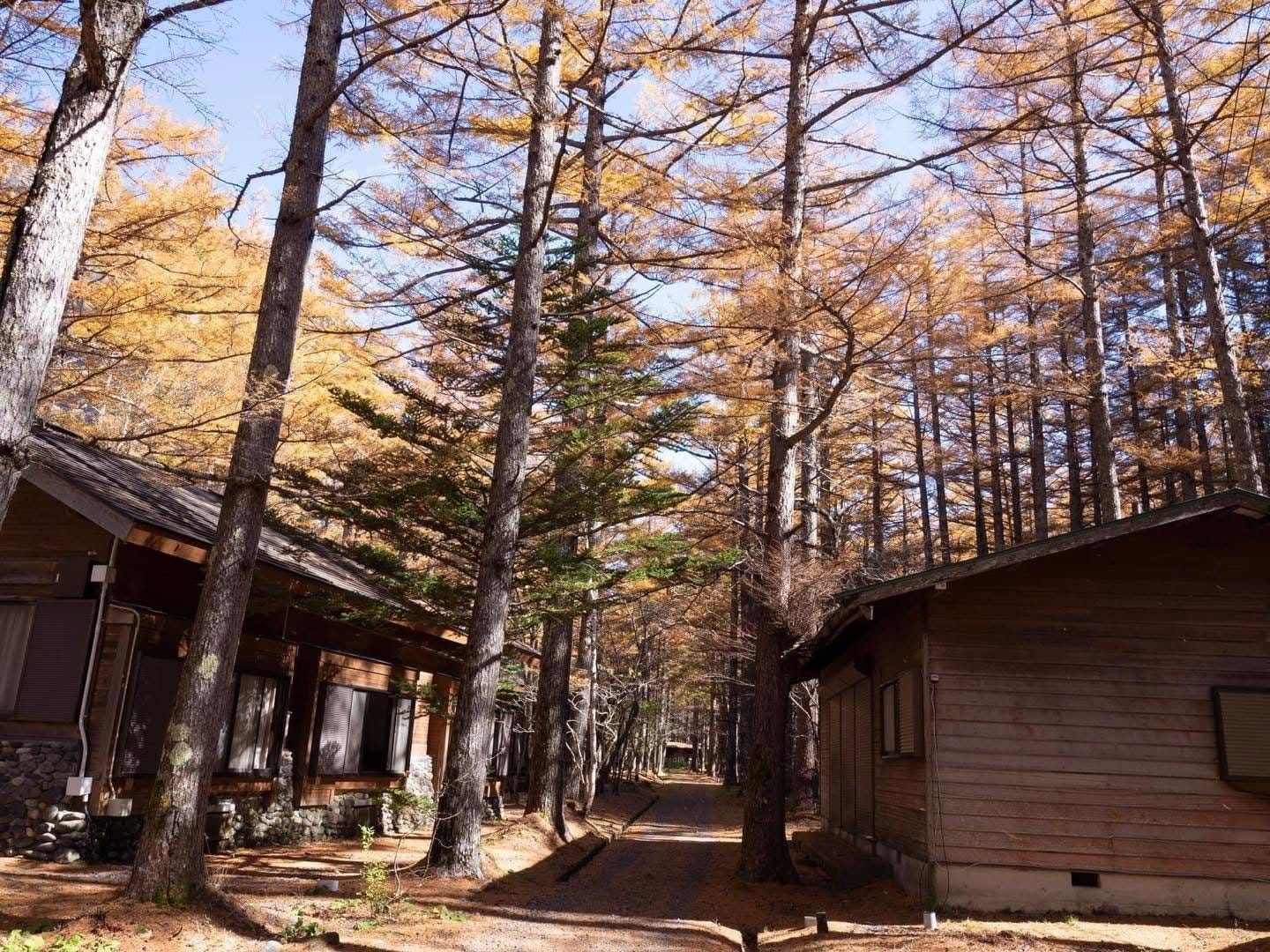
The autumn colors arrive in two waves. The first is around mid-October, when broadleaf trees turn red, orange, and golden brown around Taisho Pond and along the trails. The second, usually from late October into early November, is when the deciduous larch forest (karamatsu) turns golden — the signature color that makes autumn photos of Kamikochi look so different from the koyo of Kyoto or Nikko. The exact timing varies by year and elevation, so check the official area’s autumn foliage updates before finalizing your dates.
The cold is also part of the food story. In late October, temperatures in the valley can fall to around 0 degrees early in the morning, with frost whitening the grass along the river, while the midday sun brings pleasantly warm conditions. That contrast makes a bowl of hot noodles, a sizzling piece of fatty grilled fish, or a steaming cup of coffee far more compelling than the same thing would be on the plains.
One more thing to remember: Kamikochi bans private vehicles year-round. You leave your car in Sawando (on the Matsumoto side) or Hirayu (on the Takayama side), then take a shuttle bus or taxi into the valley. This also indirectly shapes the food scene: every ingredient in the valley has to be transported in by dedicated vehicles, so don’t be surprised when prices are a few hundred yen higher per dish than down in town. In return, you get to eat amid scenery that money cannot buy.
Salt-grilled iwana: why it’s worth walking another hour to Myojin
Iwana (岩魚) is a mountain stream fish that lives in cold, clear water. The classic preparation is shioyaki — the fish is skewered, rubbed with salt, leaned around an irori hearth, and slowly grilled over charcoal for a full hour. The salt makes the skin wonderfully crisp while the white flesh inside stays soft and sweet, with no fishy smell and an almost melt-in-the-mouth texture.
The most frequently recommended spot is Kamonjigoya — a wooden mountain hut right beside Myojin Pond, about an hour’s walk from Kappa Bridge along a flat trail beside the Azusa River. Inside, you’ll see rows of skewered fish arranged around the hearth in the middle of the room, surrounded by thin smoke and the dense aroma of burning wood charcoal. People usually order a salt-grilled iwana with a bowl of hot soba or udon, with each dish costing roughly one to two thousand yen depending on the portion — so bring cash and check the menu on-site, since prices change from year to year.
How to eat iwana properly
The mountain-hiker’s method is to hold the whole skewer and bite into the back first, eating the skin too because that’s the best part. The bones of a well-grilled iwana are quite soft, and the tail and fins are crisp enough to chew as well. If the restaurant serves it, try a small cup of hot sake too — some places make iwana-zake, in which the grilled fish is placed in hot sake so its aroma infuses the drink, a distinctly wild Japanese mountain-style tipple. Remember that you still have an hour’s walk back, so don’t overdo it.
Take a loop around Myojin Pond for a full morning
Right nearby is Myojin Pond, within the Okumiya grounds of Hotaka Shrine. There is a small admission fee to view the pond, usually a few hundred yen per person — ask at the counter, as the amount may be adjusted. In the early morning during autumn, the surface is almost perfectly still, reflecting the Myojin cliffs and golden foliage. Many people consider it even more beautiful than Kappa Bridge.
If you still have the energy and time, walk another hour or so to Tokusawa — a broad grassy area with a famous mountain hut known for its soft-serve ice cream. Eating ice cream in the cold sounds slightly absurd, but try it once and you’ll understand why everyone who passes through lines up for it.
Around Kappa Bridge: what to eat, where, and when
The Kappa Bridge and bus terminal area is the valley’s only “food district,” with almost all the available dining options concentrated there.
Shokudo-style diners. Around the bus terminal and at the foot of the bridge are several casual diners serving basics such as curry, hot soba/udon, miso pork rice bowls, and salmon rice bowls. This is the quickest, most filling, and most reasonable option for lunch if you still have an afternoon hike planned. The common pattern is that they get very busy during the autumn peak from around 11h30 to 13h, so eating early at 11h or later, after 13h30, is much more relaxed.
Beef curry and apple pie at a historic hotel. Kamikochi has several long-established hotels with a classic mountain-resort atmosphere. Among them, the lounge of the valley’s most famous red-roofed hotel serves a legendary beef curry — a dark brown sauce simmered for hours, served with rice and pickles. Meals here are among the most expensive in the area, usually a few thousand yen, and there is often a queue in autumn. But if you want a “memorable” meal rather than something that simply “fills you up,” this is the choice. Apple pie with coffee at similar lounges is also perfectly seasonal, since apples are Nagano’s number-one specialty.
Handheld snacks. Three things to try: oyaki — baked or steamed dough filled with nozawana greens, pumpkin, red bean paste, or sansai mountain vegetables, a celebrated Nagano specialty; sansai-filled baked buns sold at small stalls near the bus terminal, especially good hot in cold weather; and bread and pastries from lodge bakeries, convenient to carry as a picnic lunch. Sansai — various mountain vegetables and shoots — is traditionally associated with spring, but dried or pickled fillings are available year-round and have a distinctly “Shinshu mountain region” flavor.
Onigiri and bento to take with you. There are no konbini in the valley. If you plan to take the longer route to Tokusawa or Yokoo, buy rice balls and bread in Matsumoto or at the bus terminal stall early in the morning. The unbreakable rule is to carry all your rubbish out of the valley, and absolutely never leave leftover food beside the trail, as the area is home to wild bears and monkeys.
Coffee with a direct view of the mountain cliffs
This is the part I think many people miss. Kamikochi is not a place to rush through; half an hour spent sitting quietly with a coffee and looking at the Hotaka Range can stay with you longer than the entire 10 km walk.
A few options worth considering are the cafés in lodges and hotels at either end of Kappa Bridge, where terraces or large windows face directly toward the mountains and the Azusa River; the lounges of the traditional-style hotels farther into the valley, which are warm, quiet, and equipped with fireplaces; and the mountain huts along the trails, where the coffee is simple but the views are impossible to fault.
A few small tips: the best light for photos is early in the morning, before the sun rises above the cliffs and while mist still hangs over the river; but for a comfortable coffee break, 14h-15h is ideal, once the tour groups have thinned out. Many places in the valley close fairly early, around late afternoon, because the last buses leave Kamikochi before it gets completely dark — don’t miss your coffee by telling yourself you’ll have it “later.” Mobile reception in the valley is patchy depending on the carrier and your location, so don’t rely on app-based payments.
Fresh Shinshu soba: the dish to eat when you come down the mountain
Nagano is one of Japan’s most famous soba regions, and autumn is the season to eat it: shin-soba (新そば) — soba made from freshly harvested buckwheat, usually appearing on menus from around late October onward. Shin-soba noodles are a paler green, with a pronounced grain aroma; eating them cold, zaru/mori-style, is the best way to appreciate their flavor.
A few terms will help you read the menu: nihachi means a ratio of 8 parts buckwheat flour to 2 parts wheat flour; juwari is 100% buckwheat soba — more fragrant and more prone to breaking, making it a favorite among connoisseurs. The Shinshu region also has a rich and nutty dipping sauce made with ground walnuts (kurumi dare), which is well worth trying. At many restaurants, the meal ends with sobayu — cloudy, milky-looking water used to boil the soba — poured into the remaining dipping sauce and drunk hot. Finishing the bowl this way is the proper ending.
Where should you eat it? There is soba in the valley, but it is usually served hot for hikers. For a more serious soba meal, save your appetite for when you come down: the old town around Matsumoto Castle has many long-established soba restaurants, while the Kaida Highlands in the direction of Takayama are also famous soba country. One very practical note: many excellent soba shops only open for lunch and close when they run out of noodles for the day, so don’t plan on eating soba at 20h.
Nagano apples: which varieties to buy and when
Nagano is one of Japan’s largest apple-growing regions, and October through November is peak season. These are some of the varieties you may see at stalls:
- Shinano Sweet — intensely sweet and juicy, usually appearing early, from around September to October.
- Akibae / Tsugaru — crisp, with a good sweet-tart balance, ideal for eating fresh.
- Shinano Gold — yellow skin and a clean, bright acidity, usually reaching peak season from late October onward; it keeps well, making it ideal to take home.
- Sun Fuji — the late-season star, usually available from November; grown on the tree without being bagged, it develops an intense sweetness and a translucent, honeyed core, making it the best variety to buy if you’re traveling at the end of the season.
Besides fresh apples, you’ll find bottled pure apple juice, apple jam, apple pie, apple vinegar, and Nagano cider. Bottled juice is the safest souvenir: it is light, won’t spoil, and tastes far better than industrial apple juice.
Sawando and the road back: where to stop for local specialties
If you leave your car or change buses at Sawando, don’t rush straight onto the next bus. The Sawando parking and bus terminal area has stalls selling local goods, small shops, and onsen baths — soaking in hot water after a day of walking in the crisp air is an almost perfect ending. You can usually find seasonal apples, pickled vegetables, dried mushrooms, jam, and Shinshu specialty sweets here.
Along the national highway toward Matsumoto, roadside stations (michi-no-eki) sell produce from local farmers — this is where you’ll find the freshest goods at the best prices: apples sold by the bag, seasonal wild mushrooms, pickled nozawana greens, honey, and various products made from mountain vegetables. If you have time, the Azumino area near Matsumoto is famous for fresh wasabi grown with groundwater — whole fresh wasabi roots, wasabi snacks, and wasabi ice cream all make unusual souvenirs.
A few things worth considering as gifts are apple juice, frozen or vacuum-packed oyaki, high-quality dried soba with packets of tsuyu dipping sauce, Shinshu miso (this area is Japan’s miso capital), and local sake if your luggage allows. On the other hand, avoid buying fresh items that bruise easily, such as fresh mushrooms or overripe apples, if you still have two days of trains and buses ahead, as well as anything that requires refrigeration.
A sample day of eating in Kamikochi
- Early morning: leave Sawando on an early bus, with a light breakfast of onigiri bought the night before. Arrive at Kamikochi Bus Terminal before the mist has lifted.
- 7h–9h: walk from Kappa Bridge along the river to Myojin, see the pond, and take photos while the water is still.
- 9h30–10h30: salt-grilled iwana beside the hearth, with a bowl of hot noodles. This is the day’s “main” meal, and eating early helps you avoid the crowds.
- Lunch: return to the Kappa Bridge area, have a light meal of oyaki or sansai-filled buns, and stroll along the river.
- 14h–15h: coffee and apple pie in a lounge overlooking the Hotaka Range. Sit for a while.
- Late afternoon: reach the bus terminal earlier than expected (during peak season, there may be a queue), go down to Sawando for an onsen bath, and stop by the specialty-goods stalls.
- Evening: return to Matsumoto and have fresh soba in the old town if any restaurants are still open, or save it for lunch the next day.
Things to know before you go
Cash. Some places in the valley accept cards, but small mountain huts and snack stalls generally prefer cash. Withdraw enough in Matsumoto before heading into the mountains.
Opening hours. Restaurants follow the rhythm of the buses, which means they close fairly early in the late afternoon. Dinner in the valley is generally reserved for guests staying at the lodges.
Reservations. If you want to stay overnight to see the early-morning mist — Kamikochi’s most rewarding experience — book a lodge well in advance, as the autumn foliage season is peak season and rooms are limited.
Weather and clothing. Temperatures vary greatly over the course of the day. Wear layers, bring thin gloves and a hat for the morning, and pack rain gear. Wear shoes with good grip, as some sections of the riverside trails are damp and slippery.
Water and rubbish. There are places to collect spring water in the valley, and an insulated bottle is the most convenient option. All rubbish must be carried out — this is a mandatory rule, not a suggestion.
Bears and monkeys. Don’t eat on deserted sections of trail, don’t leave bags of food unattended, and never feed the animals. If you encounter a monkey, avoid direct eye contact and continue walking calmly.
Frequently asked questions
How long does autumn last in Kamikochi? The area usually remains open until around mid-November, then closes for the winter. The foliage is generally at its best from around mid-October to early November, but the exact timing changes every year — check the official autumn foliage updates before booking your tickets and accommodation.
Are there convenience stores in Kamikochi? No. There are only food stalls, diners, and souvenir shops operated by the lodges and hotels around the bus terminal and Kappa Bridge, along with a few mountain huts beside the trails. Buy snacks and water before heading up from the lowlands.
How long does it take to walk from Kappa Bridge to Myojin for grilled fish? About an hour each way on a fairly flat riverside trail. Including the return journey and time for eating and resting, allow around three hours in total. This route is suitable even for people who do not hike often, as long as you wear comfortable shoes.
Are there vegetarian options? Yes, but they are limited. Soba/udon, vegetable-filled oyaki, bread from lodge bakeries, and vegetable rice dishes are possible options. Keep in mind that Japanese soup stock often contains dried-fish dashi; if you are strictly vegetarian, it is best to bring your own food.
Is eating in Kamikochi expensive? It costs more than eating in town because all ingredients have to be transported into the valley. Casual dishes are usually around one to two thousand yen, while a meal at a hotel restaurant can cost several thousand yen per serving. Prices vary by season and year, so check the posted menu on-site.
Where is the best place to buy specialties: in the valley or at Sawando? The valley is suitable for small gifts and attractively packaged sweets. For apples, farm produce, and processed foods at better prices, wait until Sawando and the roadside stations along the route to Matsumoto.
Can I visit without a car? Absolutely, and many people find it more convenient. From Matsumoto, you can take a local train and then connect to a bus into the valley, or take a seasonal direct bus. Since Kamikochi bans private vehicles, even drivers have to leave their cars at Sawando or Hirayu and transfer to a bus — check the operator’s official website for schedules and fares before your trip.
More from this region — Chubu (Nagano, Kanazawa)
View all →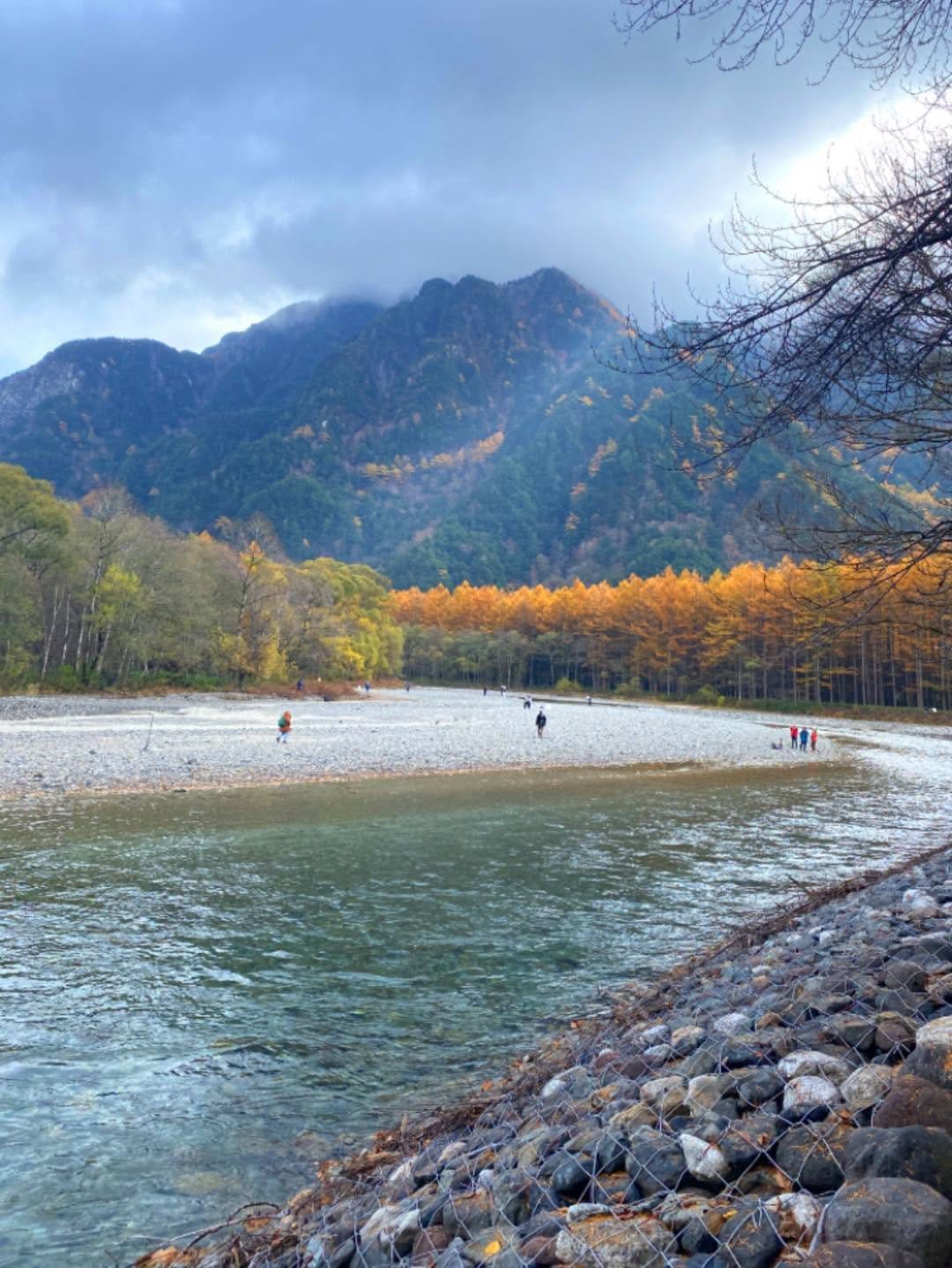
Kamikochi in autumn: private cars are banned—how to get into the valley easily
16 min · tips
Hiking in Kamikochi in Fall: Choosing a Route to Match Your Fitness and the 15/11 Closure Deadline
16 min · tips
A Guide to the Best Angles for Kamikochi’s Autumn Colors: Where and When to Shoot
16 min · tips
Kamikochi in 3–4 Days: Pairing Matsumoto and Norikura with the Progression of Fall Colors
16 min · tips