Hanabi: Japan's Firework Festivals and How to Actually Get a Seat
Jul 10, 2026 · ✍️ olablog · ⏱ 20 min read
Your comprehensive guide to Japan's spectacular Hanabi festivals in 2026. Discover major events, navigate paid vs. free seating, understand yukata culture, and find vegetarian/halal food options for a seamless trip from India and Bangladesh.
Japan's summer nights are illuminated by a spectacle unlike any other: Hanabi, the mesmerising firework festivals. For first-time or even second-time visitors from India and Bangladesh, these events offer a cultural immersion as profound as a serene temple visit or a bustling Shibuya crossing. Imagine the vibrant burst of colour, reminiscent of Diwali celebrations back home, but with a uniquely Japanese flair, where each "fire flower" is a meticulously crafted art form. This guide will equip you with all the practical knowledge to not just witness, but truly experience, a Hanabi festival in 2026, from securing the best seats to navigating food options.
The Grand Spectacle: Japan's Hanabi Season in 2026 (Major Taikai Calendar)
Japan's firework festivals are deeply rooted in tradition, with some dating back to the Edo period when fireworks were launched to ward off disease and commemorate the deceased. Today, they are a quintessential summer highlight, drawing millions with their breathtaking displays. While hundreds of festivals light up the archipelago, a few stand out for their scale, artistry, and historical significance. Planning your trip around one of these major events can be a truly unforgettable experience.
The summer Hanabi season typically spans July and August, though some notable events occur earlier or later. Here's a look at some of the most anticipated festivals in 2026, keeping in mind that dates can sometimes shift due to weather or other factors, so always check official websites closer to your travel dates.
Sumidagawa Fireworks Festival (Tokyo): Held on Saturday, July 25, 2026, the Sumidagawa Fireworks Festival is Tokyo's oldest and largest, tracing its origins to 1733. Approximately 20,000 fireworks are launched from two venues along the Sumida River in the Asakusa area. The first venue often features a competition among pyrotechnicians, while the second offers rapid-fire displays. Its prime location near iconic Tokyo landmarks like the Tokyo Skytree makes it incredibly popular, attracting around a million attendees annually. Expect immense crowds and plan your transportation and viewing strategy meticulously.
Nagaoka Festival Grand Fireworks Display (Niigata Prefecture): Widely considered one of Japan's "Big Three" fireworks festivals, Nagaoka is a powerful and moving experience. Scheduled for Sunday and Monday, August 2 and 3, 2026, it commemorates the victims of the 1945 Nagaoka Air Raid and symbolises recovery and peace. Over 20,000 shells are launched over two nights, including colossal sanshakudama shells that burst up to 650 metres in diameter. A highlight is the "Phoenix Fireworks" display, stretching two kilometres along the Shinano River, often set to music. Nagaoka is unique in that all viewing areas are paid seats, a policy that started in 2023.
National Fireworks Competition "Omagari Fireworks" (Akita Prefecture): Another of the "Big Three," the Omagari Fireworks is a prestigious competition where Japan's top pyrotechnicians vie for the Prime Minister's Award. The Summer Chapter is scheduled for Saturday, August 29, 2026, with both daytime and evening fireworks displays. Located along the Omono River in Daisen City, Akita, it's renowned for its technical artistry and diverse firework designs. Like Nagaoka, paid seating is available and highly recommended given its popularity.
Atami Sea Fireworks Festival (Shizuoka Prefecture): For those seeking flexibility, the Atami Sea Fireworks Festival is an excellent choice as it offers multiple dates throughout the summer. In 2026, it's scheduled for July 20, July 26, August 5, August 9, August 18, and August 24. The fireworks are launched from Atami Bay, with the surrounding mountains creating a natural amphitheatre that amplifies the sound and visual impact. It's easily accessible from Tokyo via Shinkansen (around 50 minutes) for a convenient day trip.
Other Notable Festivals:
- Edogawa Fireworks Festival (Tokyo): Scheduled for August 1, 2026, this festival is known for launching approximately 14,000 fireworks in just one hour, often synchronised to music. It offers excellent free viewing areas along the Edogawa riverbank.
- Lake Suwa Fireworks Festival (Nagano Prefecture): On August 15, 2026, Lake Suwa hosts a massive display of around 40,000 shells launched from the middle of the lake. The surrounding mountains create a unique acoustic experience as echoes reverberate through the valley.
When planning your itinerary, consider the geographical spread of these festivals. While Tokyo-based events are convenient, venturing to Niigata or Akita for Nagaoka or Omagari offers a different, often more intense, cultural and visual experience.
Securing Your Spot: Paid vs. Free Seating at Hanabi Festivals
Just as you might plan meticulously for train tickets on IRCTC or a coveted seat at a cricket match, securing your viewing spot for a Japanese Hanabi festival requires forethought. You essentially have two main options: free viewing areas or paid, reserved seating. Each comes with its own set of advantages and challenges, particularly for international visitors.
Free Viewing Areas: Most Hanabi festivals offer designated free viewing areas, often along riverbanks or open spaces. These spots are popular for their vibrant atmosphere and cost-effectiveness. However, the trade-off is often intense competition for space. For major festivals like Sumidagawa or Edogawa, locals will typically arrive several hours in advance – sometimes as early as mid-afternoon for an evening show – to lay down tarps or sheets to mark their territory. This practice, known as basho-tori, is generally accepted, but claiming an unreasonably large area is frowned upon.
- Pros of Free Seating: No cost, immersive local experience, flexibility to move around (before the crowds set in).
- Cons of Free Seating: Requires very early arrival (2-3 hours minimum, sometimes more for popular spots), can be extremely crowded with limited personal space, obstructed views are possible, lack of amenities (like toilets or direct access to food stalls) in prime spots.
- Strategy for Free Seating:
- Arrive Early: This cannot be stressed enough. The earlier you arrive, the better your chances of securing a decent spot. Think of it like getting to a popular temple on a festival day; punctuality is key.
- Bring a Sheet/Tarp: A small picnic sheet or tarp is essential for marking your space and providing a comfortable sitting area.
- Scout in Advance: If possible, visit the area a day or two before to understand the layout, potential viewing angles, and nearby amenities like convenience stores or public toilets.
- Stay Hydrated & Fed: Bring your own water and snacks, as venturing to food stalls from a secured spot might mean losing it.
- Comfortable Footwear: You will be walking and standing a lot. Comfortable sandals or walking shoes are a must.
Paid Reserved Seating: For a more comfortable and guaranteed viewing experience, paid reserved seats are highly recommended, especially for major festivals. These seats are typically located in prime viewing areas, closer to the launch sites, offering unobstructed views away from the densest crowds. Paid seating options vary, from individual chairs and bench seats to table seats for groups and even special box seats.
- Pros of Paid Seating: Guaranteed spot with excellent views, less crowding, often includes amenities like dedicated toilets or food/drink access, more relaxed atmosphere.
- Cons of Paid Seating: Cost (ranging from ¥2,000 to ¥20,000 per person, approximately ₹1,120 to ₹11,200), tickets sell out quickly, can be challenging to purchase from outside Japan.
- How to Purchase Paid Tickets:
- Lawson Ticket: This is a primary platform for many festivals. You can reserve tickets online via the Lawson Ticket website (l-tike.com) and then pay and print them using a Loppi machine at any Lawson convenience store in Japan. This requires some Japanese language familiarity or assistance.
- Official Festival Websites: Some festivals, like Nagaoka, have English ticket pages dedicated to overseas residents, with specific application periods (e.g., Nagaoka's application period for 2026 was May 25 to June 8). These often operate on a lottery system.
- Travel Agencies/Tour Packages: For festivals with extremely high demand or complex ticketing, like Nagaoka where all seats are paid and tickets are lottery-based and international credit cards are often declined, booking through a travel agency or a package tour (e.g., via Klook or KKday) is often the most reliable option. These packages often bundle Shinkansen travel, accommodation, and guaranteed seats, making the process seamless for international visitors. Expect these to be more expensive, with Nagaoka packages starting from around USD 720 (approximately ₹60,000 or 80,000 BDT) for a 2-day budget option.
- Tokyo Skytree/Yakatabune Boats: For Sumidagawa, special viewing options exist from the Tokyo Skytree (via lottery or special packages) or from yakatabune (traditional houseboat) cruises on the river, which include food and drinks, though at a higher price during the festival (around ¥13,000 or ~₹7,280 per person, potentially more for festival dates).
- Timing is Crucial: Tickets generally go on sale 1-6 months before the event. Popular events sell out very quickly, so monitor official websites and booking platforms as soon as your travel plans are firm.
The Art of Arrival: Timing Your Hanabi Experience
Just as precise as the Shinkansen (bullet train) schedule, knowing when to arrive and, crucially, when to depart, can make or break your Hanabi experience. Japan's summer festivals are incredibly popular, and crowds can be overwhelming if you're unprepared.
For Free Seating: As mentioned, early arrival is paramount. For major festivals, aiming to arrive 2-3 hours before the fireworks begin is a minimum. Some dedicated attendees for prime spots may even arrive 4-5 hours ahead, or even earlier in the day. This allows you to secure a good patch, set up your picnic sheet, and soak in the pre-festival atmosphere with local families. Consider it a leisurely picnic build-up, much like gathering for a family event back home, where getting there early ensures the best spot.
For Paid Seating: While you have a guaranteed spot, arriving at least 30-60 minutes before the fireworks begin is advisable. This gives you ample time to find your designated area, grab any pre-show snacks or drinks from nearby stalls, and settle in without feeling rushed. Paid seating areas will still have people, but the congestion is significantly less than in free zones.
Navigating the Crowds (Arrival):
- Public Transport is King: Trains and subways are the most efficient way to reach festival venues. Think of the Tokyo Metro or JR lines as being even more punctual and organised than the Delhi Metro.
- Plan Your Route: Use navigation apps like Google Maps, but also check the festival's official website for any specific train station exits or walking routes recommended for attendees, as temporary crowd control measures are common.
- Expect Delays: Even with efficient public transport, the sheer volume of people will mean longer travel times to and from stations near the venue. Build extra time into your schedule.
The Post-Fireworks Exodus: This is where many first-time visitors make a common mistake. Immediately heading to the nearest station after the grand finale will plunge you into a massive bottleneck with tens of thousands of people. It can be a truly overwhelming, almost crushing, experience.
- Wait it Out: The best advice is to wait 20-30 minutes, or even longer, after the fireworks conclude. Use this time to finish any snacks, pack up your belongings, or simply enjoy the lingering festive atmosphere. Many locals do this.
- Walk to a Further Station: If possible, identify a station one or two stops away from the main festival exit. Walking a bit further can help you bypass the worst of the immediate crowds and board a less packed train.
- Buy Return Tickets in Advance: If you're not using an IC card like Suica or Pasmo, purchase your return train ticket upon arrival at the nearest station to avoid long queues at ticket machines after the event.
- Check Last Train Times: Always confirm the last train schedule, especially if you're relying on local lines to connect to a Shinkansen or your accommodation.
Embrace the Tradition: Yukata Culture at Hanabi
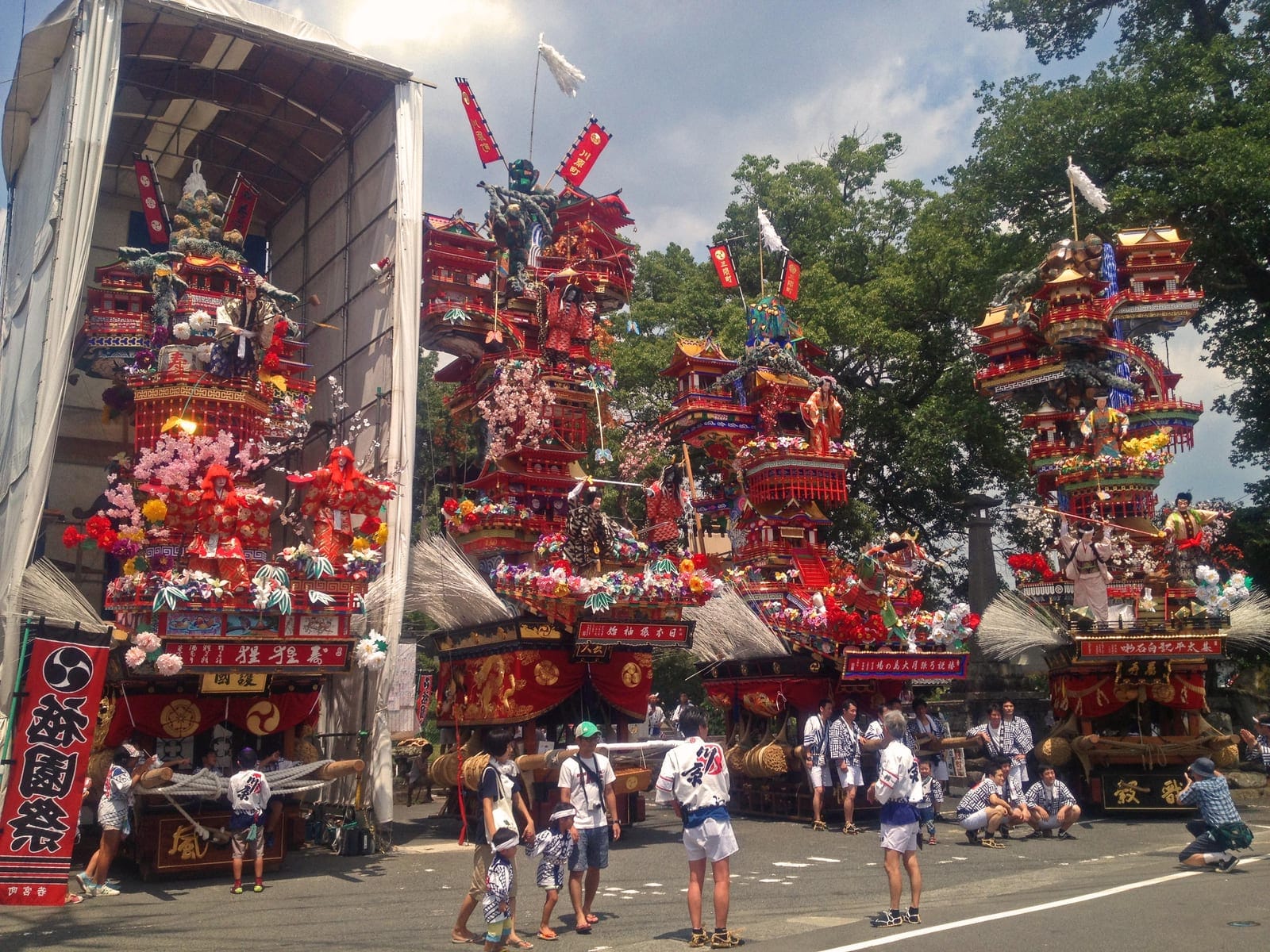
One of the most charming aspects of a Japanese Hanabi festival is the prevalence of people, both young and old, dressed in yukata. These casual summer kimonos are made of cotton, making them lighter and more comfortable for the warm, humid Japanese summer evenings. Wearing a yukata is not just about fashion; it's a way to immerse yourself in the local culture and truly feel part of the festive atmosphere.
For visitors from India and Bangladesh, where traditional wear like saris or kurta-pajamas are common for festivals, donning a yukata can be a familiar and delightful experience. Locals often appreciate seeing foreigners embrace this tradition.
What is a Yukata? A yukata is a simplified, unlined cotton garment, distinct from the more formal silk kimono. It's worn with an obi (sash) and geta (wooden sandals) or zori (flat sandals). They typically feature vibrant colours and patterns, reflecting the lively summer spirit.
Renting vs. Buying:
- Renting: This is the most popular and practical option for tourists. Many shops near major festival venues or popular tourist areas like Asakusa (Tokyo) or Gion (Kyoto) offer yukata rental packages.
- Cost: Rental plans typically start from around ¥2,800 to ¥5,500 (approximately ₹1,570 to ₹3,080) per person. This usually includes the yukata, obi, a small bag, and sandals. Hair styling and other accessories might be extra.
- Process: Shops usually offer a hassle-free experience, including professional dressing. It can take about an hour to choose your yukata and get dressed, including hair styling. You typically need to return the yukata by a certain time in the evening (e.g., 5 PM or 6 PM).
- Booking: It's advisable to book rental appointments in advance, especially during peak festival season, to ensure availability.
- Buying: If you wish to take a yukata home as a souvenir, you can purchase one. New yukata sets (including obi and sandals) can start from around ¥4,000 (approximately ₹2,240), with higher-quality ones costing more. For budget-conscious travellers, second-hand shops (like "Chicago" or flea markets) can offer very affordable options, sometimes as low as ¥1,100 (approximately ₹616) for just the yukata robe.
Tips for Wearing Yukata:
- Comfort First: While beautiful, yukata can feel a bit restrictive if you're not used to them. Ensure your sandals are comfortable, as you'll be walking quite a bit.
- Heat Management: Japanese summers are humid. Choose a lightweight yukata and carry a hand fan (uchiwa) to stay cool.
- Etiquette: While there are no strict dress code rules, being mindful of how you sit and move in a yukata is part of the experience.
Feasting Under Fireworks: Navigating Food Stalls (Vegetarian & Halal Friendly)
A Hanabi festival is incomplete without indulging in the delicious offerings from the yatai (food stalls) that line the streets. These stalls offer a sensory overload of aromas and flavours, from savoury snacks to sweet treats. However, for vegetarian and halal travellers from India and Bangladesh, navigating these options requires careful consideration due to common ingredients like mirin (cooking alcohol), pork derivatives, and shared cooking surfaces.
Common Festival Foods and Considerations:
- Takoyaki (Octopus Balls): These popular grilled octopus balls are often topped with sauces containing mirin or even oyster extract. The octopus itself is seafood, which may be permissible depending on individual dietary interpretations, but the sauces and cross-contamination from shared griddles (which might cook non-halal meat) are major concerns.
- Vegetarian/Halal Tip: Generally not recommended. If you are strictly vegetarian or halal, it's best to avoid these at typical festival stalls. If you must try, ask for sauce nuki (without sauce) and be aware of potential cross-contamination. Some halal-certified Japanese restaurants offer halal takoyaki.
- Yakisoba (Fried Noodles): Festival yakisoba almost always contains sliced pork belly and is cooked with sauces that include mirin and other non-halal ingredients on shared griddles.
- Vegetarian/Halal Tip: Strongly not recommended at festival stalls. Even asking for no meat will not remove the sauce or address cross-contamination issues.
- Okonomiyaki (Savoury Pancake): Similar to yakisoba, this savoury pancake often contains pork or other meats and uses non-halal sauces and broths.
- Vegetarian/Halal Tip: Generally not recommended at festival stalls.
- Ikayaki (Grilled Squid): Grilled squid on a stick is a popular seafood option. While squid itself is generally permissible for seafood-eating vegetarians and halal diets, the seasoning sauces used often contain mirin or soy sauce with alcohol.
- Vegetarian/Halal Tip: Ask if they can prepare it with just salt (shio), or inquire about the sauce ingredients. "O-sake wa haitte imasu ka?" (Does it contain alcohol?) or "Niku wa haitte imasu ka?" (Does it contain meat?) can be useful phrases.
- Ringo Ame (Candy Apples): These candied apples are a safe and sweet treat! The standard recipe uses fresh apples, sugar, water, and food colouring, with no animal-derived ingredients or alcohol.
- Vegetarian/Halal Tip: Generally safe and highly recommended.
- Kakigori (Shaved Ice): A refreshing summer dessert with flavoured syrups.
- Vegetarian/Halal Tip: Generally safe. Ensure the syrups don't contain any unexpected animal products or alcohol (which is rare for kakigori syrups).
- Taiyaki (Fish-shaped Cake): These delicious, fish-shaped pastries are typically filled with sweet red bean paste or custard. They are usually made from flour, eggs, and sugar.
- Vegetarian/Halal Tip: Generally Muslim-friendly if checked for gelatin in fillings or margarine in the batter. The red bean paste (anko) is usually vegan.
- Mochi/Dango: Sweet glutinous rice cakes, often on skewers, sometimes grilled.
- Vegetarian/Halal Tip: Plain mochi or dango with sweet soy glaze (if confirmed no mirin) or kinako (roasted soybean flour) are often safe. Confirm ingredients for any sauces.
- Yakitori (Grilled Skewers): While chicken skewers are popular, most festival yakitori will be non-halal chicken and cooked with tare sauce (which contains mirin) on shared grills.
- Vegetarian/Halal Tip: Avoid at festivals. Look for dedicated halal yakitori restaurants if you want to try.
General Food Strategies for Vegetarian/Halal Travellers:
- Eat Beforehand: The safest approach is often to have a substantial meal before heading to the festival.
- Pack Snacks: Carry your own halal-certified or vegetarian-friendly snacks, fruits, and drinks.
- Look for Clear Labels: In larger cities or more tourist-friendly festival areas, you might find a few stalls with clearer ingredient lists or even "halal" signs, but these are rare at typical yatai.
- Convenience Stores (Konbini): Japan's konbini (7-Eleven, Lawson, FamilyMart) are excellent for vegetarian and some halal options. You can find rice balls (onigiri) with vegetarian fillings (ume, kombu), salads, fruits, and bread. Always check labels carefully for meat, fish, or alcohol. Some onigiri fillings like tuna mayo are not vegetarian.
- Learn Key Phrases:
- "Niku o tabemasen." (I don't eat meat.)
- "Butaniku wa tabemasen." (I don't eat pork.)
- "O-sake wa haitte imasu ka?" (Does it contain alcohol?)
- "Halal desu ka?" (Is it halal?)
- "Shokuji-sei genkai ga arimasu." (I have dietary restrictions.)
While food stalls are a big part of the festival experience, prioritising your dietary needs means being prepared and sometimes opting out of certain popular items.
Planning Your Hanabi Journey: Essential Logistics for Indian & Bangladeshi Travellers
A trip to Japan requires careful planning, and attending a Hanabi festival adds a layer of logistical considerations. For visitors from India and Bangladesh, addressing visa requirements, connectivity, and local transport are paramount for a smooth and enjoyable journey.
Visa Requirements: Indian and Bangladeshi passport holders generally require a visa to enter Japan. Japan offers an e-visa facility for eligible Indian applicants, but the process still requires careful documentation.
- Key Documents: A valid passport (at least 6 months validity, 2 blank pages), recent passport-sized photographs, confirmed flight and hotel bookings, a detailed travel itinerary, and proof of financial capability are typically required.
- Application: Apply online where eligible, or via the VFS route if required for your city. It's crucial to apply well in advance of your travel date, as processing times can vary. Working with a reputable travel agency can help streamline the paperwork.
Connectivity: Staying connected is vital for navigation, translation, and staying in touch with family. Public Wi-Fi in Japan can be patchy.
- Pocket Wi-Fi or eSIM: Renting a pocket Wi-Fi device or purchasing a local eSIM (like those from Matrix or Rakuten/KDDI/Docomo) upon arrival is highly recommended. This ensures reliable internet access for maps, train schedules, and quick searches. Pre-booking an eSIM or pocket Wi-Fi is often cheaper than airport purchases.
Currency and Payments: Japan remains a cash-centric society, especially outside major cities and at festival food stalls.
- Cash is King: Always carry sufficient Japanese Yen (JPY) in cash. Many smaller shops, shrines, and particularly yatai will be cash-only.
- ATMs: 7-Eleven convenience stores are reliable for international ATM withdrawals.
- Card Usage: Credit cards are accepted in most major city shops, restaurants, and hotels. Be mindful of exchange rates and potential card conversion charges.
- Conversion Rate: As of 2026, roughly ¥1 is approximately ₹0.56. So, ¥1,000 is about ₹560. For Bangladeshi Taka, ¥1,000 is roughly 750-800 BDT (check current rates).
Transportation: Japan's public transportation system is world-class, renowned for its efficiency and punctuality.
- JR Pass: The Japan Rail (JR) Pass, while convenient for multi-city travel, has seen recent price increases. It's not always cost-effective for every itinerary. For a simple Tokyo-Kyoto round trip, individual Shinkansen tickets might be cheaper. Use a calculator to determine if the pass makes sense for your specific route, especially if you're not planning extensive long-distance travel within a tight timeframe.
- Shinkansen (Bullet Train): For inter-city travel, the Shinkansen is the fastest option. Booking reserved seats is recommended for comfort, though non-reserved seats (Jiyuseki) are also available.
- City Metro/Subway: Within cities like Tokyo, the metro and subway networks are extensive and efficient. Think of them as an even more organised version of the Delhi Metro. An IC card (Suica or Pasmo) is essential for seamless travel; simply tap and go.
- Avoiding Congestion: As mentioned earlier, planning your departure from festival venues by waiting or walking to a further station is crucial to avoid post-event transport chaos.
Accommodation: Book accommodations well in advance, especially if travelling during peak festival season. Hotel prices in central Tokyo and Kyoto can be high. Staying near major train stations can save both time and money on local transport. Capsule hotels or traditional ryokan offer unique experiences, with ryokan often including multi-course kaiseki dinners.
Cultural Etiquette: Japanese culture values politeness and order.
- No Tipping: Tipping is not customary in Japan and can cause confusion. A service charge is often included in bills where applicable.
- Quiet on Trains: Keep your voice low on public transport.
- Queuing: Form orderly queues for everything, from train platforms to food stalls.
- Trash: Japan has very few public trash cans. It's customary to carry your trash with you until you find a designated disposal area or take it back to your accommodation. Bring a small trash bag.
- Eating/Smoking While Walking: This is generally frowned upon. If eating street food, find a designated area or stand aside.
A Sample Hanabi Day: Tokyo's Sumidagawa Festival
Let's imagine a practical day plan for experiencing the Sumidagawa Fireworks Festival in Tokyo on July 25, 2026, keeping our India/Bangladesh audience in mind.
Morning (10:00 AM - 1:00 PM): Asakusa Exploration & Yukata Fitting
- 10:00 AM: Arrive in Asakusa. Take the Tokyo Metro Ginza Line or Toei Asakusa Line, similar to navigating different lines on the Delhi Metro. Store your main luggage in a coin locker at the station if you're not heading straight to your hotel.
- 10:30 AM - 12:00 PM: Explore Sensoji Temple, Tokyo's oldest temple, and Nakamise-dori market. This allows you to soak in traditional Japanese culture before the evening festivities.
- 12:00 PM - 1:00 PM: Head to a pre-booked yukata rental shop in Asakusa (e.g., near Sensoji Temple). Allow ample time for selection and dressing.
🎆 Make a trip of it — tours near the fireworks
Day tours departing from the nearest city — tour by day, fireworks by night.
 Day tour
 Day tour
 Day tour
 Day tour