
Seasonal Japanese Matsuri Guide: Which Festival to Visit Each Month
Year-round major matsuri guide: Kyoto Gion in July, Aomori Nebuta in August, Awa Odori, Kanda Matsuri, and Sapporo Yuki Matsuri, plus expert festival tips.
Aug 8, 2026·✍️ olablog·⏱ 8 min read
Year-round major matsuri guide: Kyoto Gion in July, Aomori Nebuta in August, Awa Odori, Kanda Matsuri, and Sapporo Yuki Matsuri, plus expert festival tips.
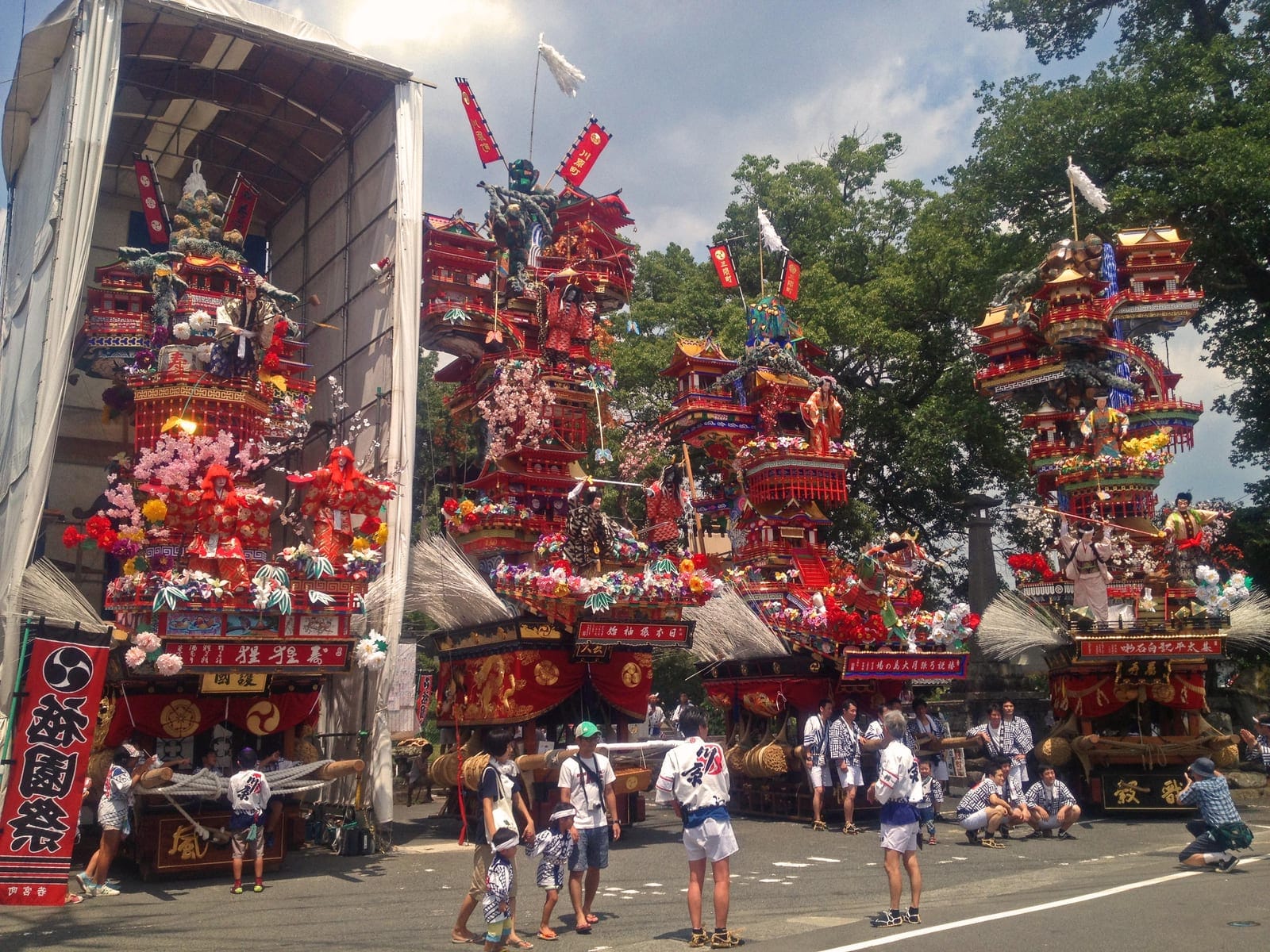
If you want to experience a side of Japan completely different from its usual orderly and reserved image, plan your visit during matsuri (祭り - traditional festival) season. During these festive days, entire cities transform: the thunderous beat of taiko (太鼓) drums echoes through the streets, crowds dressed in lightweight summer yukata (浴衣) cheer as portable shrines are hoisted high, and the air fills with the irresistible aroma of grilled squid drifting from bustling yatai (屋台 - food stalls). Japan hosts tens of thousands of festivals every year, deeply tied to local shrines, temples, seasonal harvests, and regional history—meaning virtually no matter which month you visit, you can catch an incredible festival. This guide selects the most iconic seasonal festivals so you can seamlessly weave them into your travel itinerary.
Winter: さっぽろ雪まつり(Sapporo Yuki Matsuri / Sapporo Snow Festival) — A Kingdom of Ice and Snow (Early February)
Kicking off the festival calendar is the さっぽろ雪まつり(Sapporo Yuki Matsuri / Sapporo Snow Festival) in 北海道(Hokkaido), held during the first week of February. What began in 1950 with just a handful of snow statues built by local high school students has evolved into a global spectacle drawing millions of visitors. Massive snow and ice sculptures—some standing tens of meters high—stretch along 大通公園(Odori Park / Odori Koen), depicting intricate castles, historic shrines, or beloved anime characters carved from packed snow. The 薄野(Susukino) district displays crystal-clear ice sculptures illuminating brilliantly under night lights, while the ツドーム(Tsudome) site offers family-friendly snow slides and interactive winter fun.
The most crucial tip for visitors: layer up warmly and wear sturdy non-slip footwear, as winter temperatures in 札幌(Sapporo) drop well below freezing and sidewalks freeze solid. Local hotels sell out many months in advance, so lock in your accommodations the moment your dates are set. Attending the Snow Festival is also the perfect opportunity to savor iconic Hokkaido culinary specialties: fresh snow crab, piping-hot soup curry, and rich miso ramen. (Tip: Using your Suica or Pasmo IC card makes getting around on local subways smooth and hassle-free).
Spring: 神田祭(Kanda Matsuri / Kanda Festival) — Grand Processions in the Heart of Tokyo (Mid-May)
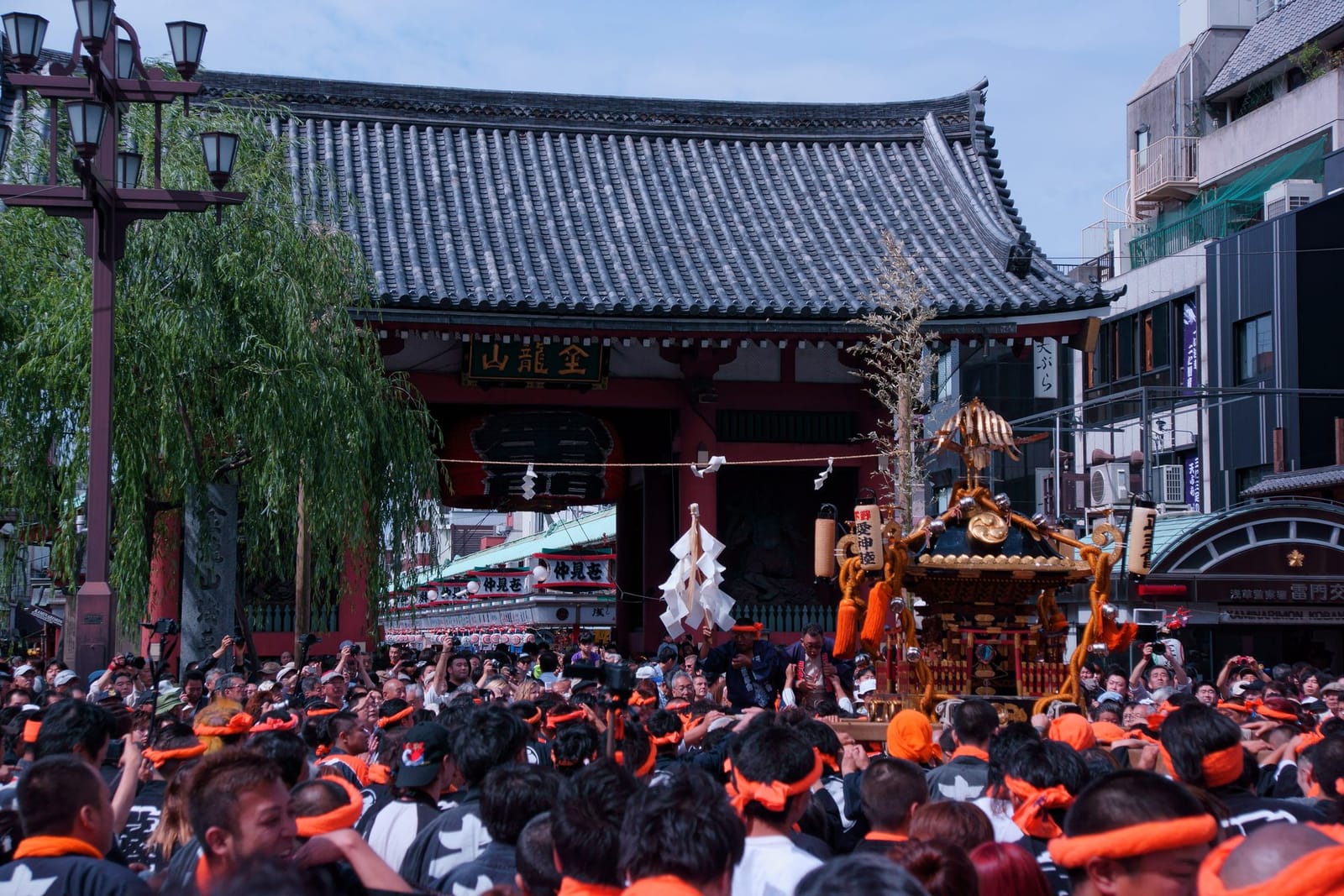
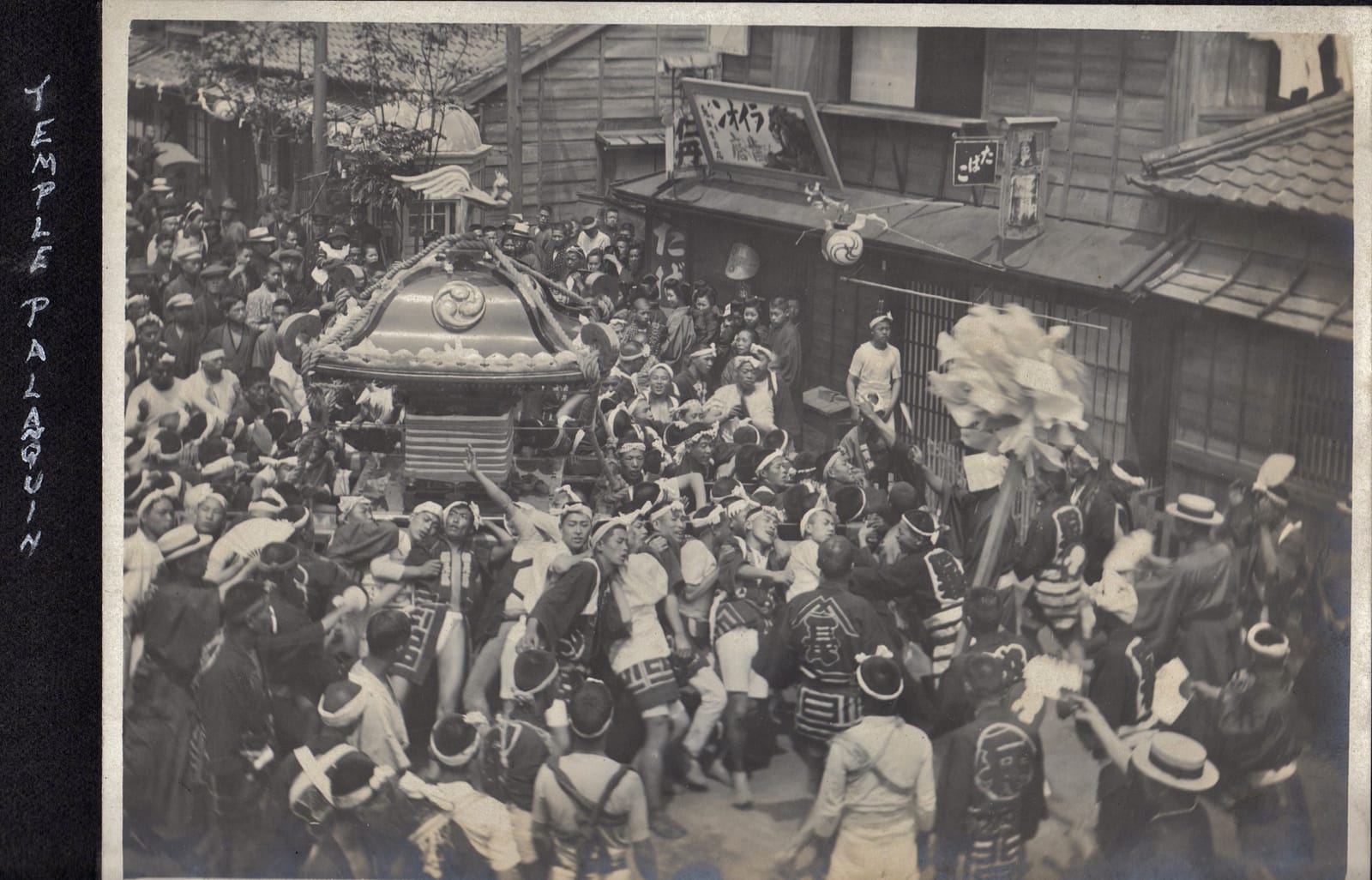
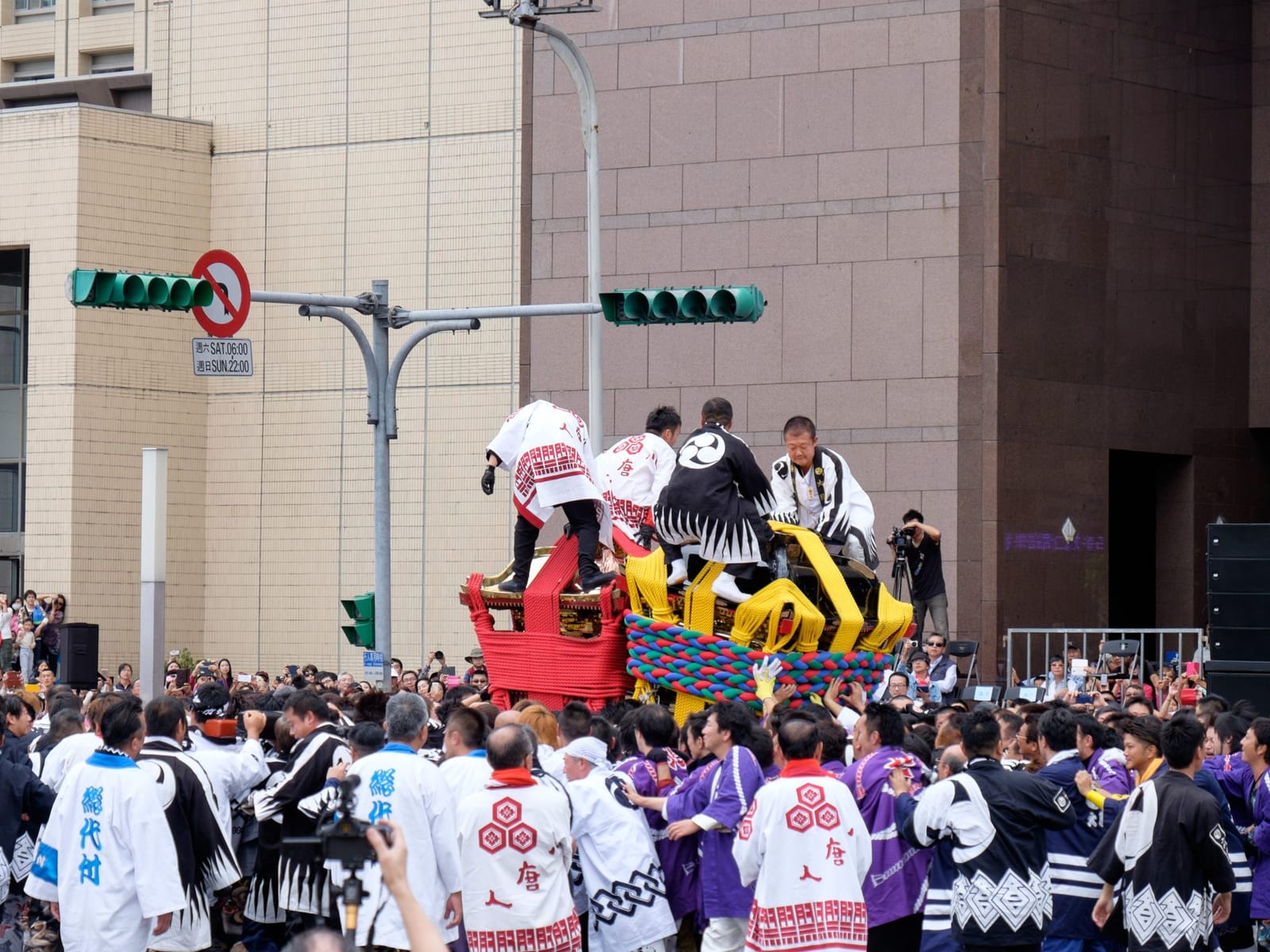
Hosted by 神田明神(Kanda Myojin Shrine), the 神田祭(Kanda Matsuri / Kanda Festival) ranks among Tokyo's top three major festivals, historically revered as a grand "shogun's festival" during the Edo period. The full-scale main celebration takes place only in odd-numbered years around mid-May, when roughly 200 mikoshi (神輿 - portable shrines) are paraded through central Tokyo by energetic neighborhood groups. Sweeping through tech hub 秋葉原(Akihabara) and historic 日本橋(Nihonbashi), the event creates a striking visual contrast: ornate gold-and-vermilion shrines moving beneath towering glass skyscrapers. It is a quintessential metropolitan matsuri that fits effortlessly into any Tokyo itinerary. If you travel during an even-numbered year, you can experience 三社祭(Sanja Matsuri) at 浅草(Asakusa) instead—held annually in mid-May with an even wilder, high-energy atmosphere easily accessible using your IC card on Tokyo metro lines.
Summer (July): 祇園祭(Gion Matsuri / Gion Festival) — Kyoto's Month-Long Cultural Extravaganza
The 祇園祭(Gion Matsuri / Gion Festival) is arguably Japan's most famous festival, spanning the entire month of July in 京都(Kyoto). With a heritage exceeding a thousand years, it originated from purification rituals at 八坂神社(Yasaka Shrine) to ward off pestilence. The absolute highlights are the two 山鉾巡行(Yamaboko Junko) grand processions on July 17 and July 24. Towering hoko floats over 20 meters tall and weighing up to 12 tons—adorned with priceless historic tapestries and dubbed "moving museums"—are pulled manually through downtown boulevards. The most thrilling spectacle is tsuji-mawashi (辻回し), where team pullers lay down watered bamboo slates and rhythmically pivot the colossal floats 90 degrees at busy street intersections.
However, seasoned travelers often prefer the three evening street festivals preceding the main parade, known as 宵山(Yoiyama). Historic downtown streets close to vehicular traffic, wooden floats glow softly under lantern light, traditional merchant townhouses display family heirlooms to the public, and crowds stroll the historic avenues clad in colorful yukata. Do note that July in Kyoto is notoriously hot and humid: carry plenty of water, bring a hand fan, and claim a shaded viewing spot early. Traveling to Kyoto from Tokyo or Osaka is seamless with a JR Pass or Shinkansen ticket.
Summer (August): 青森ねぶた祭(Aomori Nebuta Matsuri) and 阿波踊り(Awa Odori Tokushima)
In early August, the 東北(Tohoku) region hosts some of Japan's most spectacular summer celebrations, with the 青森ねぶた祭(Aomori Nebuta Matsuri) (August 2–7) standing as the undisputed star. Every evening, dozens of gigantic paper lantern floats—constructed with wire frames and hand-painted washi paper depicting legendary samurai warriors, mythical deities, and fierce demons—illuminate from within as they roll through the streets. They are accompanied by pounding drums, bamboo flutes, and chant-cries of "Rassera! Rassera!" from energetic haneto dancers. Best of all: international tourists can actively join the parade as dancers simply by wearing the official haneto costume (easily rentable on-site for around $30–$40 / ¥4,000–¥6,000). On the final night, the winning floats are paraded on ocean barges as fireworks light up the bay.
Around mid-August further south, 阿波踊り(Awa Odori) in 徳島(Tokushima) on 四国(Shikoku) island is Japan's largest dance festival, held during the お盆(Obon) holiday season. Tens of thousands of dancers grouped into troupes called ren parade through the streets performing a synchronized high-stepping dance to the rhythm of shamisen lutes and taiko drums. They chant a famous traditional lyric that translates to: "Dancers are fools, onlookers are fools; since both are fools, you might as well dance!" True to that welcoming spirit, designated spectator-participation zones invite everyone to jump in—don't just stand on the sidelines. If your itinerary doesn't extend to Shikoku, the 高円寺阿波おどり(Koenji Awa Odori) held in western Tokyo at the end of August offers an equally electrifying alternative easily reached via local trains using your SUICA or IC card.
Practical Tips for an Unforgettable Matsuri Experience
- Book Accommodation Months in Advance: Hotels in 青森(Aomori) during Nebuta or 京都(Kyoto) during Gion week fill up months early, with nightly rates surging significantly. Consider staying in nearby cities (e.g., 盛岡/Morioka or 大阪/Osaka) and commuting via local trains or Shinkansen using your JR Pass.
- Arrive Early to Secure Viewing Spots: Prime vantage points along procession routes are routinely claimed hours before start times. Many major festivals offer reserved paid spectator seats (typically $20–$50 / ¥3,000–¥7,500)—well worth the investment when traveling with young children or elderly family members.
- Eat Like a Local at Yatai Food Stalls: Savory yakisoba fried noodles, crispy karaage fried chicken, refreshing kakigori shaved ice, and chocolate-dipped bananas represent half the magic of any matsuri. Keep plenty of Japanese yen cash in small bills and coins ($1–$10 equivalents / ¥100–¥1,000), as most festival street vendors do not accept credit cards or digital payments.
- Respect Festival Etiquette and Sacred Traditions: Matsuri are sacred Shinto or Buddhist religious rites first and tourist attractions second. Never step onto the parade path, do not touch sacred mikoshi or floats, and always ask permission before taking close-up portraits of parade participants.
- Prepare for Seasonal Weather and Transport Crowds: Summer festivals require sunscreen, hand fans, cooling towels, and ample hydration; winter festivals demand insulated snow boots and warm gear. Train stations immediately following major parades get overwhelmingly packed—a smart strategy is lingering at a nearby restaurant for a late snack and heading home once peak crowds disperse.
- Set a Clear Meeting Point for Groups: Festival crowds can easily separate groups, and navigating packed trains with large parties can be stressful. For families or corporate groups of ten or more, booking a private chartered bus with a driver through OlaChill drops your party near the festival grounds and picks you up at a scheduled spot, allowing everyone to relax and focus entirely on the festivities.
Matsuri season represents Japan at its most welcoming, vibrant, and enchanting. Whichever time of year you choose to travel, be sure to include at least one festival in your travel plan—explore updated event schedules and seasonal travel itineraries on the OlaChill Japan Travel Blog. An evening surrounded by thundering taiko drums and a sea of glowing lanterns may very well become the most vivid memory you bring home from Japan.
More from this region — Other
View all →
History of Matcha and Tea Ceremony: From Zen Monasteries to Today
6 min · culture
How Much Luggage Can Each Bus Size Carry in Japan?
8 min · tips
Golf Bags, Ski Gear & Big Luggage: Which Van Should You Book?
8 min · tips
When is the Best Season to Wear Kimono in Japan? Sakura, Autumn Leaves, White Snow, and Summer Yukata
7 min · culture