
History of Matcha and Tea Ceremony: From Zen Monasteries to Today
The 800-year journey of matcha: from Chinese Zen monasteries to Sen no Rikyu's tea ceremony, wabi-sabi philosophy, omotenashi hospitality, and its status as a Japanese icon.
Aug 8, 2026·✍️ olablog·⏱ 6 min read
The 800-year journey of matcha: from Chinese Zen monasteries to Sen no Rikyu's tea ceremony, wabi-sabi philosophy, omotenashi hospitality, and its status as a Japanese icon.
Long before becoming a staple ingredient for lattes and pastries across the globe, matcha was a medicine for Zen monks, a prized asset for shoguns, and the centerpiece of an art of living refined by the Japanese over eight centuries. Understanding the history behind this bowl of powdered green tea allows you to see every experience in Japan—from a quiet tea house in 京都(Kyoto) to the way a shop clerk bows—through a completely different lens. This is the story of how a humble beverage evolved into an entire philosophy.
From China to Japanese Zen Monasteries
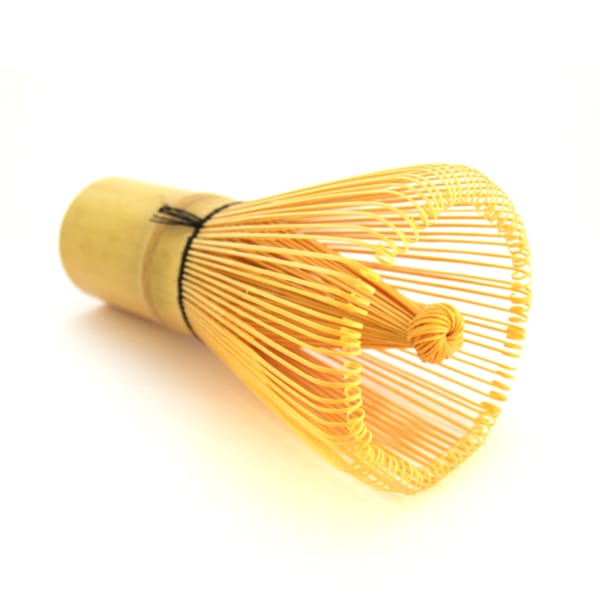
The custom of grinding tea leaves into powder and whisking them with hot water was originally popular in Song Dynasty China. In 1191, Zen master 栄西(Eisai)—founder of the 臨済宗(Rinzai Zen school) in Japan—brought tea seeds and this preparation method back home after completing his studies in China. In his treatise "喫茶養生記"(Kissa Yojoki / How to Stay Healthy by Drinking Tea), he praised tea as a miraculous medicine for longevity. Intriguingly, in China itself, the practice of whisking powdered tea gradually vanished, giving way to steeped loose-leaf tea; it was only in Japan that the tradition was preserved, refined, and ultimately elevated into what we know today as matcha.
Within Zen monasteries, powdered tea initially served a purely practical purpose: keeping monks alert during grueling, hours-long sessions of seated meditation. However, the formal ritual of drinking tea together before a statue of the Buddha planted the seeds for a profound idea—that the acts of preparing and drinking tea could themselves be an elevated spiritual practice.
The Golden Age and Extravagant Tea Gatherings
Between the 14th and 16th centuries, tea culture spread from monasteries to samurai warriors and wealthy merchants. The region of 宇治(Uji) near Kyoto emerged as the prime location for cultivating top-tier tea, while "tea competitions" known as 闘茶(tocha)—where participants guessed the origin of different teas—became a lavish pastime. The ruling elite collected precious Chinese utensils and hosted ostentatious tea gatherings inside gold-leafed rooms; a single legendary tea bowl back then could be traded for an entire castle. At this point in history, tea was a grand display of power and wealth—the polar opposite of the Japanese tea ceremony recognized around the world today. Yet, it was precisely this extreme extravagance that set the stage for a radical aesthetic revolution.
Sen no Rikyu and the Wabi-Sabi Revolution
In the 16th century, tea master 千利休(Sen no Rikyu, 1522–1591)—who served Japan's two most powerful warlords, 織田信長(Oda Nobunaga) and 豊臣秀吉(Toyotomi Hideyoshi)—completely overturned the values of the tea gathering. He scaled down tea rooms to a tiny space of just two tatami mats and introduced a low crawl-in entrance called a 躙り口(nijiriguchi), forcing everyone, including mighty samurai warriors, to lower themselves and leave their swords outside. He replaced flawless Chinese porcelain with rustic, hand-molded, imperfect 楽焼(raku) bowls crafted by local Japanese artisans.
This was the ultimate manifesto of 侘寂(wabi-sabi): the philosophy that true beauty resides in simplicity, imperfection, and impermanence. A cracked tea bowl repaired with gold lacquer was deemed far more precious than a flawless one, as its cracks told the story of passing time. Rikyu also championed the concept of 一期一会(ichigo ichie)—"one time, one meeting"—reminding hosts and guests that every tea gathering is a once-in-a-lifetime encounter that will never happen again, so one must be fully present in the moment. Although Rikyu's life ended tragically when Hideyoshi ordered him to commit ritual suicide, the three main schools of tea established by his descendants—裏千家(Urasenke), 表千家(Omotesenke), and 武者小路千家(Mushakojisenke)—continue to teach the art of tea to this day.
Omotenashi: The Spirit of Hospitality Born in the Tea Room
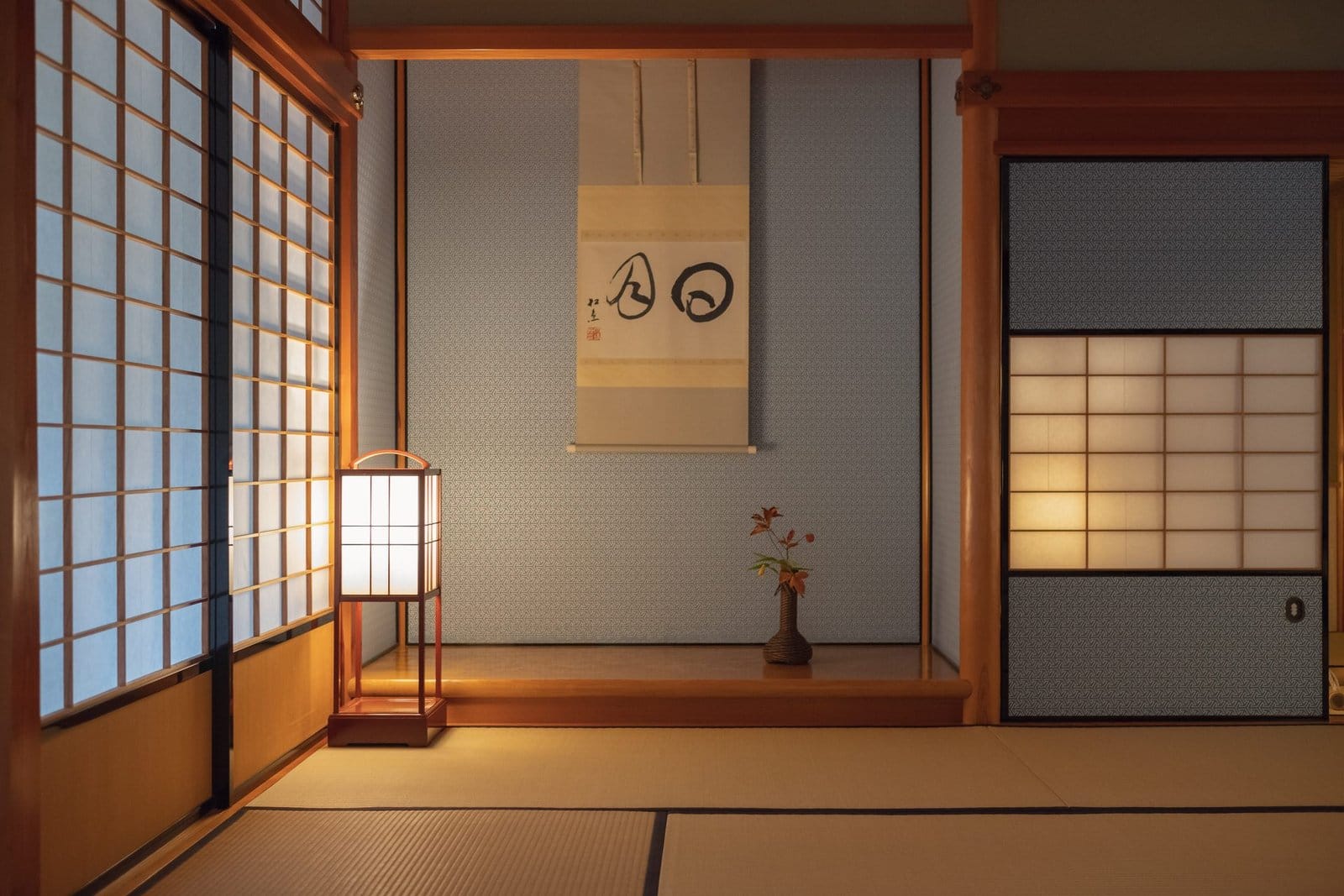
茶道(Chado / "The Way of Tea") does not merely teach how to brew the tastiest bowl of tea; it teaches how to care for others in the most complete and heartfelt manner possible. A tea host spends hours, sometimes weeks, preparing: choosing seasonal flowers, selecting hanging calligraphy scrolls for the 床の間(tokonoma) alcove, and calculating every rake angle of the garden gravel—all for a visit lasting just a few dozen minutes, with most of the effort remaining completely invisible to the guest. This is the very root of おもてなし(omotenashi)—selfless hospitality characterized by meticulous attention to detail without expecting praise or recognition. Today, you encounter this spirit everywhere in Japan: the warm hand towel presented at restaurants, the meticulous care taken when wrapping gifts, or the automatic doors operated by taxi drivers. Every single one is a spiritual descendant of the humble tea room.
Why Matcha Became an Icon of Japan
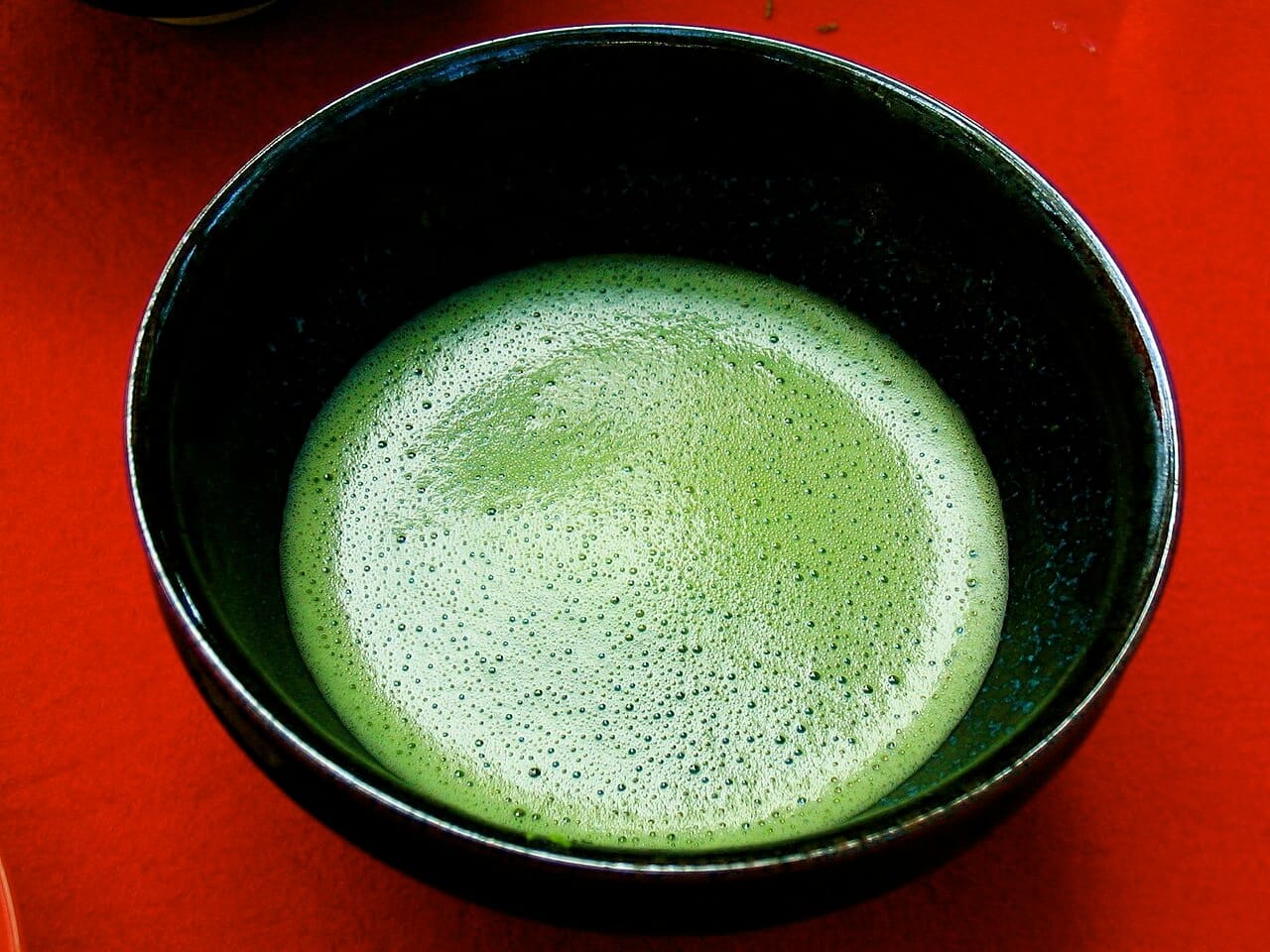
Matcha embodies everything the world admires about Japanese culture: meticulous craftsmanship (shading the tea plants, slow granite-mill grinding), deep historical roots, minimalist aesthetics, and the unique ability to elevate everyday routines into sacred rituals. Its vibrant green hue is so instantly recognizable that it has become Japan's unofficial national color. Since the 1990s and 2000s, a global matcha wave has spread far and wide through ice creams, lattes, and pastries. Yet, as matcha becomes more ubiquitous worldwide, its original form—a bowl of hand-whisked 薄茶(usucha / thin tea) enjoyed inside a tranquil tea room—becomes even more cherished as an authentic "only-in-Japan" experience.
How to Experience This History Yourself
You do not need years of training in the tea ceremony to connect with this rich history. A beginner-friendly 45- to 60-minute tea ceremony experience in Kyoto or 東京(Tokyo) costs roughly ¥2,000 to ¥5,000 ($13 to $33 USD, easily payable via your IC card or Suica card for transit and local spending) and gives you the chance to whisk your very first bowl of tea. A day trip using your JR Pass to Uji allows you to see the lush tea fields where this story began. Many OlaChill Japan tours include an authentic tea ceremony session right inside their Kyoto itinerary. And if you want to read more about Japanese culture before setting off, the OlaChill blog has plenty of stories waiting for you—because understanding a single bowl of tea, after all, is often the key to understanding an entire nation.
More from this region — Other
View all →
How Much Luggage Can Each Bus Size Carry in Japan?
8 min · tips
Golf Bags, Ski Gear & Big Luggage: Which Van Should You Book?
8 min · tips
When is the Best Season to Wear Kimono in Japan? Sakura, Autumn Leaves, White Snow, and Summer Yukata
7 min · culture
Matcha Lattes and Parfaits in Japan: Where to Go, What to Order
6 min · culture