
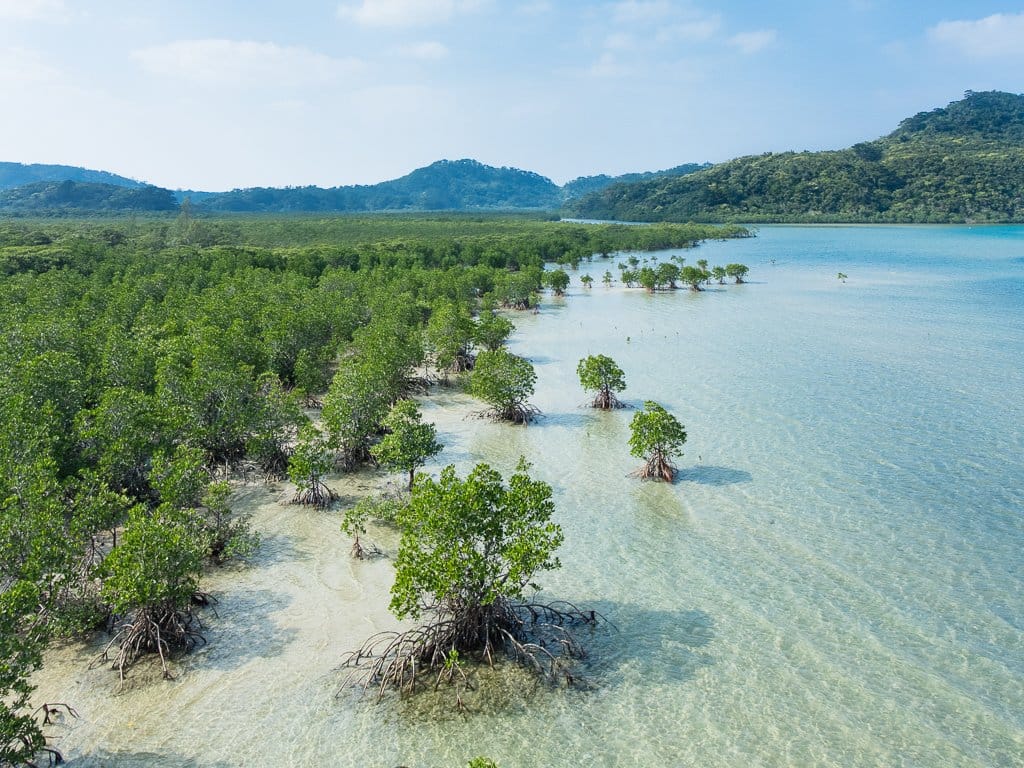
Iriomote: Japan's Last Untouched Tropical Rainforest
Your complete guide to Iriomote, Okinawa — best times to visit, how to get around, top photo spots, and a ready-to-use 1–2 day itinerary.
Jan 24, 2026·✍️ olablog·⏱ 5 min read
Your complete guide to Iriomote, Okinawa — best times to visit, how to get around, top photo spots, and a ready-to-use 1–2 day itinerary.
Japan has no shortage of natural wonders, but Iriomote — a jungle-draped island deep in Okinawa prefecture — is something else entirely. Over 90% of it is old-growth rainforest, and the Japanese government has kept it that way on purpose. Coming here isn't just ticking off another destination; it's stepping into a world that feels genuinely wild, a rare thing to say about anywhere in Japan.
1. What Makes Iriomote So Special
Iriomote hits differently from the moment you arrive. The air is thicker, greener, louder with birdsong. Unlike the manicured gardens and neon cityscapes most visitors associate with Japan, this island looks like it belongs somewhere between the Amazon and Jurassic Park — mangrove rivers, mist-draped ridgelines, and coral-fringed coastlines stitched together in a package barely 18 miles across.
The light shifts dramatically throughout the day. Sunrise turns the river mouths gold; late afternoon drapes the canopy in amber. Every hour offers a different mood, and none of them are repeatable. The journey across the island is half the experience — winding coastal roads flanked by jungle on one side and the East China Sea on the other make for one of the most scenic drives in all of Japan.
2. Top Spots You Can't Miss
Iriomote rewards explorers who venture beyond the ferry terminal. Here are the highlights:
Main Observation Point: A sweeping 180-degree panorama over the island's interior and coastline. Sunrise and sunset here are genuinely worth setting an alarm for.
Ancient Banyan Canopy Trail: Centuries-old trees arch overhead to form a natural tunnel. Atmospheric year-round, and dramatic any time the mist rolls in.
River Reflection Spot: The island's rivers and tidal inlets create mirror-perfect reflections of the jungle — the kind of symmetrical shot that looks almost too good to be real.
Summit Viewpoint: The highest accessible point on the island delivers a full panoramic sweep of the rainforest, coast, and neighboring islands on a clear day.
3. Best Time to Visit
Every season brings something to Iriomote, but the sweet spots are June and September. Here's why:
- Weather is at its most stable — ideal for kayaking, hiking, and driving without getting caught in a downpour
- The landscape is at peak lushness; the greens are almost overwhelming
- Golden-hour light (6–9 a.m. and 4–6 p.m.) is spectacular for photography
- Crowds are manageable — busy enough to feel alive, quiet enough to find a trail to yourself
Winter visits trade the heat for occasional mist and dramatic skies — stunning, but some trails can get slippery. Spring brings blooming coastal flowers; fall brings shifting light and fewer tourists. All are viable. June and September are just the sweet spot.
4. Getting Around — Why You Want Your Own Wheels
Public transport on Iriomote is limited to a handful of bus routes that miss most of the good stuff. The real way to explore is by rental car or scooter. Having your own wheels means you can pull over whenever the view demands it, detour down unmarked forest tracks, and set your own pace entirely — no chasing timetables, no missing the shot because the bus didn't stop.
The roads are well-maintained and clearly signed. Coastal stretches have pull-offs at regular intervals, and the overall vibe is relaxed — this isn't Tokyo rush-hour driving. It's the kind of road trip that reminds you why road trips exist.
✨ Pro tip: Book a private car with OlaChill and explore Iriomote entirely on your own terms — driver included, or self-drive if you prefer.
5. Sample 1–2 Day Itinerary
Day 1
- 6:00 a.m. — Head to the main observation point for sunrise; bring coffee
- 8:00 a.m. — Breakfast at a local spot; try Okinawa soba (closer to a hearty noodle stew than anything you'd find stateside)
- 9:30 a.m. — Drive the main scenic coastal road, stopping at viewpoints as you go
- 12:00 p.m. — Lunch at a roadside restaurant or rest area
- 2:00 p.m. — Explore secondary stops: a historic village, a waterfall, a quiet river inlet
- 5:00 p.m. — Check into your hotel or ryokan (traditional inn)
- 6:30 p.m. — Onsen soak if your accommodation has one, followed by a kaiseki dinner
Day 2
- 7:00 a.m. — Early breakfast and an early start to beat any crowds
- 8:30 a.m. — A lesser-known trail or photo spot the day-trippers won't reach
- 11:00 a.m. — River reflection spot for photos
- 1:00 p.m. — Lunch and a slow afternoon
- 3:00 p.m. — Head to your next island stop, or catch the ferry back
6. Practical Tips
- 📸 Shoot during golden hour: The 30 minutes either side of sunrise and sunset are the money windows — don't sleep through them
- 🚗 Book your car early: Rental availability gets tight in June and September; lock it in at least 1–2 weeks ahead
- ⛽ Fill up whenever you can: Gas stations are sparse on Iriomote — don't assume there's one around the next bend
- 📱 Download offline maps: Grab the Iriomote/Okinawa area on Google Maps before you leave the ferry terminal; cell coverage gets patchy inland
- 🍙 Stock up at convenience stores: 7-Eleven and FamilyMart onigiri and sandwiches are genuinely good travel fuel — grab supplies before heading into the jungle
- ☁️ Check the forecast: Okinawa's weather can turn fast, especially during typhoon season; a quick check the night before saves a lot of grief
More from this region — Okinawa
View all →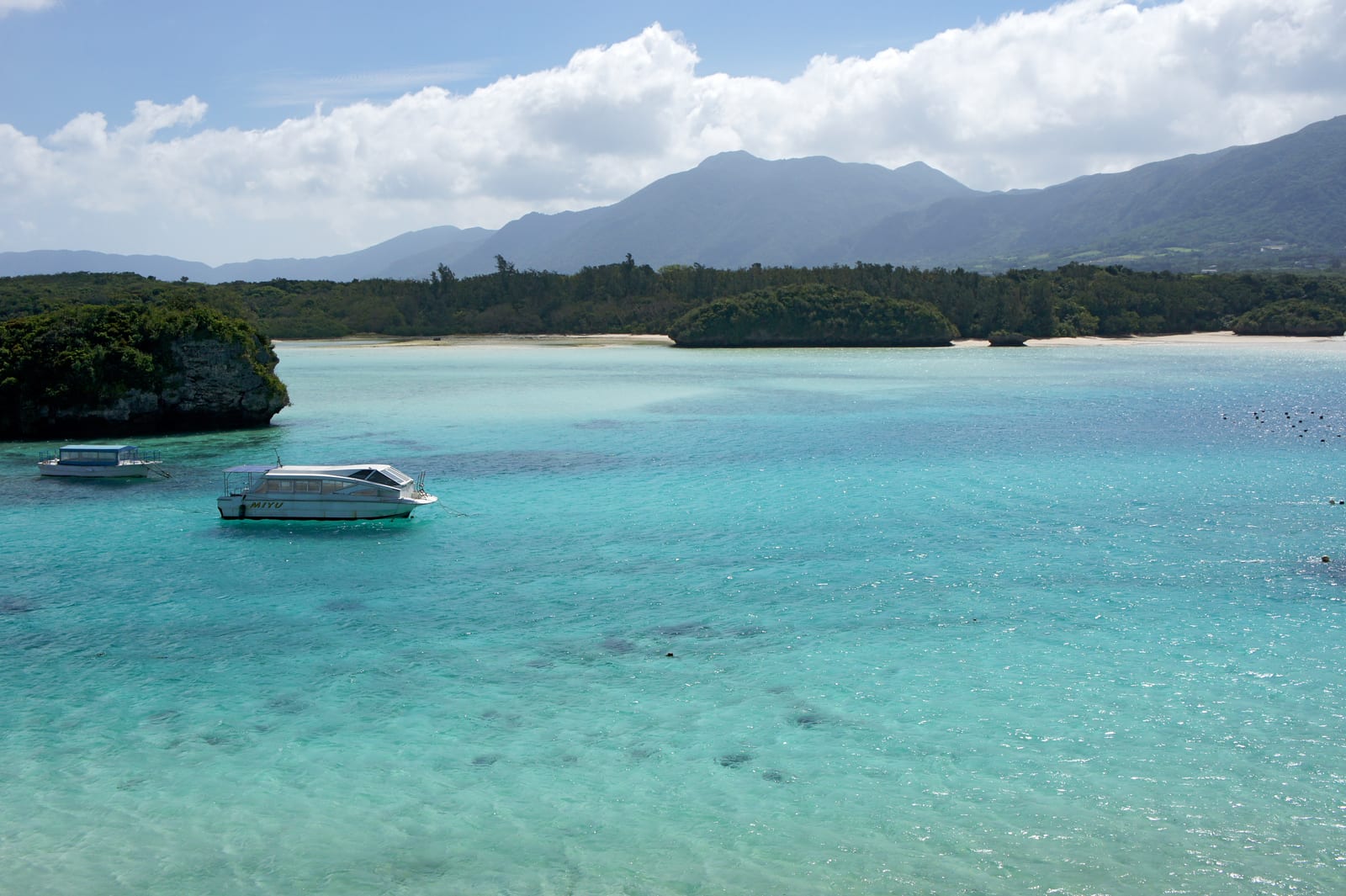
Ishigaki Island Beach Guide: Kabira Bay, Yonehara, Sukuji and Water-Clarity Rankings
11 min · ビーチ
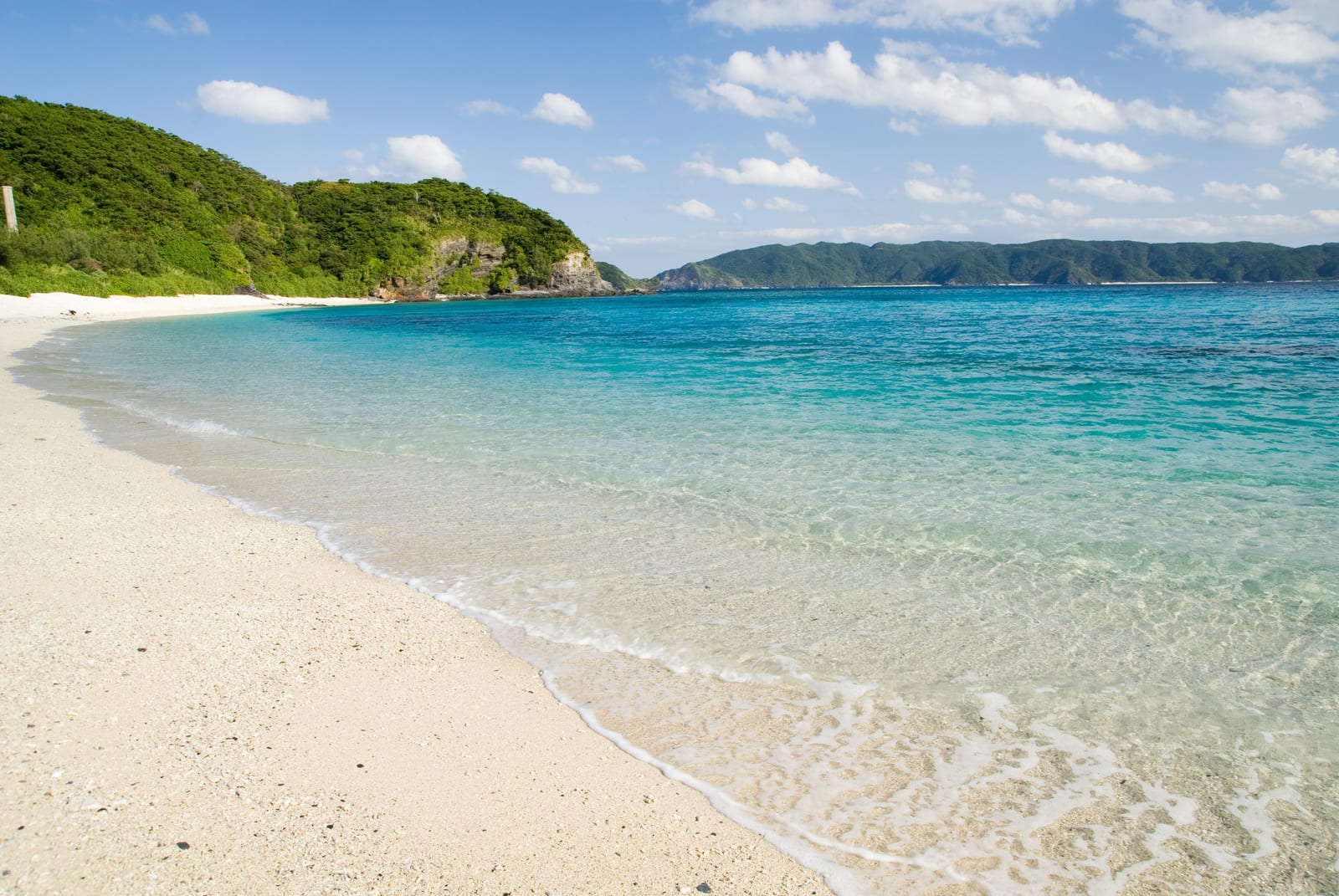
Kerama Islands, Okinawa – Japan's Most Breathtaking Emerald Archipelago
5 min · destinations
Kimono in Okinawa: Ryusou, Where to Wear It, Best Photo Spots and How to Plan the Day
8 min · culture
Okinawa: Japan's Tropical Side — Worth It for Travelers Who Know Goa and the Maldives?
20 min · destinations