
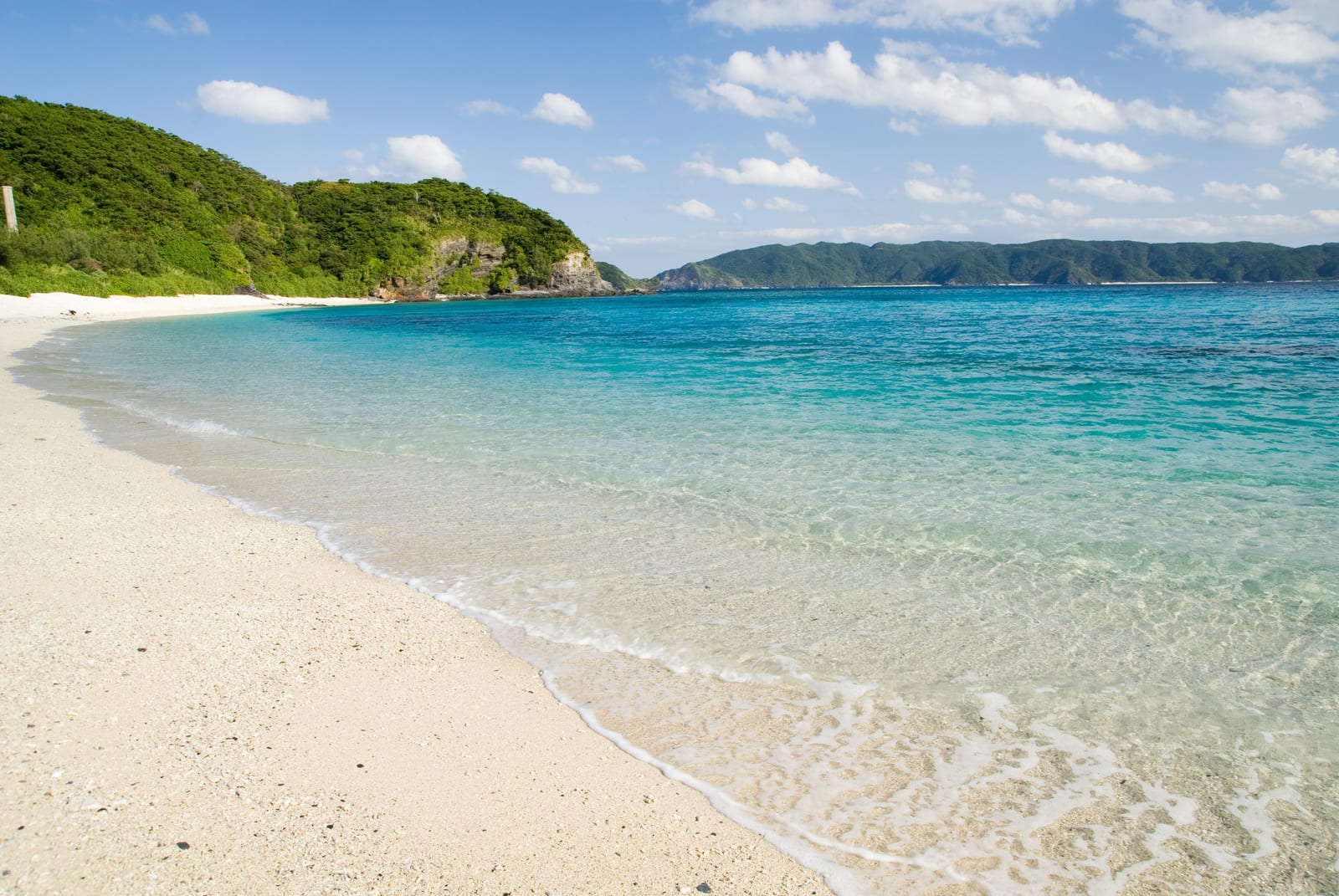
Kerama Islands, Okinawa – Japan's Most Breathtaking Emerald Archipelago
Kerama Islands, Okinawa – Japan's Most Breathtaking Emerald Archipelago – Your complete guide to the Kerama Islands: best time to visit, how to get there, top photo spots, and more.
Apr 3, 2026·✍️ olablog·⏱ 5 min read
Kerama Islands, Okinawa – Japan's Most Breathtaking Emerald Archipelago – Your complete guide to the Kerama Islands: best time to visit, how to get there, top photo spots, and more.
Tap a region to browse articles
Japan has no shortage of natural wonders, but the Kerama Islands — a scattered chain of coral-fringed gems off the coast of Okinawa — rank among the country's finest. This isn't just a day trip; it's a full-on sensory reset. The kind of place where you step off the ferry, take one look at that impossible shade of blue, and quietly resent every beach you've ever been to before.
1. What Makes the Kerama Islands So Special
The Keramas have a reputation that precedes them, and they absolutely live up to it. Often called "Kerama Blue" (慶良間ブルー) by locals — yes, the water is so distinctive it has its own name — the archipelago sits inside Keramashoto National Park and is home to some of the clearest ocean visibility on the planet, regularly exceeding 100 feet.
The journey itself sets the tone. Whether you're ferrying across from Naha or island-hopping between Tokashiki (渡嘉敷島), Zamami (座間味島), and Aka (阿嘉島), every approach reveals a new angle on the same jaw-dropping panorama. The light shifts dramatically throughout the day — blazing gold at sunrise, deep sapphire by midday, and bruised pink-purple at dusk. Photographers, bring extra storage.
2. Top Spots You Can't Miss
The Keramas pack a serious punch for such small islands. Beyond the beaches everyone knows about, there are quieter corners worth hunting down:
Main Viewpoint (Tokashiki): A sweeping 180-degree panorama over the island chain. Sunrise and sunset here are, frankly, unfair to the rest of the world.
Old-Growth Canopy Roads: Centuries-old Fukugi trees line certain village lanes, forming a cool green tunnel that looks spectacular year-round and positively magical in the golden-hour light.
Reflection Coves: Shallow, still inlets act as natural mirrors — the kind of symmetrical shot that makes your Instagram followers assume you've started using AI.
High Ridge Trails: Hike to the highest point on whichever island you're based on for a full panoramic sweep of the surrounding reef and open Pacific.
3. Best Time to Visit
Every season has its charm, but if you want the sweet spot, aim for June or September:
- Most stable weather of the year — ideal for snorkeling, diving, and hiking
- Peak natural beauty, with lush greenery and calm seas
- Best natural light for photography: 6–9 a.m. and 4–6 p.m.
- Crowds are manageable — busy enough to feel alive, not so packed you're queuing for the beach
Visiting outside peak season? Winter delivers eerily beautiful, crowd-free landscapes — but ferry schedules thin out and seas can get choppy. Spring (cherry blossom season reaches Okinawa earlier than the mainland) and autumn both offer excellent photography conditions and pleasant temperatures.
4. Getting Around – Rent a Car and Own It
Public transport on the smaller Kerama islands is minimal to nonexistent. Renting a car (or a scooter on the tiniest islands) is the only real way to explore at your own pace — pulling over whenever the light hits the water just right, ducking down unpaved tracks to hidden coves, and not having to sprint for the last bus back to the ferry terminal.
Roads throughout the Keramas are well-maintained, clearly signed, and generally uncongested. Coastal stretches have frequent rest areas with parking and restrooms — essential infrastructure for a proper road trip.
✨ Pro tip: Book a private car through OlaChill and explore the Keramas entirely on your own schedule — with a driver or self-drive, your call.
5. Sample 1–2 Day Itinerary
Day 1:
- 6:00 a.m. – Head to the main viewpoint for sunrise over the archipelago
- 8:00 a.m. – Breakfast at a local café — try Okinawa soba (沖縄そば) for a hearty start
- 9:30 a.m. – Scenic coastal drive with stops at the best viewpoints
- 12:00 p.m. – Lunch at a roadside restaurant or pick up onigiri and sandwiches from a convenience store
- 2:00 p.m. – Explore secondary sights: traditional fishing villages, hidden beaches, quiet shrines
- 5:00 p.m. – Check in to your hotel or ryokan (旅館)
- 6:30 p.m. – Soak in the onsen if your accommodation has one, then a full kaiseki (懐石) dinner
Day 2:
- 7:00 a.m. – Early breakfast and an early start to beat any crowds
- 8:30 a.m. – Less-visited viewpoints and off-the-beaten-path photo spots
- 11:00 a.m. – Reflection cove shoot (light is ideal mid-morning)
- 1:00 p.m. – Lunch and a slow afternoon
- 3:00 p.m. – Head to your next destination or catch the ferry back to Naha
6. Practical Tips
- 📷 Golden hour is non-negotiable: The 30 minutes before and after sunrise/sunset are when the Kerama Blue turns absolutely cinematic. Set your alarm.
- 🚗 Book transport early: Especially in peak season (June, September) — ferries and rental cars sell out weeks in advance.
- ⛽ Fill up the tank: Gas stations are sparse on the smaller islands. Top off before you leave the port town.
- 📱 Download offline maps: Google Maps offline works well for Okinawa; cell signal can drop in remote coastal areas.
- 🍙 Stock up at the convenience store: 7-Eleven and FamilyMart are your best friends on the road — surprisingly solid onigiri, hot coffee, and even hot food at any hour.
- ☁️ Check the weather forecast: Typhoon season overlaps with peak travel season (June–September). Monitor the Japan Meteorological Agency (気象庁) app before any ferry crossing.
More from this region — Okinawa
View all →
Kimono in Okinawa: Ryusou, Where to Wear It, Best Photo Spots and How to Plan the Day
8 min · culture
Okinawa: Japan's Tropical Side — Worth It for Travelers Who Know Goa and the Maldives?
20 min · destinations
Okinawa Island Travel Guide: Japan's Very Own Tropical Paradise
9 min · destinations
Okinawa Island Charters for Groups: A Practical Planning Guide
9 min · tips