
Okinawa Island Travel Guide: Japan's Very Own Tropical Paradise
Ultimate Okinawa guide: Naha, Kokusai Street, Churaumi Aquarium, Ishigaki, Miyako, snorkeling, Ryukyu culture, local food, and best seasons to visit.
Aug 8, 2026·✍️ olablog·⏱ 9 min read
Ultimate Okinawa guide: Naha, Kokusai Street, Churaumi Aquarium, Ishigaki, Miyako, snorkeling, Ryukyu culture, local food, and best seasons to visit.
Tap a region to browse articles
When people think of Japan, images of ancient temples, snow, and cherry blossoms usually come to mind—few realize that this nation is also home to its very own "Hawaii of Asia." 沖縄(Okinawa) is an archipelago of over 150 islands stretching across the southern waters, where the ocean reveals impossibly vivid shades of turquoise, vibrant coral reefs thrive just off the shore, and a laid-back pace of life stands in stark contrast to mainland Japan. Once the independent 琉球王国(Ryukyu Kingdom) with its own distinct heritage, 沖縄(Okinawa) delivers a captivating experience that feels uniquely non-mainstream Japanese. If you are a sea and island lover, this comprehensive travel guide is designed specifically for you.
What Okinawa Has to Offer: From the Main Island to Outer Islands
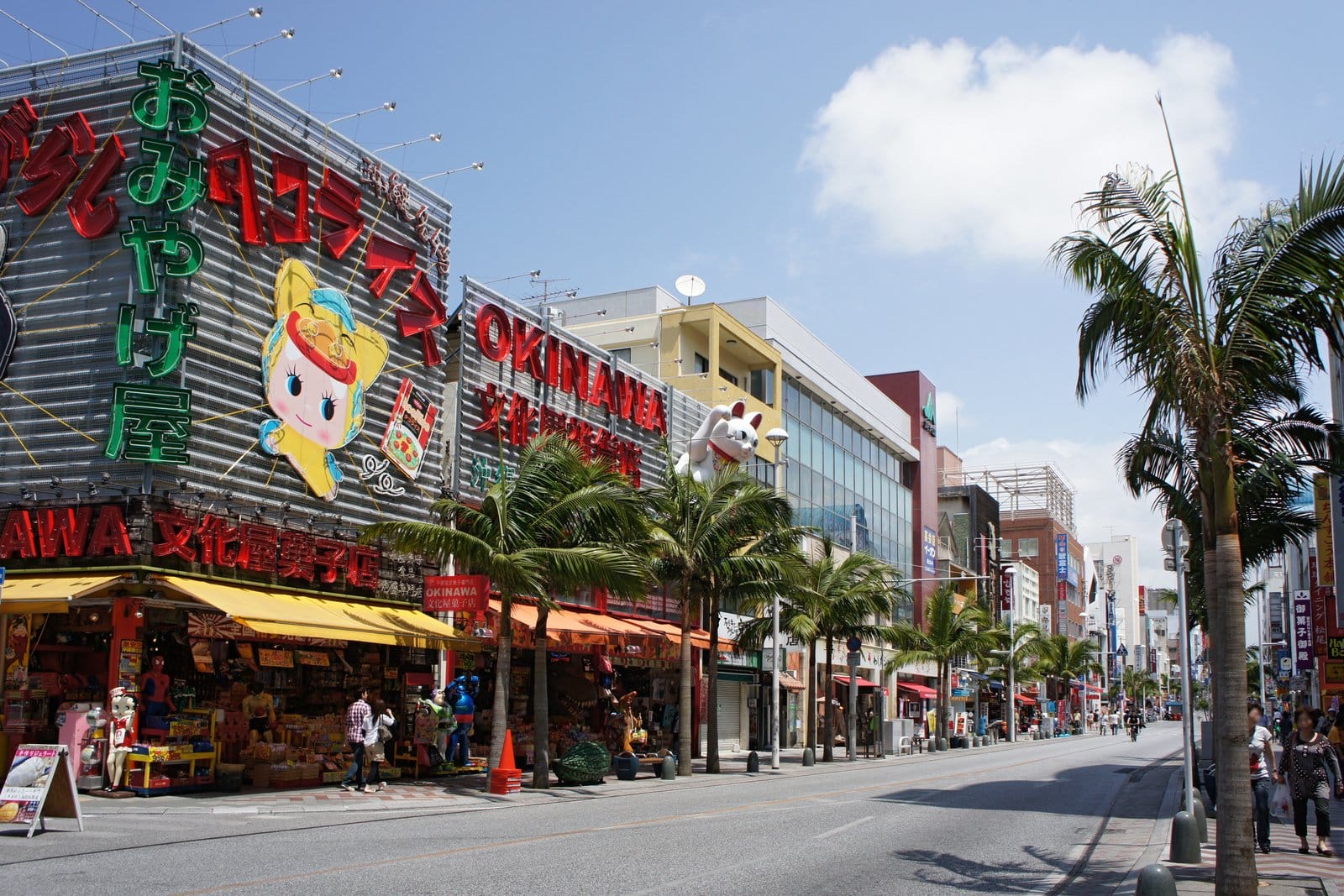
- 那覇(Naha) and 国際通り(Kokusai Street): The capital of 沖縄(Okinawa) and the regional aviation gateway. The nearly 2 km-long 国際通り(Kokusai Street) serves as the vibrant commercial backbone filled with souvenir shops selling シーサー(Shisa stone lions), 第一牧志公設市場(Makishi Public Market) offering colorful tropical seafood, and lively izakaya where the distinct resonance of the 三線(sanshin) fills the air every night. Nearby stands 首里城(Shuri Castle), the grand symbol of the historic Ryukyu dynasty.
- 沖縄美ら海水族館(Churaumi Aquarium): Located in the northern part of the main island, this world-renowned aquarium features a colossal main tank where massive whale sharks over ten meters long glide right before your eyes. The surrounding 海洋博公園(Ocean Expo Park) boasts エメラルドビーチ(Emerald Beach) and bridges leading across crystalline waters to 古宇利島(Kouri Island).
- Central Main Island: Highlights include the elephant-trunk-shaped cliff at 万座毛(Cape Manzamo), the traditional pottery village of 読谷村(Yomitan Village), and 美浜アメリカンビレッジ(American Village), which showcases a unique fusion of American influences—a distinct mark of Okinawa's modern history.
- 宮古島(Miyako Island): Situated about a 45-minute flight from 那覇(Naha), it is celebrated for 与那覇前浜ビーチ(Yonaha Maehama Beach)—often rated as the most beautiful beach in Japan with 7 km of powdery white sand—and 伊良部大橋(Irabu Bridge), the longest toll-free sea-crossing bridge in the country.
- 石垣島(Ishigaki Island) and the 八重山諸島(Yaeyama Islands): Farther southwest, Ishigaki serves as the ultimate base to explore picture-perfect 川平湾(Kabira Bay), dive alongside giant manta rays, or take a short ferry to 竹富島(Taketomi Island), home to an exquisitely preserved Ryukyu village with traditional red-tiled roofs.
Best Time to Visit
Okinawa enjoys a subtropical climate with warm weather year-round, but choosing the right season makes all the difference for your itinerary:
- Best Season: April – June and October – November. In early summer (April to June, ideally bypassing a brief rainy period in late May), the sea is comfortably warm for swimming, skies are clear, and travel rates remain reasonable before peak season. October to November brings gentle sunshine, pleasant water temperatures, and noticeably smaller crowds.
- July – September: Stunning but Risky. While the ocean displays its most breathtaking shades of blue during midsummer, this period coincides with typhoon season. August and September see the highest frequency of typhoon landings, which can lead to widespread flight cancellations and ferry disruptions. If traveling during these months, purchasing travel insurance and building a 1–2 day buffer into your schedule is highly recommended.
- December – March: While water temperatures drop to around 20°C (68°F), making it less ideal for casual swimming, this winter season offers incredible opportunities for humpback whale watching off the 慶良間諸島(Kerama Islands) coast and catching Japan's earliest cherry blossoms, which bloom as early as late January.
Scuba Diving and Snorkeling: The Ultimate Island Experience
The waters surrounding Okinawa boast exceptional clarity, with underwater visibility frequently reaching up to 30 meters. Here are some of the premier spots worth every penny:
- 青の洞窟(Blue Cave at Cape Maeda, Main Island): A mesmerizing sea cave illuminated by a glowing blue light, perfect even for absolute beginners; guided snorkeling tours cost around ¥3,000 – ¥5,000 JPY (approx. $20 – $33 USD, 1 USD ≈ 150 JPY).
- 慶良間諸島(Kerama Islands): Located just a 35 to 50-minute express ferry ride from 那覇(Naha), this area is famous for its legendary "Kerama Blue" waters and dense coral reefs, ideal for day trips.
- Ishigaki – Kabira Bay & Manta Points: One of the rare spots globally where you have an almost guaranteed chance of swimming alongside majestic manta rays during summer and autumn.
- Miyako – 八重干瀬(Yabiji Reef): A massive coral reef complex often referred to as an underwater meadow.
Non-swimmers can comfortably enjoy snorkeling with life jackets under the supervision of professional guides, or opt for glass-bottom boat tours. Please remember to use reef-safe sunscreen, as many local beaches actively advocate for coral reef protection.
Ryukyu Culture: The Soul of the Archipelago
Okinawa only officially became a part of Japan in the 19th century, which explains why distinct 琉球(Ryukyu) cultural traditions remain deeply rooted today: guardian シーサー(Shisa) stone lions stand watch at every doorway, high-energy エイサー(Eisa) folk dances with vibrant drumming fill summer festivals, and the rhythmic strains of three-stringed snake-skin 三線(sanshin) lutes echo from traditional music taverns. Be sure to explore 首里城(Shuri Castle) and the UNESCO World Heritage グスク(Gusuku sites / Ryukyu castle ruins), visit 琉球村(Ryukyu Mura culture village), or spend an evening at an izakaya listening to live folk songs while sipping 泡盛(Awamori)—the island's iconic distilled rice spirit. Okinawans are also renowned for having one of the highest life expectancies in the world, and their secret lies right within their daily diet.
Signature Local Cuisine
- 沖縄そば(Okinawa Soba): Completely distinct from mainland buckwheat soba, these thick wheat noodles are served in a light, flavorful pork and dried bonito broth, topped with tender braised pork ribs (soki soba). A bowl costs around ¥700 – ¥1,000 JPY (approx. $4.70 – $6.70 USD) and stands as the undeniable culinary heart of the islands.
- ゴーヤーチャンプルー(Goya Champuru): An iconic stir-fry featuring bitter melon, tofu, eggs, and pork. Lightly bitter and incredibly refreshing, it is considered one of the key elements behind local longevity.
- アグー豚(Agu Pork) and ミミガー(Mimiga): Native Okinawa pork noted for its rich sweetness, prepared in dishes ranging from shabu-shabu hotpot to ラフテー(Rafute—tender braised pork belly). Mimiga (shredded pig ear) offers a crunchy, savory bar snack.
- 海ぶどう(Umibudo / Sea Grapes): A unique marine algae that pops playfully in your mouth, traditionally dipped in ponzu citrus sauce.
- Taco Rice: A delightful fusion dish born from mid-20th-century American military influence, featuring taco-seasoned ground beef, cheese, lettuce, and salsa over a bed of warm white rice.
- Tropical Fruits and Sweet Treats: Fresh pineapples, mangoes, 雪塩(Yukishio snow salt) soft-serve ice cream, サーターアンダギー(Sata Andagi fried dough balls), and 紅芋(Beni-imo) purple sweet potato tarts—the most popular souvenir to bring back home.
Getting Around
- Getting to Okinawa: Fly directly to 那覇空港(Naha Airport) from Tokyo (2.5–3 hours) or Osaka (2 hours). Budget carriers frequently offer one-way fares ranging from ¥6,000 – ¥15,000 JPY (approx. $40 – $100 USD) if booked early. Travelers heading to 宮古島(Miyako) or 石垣島(Ishigaki) can take domestic connection flights from Naha or direct flights from major mainland hubs.
- Renting a Car is Essential: Unlike mainland Japan, where rail networks dominate and the nationwide JR Pass is a primary choice, Okinawa has virtually no train lines (apart from a short urban monorail in Naha). Furthermore, top attractions are spread far apart across the islands. Renting a car for around ¥5,000 – ¥9,000 JPY per day (approx. $33 – $60 USD) is by far the most convenient way to explore the main island, Miyako, or Ishigaki at your own pace. Drivers must carry an International Driving Permit (IDP) under the 1949 Geneva Convention; advance booking at least a month ahead is strongly advised during peak travel seasons.
- Not Driving? You still have viable choices: use the ゆいレール(Yui Rail monorail) or tap an IC card / Suica for quick trips within Naha city center, rely on regional public bus routes, book full-day organized bus tours visiting Churaumi, Kouri, and Cape Manzamo, or hire a private taxi charter by the hour.
- Island Hopping: High-speed ferries connect Naha to the Kerama Islands and Ishigaki to Taketomi, while short regional flights connect Naha to Miyako and Ishigaki.
Suggested Itinerary
5 Days for First-Timers (Main Island): Day 1: Arrive in 那覇(Naha), explore 国際通り(Kokusai Street) and 首里城(Shuri Castle). Day 2: Pick up your rental car, head to 青の洞窟(Blue Cave) for snorkeling, then drive north to stay overnight in the 名護(Nago) area. Day 3: Visit 沖縄美ら海水族館(Churaumi Aquarium) and cross over to 古宇利島(Kouri Island). Day 4: Drive back south via 万座毛(Cape Manzamo) and 美浜アメリカンビレッジ(American Village). Day 5: Shop for souvenirs in Naha before heading to the airport for your return flight.
7 Days for the Ultimate Escape: Spend 4 days on the main island + 3 days on 宮古島(Miyako Island) or 石垣島(Ishigaki Island)—this is where Okinawa's turquoise waters truly reveal their full glory. If you prefer ready-made island itineraries complete with attraction tickets and hotel arrangements, feel free to explore our comprehensive Japan package tours by OlaChill or browse detailed beach guides in our blog section.
Okinawa offers a side of Japan that defies standard expectations—and that is precisely what makes it an unmissable destination. Pack your favorite swimwear and get ready to experience true tropical relaxation!
More from this region — Okinawa
View all →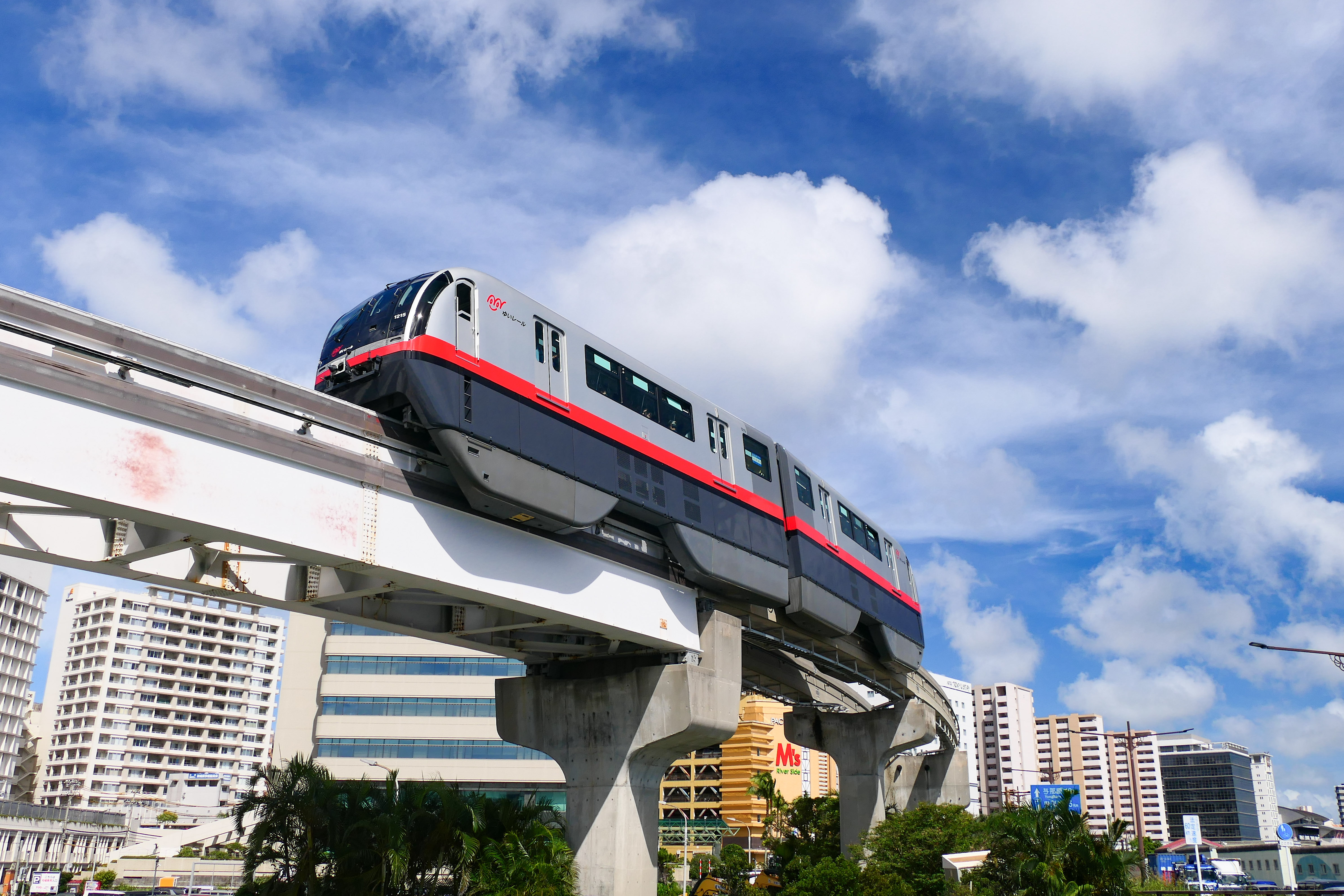
Okinawa Island Charters for Groups: A Practical Planning Guide
9 min · tips
Top 5 Most Beautiful Beaches in Okinawa — Japan's Tropical Paradise
13 min · tips
Amami Oshima: Mangrove Canoeing, Blue Beaches and How to Get There
13 min · destinations
Amami Oshima Mangrove Kayaking and the Island's Best Beaches
5 min · experiences