
Snorkeling Ishigaki: Best Reefs, Seasons and Safety Tips
Where to snorkel on Ishigaki, from Yonehara's shore reef to boat trips to Sekisei Lagoon and manta rays, plus the best months and how to stay safe in the water.
May 4, 2026·✍️ olablog·⏱ 5 min read
Where to snorkel on Ishigaki, from Yonehara's shore reef to boat trips to Sekisei Lagoon and manta rays, plus the best months and how to stay safe in the water.
Tap a region to browse articles
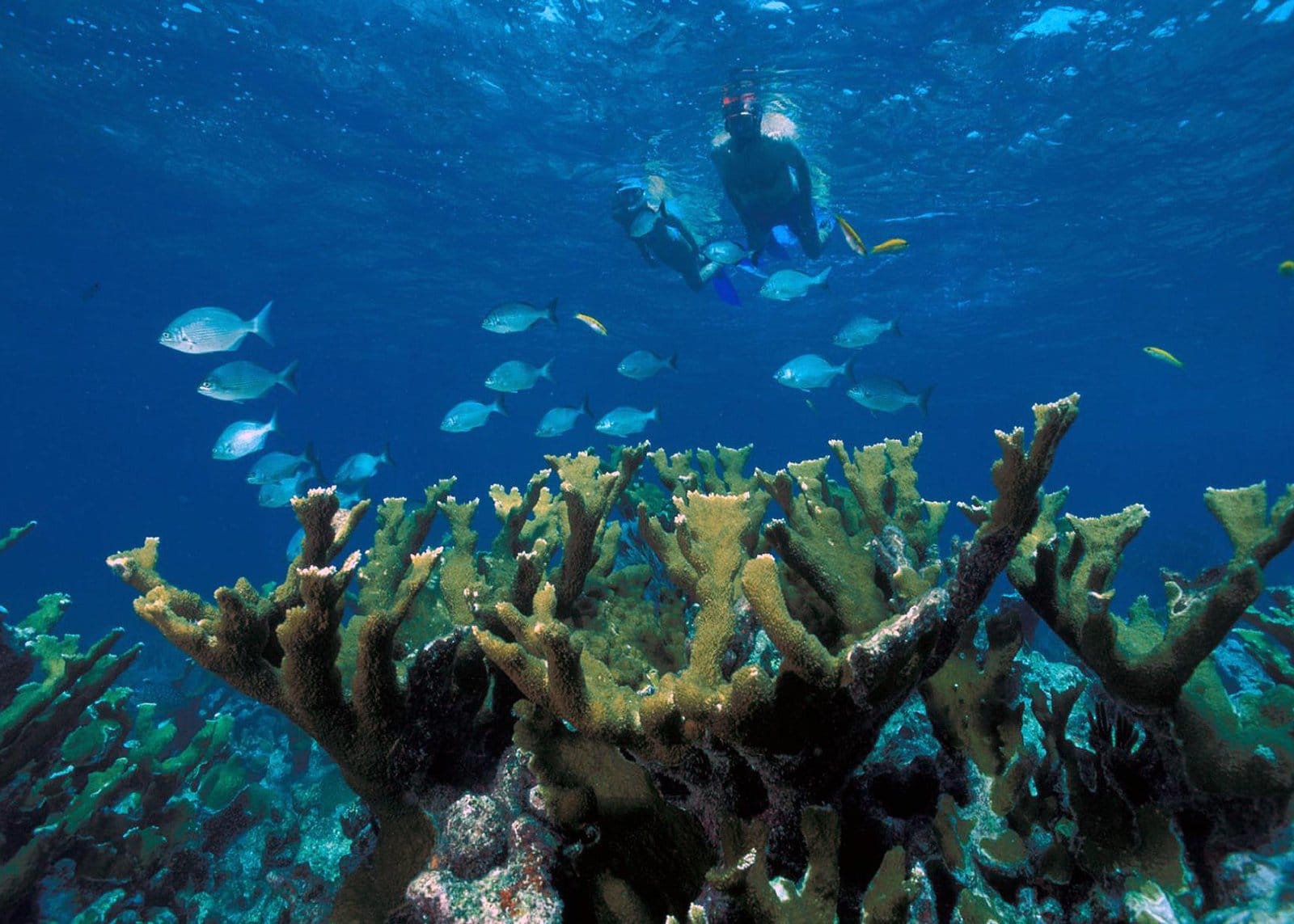
Ishigaki is the hub of the Yaeyama Islands at the far south-western end of Japan, closer to Taiwan than to Okinawa's main island. Coral reefs fringe much of its coastline, and between Ishigaki and neighbouring Iriomote lies Sekisei Lagoon, the largest coral reef area in Japan. Snorkeling is the easiest way to see it: no certification is needed, the water is warm for much of the year, and many of the best reefs are shallow. The same reefs also produce strong currents, though, so knowing where, when and how to go matters more than finding the single "best" beach.
Getting there and getting around
Ishigaki's airport has direct flights from Tokyo, Osaka and a few other mainland cities, and the flight from Naha on Okinawa's main island takes about an hour. From the airport it is roughly half an hour by car to Ishigaki town and the ferry terminal, and airport buses run into town.
A rental car is the most flexible way to reach the north-coast beaches. Local buses run to Kabira and some other north-coast stops, but not often, so check the timetable before relying on them. Many snorkel tours pick guests up from hotels in town, which solves the transport question for boat trips.
Where to snorkel
Yonehara on the north coast is the best-known shore snorkeling spot. Coral starts a short swim from the sand, and on a calm day you will see parrotfish, butterflyfish and other reef fish in water barely deeper than you are tall. But Yonehara is a natural beach rather than a managed swimming area, and currents run strongly near the reef edge and in the channels through it, especially as the tide falls. Go at a calm time, stay well inside the reef, and consider a guided tour for your first swim there.
Sukuji Beach, in the Kabira area, is shallow and sandy and has a managed swimming season with lifeguards and a jellyfish net. It is better for families and paddling than for coral viewing.
Kabira Bay is the island's most famous view, but swimming is not allowed there because of currents and boat traffic, and the bay is also used for black pearl farming. See the coral from a glass-bottom boat instead.
Boat trips reach the reefs you cannot swim to from shore. The most popular options are:
- Sekisei Lagoon reefs, the wide coral areas between Ishigaki and Iriomote, visited by half-day and full-day snorkel tours.
- Manta Scramble, a well-known point off the north-west coast where manta rays gather to be cleaned by small fish. Snorkelers float at the surface while divers watch from below. Sightings are most likely in the warmer months, especially summer and autumn, but are never guaranteed.
- Hamajima, a sandbar between Kohama and Taketomi islands that shows best at low tide, often combined with a snorkel stop nearby.
Ferries from Ishigaki's remote island terminal also make Taketomi and Iriomote easy day trips, and both have their own snorkel tours.
When to go
- Rainy season: roughly from May into June in the Yaeyama Islands, earlier than on the mainland. There are still sunny days, but visibility can drop after heavy rain.
- July: often the most settled month, after the rains and before the typhoon season peaks. It is also the busiest time for tours, so book ahead.
- August to October: warm water and the main typhoon season. Boat tours are cancelled when a typhoon is near, so leave a spare day.
- Winter: the water cools and strong northerly winds often make the north coast, including Yonehara, too rough. Sheltered southern and western spots and boat tours still run on many days; wear a wetsuit.
Box jellyfish are a risk in the hotter months. Swim inside jellyfish nets at managed beaches and wear a full-length rash guard or thin wetsuit elsewhere.
Staying safe in the water
- Never snorkel alone. Go with a buddy, and let someone on land know where you are.
- Use flotation. A snorkel vest or life jacket lets you rest on the surface; most tours require one.
- Check tide and wind. Currents are strongest where water drains out through gaps in the reef. If you feel yourself being pulled out, do not fight it head-on; swim parallel to the shore until you are free of it.
- Stay off the coral. Standing on it or kicking it with fins kills it. Ishigaki's reefs have already been hit by bleaching in unusually hot summers, so every bit of care counts.
- Protect your skin. The sun is strong even on cloudy days. A rash guard is better for the reef than large amounts of sunscreen.
- No alcohol before swimming, and follow any warning flags or instructions from lifeguards and tour staff.
Beyond the water
Ishigaki beef and Yaeyama soba, a local noodle soup, are the island's signature dishes. The north of the island is very dark at night, and Iriomote-Ishigaki National Park has been certified as an International Dark Sky Park, so a clear evening away from town is worth a short drive. For a view over the coast, Tamatorizaki Observatory on the island's east side looks out along the shoreline towards the Hirakubo Peninsula.
Plan your trip
Three or four days work well. Spend one day on the north coast with a glass-bottom boat in Kabira Bay and a guided or careful swim at Yonehara, one day on a boat trip to Sekisei Lagoon or the manta point, and one day on a ferry to Taketomi or Iriomote. Keep the last day loose in case weather cancels a boat. For a closer look at the island's main beaches, including Sukuji's swimming season and facilities, see our Ishigaki beach guide.
More from this region — Okinawa
View all →
Miyakojima Beaches: Maehama, Sunayama and Reef Snorkeling
5 min · experiences
Ogasawara Islands: The Ferry, Dolphins, Whales and Island Life
6 min · experiences
Chartering a 45-Seat Bus in Okinawa: A Complete Group Travel Guide
8 min · tips
Irabu-Ohashi Bridge, Okinawa – Japan's Longest Toll-Free Bridge
5 min · destinations