
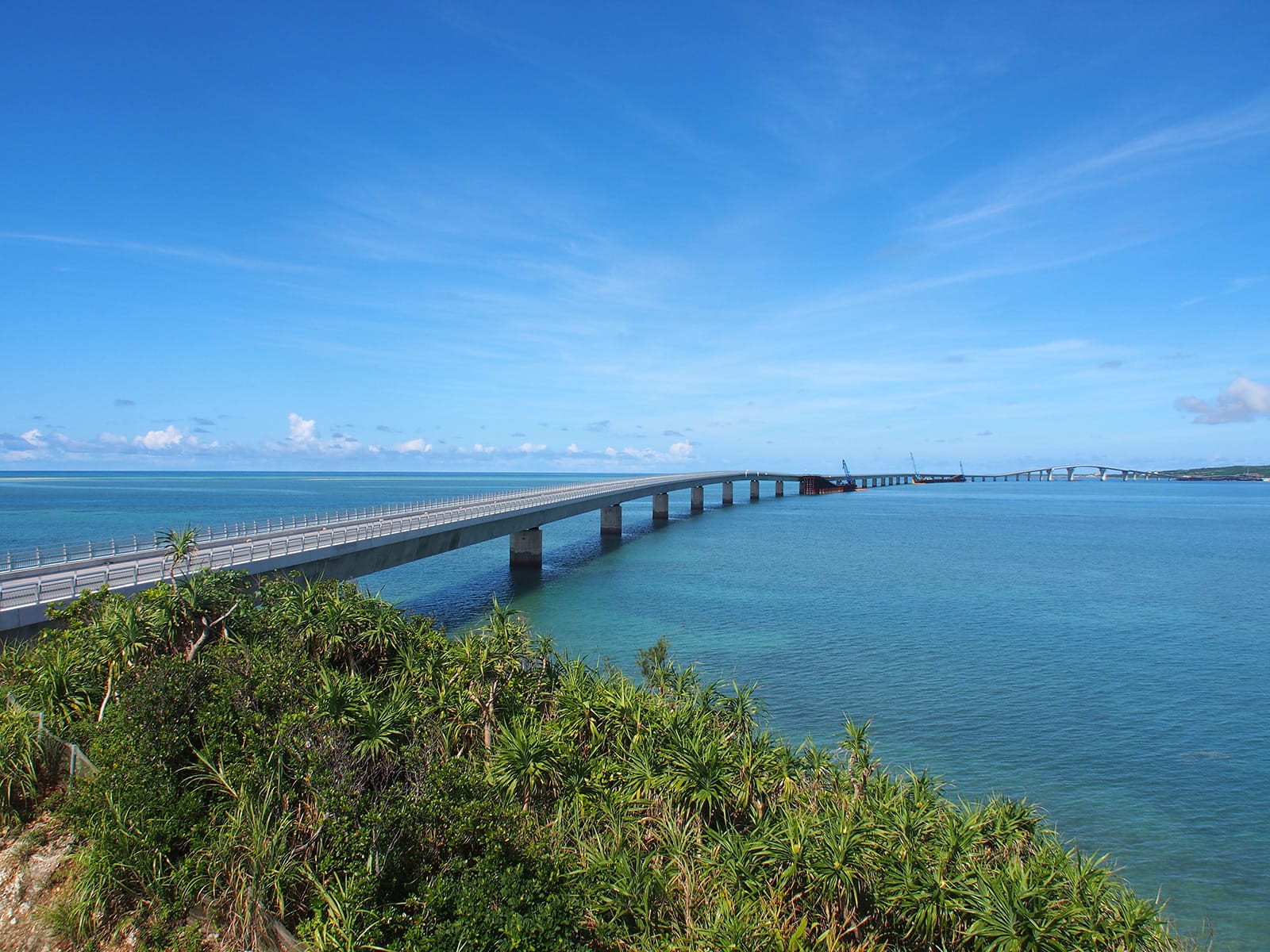
Irabu-Ohashi Bridge, Okinawa – Japan's Longest Toll-Free Bridge
Your complete guide to Irabu-Ohashi Bridge in Okinawa: the best time to visit, how to get there, top photo spots, and practical tips for an unforgettable road trip.
Feb 16, 2026·✍️ olablog·⏱ 5 min read
Your complete guide to Irabu-Ohashi Bridge in Okinawa: the best time to visit, how to get there, top photo spots, and practical tips for an unforgettable road trip.
Tap a region to browse articles
Japan has no shortage of jaw-dropping scenery, but Irabu-Ohashi Bridge in Okinawa belongs in a category of its own. Stretching nearly 2 miles across a shimmering expanse of turquoise water, it's the kind of place that makes you pull over, roll down the windows, and just stare. Getting here isn't just a drive — it's a full sensory experience, from the moment the ocean first comes into view to the second you reach the other side.
1. What Makes Irabu-Ohashi Bridge So Special
Few bridges in the world earn the label "scenic landmark," but Irabu-Ohashi does exactly that. At roughly 1.9 miles (3,540 m) long, it's the longest toll-free bridge in Japan — and unlike most infrastructure, it genuinely earns its Instagram reputation. The surrounding waters cycle through impossible shades of blue and green depending on the time of day, the weather, and where you're standing.
The approach roads are half the attraction. Coastal stretches hug the waterline, low hills offer brief elevated views, and the sky tends to do something cinematic at both ends of the day. Travelers consistently say the journey here feels less like getting from A to B and more like the point of the trip itself.
2. Top Spots to Stop and Shoot
The Irabu-Ohashi area rewards slow exploration. Here are the photo spots worth building your itinerary around:
Main observation deck: 180-degree views of the bridge and surrounding water. Sunrise and sunset here are genuinely the best in the area — show up early.
Tree-canopied road: A stretch flanked by mature trees that forms a natural green tunnel. Photogenic year-round, particularly when the light filters through in the morning.
Reflective waterway: A still inlet nearby mirrors the sky and shoreline like a natural mirror — perfect for symmetrical shots that look almost too good to be real.
Elevated viewpoint: The highest accessible point in the area gives you a panoramic sweep of the entire bridge and the Okinawan coastline beyond.
3. Best Time to Visit
Every season brings something different to Irabu-Ohashi, but June and September hit the sweet spot. Here's why:
- Weather is at its most stable — ideal for driving open roads and spending time outdoors
- Seasonal scenery peaks, with lush green surroundings and clear water visibility
- Natural light is best for photography between 6–9 a.m. and 4–6 p.m.
- Crowds are manageable — busy enough to feel lively, not so packed that parking becomes a headache
Winter brings a quieter, moodier atmosphere and occasionally dramatic skies, though coastal roads can be slick after rain. Spring (cherry blossom season) and autumn (warm light, mild temps) are strong alternatives if your schedule is flexible.
4. Getting Around — Rent a Car
Public transit won't cut it here. The best way to experience Irabu-Ohashi and the broader Okinawa coastline is by rental car. You set the pace, stop whenever something catches your eye, and reach the viewpoints that no tour bus will ever drop you at.
Roads in the area are well-maintained and clearly signed — even in English on most major routes. Rest areas are spaced out sensibly along the coastal and hill-road stretches, making spontaneous stops genuinely easy. Think of it as a Pacific Coast Highway moment, Japan edition.
✨ Pro tip: Book a private car through OlaChill and explore Irabu-Ohashi on your own schedule — self-drive or with a driver, your call.
5. Sample 1–2 Day Itinerary
Day 1:
- 6:00 a.m. — Head to the main observation deck for sunrise over the bridge
- 8:00 a.m. — Breakfast at a local spot serving Okinawan specialties (think soba noodles, goya champuru, and fresh seafood)
- 9:30 a.m. — Drive the main scenic coastal route, stopping at viewpoints along the way
- 12:00 p.m. — Lunch at a roadside restaurant or rest-area café
- 2:00 p.m. — Explore nearby side attractions: a fishing village, small shrine, or hidden cove
- 5:00 p.m. — Check in to your hotel or ryokan (traditional inn)
- 6:30 p.m. — Soak in the onsen if your accommodation has one, followed by a kaiseki dinner
Day 2:
- 7:00 a.m. — Early breakfast, then hit the road before the day-trippers arrive
- 8:30 a.m. — Take a lesser-known side road or secondary viewpoint
- 11:00 a.m. — Shoot the reflective waterway spot when the light is still soft
- 1:00 p.m. — Lunch and a slow afternoon
- 3:00 p.m. — Head to your next destination or begin the return journey
6. Practical Tips
- 📷 Golden hour is non-negotiable: The 30 minutes before and after sunrise/sunset produce the best light — plan around it
- 🚗 Book your rental car early: June and September fill up fast; reserve at least 1–2 weeks ahead
- ⛽ Fill up before you go: Gas stations are spread thin in rural Okinawa — don't leave on a half tank
- 📱 Download offline maps: Save the Okinawa region in Google Maps before you head out; cell coverage can drop in remote stretches
- 🍙 Stock up at a convenience store: 7-Eleven and FamilyMart are your best friends on a road trip — onigiri, sandwiches, hot coffee, all under $5
- ☁️ Check the forecast: Especially important during typhoon season (summer) or if you're visiting in winter — conditions can change quickly on the coast
More from this region — Okinawa
View all →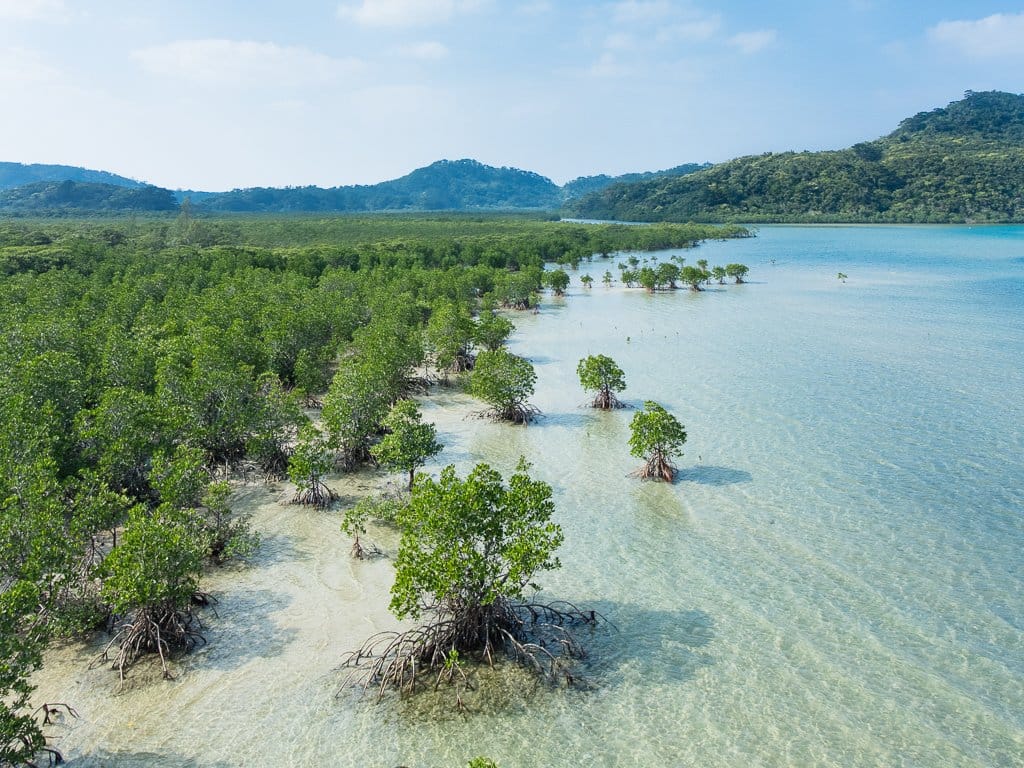
Iriomote: Japan's Last Untouched Tropical Rainforest
5 min · destinations
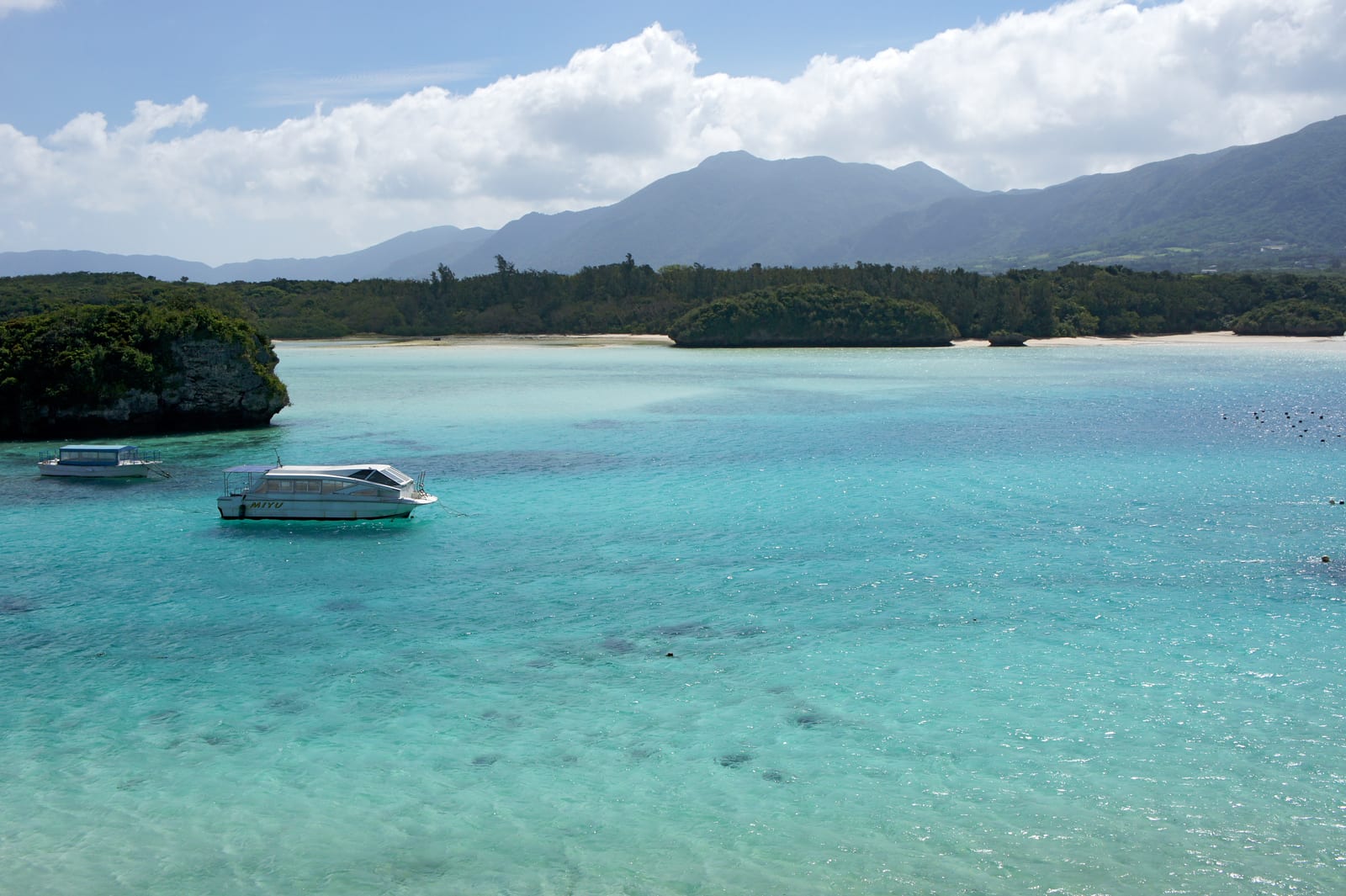
Ishigaki Island Beach Guide: Kabira Bay, Yonehara, Sukuji and Water-Clarity Rankings
11 min · ビーチ
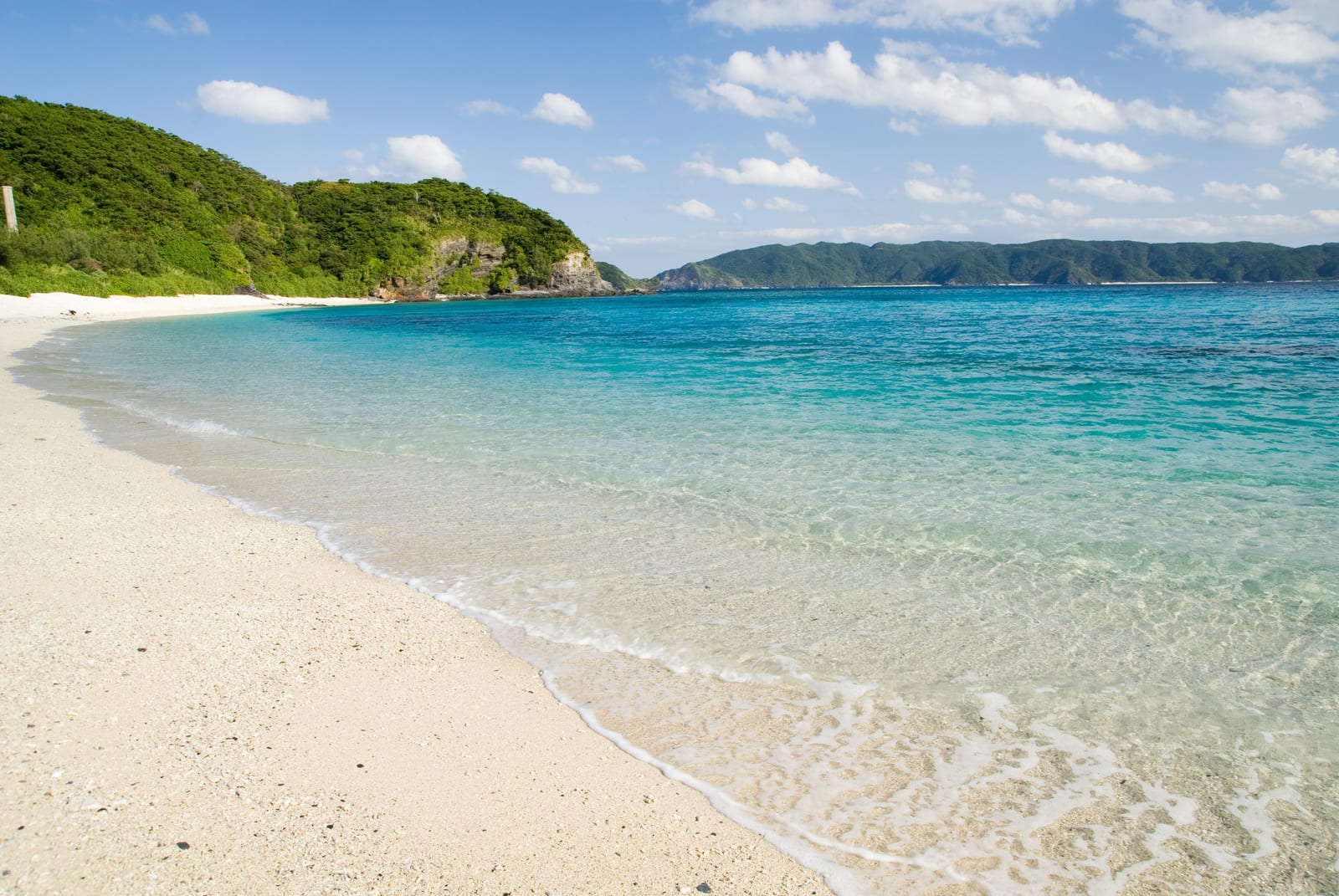
Kerama Islands, Okinawa – Japan's Most Breathtaking Emerald Archipelago
5 min · destinations
Kimono in Okinawa: Ryusou, Where to Wear It, Best Photo Spots and How to Plan the Day
8 min · culture