
Okinawa: Japan's Tropical Side — Worth It for Travelers Who Know Goa and the Maldives?
Considering Okinawa? Honest comparison for Indian and Bangladeshi travelers: beaches, Churaumi, island hopping, halal/veg food, and typhoon season.
Jul 10, 2026·✍️ olablog·⏱ 20 min read
Considering Okinawa? Honest comparison for Indian and Bangladeshi travelers: beaches, Churaumi, island hopping, halal/veg food, and typhoon season.
Tap a region to browse articles
Japan often conjures images of neon-lit Tokyo, ancient Kyoto temples, or perhaps the majestic Mount Fuji. But tucked away in the country's southernmost reaches lies Okinawa, an archipelago with a distinct subtropical climate, unique culture, and beaches that might just surprise you. For travelers from India and Bangladesh, familiar with the sun-kissed sands of Goa or the luxurious overwater bungalows of the Maldives, the question naturally arises: is Okinawa truly worth the journey for a tropical escape? Let's dive deep into what this Japanese paradise offers, comparing it candidly with your familiar anchors. A typical entry ticket to the famous Churaumi Aquarium, for instance, costs ¥2180 (approx ₹1220), giving you a glimpse into the kind of quality experiences Okinawa offers.
Okinawa's Vibe: Beyond Tokyo and Kyoto's Bustle
Okinawa stands apart from mainland Japan in myriad ways, making it an intriguing choice for first or second-time visitors seeking something different. Historically an independent kingdom known as Ryukyu, its culture is a vibrant blend of indigenous traditions, Chinese influences, and, more recently, American impact from the post-war occupation. This means you'll encounter different architecture, distinct music, and a unique culinary landscape that sets it apart from the rest of Japan.
The pace of life here is noticeably slower than in bustling Tokyo or even culturally rich Kyoto. The main island, Okinawa Honto, is the largest and most developed, hosting the capital city of Naha, which feels more like a relaxed regional hub than a sprawling metropolis. Beyond Naha, the island quickly transitions into lush greenery, quiet villages, and, of course, stunning coastlines. For those accustomed to the energetic chaos of Dhaka or Mumbai, Okinawa offers a serene contrast, a chance to unwind and explore Japan's tropical side without the overwhelming sensory input of its major cities. This unique blend of culture, history, and natural beauty makes Okinawa a destination that rewards those who look beyond the typical tourist trail.
Beaches: Goa, Maldives, and Okinawa – A Candid Comparison
When it comes to beaches, Indian and Bangladeshi travelers often have a clear benchmark: the lively shores of Goa, the serene backwaters of Kerala, or the pristine luxury of the Maldives. Okinawa’s beaches offer a distinct experience that combines elements of both, yet carves out its own niche.
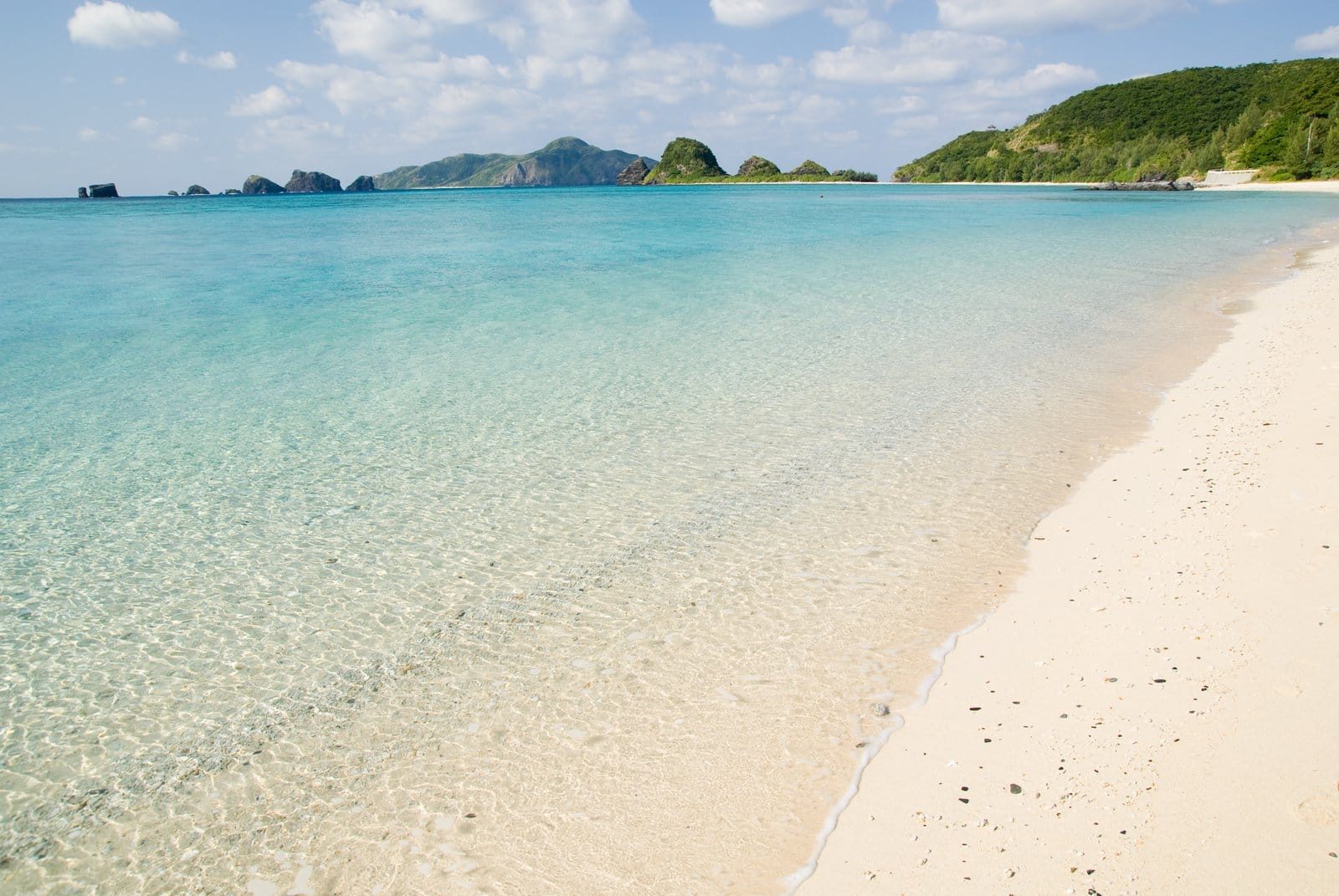
Sand and Water Quality: Okinawa boasts incredibly clear, turquoise waters and fine, white coral sand, particularly on its smaller islands like Miyakojima and Ishigaki. The clarity here often rivals that of the Maldives, especially in protected bays and remote stretches. In contrast, Goa's beaches, while beautiful, typically have darker, coarser sand and water clarity can vary significantly depending on the season and specific beach. If pristine water for snorkeling and diving is your priority, Okinawa, especially its outer islands, will impress.
Crowds and Atmosphere: Think of Goa, and images of bustling shacks, beach vendors, and vibrant nightlife come to mind. Okinawa’s beaches, even the popular ones like Emerald Beach or Manza Beach, are generally far less crowded, offering a more tranquil experience. You won't find the same level of lively beach culture or constant hawkers. Instead, expect well-maintained public facilities, designated swimming areas, and a focus on natural beauty. The atmosphere is family-friendly and peaceful, leaning more towards relaxation and water sports rather than parties. This can be a major draw for those seeking an escape from the crowds, similar to the quiet solitude one might find in less-developed areas of the Maldives, though without the ultra-luxury resort exclusivity.
Facilities and Infrastructure: Okinawa's main island beaches often come with excellent amenities: clean restrooms, showers, rental shops for snorkeling gear or paddleboards, and sometimes even small cafes. Many popular beaches are attached to resorts, offering additional services. The infrastructure is typically Japanese-efficient and clean. While Goa offers a plethora of beach shacks and restaurants, the overall cleanliness and maintenance standards can be inconsistent. The Maldives primarily offers resort-specific beach experiences, where facilities are top-notch but confined to your chosen property. Okinawa strikes a balance, providing public access to high-quality beaches with good amenities, making it accessible for a wider range of budgets than the Maldives.
Activities: Snorkeling, diving, paddleboarding, and glass-bottom boat tours are popular activities in Okinawa, capitalizing on its rich marine life and clear waters. Diving in the Kerama Islands, for example, is world-renowned. While Goa offers water sports like jet-skiing and parasailing, the focus is often less on marine exploration due to varying water clarity. The Maldives excels in diving and snorkeling, but often at a premium price. Okinawa offers these activities at competitive prices, with many local operators. A typical snorkeling tour might cost around ¥4,000-6,000 (approx ₹2240-3360), depending on duration and location.
Verdict: For travelers whose primary draw to a tropical destination is pristine water, vibrant marine life, and a serene, uncrowded environment, Okinawa offers a compelling alternative, often surpassing Goa in terms of water clarity and cleanliness, and providing a more accessible option than the exclusive Maldives. However, if a lively party scene, extensive beach shacks, and a bustling atmosphere are what you seek, Okinawa might feel too quiet.
Churaumi Aquarium: A World-Class Marine Spectacle
No trip to Okinawa is complete without a visit to the Okinawa Churaumi Aquarium, consistently ranked among the best aquariums globally. Located within the Ocean Expo Park in Motobu, on the northwestern part of Okinawa Honto, it's a truly spectacular experience that appeals to all ages.
The star attraction is undoubtedly the "Kuroshio Sea" tank, one of the largest in the world. This colossal tank houses multiple whale sharks – the largest fish species – alongside majestic manta rays and countless other marine creatures, all swimming gracefully in a breathtaking display. Standing before this immense window into the ocean is a truly mesmerizing experience, offering a sense of scale and wonder that few other aquariums can match. For many visitors, it's the highlight of their Okinawa trip, providing a unique opportunity to observe these magnificent animals up close.
Beyond the main tank, the aquarium boasts a diverse range of exhibits showcasing Okinawa's rich marine biodiversity, from vibrant coral reefs to deep-sea creatures. There are also outdoor areas featuring dolphin shows (free of charge!), sea turtle pools, and manatee exhibits. Plan to spend at least 3-4 hours to fully appreciate all the exhibits and perhaps catch a dolphin show.
Getting There: From Naha, the most convenient way to reach Churaumi Aquarium is by express bus. The "Yanbaru Express Bus" or the "Airport Limousine Bus" offer direct routes. The journey takes approximately 2 to 2.5 hours and costs around ¥2,000-2,500 (approx ₹1120-1400) one way. Alternatively, renting a car offers the most flexibility, allowing you to explore other attractions in the northern part of the island. Taxi fares would be prohibitively expensive for most travelers.
Cost:
- Admission: Adults ¥2,180 (approx ₹1220), High School Students ¥1,440 (approx ₹806), Elementary/Junior High Students ¥710 (approx ₹398), Children under 6 free. Group discounts are available.
- Opening Hours: Generally 8:30 AM to 6:30 PM (last entry 5:30 PM), but check the official website for seasonal variations and holidays.
Mistakes to Avoid:
- Underestimating Travel Time: It's a significant journey from Naha. Don't plan too many other activities on the same day unless they are very close to the aquarium.
- Not Checking Show Times: If you want to see the dolphin show or feeding times for the whale sharks, check the schedule upon arrival.
- Skipping Ocean Expo Park: The aquarium is part of a larger park. Allow some time to explore the beautiful botanical gardens, traditional Okinawan village, and other free attractions if your schedule permits.
Island Hopping in Okinawa: Beyond the Main Island
While Okinawa Honto offers plenty to see and do, the true magic of the Ryukyu archipelago often lies in its smaller, outer islands. For a more secluded, pristine tropical experience, island hopping is highly recommended, especially for second-time visitors or those with a longer itinerary. However, it requires careful planning and can add significantly to your budget.
Popular Islands for Hopping:
Kerama Islands (Zamami, Tokashiki): Easily accessible from Naha (Tomari Port) by high-speed ferry (approx 50-70 mins) or slower car ferry (approx 2 hours). These islands are famous for their incredibly clear "Kerama Blue" waters, making them a diver's and snorkeler's paradise. Zamami and Tokashiki offer stunning beaches (Furuzamami Beach on Zamami is particularly renowned), small villages, and a laid-back atmosphere.
- Cost: High-speed ferry to Zamami/Tokashiki: ¥3,270 (approx ₹1830) one-way. Car ferry: ¥2,150 (approx ₹1200) one-way.
- Best For: Day trips from Naha, snorkeling, diving, pristine beaches, kayaking.
Miyakojima: Located further southwest, Miyakojima is known for its exceptionally beautiful beaches, including Maehama Beach (often ranked among Japan's best) and Sunayama Beach with its iconic arch rock. It's larger than the Kerama Islands and offers more in terms of dining and accommodation. Access is primarily by domestic flight from Naha (approx 45 mins).
- Cost: Flights from Naha to Miyako can range from ¥5,000-15,000 (approx ₹2800-8400) depending on booking in advance and season.
- Best For: World-class beaches, cycling, diving, more resort-style options. Requires at least 2-3 nights.
Ishigaki & Yaeyama Islands: Ishigaki is the gateway to the remote Yaeyama Islands, which include Iriomote (known for its jungle and wildcats), Taketomi (preserved traditional Ryukyuan village), and Kohama. These islands offer a more rustic and adventurous experience. Ishigaki itself has beautiful beaches, vibrant markets, and a relaxed town center. Access is by domestic flight from Naha (approx 1 hour).
- Cost: Flights from Naha to Ishigaki can range from ¥6,000-20,000 (approx ₹3360-11200). Ferries between Yaeyama islands are frequent and reasonably priced, e.g., Ishigaki to Taketomi is ¥600 (approx ₹336) one-way.
- Best For: Off-the-beaten-path exploration, jungle trekking, traditional culture, exceptional diving. Requires at least 3-4 nights for a good experience across multiple islands.
Booking and Logistics:
- Ferries: For Kerama Islands, book ferry tickets online via the official Naha City ferry website or directly at Tomari Port. Booking in advance, especially for high-speed ferries during peak season, is crucial. This is somewhat akin to booking special train tickets on IRCTC, where popular routes fill up fast.
- Flights: Domestic flights are best booked through airline websites (JAL, ANA, Peach, Jetstar Japan) well in advance for better prices.
- Accommodation: Book well in advance, especially for smaller islands where options are limited.
Mistakes to Avoid:
- Underestimating Travel Time & Cost: Each island hop adds travel time and expense. Don't try to cram too many islands into a short trip.
- Not Checking Ferry Schedules: Ferry services can be affected by weather (especially typhoons, which we'll discuss later). Always check schedules on the day of travel.
- Assuming Public Transport: On smaller islands, public transport is often limited or non-existent. Consider renting a scooter or car, or relying on taxis if available, or walking/cycling.
For a first-time visitor with a typical 5-7 day Japan itinerary that includes Okinawa, focusing on Okinawa Honto with a day trip to one of the Kerama Islands is a practical and rewarding approach. For those with more time or on a dedicated Okinawa trip, venturing to Miyakojima or Ishigaki offers a deeper dive into the archipelago's diverse beauty.
Navigating Halal and Vegetarian Food in Okinawa
Food is a significant concern for many Indian and Bangladeshi travelers, especially when it comes to dietary restrictions like vegetarianism and halal. Japan, in general, can be challenging, and Okinawa is no exception. However, with some planning and awareness, you can still enjoy delicious meals.
The Reality of Halal Food: Finding certified halal restaurants in Okinawa, particularly outside Naha, is difficult. While the Muslim population in Okinawa is growing, dedicated halal restaurants are still few and far between. In Naha, you might find one or two establishments, perhaps an Indian or Middle Eastern restaurant, that explicitly state "halal." However, "halal-friendly" options, where they might offer chicken or meat from a non-pork source but not necessarily certified halal, are more common.
Tips for Halal Travelers:
- Look for Seafood: Okinawa's cuisine heavily features seafood. Fresh grilled fish (ask for "sakana no shioyaki" – grilled fish with salt) is generally a safe bet, as is sashimi (raw fish). However, always confirm no mirin (rice wine) or soy sauce with alcohol is used if you are strict.
- Convenience Stores (Konbini): FamilyMart, Lawson, and 7-Eleven are your friends. They often carry packaged snacks, fruits, and sometimes bento boxes (lunch boxes) with ingredients lists. Look for items that clearly list ingredients and avoid anything with pork (豚肉 -
butaniku), alcohol (酒 -sake), or suspicious additives. Many have fresh salads and plain rice balls (onigiri). - Self-Catering: Consider staying in accommodations with kitchenettes. Supermarkets like Aeon or San-A carry a wider range of ingredients, allowing you to prepare your own meals. You can find fresh vegetables, fruits, and sometimes even frozen fish or chicken.
The Reality of Vegetarian Food: Being vegetarian in Japan, including Okinawa, requires vigilance. While vegetables are abundant, dishes often contain dashi (fish stock), meat, or seafood as a base, even in seemingly innocent items like miso soup or noodle broths. Cross-contamination in kitchens is also a common issue.
Tips for Vegetarian Travelers:
- Learn Key Phrases: "Watashi wa bejitarian desu" (I am vegetarian), "Niku o tabemasen" (I don't eat meat), "Sakana o tabemasen" (I don't eat fish), "Dashi nuki de onegaishimasu" (No dashi, please). Write them down or use a translation app.
- Okinawan Soba: This local specialty often has a pork-based broth. However, some restaurants might offer a katsuobushi (bonito flake) broth, which is still fish-based, or occasionally a completely vegetarian broth (though rare). Always ask.
- Goya Champuru: A stir-fry dish made with bitter melon, tofu, egg, and sometimes pork. Ask if they can make it without pork ("butaniku nuki de onegaishimasu").
- Tofu Dishes: Okinawa is known for its delicious tofu. Look for "Yushi Tofu" (soft, undrained tofu) or "Jimami Tofu" (peanut tofu), but always confirm the broth or sauce is vegetarian.
- Tempura: Vegetable tempura (yasai tempura) can be a good option, but be aware that it's often fried in the same oil as meat/seafood tempura.
- Indian/Nepali Restaurants: In Naha, you are more likely to find Indian or Nepali restaurants that cater to vegetarian diets. These can be a reliable fallback.
- Supermarkets and Konbini: As with halal food, these are excellent for picking up fruits, salads, bread, and other packaged vegetarian items. Look for instant noodles that specify "vegetable" or "shio" (salt) flavor, but always check ingredients for dashi.
General Advice:
- Research in Advance: Use Google Maps and search for "vegetarian Okinawa" or "halal Okinawa." Read reviews.
- Be Flexible and Patient: Dining out with strict dietary needs can be challenging. A little flexibility and patience go a long way.
- Carry Snacks: Always have some energy bars, nuts, or fruits from a supermarket with you, especially when exploring remote areas.
While it requires effort, a delicious and satisfying food experience in Okinawa is possible for both halal and vegetarian travelers. The key is preparation, clear communication, and knowing where to look.
Best Time to Visit: Weather, Typhoons, and Festivals
Choosing the right time to visit Okinawa is crucial, as the weather can significantly impact your experience, especially with the region's susceptibility to typhoons.
Spring (March - May): Excellent Choice
- Weather: Generally pleasant, with comfortable temperatures (20-25°C) and lower humidity. The rainy season (tsuyu) typically begins in mid-May.
- Highlights: Cherry blossoms (earlier than mainland Japan, often in January/February), vibrant flowers, and ideal beach weather before the summer crowds.
- Typhoons: Very low risk.
- Verdict: Highly recommended for first-time visitors from India and Bangladesh, offering a comfortable climate for exploring both cultural sites and beaches.
Summer (June - August): Hot, Humid, and Typhoon Season
- Weather: Hot and very humid (28-32°C, often feeling much hotter), with frequent afternoon showers. June marks the end of
tsuyu(rainy season), which is similar in feel to the pre-monsoon showers you'd experience in parts of India or Bangladesh – heavy but usually brief. - Highlights: Best for swimming, snorkeling, and diving. Vibrant festivals like Eisa (Okinawan traditional dance) in August.
- Typhoons: Peak typhoon season, especially from August to September. Typhoons can cause flight cancellations, ferry disruptions, and necessitate staying indoors for a day or two.
- Verdict: Good for dedicated beach lovers and divers willing to brave the heat and potential typhoon disruptions. If you're sensitive to humidity, this might be challenging.
Autumn (September - November): Good, but Still Typhoon Risk
- Weather: Temperatures gradually cool (25-30°C in September, dropping to 20-25°C by November). Humidity decreases.
- Highlights: Still good for swimming and water activities in September and early October. Fewer crowds than summer.
- Typhoons: High risk in September, decreasing significantly by October and November.
- Verdict: September can be a gamble due to typhoons, but October and November offer beautiful weather, making it a great alternative to spring.
Winter (December - February): Mild and Dry
- Weather: Mild and dry (15-20°C), making it very comfortable for sightseeing and outdoor activities, but too cool for swimming for most.
- Highlights: Whale watching season (January-March) is a major draw. Fewer tourists.
- Typhoons: Extremely low risk.
- Verdict: Excellent for exploring culture and nature without the heat or crowds, but not ideal for a beach-focused trip.
Typhoon Preparedness: Typhoons are a reality in Okinawa. If traveling during typhoon season, keep a close eye on weather forecasts (e.g., Japan Meteorological Agency website). Most major hotels are well-equipped to handle typhoons, but flights and ferries will be canceled if a strong one approaches. Having travel insurance that covers weather-related disruptions is highly advisable. Always have a backup plan or flexibility in your itinerary during these months.
Getting Around Okinawa: Main Island and Beyond
Navigating Okinawa Honto and its surrounding islands requires understanding the local transport options. Unlike mainland Japan's extensive JR network, Okinawa relies primarily on buses, a monorail in Naha, and rental cars.
Okinawa Honto (Main Island)
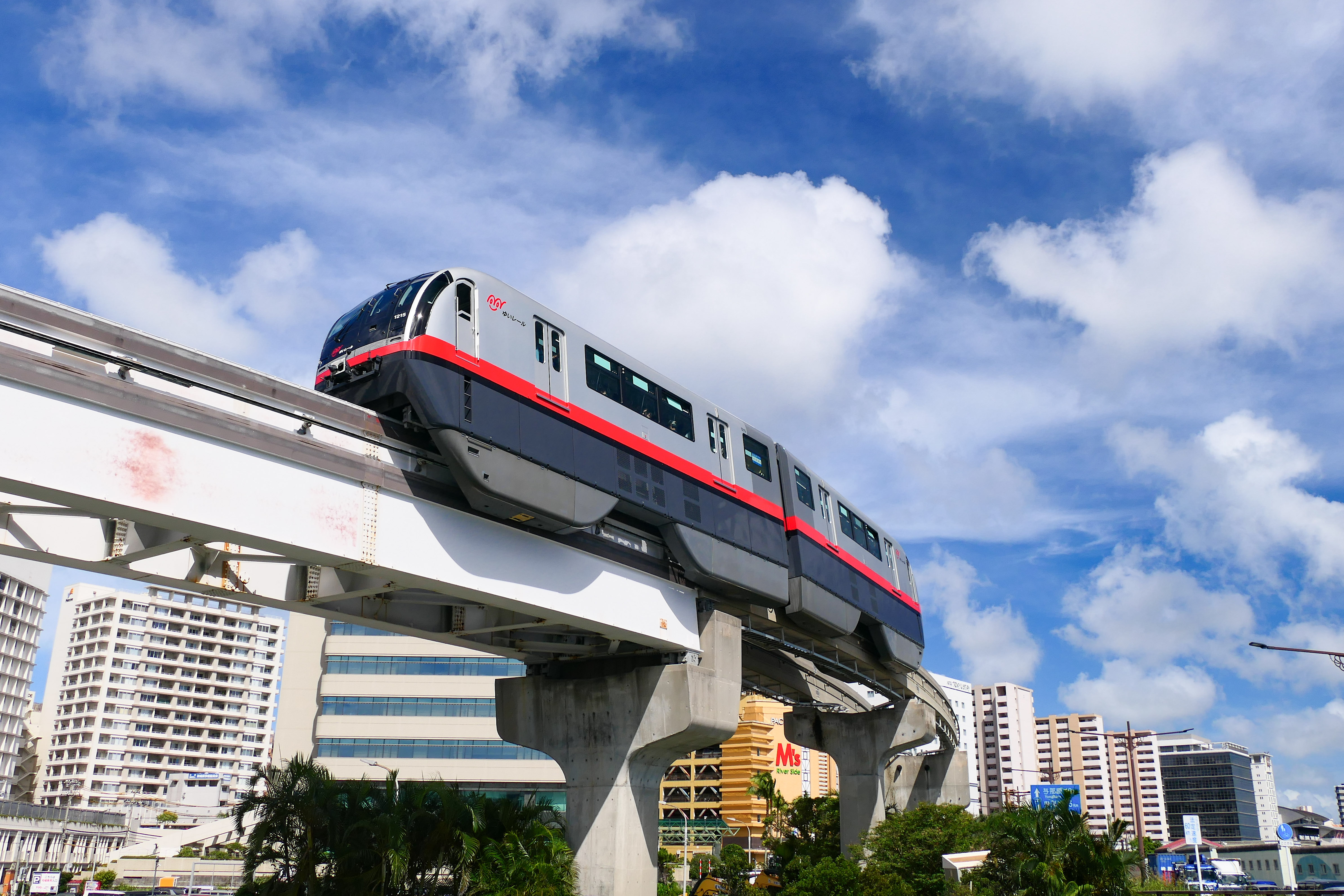
Naha Monorail (Yui Rail): This elevated train is the most efficient way to get around Naha city. It connects Naha Airport (Naha Kuko Station) to Shuri Castle (Shuri Station) and covers major tourist spots, shopping areas, and the city center.
- Cost: Single fares range from ¥230-370 (approx ₹129-207). Day passes (¥800 / ₹448) or 2-day passes (¥1,400 / ₹784) are excellent value if you plan to use it frequently.
- Comparison: Think of it as a compact version of the Delhi Metro, but with just one line. It's clean, punctual, and easy to use.
Bus System: For destinations outside Naha (like Churaumi Aquarium, Cape Manza, or American Village), the bus network is the primary public transport option. Buses are reliable but can be slow, especially on longer routes.
- Cost: Fares vary by distance. A trip from Naha to Churaumi can be around ¥2,000-2,500 (approx ₹1120-1400).
- Booking: You can pay with cash (exact change or use the change machine on the bus) or an IC card (like Okinawa's OKICA, or mainland Japan's Suica/Pasmo usually work). No advance booking needed for regular routes.
- Tip: Use Google Maps for bus routes and timings. Be aware that English announcements might be limited.
Rental Car: For maximum flexibility and to reach more remote beaches or attractions, renting a car is highly recommended, especially if you're comfortable driving on the left side of the road (like in India and Bangladesh).
- Requirements: You'll need an International Driving Permit (IDP) issued in your home country (obtainable from your local RTO in India or BRTA in Bangladesh) along with your original driving license.
- Cost: Expect to pay ¥4,000-8,000 (approx ₹2240-4480) per day for a compact car, plus fuel and tolls (tolls are generally minor on Okinawa Honto).
- Booking: Book online well in advance through major rental companies (Toyota Rent-a-Car, Nissan Rent-a-Car, OTS Rent-a-Car) or aggregators. Pick up at Naha Airport is convenient.
- Mistakes to Avoid: Not getting an IDP. Driving during peak hours in Naha can involve traffic. Parking can sometimes be an issue at popular spots.
Taxis: Available, but expensive for long distances. Best for short hops or if splitting the fare among a group.
Outer Islands
As discussed in the island-hopping section, ferries are the lifeline between Okinawa Honto and the Kerama Islands, and domestic flights connect to larger islands like Miyakojima and Ishigaki. Once on smaller islands, rental scooters, bicycles, or local buses (if available) are common ways to get around. Taxis are rare or non-existent on very small islands.
Recommendation for Indian/Bangladeshi Travelers: For a first-time visitor focused on Okinawa Honto, a combination of the Naha Monorail for the city, buses for key attractions, and perhaps a day tour if you're uncomfortable driving, is a good strategy. If you plan to explore extensively beyond the main tourist hubs or visit multiple beaches, a rental car is almost essential for convenience and time-saving, especially for families or groups.
Budgeting Your Okinawa Trip: Practical Costs for Indian and Bangladeshi Travelers
Okinawa, while generally more affordable than Tokyo or Kyoto, still demands a sensible budget. Here's a breakdown of typical costs, with conversions to Indian Rupees (approx ₹0.56 per ¥1). Bangladeshi Taka is roughly ~₹0.85, so multiply INR costs by 1.15-1.2 for a rough BDT estimate.
1. Flights:
- International: This will be your biggest expense. Flights from India/Bangladesh to Naha (via Tokyo/Osaka) can range from ₹40,000-70,000 (approx ¥71,400-125,000) round trip, depending on season and booking time.
- Domestic (Japan): Naha from Tokyo/Osaka: ¥10,000-25,000 (approx ₹5600-14000) one-way if booked well in advance, more if last minute or peak season. Consider low-cost carriers like Peach or Jetstar Japan.
2. Accommodation (Per Night):
- Budget (Hostels/Guesthouses): ¥3,000-6,000 (approx ₹1680-3360) for a dorm bed or basic private room.
- Mid-Range (Business Hotels/Resorts): ¥8,000-15,000 (approx ₹4480-8400) for a comfortable double room, often with good amenities.
- High-End (Resorts/Luxury Hotels): ¥18,000-35,000+ (approx ₹10,080-19,600+) for premium resorts, especially on popular beaches or outer islands.
3. Food (Per Person, Per Day):
- Budget (Konbini/Supermarket/Casual Eateries): ¥2,000-3,500 (approx ₹1120-1960). You can get a bento box,
onigiri, and a drink for ¥500-800. - Mid-Range (Local Restaurants/Izakayas): ¥4,000-6,000 (approx ₹2240-3360). This allows for a couple of good meals.
- High-End (Fine Dining): ¥7,000-15,000+ (approx ₹3920-8400+).
- Total Daily Food Budget: Aim for at least ¥4,000 (approx ₹2240) per person to eat comfortably.
4. Transportation (Per Day):
- Naha Monorail Pass: ¥800 (approx ₹448) for a 1-day pass.
- Bus (Inter-city): Varies greatly. Budget ¥2,000-3,000 (approx ₹1120-1680) if you plan a few bus trips.
- Rental Car: ¥5,000-8,000 (approx ₹2800-4480) per day for the car, plus ¥1,000-2,000 (approx ₹560-1120) for fuel and tolls. (If split between 2-4 people, this becomes very cost-effective).
- Ferries (Island Hopping): ¥3,000-7,000 (approx ₹1680-3920) per person for a return trip to a nearby island.
5. Activities & Entrance Fees (Per Day):
- Churaumi Aquarium: ¥2,180 (approx ₹1220).
- Other Attractions: Many beaches are free. Some castles, gardens, or smaller museums might be ¥300-800 (approx ₹168-448).
- Snorkeling/Diving Tours: ¥5,000-15,000 (approx ₹2800-8400) per person, depending on the tour.
- Budget: Allocate ¥2,000-4,000 (approx ₹1120-2240) per day for activities if you plan one major paid activity.
Sample 7-Day Budget (Mid-Range, per person, excluding international flights):
| Category | Cost (¥) | Cost (₹ approx) | Notes |
|---|---|---|---|
| Domestic Flight | 20,000 | 11,200 | Return from Tokyo/Osaka |
| Accommodation (7 nights) | 70,000 | 39,200 | Averaging ¥10,000/night for a decent hotel. |
| Food (7 days) | 28,000 | 15,680 | Averaging ¥4,000/day for mid-range meals. |
| Local Transport | 15,000 | 8,400 | Mix of Monorail, some buses, maybe one car rental day (split cost if with others) |
More from this region — Okinawa
View all →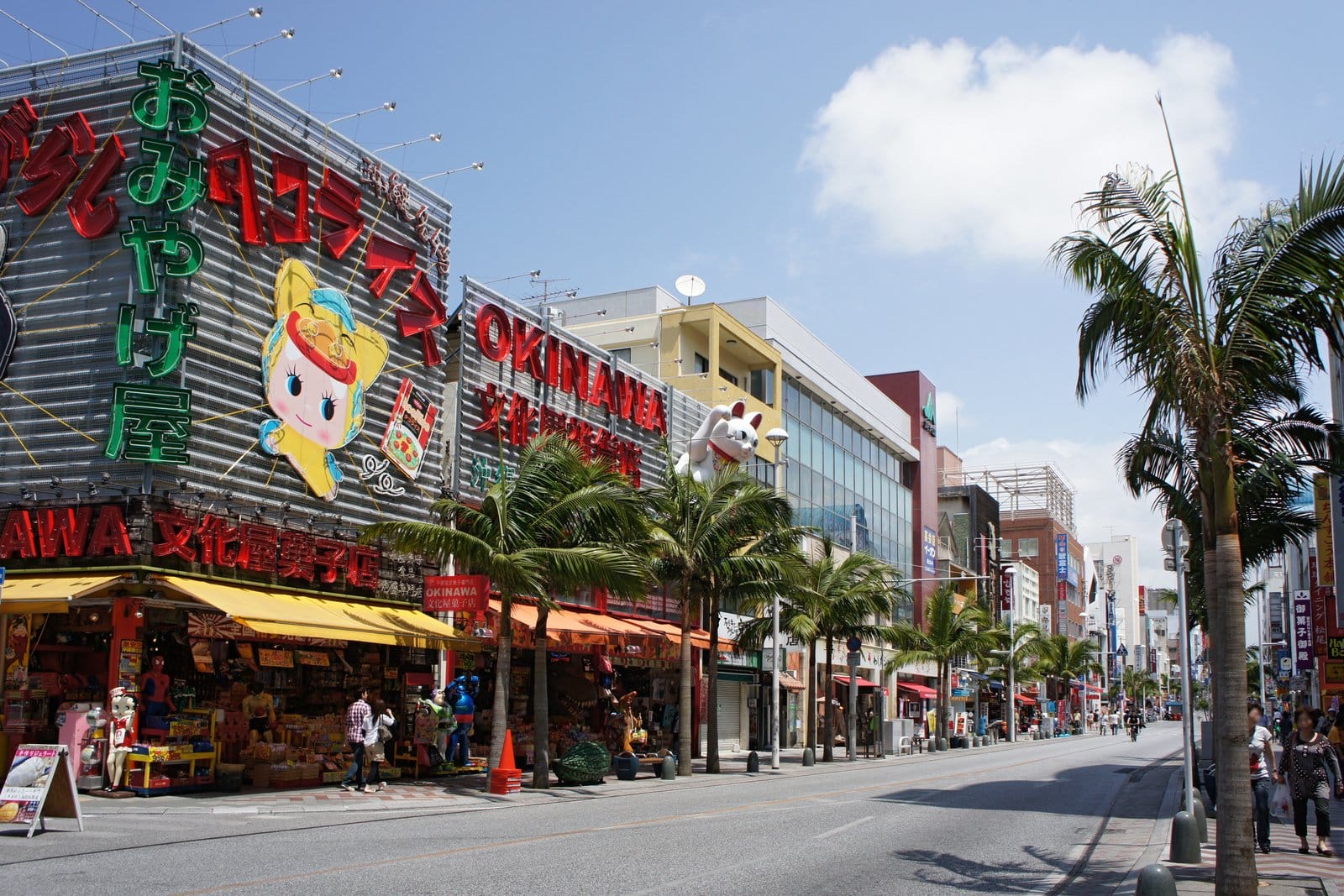
Okinawa Island Travel Guide: Japan's Very Own Tropical Paradise
9 min · destinations
Okinawa Island Charters for Groups: A Practical Planning Guide
9 min · tips
Top 5 Most Beautiful Beaches in Okinawa — Japan's Tropical Paradise
13 min · tips
Amami Oshima: Mangrove Canoeing, Blue Beaches and How to Get There
13 min · destinations