
Amami Oshima: Mangrove Canoeing, Blue Beaches and How to Get There
Plan an Amami Oshima trip: flights and ferries, why to rent a car, mangrove canoeing, the Kinsakubaru forest, Tomori Beach, keihan and the best season.
Mar 18, 2026·✍️ olablog·⏱ 13 min read
Plan an Amami Oshima trip: flights and ferries, why to rent a car, mangrove canoeing, the Kinsakubaru forest, Tomori Beach, keihan and the best season.
Tap a region to browse articles
Amami Oshima (奄美大島), in Kagoshima Prefecture, is an island where untouched nature is still very much alive. Its rich ecosystem is part of a World Natural Heritage site, and together with the emerald-green sea and a culture all its own, it wins over almost everyone who visits. This guide gives you the practical details you need to plan a trip: how to get there, how to get around, the best nature activities, beaches and viewpoints, local food and culture, and the best time of year to go.
How to get to Amami Oshima
You can reach Amami Oshima by plane or by ferry. Choose the option that suits your travel style and budget.
By air
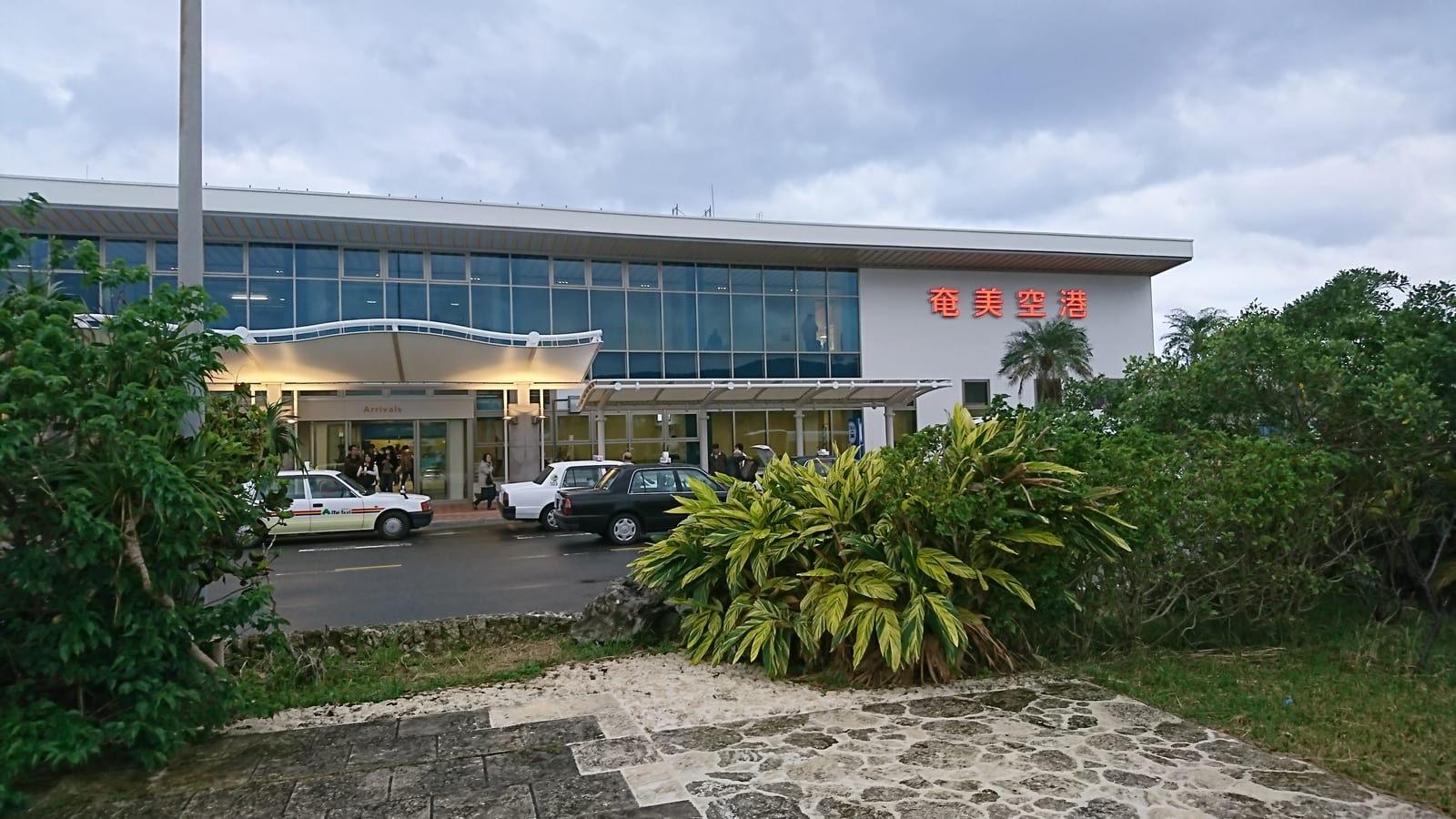
Amami Airport (奄美空港, ASJ) has direct flights from several major Japanese cities. It is served by the JAL Group (JAL, JAC and RAC), Peach and Skymark, and flying is by far the quickest way to reach the island.
Approximate flight times and airlines:
- From Tokyo (Haneda and Narita): about 2 hours 30 minutes (JAL Group, Peach)
- From Osaka (Itami and Kansai): about 2 hours (JAL Group, Peach)
- From Fukuoka: about 1 hour 30 minutes (JAL Group)
- From Kagoshima: about 1 hour (JAL Group, Skymark)
- From Naha (Okinawa): about 1 hour (JAL Group)
Airfares vary a lot with the season and how early you book. Early-booking discount fares can save you a good deal.
By ferry
The ferry suits travellers who enjoy a slower journey or want to bring their own car or motorbike. Two companies, Maru-A Ferry (マルエーフェリー) and Marix Line (マリックスライン), sail between Kagoshima New Port (鹿児島新港) and Naze Port (名瀬港) on Amami Oshima.
From Kagoshima New Port:
- Journey time: about 11 hours (overnight on board)
- Fare: about ¥10,690 for a second-class adult one-way ticket, fuel surcharge included. That figure was quoted for a May–July sailing period, and the surcharge is revised regularly, so check the current fare when you book.
- Frequency: one sailing a day, with the two companies taking turns
Ferries also run from Naha Port (那覇港) in Okinawa to Amami Oshima. The crossing takes about 13 hours, and the fare is around ¥10,310 including the fuel surcharge. Unlike airfares, ferry fares change little with the season, so the ferry is worth considering in peak periods.
Getting around the island
Public transport on Amami Oshima is limited, and there are no JR lines on the island, so a Japan Rail Pass is no help here. Renting a car is by far the most efficient way to see the island.
Renting a car
Several rental car companies have counters at Amami Airport, and booking in advance is strongly recommended. Amami Oshima is long from north to south and its main sights are spread out, so with a car you can explore freely without watching the clock.
Tips for renting a car:
- Book early: Demand is high, especially in the main tourist season.
- One-way rentals: Some companies let you drop the car off at Kagoshima Airport or Naha Airport, but this tends to be expensive.
- Fuel: There are petrol stations on the island, but in some areas they are few and far between or close early, so top up whenever you can.
Local buses
Shima Bus (しまバス) runs services centred on Naze in Amami City, including routes between Amami Airport and central Naze and between Naze and Koniya (古仁屋) in Setouchi Town (瀬戸内町). Services are infrequent, though, and often inconvenient for reaching sightseeing spots.
You pay the fare in cash when you get off, so carry small change. IC cards such as Suica, widely used in Japan's big cities, are generally not accepted on Amami's local buses. Tickets can also be bought at the general information counter at the airport.
Main routes (approximate frequency):
- Amami Airport – central Naze: roughly every 30 minutes
- Central Naze – Koniya (Setouchi Town): roughly every 90 minutes
- Other areas: even fewer services
Nature activities on Amami Oshima
Amami Oshima is blessed with outstanding natural scenery, and there's a lot to do outdoors.
Canoeing through the mangrove forest
One of the island's signature experiences is canoeing (or kayaking) through the primeval mangrove forest at Sumiyo. With a guide, you paddle through a vast expanse of mangroves on the water. Many tour companies offer canoe tours with pick-up and drop-off. For more on paddling the mangroves, see our Amami Oshima mangrove and white-sand beach guide.
Kuroshio no Mori Mangrove Park (黒潮の森マングローブパーク)
- Address: 478 Ishihara, Sumiyo-cho, Amami City, Kagoshima
- Hours: 9:00–17:00 (last admission 16:30)
- Closed: Tuesdays (the following day if Tuesday is a public holiday)
- Fees:
- Mangrove observation deck: adults ¥500
- Guided canoe experience: about ¥3,000 per adult for a one-hour course (reservation required)
- Access: about 40 minutes by car from Amami Airport
Snorkelling and diving in emerald water
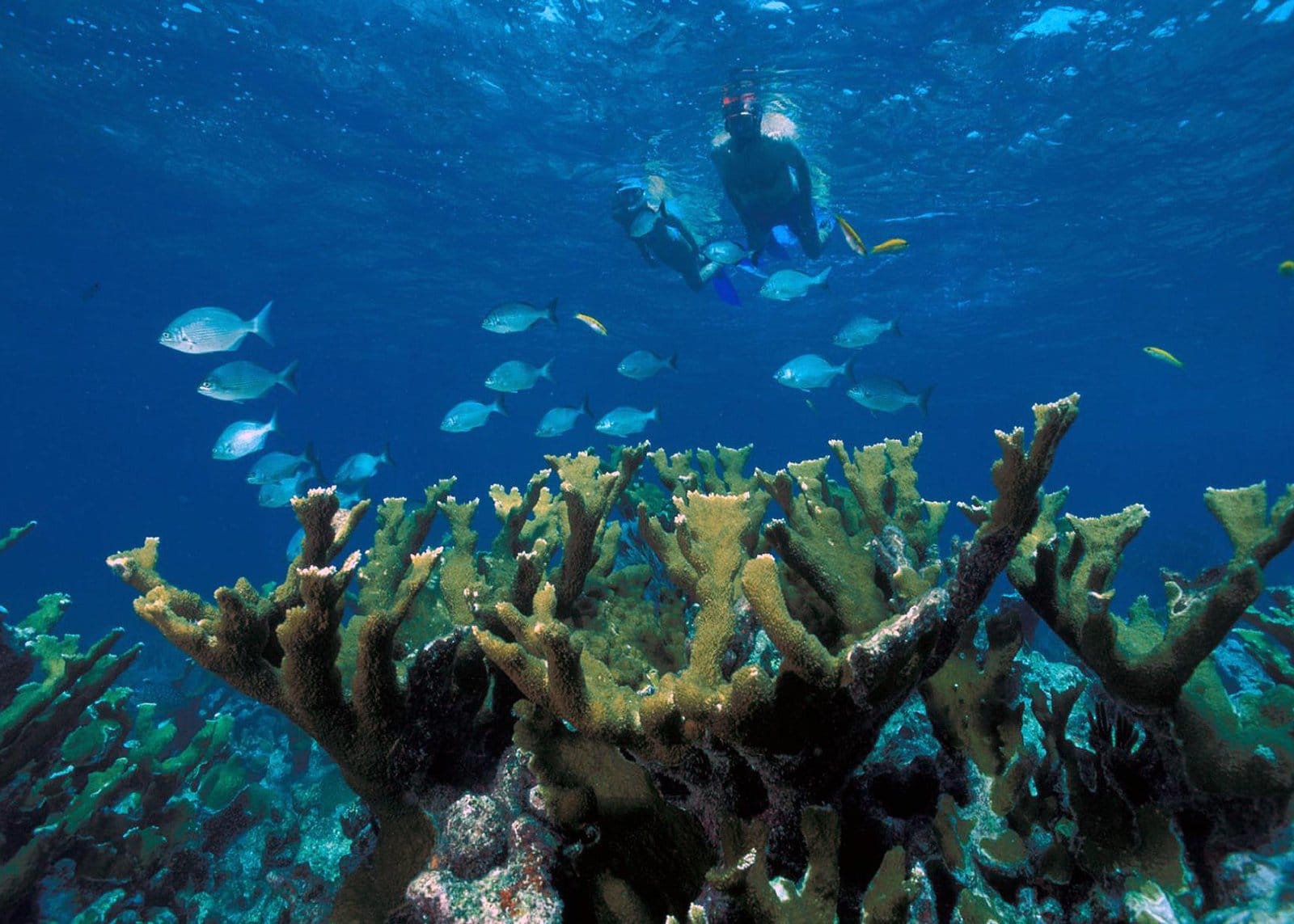
Amami Oshima's exceptionally clear water is ideal for snorkelling and diving, and you can see coral reefs and schools of tropical fish up close.
Recommended snorkelling spots:
- Tomori Beach (土盛海岸): Cobalt-blue water, five minutes by car from Amami Airport (details below).
- Ohama Seaside Park (大浜海浜公園): A swimming beach with park facilities, best known for its sunsets (details below).
Plenty of dive shops run snorkelling and diving tours, so even complete beginners can join with peace of mind.
Trekking in the Kinsakubaru primeval forest
The Kinsakubaru primeval forest (金作原原生林) is an untouched subtropical forest where giant tree ferns (hikage-hego, ヒカゲヘゴ) grow thickly overhead. The atmosphere is straight out of Jurassic Park. Because the forest is home to rare plants and animals, you may only enter with a certified guide.
Kinsakubaru guided trek (typical):
- Duration: about 2–3 hours for a half-day course
- Price: about ¥6,000–8,000 per person, depending on the tour company
- Notes: Advance booking is required. Wear clothes you don't mind getting dirty and comfortable walking shoes.
Beaches and scenic spots
Amami Oshima is full of breathtaking beaches and dramatic natural scenery.
Tomori Beach: Amami's most beautiful water
Close to Amami Airport, Tomori Beach (土盛海岸) is affectionately called the "Blue Angel" for its extraordinary clarity and its gradations of cobalt blue. White sand against transparent water makes it look like a picture of paradise.
- Address: Usuku, Kasari-cho, Amami City, Kagoshima
- Access: about 5 minutes by car from Amami Airport
- Facilities: parking, toilets and showers
Ohama Seaside Park: the sunset spot
Ohama Seaside Park (大浜海浜公園) is known for its gently curving beach and its spectacular sunsets over the East China Sea. Inside the park, the Amami Marine Exhibition Hall (奄美海洋展示館) introduces the sea life around the island.
- Address: Ohama, Naze, Amami City, Kagoshima
- Hours: The park is always open. The Amami Marine Exhibition Hall is open 9:00–18:00 (last admission 17:30).
- Closed: The Amami Marine Exhibition Hall closes on Mondays (the following day if Monday is a public holiday).
- Fees: The park is free; the Amami Marine Exhibition Hall costs ¥300 for adults.
- Access: about 40 minutes by car from Amami Airport, or about 15 minutes from central Naze
Heart Rock: a hidden spot on the Tatsugo coast
Tucked away on the coast of Tatsugo Town (龍郷町), Heart Rock (ハートロック) is a mysterious spot where the sea has worn the rock into a heart shape. It only appears at low tide, so check a tide table before you go. It has become popular as a "power spot" for love.
- Address: Akaogi, Tatsugo-cho, Oshima District, Kagoshima
- Access: From Akaogi (赤尾木) village on National Route 58, follow a small sign down a narrow lane. Parking is limited.
- Note: Plan your visit around low tide.
Ayamaru Cape: views over the Pacific
Ayamaru Cape (あやまる岬), on the Kasari Peninsula in the far north of the island, is a superb viewpoint over the Pacific Ocean. From the lookout you see coral reefs and emerald water spread out below. The park also has play equipment and a café, which makes it a good stop for families.
- Address: Suno, Kasari-cho, Amami City, Kagoshima
- Hours: The park is always open; facilities 9:00–17:00 (may vary by season)
- Fee: free
- Access: about 15 minutes by car from Amami Airport
Tanaka Isson Memorial Art Museum: Amami through a painter's eyes
The Japanese painter Tanaka Isson (田中一村) spent his later years on Amami Oshima and left many works inspired by its nature. The Tanaka Isson Memorial Art Museum (田中一村記念美術館), inside Amami Park (奄美パーク), shows his paintings and lets you see the island's nature from an artist's perspective.
- Address: 1834 Setta, Kasari-cho, Amami City, Kagoshima
- Hours: 9:00–17:00 (last admission 16:30)
- Closed: Mondays (the following day if Monday is a public holiday)
- Fee: adults ¥300
- Access: about 5 minutes by car from Amami Airport
Food and culture
Amami Oshima's appeal goes well beyond its nature. It also has its own food traditions and a deep traditional culture.
Keihan: Amami's chicken rice
The dish to try on Amami Oshima is keihan (鶏飯). Shredded chicken, strips of thin omelette, shiitake mushroom, pickles and other toppings are arranged on rice, then hot chicken broth is poured over the top, a little like ochazuke. It tastes light but deep, and many restaurants on the island serve it.
Kokuto shochu: brown sugar shochu
Kokuto shochu (黒糖焼酎) is a shochu (distilled spirit) made from brown sugar produced from sugarcane, and it may only be made in the Amami Islands. It has a distinctive sweet aroma and a clean finish, and you can drink it on the rocks, with cold water or with hot water. Several distilleries operate on the island, and some offer tours and tastings.
Shima-uta: Amami's island songs
Amami Oshima has its own tradition of folk songs, shima-uta (島唄), handed down over generations. Sung to the three-stringed sanshin, their distinctive melodies carry the island's history, daily life and feelings for nature, and they move listeners deeply. You may get the chance to hear live shima-uta at local izakaya or at events on the island.
Oshima tsumugi: Amami's traditional silk
Oshima tsumugi (大島紬) is Amami Oshima's traditional silk textile, often described in Japan as one of the three great textiles of the world. It is known for the deep colours produced by mud dyeing (dorozome) and for its intricate kasuri (ikat) patterns, and making it is extremely labour-intensive and slow. Some Oshima tsumugi workshops on the island let you watch the process or try it yourself.
Best time to visit and what to wear
Amami Oshima has a subtropical climate and stays warm all year, but each season has its own appeal.
The seasons
- Spring (March–May): average temperatures around 20°C (68°F) make this a comfortable season. The fresh greenery is beautiful and conditions suit hiking and canoeing. On some days you can swim, but the water is still cool.
- Summer (June–September): average temperatures around 28°C (82°F). This is the best season for marine sports, with excellent water clarity for snorkelling and diving. Early summer brings the rainy season, and August and September are typhoon season, so keep a close eye on the forecast.
- Autumn (October–November): average temperatures around 25°C (77°F), with many pleasant days. The summer crowds thin out, so sightseeing is more relaxed. Typhoons are still possible, but the risk gradually falls.
- Winter (December–February): average temperatures around 15°C (59°F), and some days feel chilly. It's not the season for marine sports, but it is whale-watching season (from late December to around March), and with fewer visitors it can be a rewarding time to go.
What to wear
- Summer (June–September): T-shirts, shorts and swimwear are fine. The sun is strong, so a hat, sunglasses and sunscreen are essential. A light cover-up helps in air-conditioned rooms and against the sun.
- Spring and autumn (March–May, October–November): Long-sleeved shirts, light cardigans or hoodies make it easy to adjust to the temperature. Mornings and evenings can feel cool, so bring a light jacket.
- Winter (December–February): Pack sweaters, fleece and a warm jacket. Some days are windy, so windproof clothing is useful.
Typhoon season
Typhoons are frequent in August and September, and some hit Amami Oshima directly. If you travel then, check the latest weather forecasts and flight and ferry operating information regularly, and consider travel insurance just in case.
Amami Oshima at a glance
| Item | Details |
|---|---|
| Flights | Direct from Tokyo (Haneda, Narita), Osaka (Itami, Kansai), Fukuoka, Kagoshima and Naha; about 1 to 2.5 hours |
| Ferry | Kagoshima New Port – Naze Port, about 11 hours overnight, one sailing a day; Naha – Amami about 13 hours |
| Getting around | A rental car is by far the most practical option (counters at Amami Airport); Shima Bus services are limited and cash only |
| Must-do nature | Guided canoeing in the Sumiyo mangroves, a guided trek in Kinsakubaru, snorkelling at Tomori Beach |
| Beaches and views | Tomori Beach, Ohama Seaside Park at sunset, Heart Rock at low tide, Ayamaru Cape |
| Culture | Tanaka Isson Memorial Art Museum, shima-uta folk songs, Oshima tsumugi silk |
| Food and drink | Keihan chicken rice, kokuto brown sugar shochu |
| Best time | June–September for the sea (watch for the rainy season and for typhoons in August–September); spring and autumn for hiking and canoeing; late December to around March for whale watching |
Amami Oshima rewards travellers who take it slowly. Fly in or take the overnight ferry, pick up a rental car, and give yourself time to paddle through the mangroves, walk beneath the tree ferns of Kinsakubaru and wait for the sunset at Ohama. Book cars, canoe tours and the Kinsakubaru guide early in summer, keep an eye on the weather in typhoon season, and finish each day with a bowl of keihan, a glass of kokuto shochu and, if you're lucky, a shima-uta song.
More from this region — Okinawa
View all →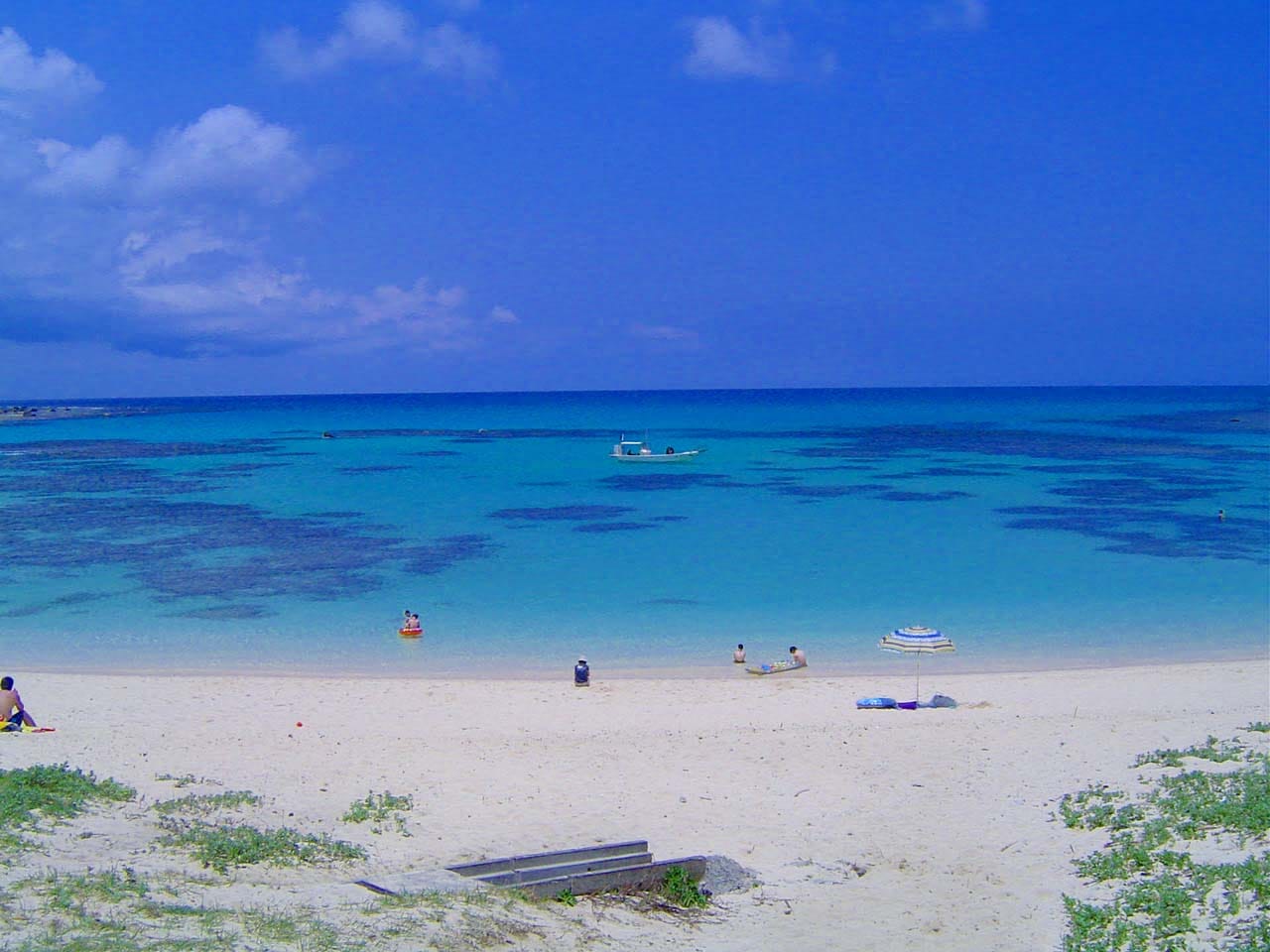
Amami Oshima Mangrove Kayaking and the Island's Best Beaches
5 min · experiences
Snorkeling Ishigaki: Best Reefs, Seasons and Safety Tips
5 min · experiences
Miyakojima Beaches: Maehama, Sunayama and Reef Snorkeling
5 min · experiences
Ogasawara Islands: The Ferry, Dolphins, Whales and Island Life
6 min · experiences