
What to Eat in Hakuba in Autumn — Fresh Soba, Wild Mushrooms, Shinshu Apples
In late autumn, the Nagano Valley enters shinsoba season, wild mushrooms hit the charcoal grill, and orchards overflow with ripe apples: suggestions for restaurants in the village and Echoland, typical prices, and places that stay open during the quiet season.
Aug 12, 2026·✍️ olablog·⏱ 20 min read
In late autumn, the Nagano Valley enters shinsoba season, wild mushrooms hit the charcoal grill, and orchards overflow with ripe apples: suggestions for restaurants in the village and Echoland, typical prices, and places that stay open during the quiet season.
Tap a region to browse articles
There is an aroma that exists for only a few weeks each year in the mountains of Nagano. If you arrive at the right time, you will recognize it the moment you slide open the restaurant door: the scent of freshly milled buckwheat flour. It is not soy sauce, and it is not dashi—it is slightly earthy, faintly sweet, and reminiscent of lightly roasted grains, rising from a plate of soba that has just been cut. The Japanese call this early soba season shinsoba (新そば), and in Shinshu—the old name for Nagano Prefecture—it is practically an event.
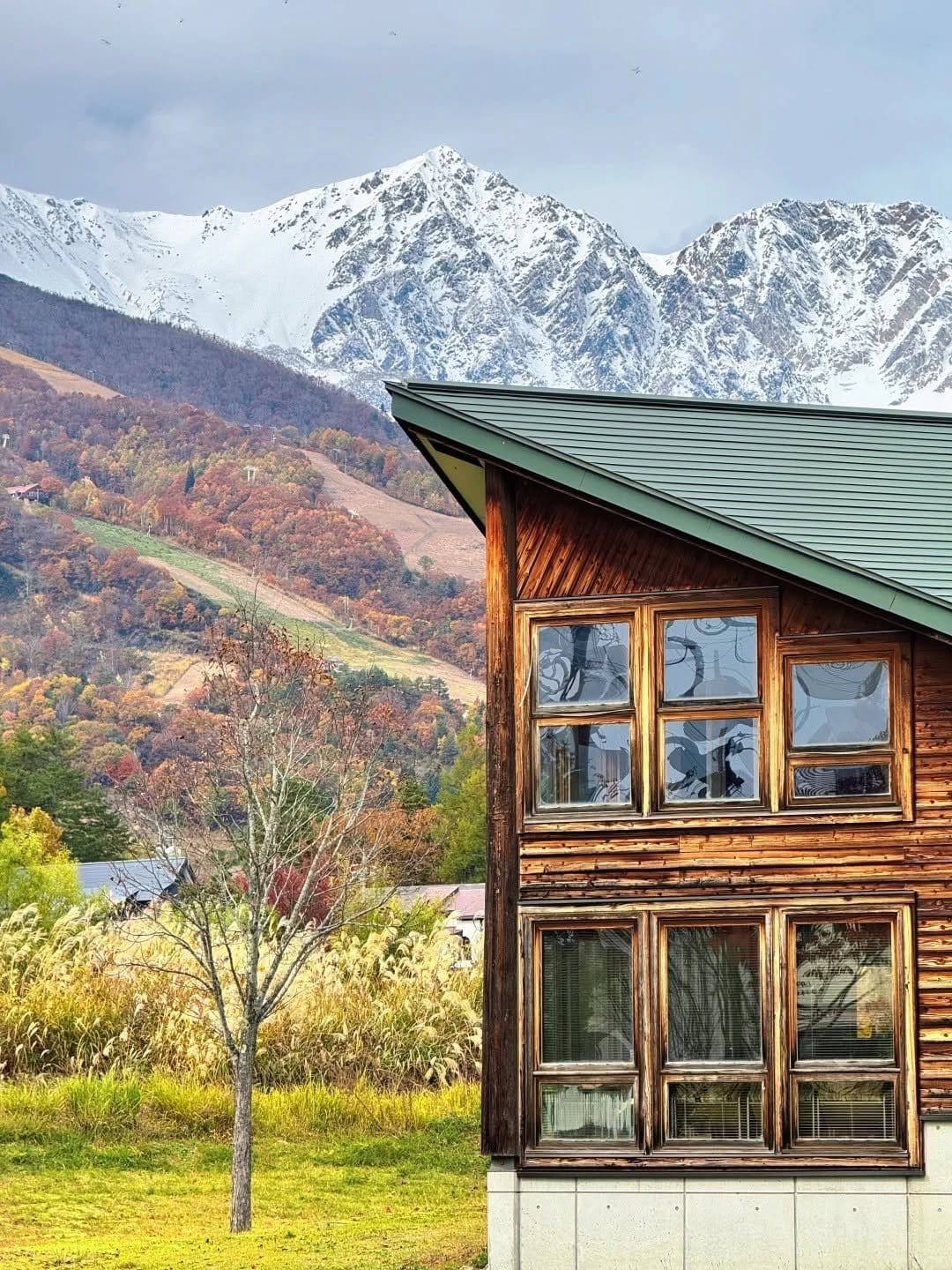
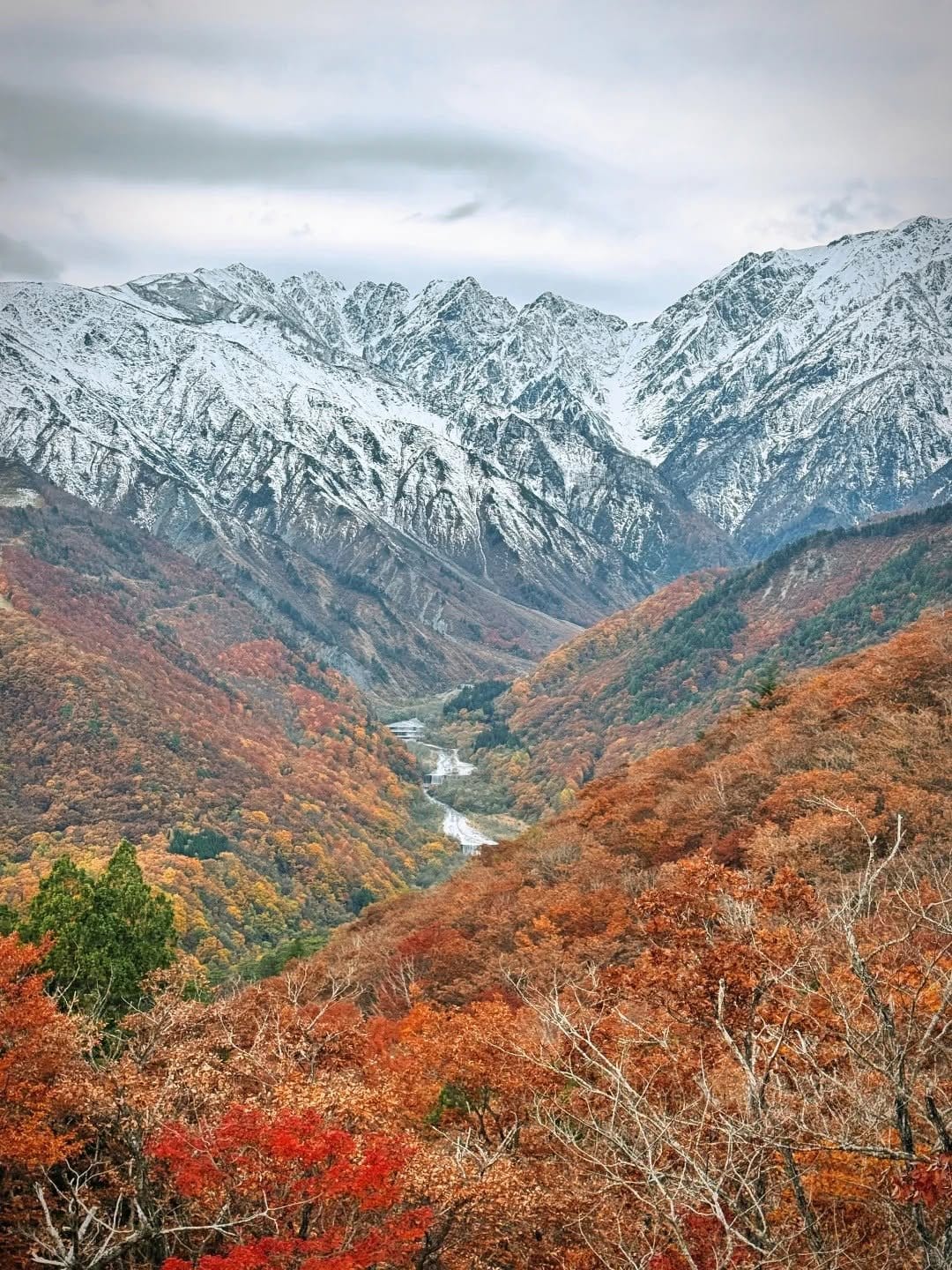
The funny thing is that most Vietnamese people know Hakuba only for its snow. In winter, the entire valley is packed, room rates triple, and even queuing for a bowl of ramen can take forty minutes. But autumn—from mid-September to early November—is when this area is at its best for food: soba is in season, wild mushrooms are grilled over charcoal, apples hang heavy and red in orchards on the Azumino plains, freshly harvested rice still smells of sunshine, and cafés in the mountains look out over the Northern Alps as they change color.
The only catch is that Hakuba is a two-season resort town. After the autumn leaves are gone and before the snow arrives, there is a "vacuum" of roughly three to six weeks when half the restaurants in Echoland shut down completely for a break and renovations before ski season. This article is both an autumn food map of Hakuba village and Echoland and a guide to keeping you from walking two kilometers through the cold wind only to find every restaurant displaying a sign reading "冬季休業".
Why Autumn in Hakuba Is Better for Eating Than Winter
There are three very practical reasons.
First is the produce. Nagano is high, gets cold early, and has a large difference between daytime and nighttime temperatures—ideal conditions for buckwheat, apples, and rice. All three are harvested in autumn. The same goes for wild mushrooms: from around the end of September, mountain mushrooms begin to appear, while Nagano's cultivated mushrooms (enoki, shimeji, and eringi—the prefecture is Japan's largest mushroom-growing region) are available year-round but are cooked most extensively in autumn.
Second is the seating. In winter, trying to have dinner in Echoland without a reservation is almost pure luck. In autumn, you can stroll along Echoland's main road, drop into any restaurant that still has its lights on, and sit at the counter chatting with the owner—the kind of experience that is impossible during peak season.
Third is the price. The dishes themselves are not cheaper, but the overall cost of a trip is: accommodation in Hakuba is generally much more affordable in autumn than during snow season, leaving you room in the budget for a meal featuring matsutake mushrooms or a good bottle of hiyaoroshi sake.
Shinsoba — The Soul of Autumn in Shinshu
What Is Shinsoba, and When Is It Available?
Buckwheat sown in summer is usually harvested around September–October, milled into flour, and sent to restaurants soon afterward. Soba made from this fresh batch of flour is called shinsoba: the noodles are paler green than usual, distinctly fragrant, with a lingering sweetness and enough flavor to enjoy on their own. In Shinshu, soba restaurants often hang a paper sign or post a notice reading "新そば入荷" by the entrance when a new shipment arrives—keep an eye out for those characters and go in when you see them.
A useful guide for the Hakuba–Omachi–Nagano area: from around the end of September, peaking in October and continuing into November. Each restaurant sources its flour from a different supplier, so the arrival date can vary by an entire week. If you visit at the right time, simply ask in Japanese: "新そば、ありますか?" (shin-soba, arimasu ka?).
How to Eat It to Appreciate the Flavor
This is where many Vietnamese visitors eat soba, find it underwhelming, and conclude that "soba is bland." A few tips:
- Order it cold (zaru / mori) the first time you eat it that day. When soba is served hot and submerged in broth, most of the buckwheat aroma disappears. To appreciate shinsoba, eat it cold.
- Do not dip the first chopstickful in anything. Try one bite plain so you can catch the aroma of the fresh flour. This is practically a ritual among soba connoisseurs.
- Dip lightly. Soak only about one-third of the noodle ends in the dipping sauce (tsuyu). Dipping them all the way makes the noodles overwhelmingly salty and masks their flavor.
- Do not skip sobayu. At the end of the meal, the restaurant will bring a pot of cloudy white soba cooking water. Pour it into the remaining tsuyu and drink it like soup. It is warming, and it is the "free delicious extra" that foreign visitors often leave untouched.
- Recommended side dishes: mountain vegetable tempura (sansai tempura) or mushroom tempura. Shinshu also has oroshi soba, served with spicy grated daikon—a perfect match for cool weather.
Where to Eat Soba Around Hakuba
There are several options in and around the valley:
- Hakuba village (Hakuba-mura), around Happo and along National Route 148: this is where traditional soba restaurants are concentrated. They usually open for lunch and close fairly early—many mountain soba shops shut for the day once they sell out of their flour. There are also "soba village" facilities designed for tour groups, with spacious interiors and mountain views from the grounds.
- Soba-making experience (soba uchi taiken): several facilities in the village and in nearby Otari and Omachi offer 60–90-minute soba-making classes, ending with a bowl of the noodles you have just made. Prices are usually around 3,000–4,000 yen/person, and advance reservations are mandatory. With children, this is the most rewarding autumn activity.
- Michi-no-Eki Hakuba roadside station on National Route 148: it has a dining area and a farm-produce market. It is also a good place to buy dried soba, soba flour, seasonings, and local vegetables to take home.
Typical prices: a basic zaru/mori soba around 900–1,400 yen; a soba-and-tempura set around 1,500–2,200 yen; specialty soba, such as jūwari—100% buckwheat flour with no wheat flour mixed in—is usually a few hundred yen more. Many small restaurants prefer cash, so do not bring only a card.
Grilled Wild Mushrooms — A Dish You Can Get Only This Time of Year
Autumn in Nagano is kinoko (きのこ) season. At the table, you may encounter:
- Matsutake—the king of mushrooms, intensely aromatic and extremely expensive. Classic dishes include dobin-mushi (simmered in a clay teapot, with clear broth and a squeeze of sudachi) and matsutake gohan (rice cooked with mushrooms). At Nagano-style ryōri restaurants, a serving of dobin-mushi usually costs around 2,000–4,000 yen, while a full matsutake set meal can reach tens of thousands of yen. It is worth trying once, but it is not an everyday dish.
- Maitake, shimeji, eringi, enoki, and nameko—common varieties that are reasonably priced and, honestly, just as delicious when grilled. Mushroom grilled with salt (yaki-kinoko) or garlic butter at an izakaya usually costs around 600–1,000 yen/plate.
- Mushroom hot pot (kinoko nabe) and kinoko-jiru (mushroom soup)—cold-weather dishes served at minshuku and pensions in Hakuba village. If your pension includes dinner, there is a good chance one of these will appear.
Where to eat: izakaya in Echoland and around Happo often add grilled mushrooms to their autumn menus; Japanese-style pensions/minshuku in Wadano and Misorano commonly cook wild mushrooms in a homestyle way, and this is usually the best version. If you want to grill them yourself, farm stands at Michi-no-Eki and roadside vegetable shops sell fresh mushrooms very cheaply—taking them back for a BBQ at your campsite is the best-value way to eat them.
One serious safety note: do not pick wild mushrooms yourself. Every year, Nagano has poisoning cases caused by mistaken identification. The forests around Hakuba also have bears, and autumn is when bears forage to build up fat before hibernation—if you go into the woods, remember to carry a bear bell.
Shinshu Apples — Pick Them at an Orchard and Eat Them on the Spot
Nagano is one of Japan's two largest apple-growing regions. The apple season runs as follows:
- Around September: early varieties such as Tsugaru, with a clean sweetness and plenty of crunch.
- Around October: Shinano Sweet, Akibae, and Shinano Gold (a specialty golden variety from Nagano with a balanced sweet-tart flavor and an intense aroma).
- From around the end of October through November: Fuji—the most famous variety, deeply sweet and excellent for storage.
Hakuba village itself is relatively high and cold, so it is not a major apple-growing area. Orchards are concentrated in Omachi, Ikeda, Azumino, and farther afield in Nagano, Suzaka, and Iiyama—around 40–70 minutes by car from Hakuba, depending on the destination. If you rent a car—which is highly recommended for an autumn trip in this area—adding an afternoon of apple picking to your itinerary is entirely feasible.
Japanese apple orchards generally charge in one of two ways: all-you-can-eat fruit on the premises for 30–60 minutes, costing around 500–1,500 yen/adult (children pay less); or apples picked to take home, charged by weight at around 500–800 yen/kg. Many orchards charge separately for these two options, so ask clearly before entering. Opening schedules and prices change from year to year, so check the orchard's official website or ask the local tourist information center before driving over.
A small tip: peeling Japanese apples wastes half the fun—the skin is the crispest and most fragrant part. Orchards usually provide a washing area and knives. And do not pick more than you can eat: one large Fuji apple weighs nearly 400g, and two will fill you up like a meal.
If you do not have a car, there is a perfectly good alternative: buy apples at farm stands (直売所) along National Route 148 or at Michi-no-Eki. "Blemished" apples (訳あり) are sold in large bags for half the price, even though they taste exactly the same. You can also find pure apple juice—it is far better than supermarket apple juice and makes a very popular gift to take home.
Oyaki — Shinshu's Street Food
Oyaki are wheat-and-buckwheat flour buns filled with various ingredients, steamed, then grilled or pan-fried. They are a truly rustic mountain food from Nagano, born in an era when rice was scarce. Common fillings include:
- Nozawana (pickled Nozawa greens)—lightly salty with a gentle sourness, and the classic choice.
- Kabocha (pumpkin)—sweet and ideal for first-timers.
- Nasu miso (eggplant with miso sauce)—rich and savory, and likely to make you order a second one.
- Kiriboshi daikon, mushrooms, and mountain vegetables (sansai)—depending on the season.
Prices are around 150–300 yen/piece, depending on the filling and location. They are much better hot and eaten on the spot than after they have cooled. Places to buy them include food stalls at Michi-no-Eki Hakuba, farm shops in the village, local supermarkets (packaged versions that can be microwaved), and specialist oyaki shops in Ogawa-mura and Nagano if you happen to pass through. Irohado, known for its wood-fired baked oyaki, is a brand familiar to many Japanese people and has stands in the Nagano area—if you travel by train through Nagano Station, it is worth buying a few to eat along the way.
New Nagano Rice — Simple but Memorable
From the end of September through October, new rice (shinmai / 新米) arrives on the table. New rice contains more water, is softer and more fragrant, and tastes noticeably different even with nothing more than sesame salt. Alongside the familiar Koshihikari, Nagano has its own local variety, Kaze Sayaka; many pensions and ryokan in Hakuba village serve rice grown right in the Kitaazumi area.
Ways to enjoy new rice properly:
- Book a one-night, two-meal stay (一泊二食) at a Japanese pension or minshuku in the village. A Japanese-style breakfast with new rice, grilled fish, and mushroom miso soup is one of the best-value breakfasts you can have in Japan.
- Order kamameshi (rice cooked in an individual pot) or kinoko gohan at a local restaurant, around 1,200–2,000 yen.
- Buy a 2kg bag of new rice from a farm stand to take home. If you live in Japan, it is much more practical than sweets as a gift.
Cafés with Views of the Alps
This is the most relaxing side of autumn in Hakuba. There are three types of cafés:
Mountain Cafés
Ride a gondola up and you will find cafés with mountain views at higher elevations. The best-known is Hakuba Mountain Harbor at Iwatake—an observation deck at the top of the gondola looking directly across to the Shirouma mountain range, with a bakery-café right beside it. Coffee costs around 500–700 yen, pastries around 400–800 yen, and you will need to add the round-trip gondola fare (check the official website for current ticket prices, as they change by season and year). This is a wonderful place to visit early on a clear morning, before clouds cover the mountains.
Other areas such as Happo-one and Tsugaike also have cafés and lodges at cable-car stations serving hot drinks and noodles, but autumn cable-car schedules end earlier than you might expect—many routes stop operating sometime between the end of October and the beginning of November. Check the official website before your visit; this is the most common mistake made by autumn visitors to Hakuba.
Valley Cafés
The village and Echoland are home to many seasonal cafés and brunch spots with a fairly Western feel, thanks to the large number of Australian visitors and long-term residents. Expect properly made espresso, toast, bowls, and views of rice fields and mountains through the windows. Coffee costs around 450–700 yen, and brunch around 1,200–2,000 yen. Some land-station-style facilities and outdoor shops in the village also have cafés open to walk-in visitors, where you can sit looking out over the grass and mountains—ideal for a lazy afternoon.
Craft Beer Spots
Not exactly cafés, but part of the same "sit and admire the mountains" category: Hakuba has locally brewed craft beer in the Echoland area. A pint costs around 900–1,300 yen. Drinking a cold beer after a day hiking along an autumn-leaf trail is a kind of happiness that is difficult to explain in words.
And do not forget autumn sake: hiyaoroshi is sake aged through the summer and released in autumn, with a rounder and gentler flavor than spring sake. The Kitaazumi–Omachi area near Hakuba has local breweries; the name you will often see on labels here is Hakuba Nishiki. Order a tokkuri at an izakaya and pair it with grilled mushrooms—that is Shinshu autumn done right.
Food Map: How Hakuba Village and Echoland Differ
Many visitors only realize after arriving that "Hakuba" is not one single neighborhood. The main clusters are a few minutes apart by car or 15–30 minutes on foot:
- Hakuba Station and the National Route 148 corridor: supermarkets, convenience stores, several traditional Japanese restaurants, and soba shops. This is where to stock up on food, and it also has the highest number of restaurants open year-round because they serve local residents, not just tourists.
- Echoland: the largest concentration of restaurants, bars, and cafés, with an international atmosphere, English menus, craft beer, pizza, izakaya, and ramen shops. This is the place to go for dinner. But it is also the area most dependent on the seasons—many restaurants open only in winter, or operate through summer and autumn before taking a long break ahead of snow season.
- Wadano / Happo: close to the mountain base, with many pensions and hotels. Some hotel restaurants accept outside guests; evenings are quieter than in Echoland.
- Misorano, Iwatake, and Tsugaike: scattered cafés and small restaurants with beautiful views, but they are few and far between—check opening hours before heading out.
The simple rule is: eat lunch near wherever you are spending the day, and have dinner in Echoland or at your accommodation.
Which Restaurants Stay Open During the Quiet Season?
This is the most important part of the article, and also the part no guide can state with complete certainty—opening schedules change every year. Still, there is a fairly consistent pattern:
The easiest period (around mid-September–the end of October): most restaurants are still operating normally because it is autumn-leaf season and there are plenty of visitors. This is the golden window for a food-focused trip to Hakuba.
The "vacuum" period (around the beginning of November–the middle/end of December): the leaves are gone, but there is not yet enough snow to open the ski resorts. Many restaurants in Echoland close for a break, gondolas stop running, and some pensions close as well. If you have to travel during this period, focus on the following options, which are less dependent on the seasons:
- Convenience stores and local supermarkets around the station and National Route 148—they are always available.
- Restaurants serving local residents (soba, teishoku, ramen, and rice restaurants) along the main road rather than the "tourist" establishments in Echoland.
- Restaurants in hotels and ryokan that remain open—many accept outside guests for dinner if you call ahead.
- Michi-no-Eki and farm stands—they remain open, although their hours may be shorter.
- Accommodation with meals included (one night, two meals)—the safest option, since you will not have to worry about where to eat that evening.
Three things to do before setting off during the quiet season:
- Check Google Maps and the restaurant's website/Instagram—small Hakuba restaurants are more likely to post closure schedules on social media than on their websites.
- Ask your accommodation to make a reservation for you. Pension owners know exactly which restaurants are open that night, and one call from them is more effective than ten rounds of searching on your own.
- Keep emergency food in your car or room: cup noodles, bread, and fruit. It may sound overly cautious, but on a cold night when all four restaurants you try are closed, you will thank yourself.
Sample Daily Food Budget
The figures below are typical estimates; actual prices vary by restaurant and year:
- Breakfast: coffee and pastry around 800–1,500 yen (or free if breakfast is included at your pension).
- Lunch: soba/teishoku around 1,000–2,200 yen.
- Snacks: oyaki, apples, and pure apple juice around 300–800 yen.
- Dinner: izakaya with grilled mushrooms and drinks around 3,000–5,000 yen/person; a set meal at a pension is included in the room rate.
- Optional splurges: matsutake dobin-mushi around 2,000–4,000 yen, apple picking at an orchard around 500–1,500 yen/person, and a soba-making class around 3,000–4,000 yen.
A normal daily food budget is around 5,000–8,000 yen/person. You can bring it below 3,000 yen by cooking for yourself at accommodation with a shared kitchen and buying ingredients from farm stands—and the autumn produce here is so affordable and delicious that it is worth doing at least once.
Suggested Two-Day Food Itinerary
Day 1 — Head up to Iwatake early and have coffee while admiring the mountains before the clouds roll in. Descend to the village for cold shinsoba at lunch (remember to ask, "shin-soba arimasu ka"). In the afternoon, take an easy walk or stop at Michi-no-Eki to buy apples, mushrooms, and new rice. For dinner, visit an izakaya in Echoland for grilled mushrooms, grilled chicken, and a pint of craft beer.
Day 2 — Have a new-rice breakfast at your pension. Drive down to Omachi/Ikeda for apple picking, and eat oyaki along the way. Return in the afternoon, soak in an onsen in the village, and have a light dinner of kamameshi or mushroom hot pot.
Common Mistakes
- Arriving at a soba restaurant at 2 p.m. Many shops close once they sell out for the day, or take a lunch break from early afternoon. Plan to eat soba around 11:30–13:00.
- Bringing only a card. Small restaurants, farm stands, and some accommodations in Hakuba still prefer cash.
- Assuming the gondolas run through the end of November. They do not. Many routes stop earlier, and the closing dates differ between Happo, Iwatake, and Tsugaike—check the official website for each area.
- Going to Echoland for dinner in the first week of November without checking ahead. Review the quiet-season section above.
- Picking wild mushrooms yourself. Don't.
- Skipping sobayu and pure apple juice. They are the two tastiest and cheapest things in this article.
- Failing to reserve a table on a weekend during peak autumn-leaf season. Autumn is quieter than winter, but Echoland can still be fully booked on peak foliage weekends.
Frequently Asked Questions
Is shinsoba available at exactly the same time every year?
Not absolutely. The buckwheat harvest depends on the weather, so the arrival date can shift by an entire week between years and between restaurants. The safest time to aim for is October. As soon as you see a restaurant displaying 新そば, go in.
Is ordering food in Hakuba village difficult if I do not speak Japanese?
Not really in Echoland—many restaurants have English menus because of the large international clientele. Traditional soba restaurants along the main road may have menus only in Japanese, but they usually have photos; pointing and using a translation app works fine.
How can I manage if I am vegetarian or avoid meat?
It is more difficult than in the cities, but still possible: cold soba with vegetable tempura, vegetable-filled oyaki, mushroom rice, and vegetable hot pot. Note that soba dipping sauce and miso soup often contain bonito dashi. If you are strictly vegetarian, explain this clearly in advance or choose restaurants that list their ingredients.
Do I need to rent a car for an autumn trip to Hakuba?
It is not essential if you are staying around Hakuba village (there are local buses and taxis). But for visiting apple orchards, farm stands, and scattered restaurants in Tsugaike or Omachi, having a car is much more convenient, especially because it gets dark early in autumn and bus services are less frequent than in winter.
What should I buy as souvenirs?
Apples (the bags of "blemished" fruit are especially good value), pure apple juice, dried soba, soba flour, pickled nozawana, dried mushrooms, mountain honey, and local sake. Michi-no-Eki and farm stands are the best places to shop, with more reasonable prices than souvenir stores beside the ski resorts.
Is it possible to eat well in Hakuba in early December?
This is the most difficult period of the year: autumn is over, the snow season has not started, and many restaurants are still closed. If you still want to go, book accommodation with meals included and accept that your choices will be limited. If food is your priority, move your trip to October—a difference of just a few weeks can make the experience completely different.
Is this itinerary suitable for young children?
Very much so. Children enjoy apple picking, making soba, and eating oyaki. Just remember that it is much colder than Tokyo, and it is best to visit izakaya for dinner early, before around 19:00.
If you plan to combine food with outdoor activities—hiking autumn-leaf trails, canoeing on the lake, or late-season camping—see the options at OlaChill Camp & Outdoor to organize your itinerary. Shinshu's fresh soba season lasts only a few weeks; once you experience it at the right time, you will be timing next year's trip yourself without anyone needing to remind you.
More from this region — Chubu (Nagano, Kanazawa)
View all →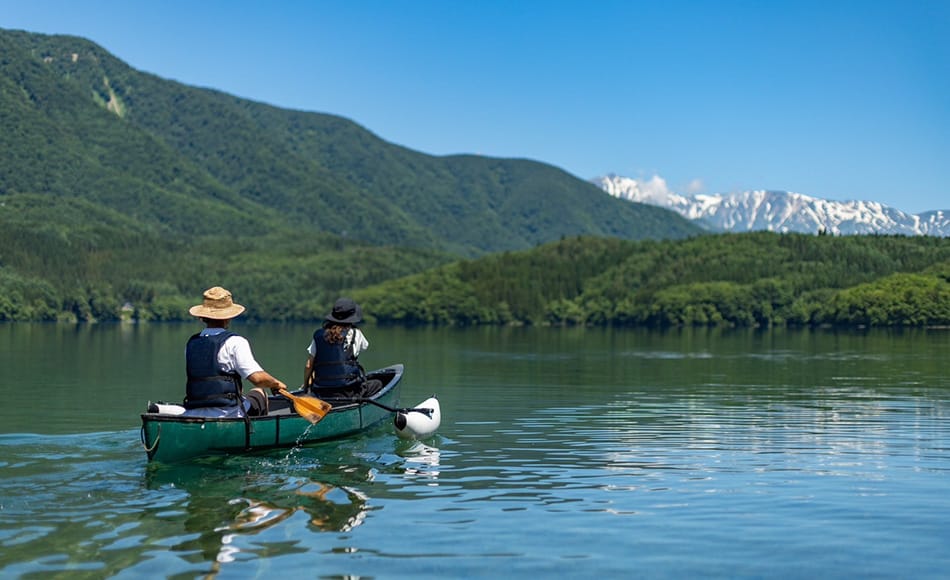
Autumn in Hakuba — Hiking & Canoeing Through the Foliage
2 min · tips
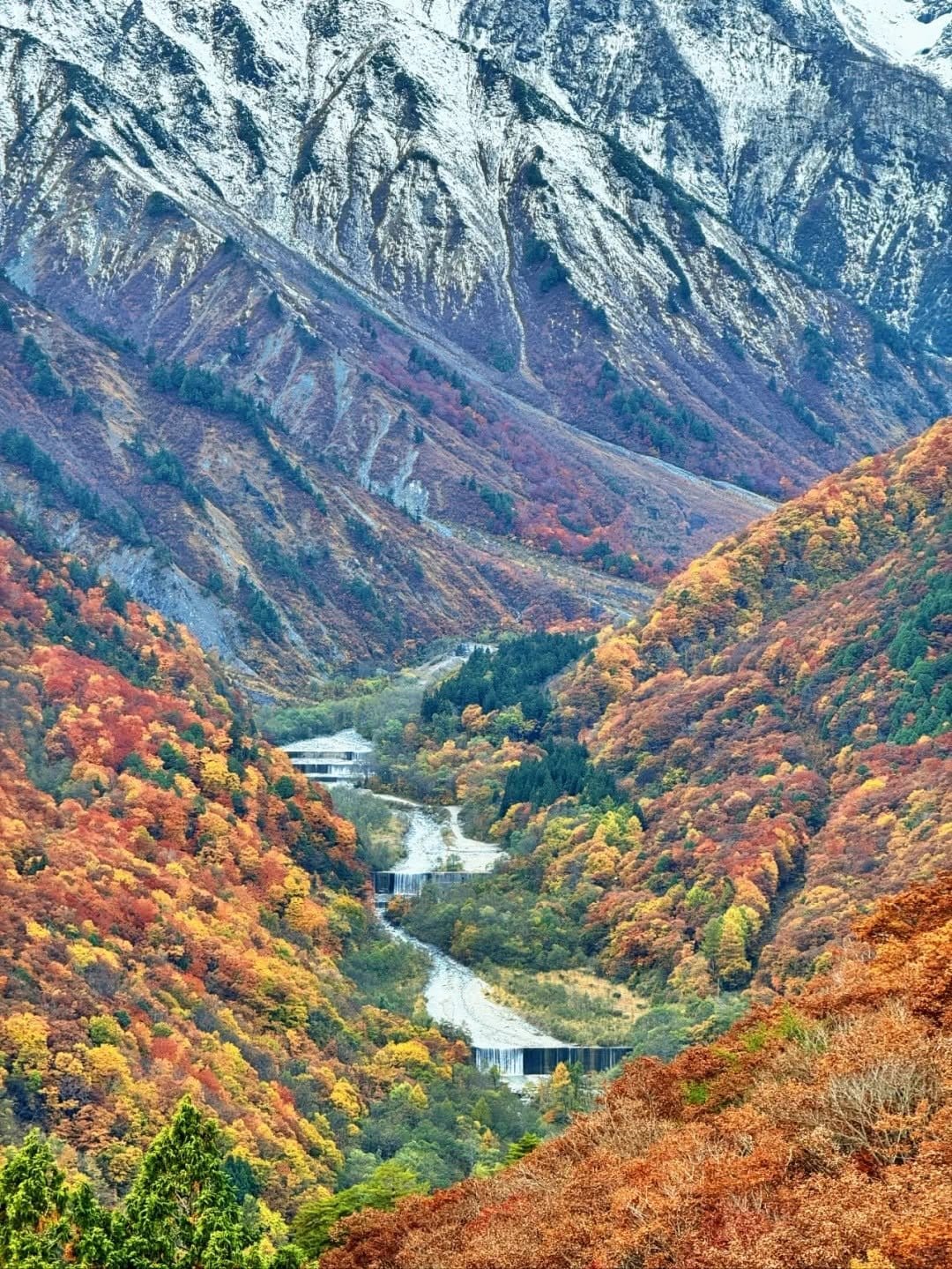
Pairing Autumn Hakuba with Kamikochi, Matsumoto, Togakushi, and the Alpine Route in 3–5 Days
18 min · tips
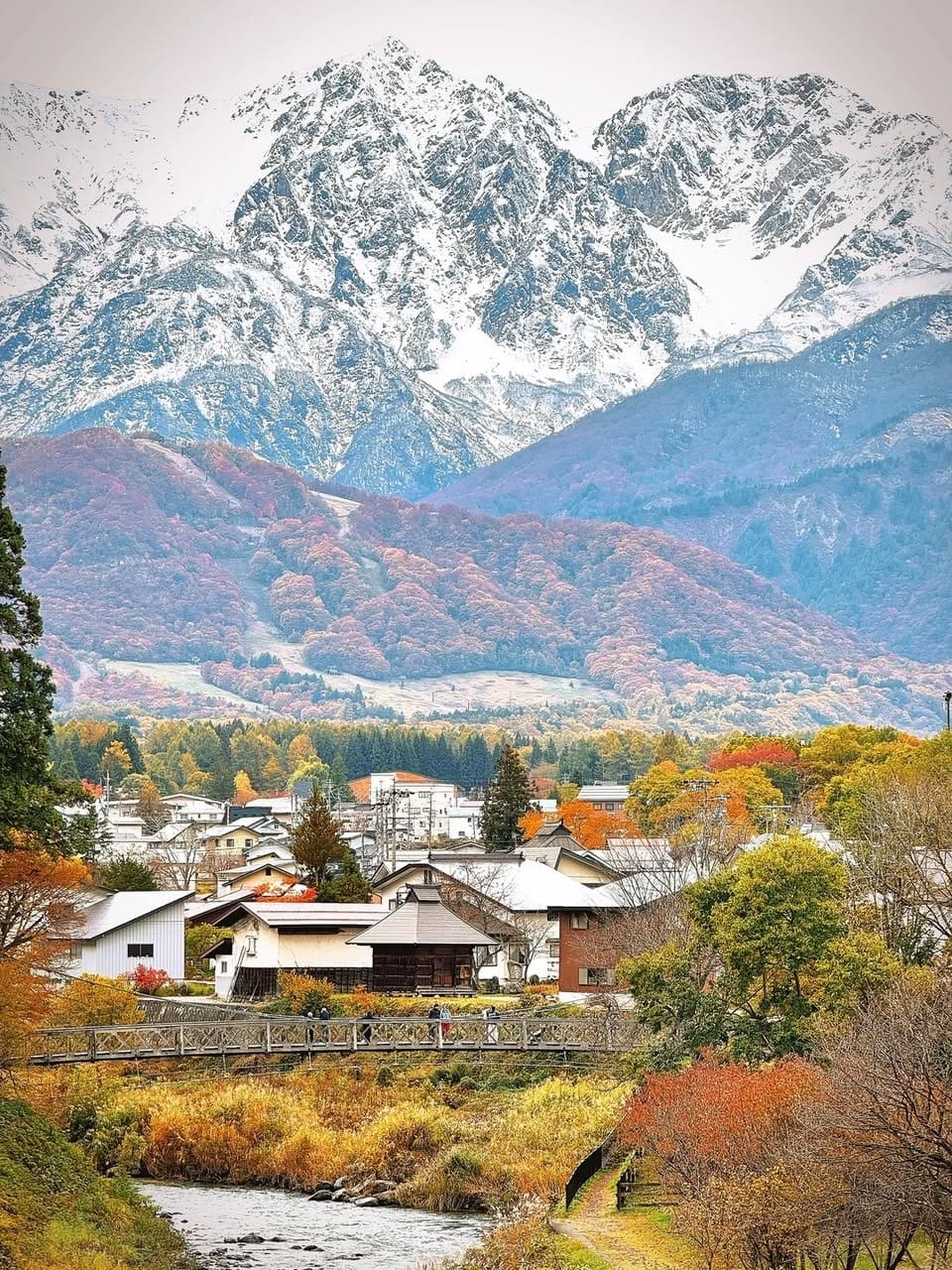
Alkaline Onsen in Hakuba: Four Baths for an Autumn Afternoon After Hiking
17 min · tips
Chasing Autumn Colors in Hakuba: 10 Frames and the Golden Hours for Shooting
22 min · tips