

Chubu Travel Guide: Takayama, Shirakawa-go, Kanazawa, and the Japan Alps
Complete Chubu travel guide: From Nagoya to historic Takayama, Shirakawa-go village, Kanazawa's Kenrokuen Garden, Tateyama Kurobe Alpine Route, and the Kiso Valley.
Aug 8, 2026·✍️ olablog·⏱ 10 min read
Complete Chubu travel guide: From Nagoya to historic Takayama, Shirakawa-go village, Kanazawa's Kenrokuen Garden, Tateyama Kurobe Alpine Route, and the Kiso Valley.
Tap a region to browse articles
Squeezed between the twin powerhouses of Tokyo (東京) and Osaka (大阪), the Chubu (中部) region in central Honshu is all too often zoomed past by tourists riding the bullet train. That is a massive loss, because this area harbors the finest imagery of "classic Japan": the thatched-roof village of Shirakawa-go (白川郷), the historic streets of Takayama (高山) fragrant with sake, the breathtaking Kenrokuen Garden (兼六園) in Kanazawa (金沢), and the towering snow walls along the Tateyama Kurobe Alpine Route (立山黒部アルペンルート). This guide will help you connect all these highlights into one seamless, unforgettable journey.
Nagoya and the Kiso Valley — The Southern Gateway
Nagoya (名古屋) is Japan’s fourth-largest city and the natural entry point into Chubu: Chubu Centrair International Airport (中部国際空港) offers convenient international flights, while Nagoya Station (名古屋駅) sits directly on the Tokaido Shinkansen (東海道新幹線) line. Within the city itself, you will find Nagoya Castle (名古屋城) crowned by its iconic golden shachihoko (tiger-headed carp) ornaments, Atsuta Shrine (熱田神宮)—one of Central Japan’s most sacred Shinto shrines—and a distinct local culinary culture known as nagoya-meshi. Local specialties include hitsumabushi (grilled eel served three ways in a single meal, around ¥3,000–¥5,000 / $20–$33 USD), crispy tebasaki (chicken wings), and rich miso nikomi udon cooked in clay pots.
Heading north from Nagoya into the mountains brings you to the Kiso Valley (木曽谷), home to the historic Nakasendo Trail (中山道) connecting the Edo-period post towns of Magome (馬籠) and Tsumago (妻籠), both meticulously preserved in their original state. The classic 8-kilometer (5-mile) trail winds through lush forests, past gentle waterfalls, and alongside charming wooden houses, taking about three hours to complete at an easy pace. Baggage transfer services between the two villages allow you to hike light without luggage. It is the most authentic way to experience a literal step back in time without entering a film set.
Takayama and Shirakawa-go — The Mountain Heart of Hida
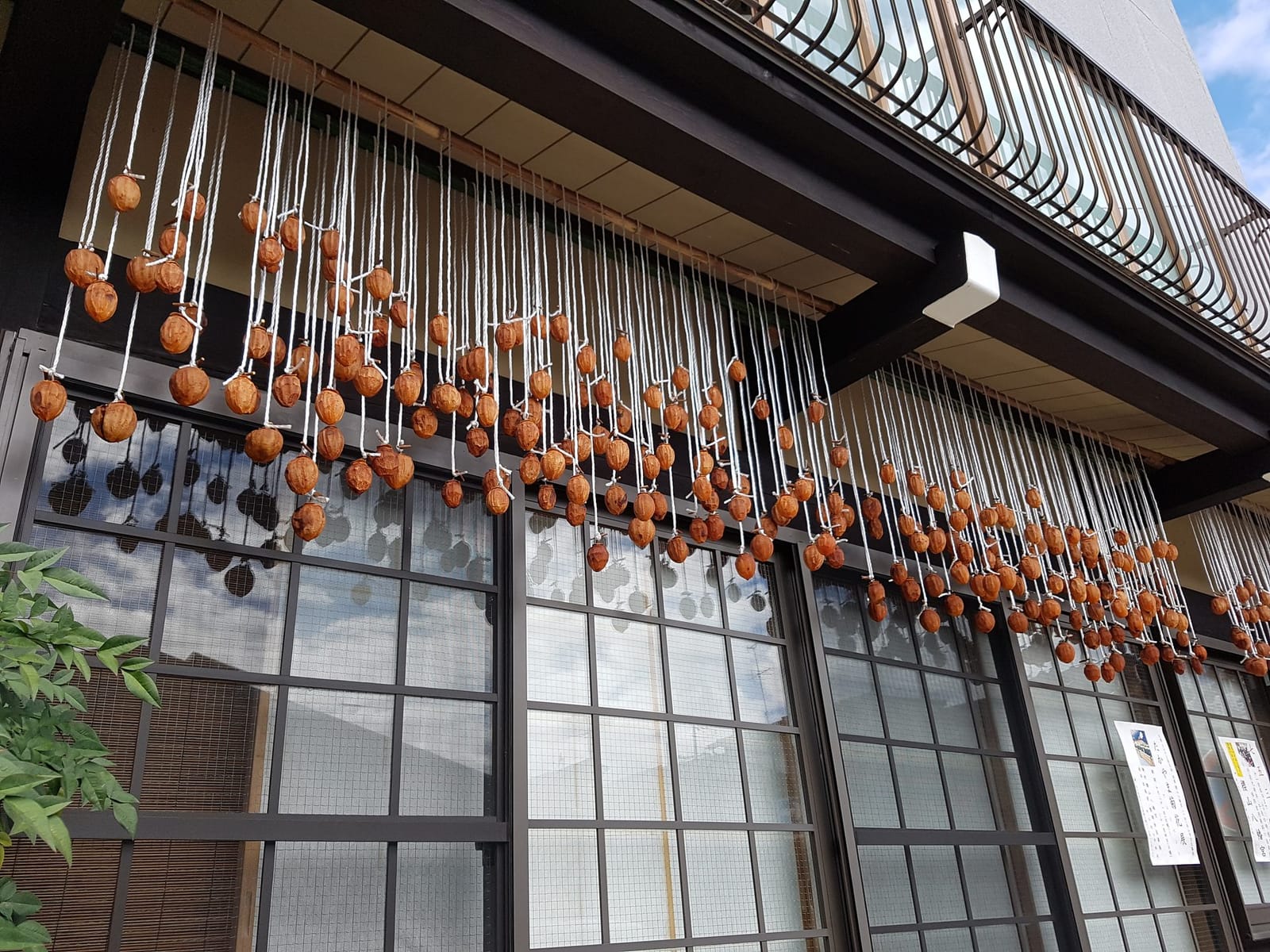
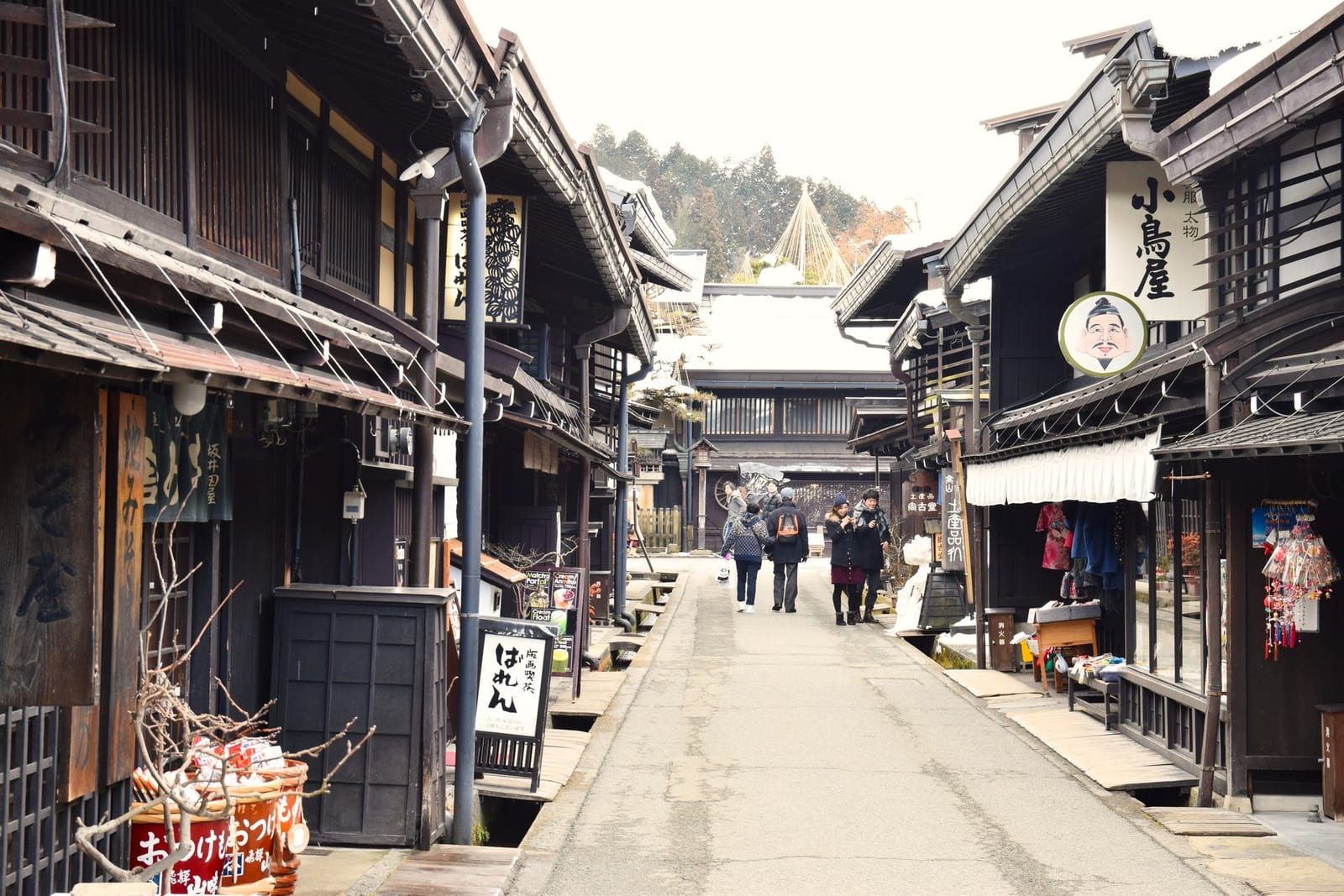
Nestled deep in the mountains of Hida (飛騨), Takayama (高山) preserves its historic Sanmachi Suji (三町筋) district lined with dark wooden merchant houses from the Edo period. Today, these structures house artisanal sake breweries marked by cedar balls (sugidama) hanging above their doorways, local miso shops, and street stalls serving grilled Hida beef (飛騨牛) skewers—the lesser-known sibling of Kobe beef that rivals it in marbling and tender quality, ranging from casual skewers for a few hundred yen ($3–$5 USD) to lavish multi-course steak dinners exceeding ¥10,000 ($67 USD). Every morning, two vibrant markets—Miyagawa Morning Market (宮川朝市) and Jinya-mae Morning Market (陣屋前朝市)—operate from around 7:00 AM, selling fresh mountain produce and local handicrafts made by regional farmers. If you visit in mid-April or mid-October, you will witness the famed Takayama Festival (高山祭), featuring exquisitely carved, gold-leaf-adorned float processions ranked among the most beautiful in all of Japan.
About 50 minutes by express bus from Takayama, Ogimachi Village (荻町) in Shirakawa-go (白川郷) is the largest remaining cluster of gassho-zukuri (合掌造り) farmhouses. These iconic steep-pitched thatched roofs resemble hands folded in prayer to withstand heavy winter snowfalls, with many structures dating back over 250 years and earning UNESCO World Heritage status. Climbing up to the Shiroyama Viewpoint (城山展望台) rewards you with a panoramic sight of the entire village nestled in the valley like a traditional ink-wash painting, looking its most magical when blanketed in snow from January to February. Pro tip: Arrive before 9:00 AM or after 3:00 PM to dodge the peak tour bus crowds, book your highway bus seats well in advance, and if possible, spend a night in an authentic gassho farmhouse (around ¥10,000–¥15,000 / $67–$100 USD per person including a home-cooked dinner).
Kanazawa and the Tateyama Kurobe Alpine Route
Kanazawa (金沢) was the second-wealthiest feudal domain in Japan during the Edo period and miraculously escaped wartime destruction, leaving its rich heritage intact: the Nagamachi Samurai District (長町武家屋敷跡), the Higashi Chaya Geisha District (東茶屋街) with its dark wooden tea houses, and above all, Kenrokuen Garden (兼六園)—revered as one of Japan’s "Three Great Gardens," famed for its iconic Kotoji-toro stone lantern overlooking the pond and the conical yukitsuri rope supports that protect the pine trees during winter snows. The city also produces over 90% of Japan’s gold leaf—do not miss trying a soft-serve ice cream cone wrapped in a full sheet of edible gold leaf—and hosts the 300-year-old Omicho Market (近江町市場), where you can feast on decadent kaisendon (seafood rice bowls) for around ¥2,000–¥3,500 ($13–$23 USD). The Hokuriku Shinkansen (北陸新幹線) connects Tokyo and Kanazawa in just about 2.5 hours.
Starting from Toyama (富山) adjacent to Kanazawa, the Tateyama Kurobe Alpine Route (立山黒部アルペンルート) traverses the Northern Japan Alps to Nagano (長野) using a seamless series of cable cars, trolley buses, ropeways, and mountain funiculars reaching elevations of nearly 2,500 meters (8,200 feet). The ultimate highlight is the "Snow Wall" canyon of Yuki-no-Otani (雪の大谷), a road carved through towering snow walls that can reach up to 20 meters high, open from mid-April through June. In summer and autumn, the massive Kurobe Dam (黒部ダム) discharges torrents of water creating brilliant rainbows against the dramatic mountain backdrop. The full route is open from mid-April to late November, with traverse tickets costing roughly ¥9,000–¥13,000 ($60–$87 USD) depending on the selected section.
Best Time to Visit
Chubu boasts two distinct peak travel seasons. Late spring (mid-April to June) brings the dramatic opening of the Tateyama snow walls, late-blooming cherry blossoms across the higher mountain elevations, and the vibrant Takayama Spring Festival—making it the most action-packed window for sightseeing. Winter (December to February) is tailored for photography enthusiasts chasing snowy postcard scenes of Shirakawa-go and the conical yukitsuri ropes of Kenrokuen, though you must prepare for severe cold weather and reserve long-distance buses far in advance.
Autumn (late October to mid-November) delivers striking autumn foliage that blazes in unison across the Kiso Valley and up through the Alpine Route. Summer offers much cooler weather than the southern plains, making it ideal for trekking the historic Nakasendo Trail. Be sure to avoid Golden Week (late April to early May) unless you are prepared for lengthy lines everywhere you go.
Regional Culinary Highlights
Chubu’s culinary landscape is deeply tied to its rugged topography: marbled Hida beef in Takayama, refreshing cold soba noodles in the Kiso mountains, salt-grilled ayu (sweetfish) caught from clean rivers, and deep, savory red miso dishes surrounding Nagoya. In Shirakawa-go, a classic minshuku (family-run guesthouse) dinner features grilled mountain vegetables, local river fish, and Hida beef cooked over a fragrant dried magnolia leaf (hoba miso)—simple, comforting mountain cuisine. On the coastal side, Kanazawa represents the riches of the Sea of Japan: winter snow crab, sweet shrimp, fresh seafood bowls at Omicho Market, and some of the most refined wagashi (traditional Japanese confectionery) culture in the nation.
Do not forget to sample the local sake: pure snowmelt flowing from the Japan Alps feeds legendary sake breweries throughout Takayama and Kanazawa, many of which welcome visitors for tastings costing just a few hundred yen ($2–$4 USD).
How to Get Around
The foundational transit route for this region forms a classic triangle: Nagoya – Takayama – Kanazawa. Take the JR Limited Express Hida train from Nagoya up to Takayama (roughly 2.5 hours along one of Japan's most scenic riverside railway routes), ride highway express buses connecting Takayama to Shirakawa-go and Kanazawa, and return via the Hokuriku Shinkansen from Kanazawa to Tokyo. This allows you to easily enter from one end (Tokyo or Nagoya/Osaka) and depart from another without back-tracking—one of Chubu’s greatest logistics advantages. You can use your IC card (like Suica or Pasmo) for local transit within major cities like Nagoya or Kanazawa.
For rail passes, the Takayama-Hokuriku Area Tourist Pass (around ¥20,000 / $133 USD for 5 consecutive days) covers this exact travel triangle including the required highway bus to Shirakawa-go, making it perfect if you arrive in Nagoya and depart from Osaka/Kyoto (or vice versa). If your travel originates and ends in Tokyo, consider the Hokuriku Arch Pass or a national JR Pass if taking a wider journey. Note that the Tateyama Kurobe Alpine Route and the Kiso Valley require individual tickets outside these regional passes. In smaller mountain towns, local bus services run infrequently—always verify the final departure schedule before leaving the station area.
Suggested Itinerary
Classic 5-Day Itinerary: Day 1: Arrive in Nagoya (名古屋), enjoy hitsumabushi, and visit Nagoya Castle (名古屋城). Day 2: Take the Limited Express Hida train to Takayama (高山), spend the afternoon strolling Sanmachi Suji (三町筋), and enjoy a Hida beef dinner. Day 3: Explore Miyagawa Morning Market (宮川朝市), take the highway bus to Shirakawa-go (白川郷), and continue to Kanazawa (金沢) in the late afternoon. Day 4: Full day in Kanazawa exploring Kenrokuen Garden (兼六園), the Nagamachi Samurai District (長町武家屋敷跡), Omicho Market (近江町市場), and Higashi Chaya (東茶屋街). Day 5: Return to Tokyo via the Hokuriku Shinkansen (北陸新幹線), or detour to the Tateyama Kurobe Alpine Route (立山黒部アルペンルート) if visiting during its open season (add 1 day). If you have 7 days, add an overnight minshuku stay in Shirakawa-go and a day hiking between Magome (馬籠) and Tsumago (妻籠) on your return loop to Nagoya.
You can easily design your trip following the framework above, or let OlaChill's Japan Tours handle the complex bus reservations and traditional village guesthouse bookings that typically sell out months in advance during peak season; additional mountain travel tips are available on the OlaChill Blog.
Chubu is ultimate proof that Japan's most breathtaking treasures do not sit directly on the crowded main shinkansen line, but rather in hidden valleys that require changing trains and switching to local buses. Ultimately, that scenic detour becomes the most unforgettable highlight of your journey.
More from this region — Chubu (Nagano, Kanazawa)
View all →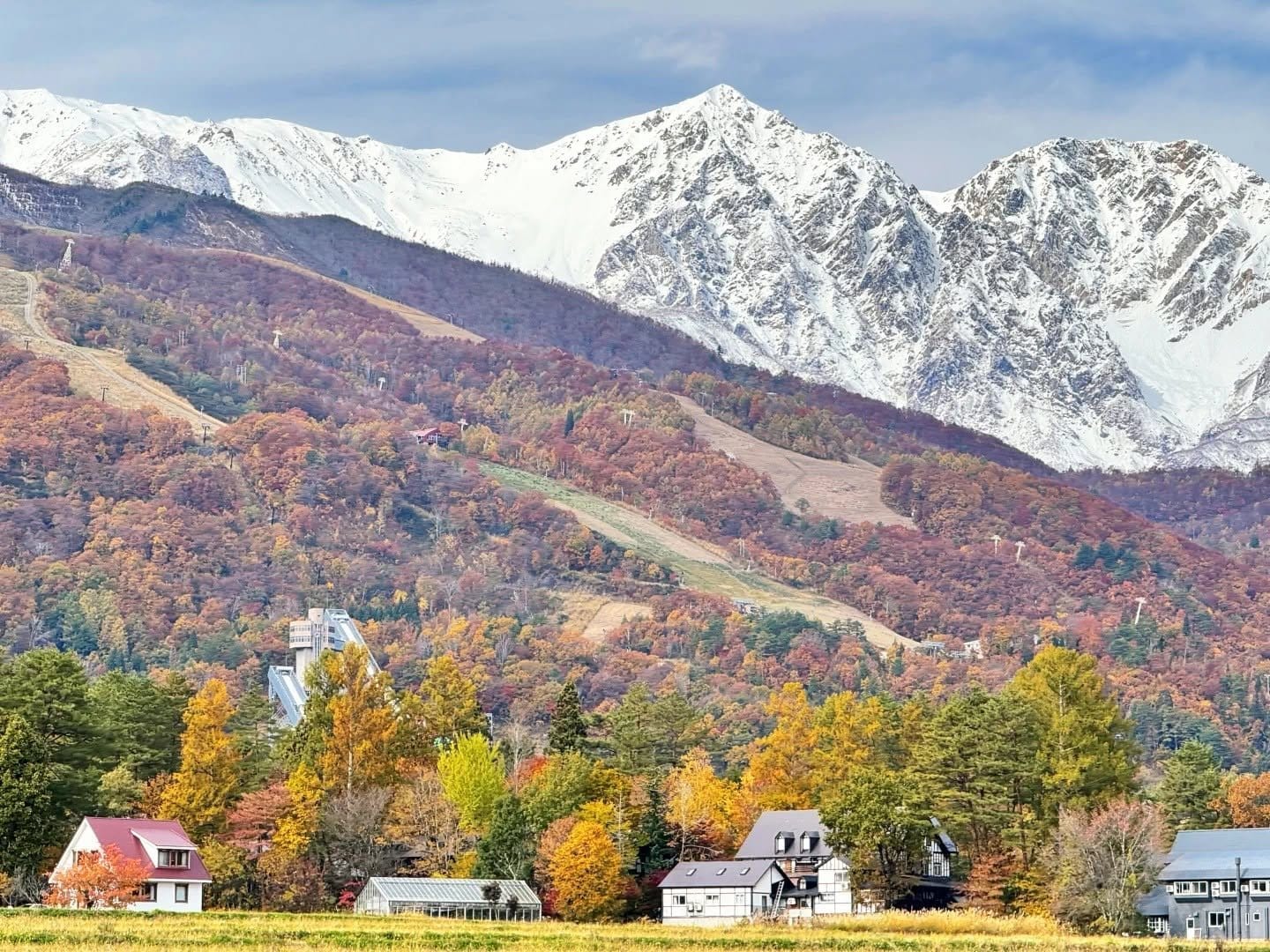
A Fall Day in Hakuba: Happo-ike in the Morning, Golden Valley Views from Iwatake in the Afternoon
18 min · tips
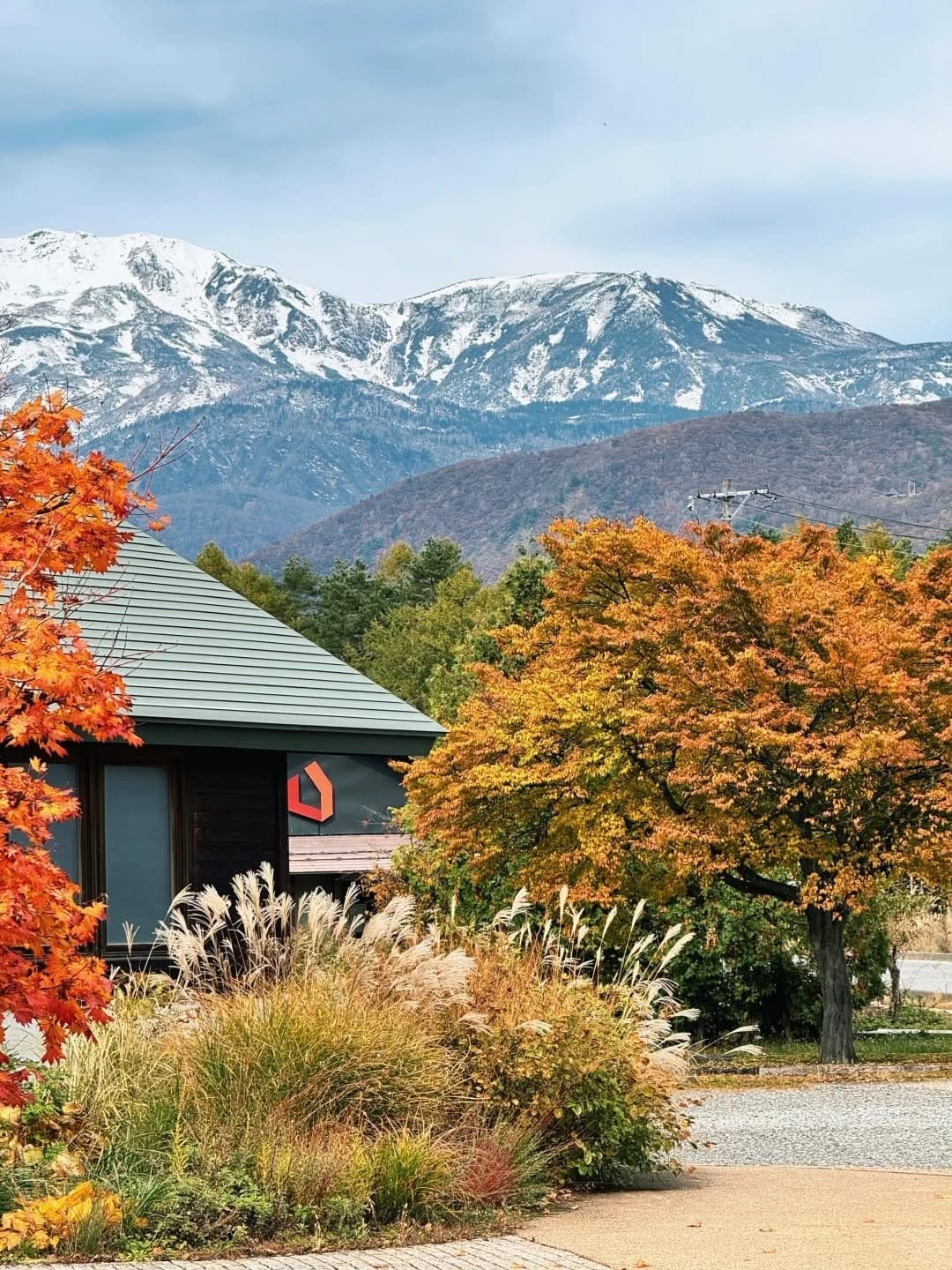
Hakuba in 2 Days, 1 Night in Autumn: Three Types of Accommodation and How to Plan Your Schedule
20 min · tips
Hakuba in Autumn: Getting There, Lift Tickets, and the Final Operating Day
19 min · tips
Hakuba in Autumn: Choose the Right Dates for Fewer Crowds and Much Lower Prices
18 min · tips