
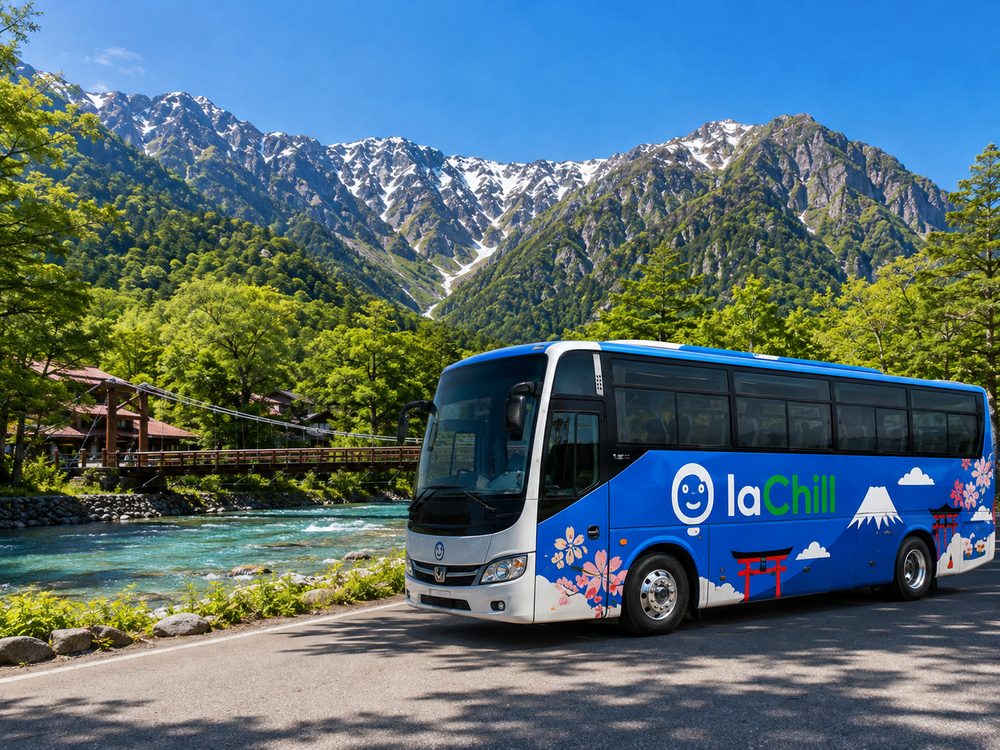
Hiring a 45-Seat Charter Bus in Nagoya: A Practical Group Travel Guide
Plan a smooth Nagoya group trip with a 45–50-seat charter coach, including pickup points, parking, routes, pricing and peak-season tips.
Aug 21, 2026·✍️ olablog·⏱ 9 min read
Plan a smooth Nagoya group trip with a 45–50-seat charter coach, including pickup points, parking, routes, pricing and peak-season tips.
Tap a region to browse articles
Nagoya is one of Japan’s best bases for group travel. It has a major Shinkansen station, excellent highways, and easy access to destinations across central Japan. However, moving a large group by train can become complicated when everyone has luggage, the itinerary includes several stops, or the destination is outside the city.
A 45–50-seat full-size coach offers a practical solution. Your group can travel together with a professional Japanese driver, keep the same vehicle throughout the day, and avoid coordinating multiple taxis or local trains.
This guide explains what to know before chartering a large coach in Nagoya, from central pickup arrangements and parking to popular day-trip routes, estimated costs, and busy-season planning.
Why choose a 45–50-seat coach in Nagoya?
A full-size coach is designed for large groups, school groups, corporate trips, cruise excursions, wedding parties, and multi-generational holidays. Depending on the vehicle layout, it can carry around 45–50 passengers, although the usable capacity may be lower when everyone has large suitcases.
The main advantages include:
- One vehicle and one meeting point for the entire group
- A licensed Japanese operator familiar with local roads and regulations
- Easier handling of luggage than using several smaller vehicles
- Direct travel to attractions, hotels, restaurants, and event venues
- More flexibility for destinations with limited public transportation
- A comfortable base between sightseeing stops
A large coach is particularly helpful when your itinerary combines Nagoya with places such as Inuyama, Gifu, Ise, or the Chubu Centrair International Airport area.
Is a full-size coach the right vehicle?
The best vehicle depends on your headcount, luggage, route, and road access. A group of 35 people may still prefer a 45-seat coach if there are many suitcases or if extra seating space is important.
| Vehicle type | Best for | Main consideration |
|---|---|---|
| 45–50-seat full-size coach | Large groups, long day trips, airport transfers, multi-stop tours | Requires suitable roads, loading areas, and bus parking |
| 25–35-seat mid-size coach | Medium-sized groups and narrower regional roads | Less luggage and seating capacity |
| 10–20-seat minibus | Small groups, compact city itineraries, flexible access | Not suitable for a large group traveling together |
Before booking, provide the expected number of passengers, suitcase count, and any bulky items such as golf bags, sports equipment, or mobility aids.
Central pickup points in Nagoya
Nagoya Station is the most convenient meeting area for many international groups. It connects directly with the Shinkansen, conventional rail lines, subway services, and nearby hotels. However, a coach cannot necessarily stop wherever a private car or taxi can.
The station area has busy traffic, limited curb space, and designated loading rules. Your operator may arrange pickup on a suitable side of the station, at a nearby hotel, or at an approved coach loading area. The exact location should be shared with your group in advance because Nagoya Station has several exits and large pedestrian areas.
Other useful pickup zones may include:
- Hotels around Nagoya Station
- Sakae, the city’s central shopping and entertainment district
- Kanayama, which has strong rail connections and convenient hotel access
- Nagoya Castle area, when the itinerary begins with sightseeing
- Large hotels, convention venues, and restaurants with coach access
When choosing a pickup point, check whether the coach can enter the hotel driveway, whether the group can wait indoors, and whether luggage can be loaded safely without blocking traffic. A hotel’s taxi entrance is not automatically suitable for a full-size bus.
Bus parking and waiting arrangements
Parking is one of the most important details in a Nagoya coach itinerary. A large bus generally cannot wait on a public street while passengers finish breakfast, shopping, or sightseeing. It may need to use a designated bus parking facility or move to another location after drop-off.
Your itinerary should distinguish between:
- Pickup and drop-off: A short loading or unloading stop
- Waiting: The coach remains nearby while the group visits an attraction
- Parking: The vehicle stays in an approved space for a planned period
Attractions, hotels, restaurants, and shopping facilities may each have different coach procedures. Some require advance reservations, while others only permit buses to stop at specific times. Popular sightseeing areas can become especially difficult during weekends, public holidays, and school excursion periods.
Ask the operator to confirm:
- Whether bus parking is available at each major stop
- If reservations are required
- Parking charges and whether they are included in the quote
- The walking distance from the bus area to the entrance
- A backup meeting point in case the first location is busy
For city sightseeing, it may be more efficient to drop passengers near an attraction, park elsewhere, and arrange a later pickup. This can reduce idle time and make the schedule more realistic.
Popular full-day routes from Nagoya
A charter coach makes it possible to build a route around your group rather than around train timetables. These are several popular planning ideas.
Nagoya city highlights
A city itinerary might include Nagoya Castle, Atsuta Jingu, the Toyota Commemorative Museum of Industry and Technology, Osu, Sakae, and the SCMAGLEV and Railway Park. Not every group needs all of these stops, so select two or three major attractions and allow time for meals and traffic.
This option works well for first-time visitors, conference groups, and families staying in central Nagoya.
Inuyama and Gifu
Inuyama is known for its historic castle town, traditional streets, and riverside setting. It can be paired with Gifu or another attraction in the region, depending on opening times and the group’s interests.
A coach is useful here because it allows the group to travel directly from Nagoya hotels without changing trains or carrying luggage through stations.
Toyota-related attractions and regional sightseeing
Groups interested in engineering and Japanese manufacturing can visit Toyota-related museums and exhibitions, then continue to nearby cultural or scenic stops. Confirm the exact access and parking arrangements for each facility before finalizing the route.
Ise and the surrounding area
Ise Jingu is a popular longer excursion from Nagoya. A charter bus provides a comfortable way to manage the journey, particularly for groups with older travelers or a full schedule. Allow generous time for highway traffic, shrine visits, meals, and the return journey.
Shirakawa-go or the Japanese Alps
Shirakawa-go is a rewarding but demanding day trip from Nagoya. The distance, mountain roads, seasonal weather, and limited parking mean that the itinerary should not be overloaded with additional stops. A full-size coach may need to follow designated parking and access rules near the village.
Price for a 10-hour charter day
OlaChill's standard price for a 45-seat coach is ¥99,000 for a 10-hour day (29 seats ¥69,000, 60 seats ¥129,000), with extra hours at ¥15,000 each. Expressway tolls, parking, and the driver's meals and lodging on overnight trips are billed separately.
| Coach | Seats | 10-hour day |
|---|---|---|
| Medium bus | 29 | ¥69,000 |
| Large coach | 45 | ¥99,000 |
| Extra-large coach | 60 | ¥129,000 |
Your written quote lists tolls, parking and any extra hours for your actual route before you book.
Tips for peak travel periods
Demand for large coaches rises during cherry blossom season, Golden Week, summer holidays, autumn foliage, and the period from mid-November to early December. Major events, concerts, trade shows, and school trips can also reduce availability.
To improve your chances of securing the right vehicle:
- Request a quote as early as possible
- Keep your pickup and drop-off information accurate
- Share a realistic passenger and luggage count
- Build extra time into routes with several attractions
- Confirm bus parking before promising exact stop times
- Prepare an indoor meeting point for rainy days
- Give passengers clear instructions about where and when to regroup
- Consider starting earlier for popular attractions
- Keep the itinerary flexible around highway traffic
A 45–50-seat coach is most comfortable when the schedule is practical. Fewer well-planned stops are usually better than trying to cover every attraction in one day.
How to prepare your booking request
For a smooth quotation, include:
- Travel date and preferred departure time
- Number of passengers
- Number and approximate size of suitcases
- Pickup hotel, station, airport, or venue
- Destinations and planned sightseeing stops
- Expected return time
- Any wheelchair, child-seat, or accessibility requirements
- Whether you need airport transfer, one-way service, or a full-day charter
Request a free quote through OlaChill’s Japan charter bus form; the team replies within 24 hours.
FAQ
Can a 45-seat coach pick up passengers directly at Nagoya Station?
Usually, pickup must take place at an approved loading area or a nearby hotel rather than anywhere passengers choose along the station frontage. The operator will confirm the practical meeting point for your route.
Does the quoted charter price include bus parking and highway tolls?
Not always. Parking, tolls, driver accommodation, and special operating conditions may be handled separately depending on the itinerary. Review the itemized quote and ask which costs are included.
Is a full-size coach suitable for narrow streets and mountain destinations?
It depends on the destination and access roads. A 45–50-seat coach is ideal for highways and major attractions, but some historic districts, mountain roads, and small hotel entrances may require a different vehicle or a designated transfer point.
How much luggage can the coach carry?
The luggage compartment is substantial, but capacity varies by vehicle. Tell the operator how many suitcases and oversized items your group has so the vehicle can be selected appropriately.
Can we change the itinerary during the day?
Small adjustments may be possible, but additional hours, parking restrictions, traffic, and driver regulations must be considered. A realistic itinerary agreed in advance gives your group the smoothest experience.
More from this region — Chubu (Nagano, Kanazawa)
View all →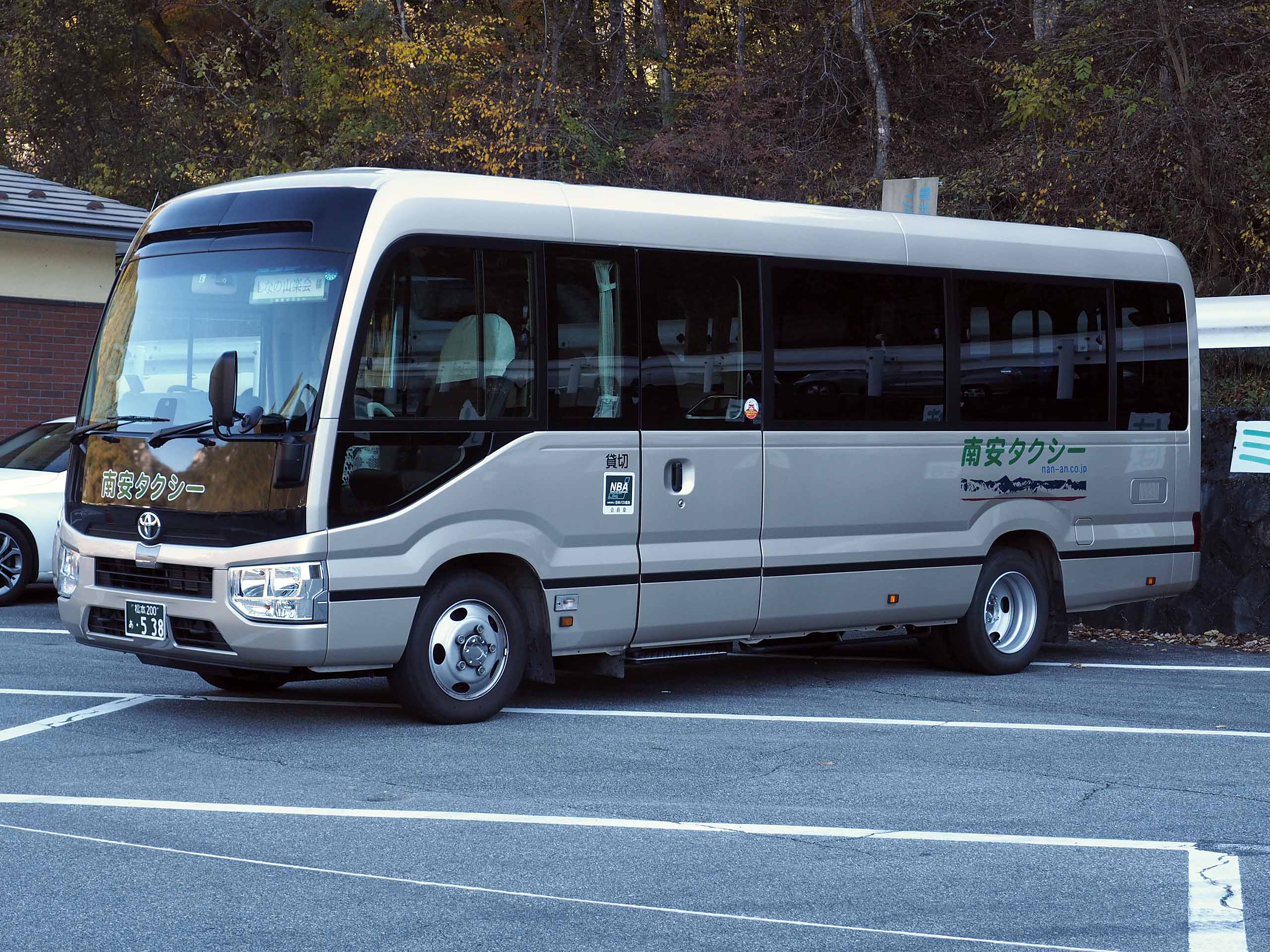
Chubu Nagoya Airport Transfers by 29-Seat Minibus
8 min · tips

Chubu Travel Guide: Takayama, Shirakawa-go, Kanazawa, and the Japan Alps
10 min · destinations
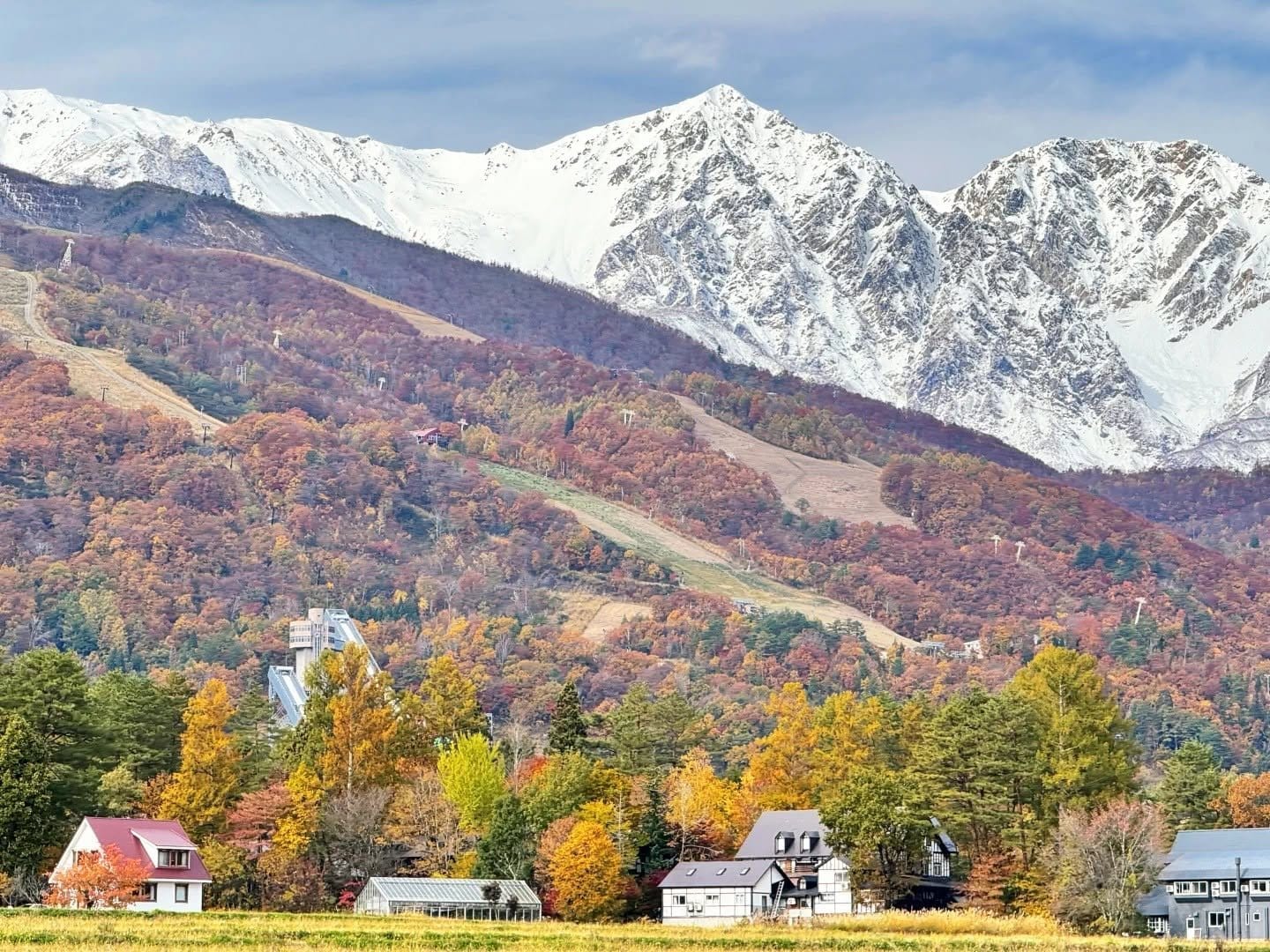
A Fall Day in Hakuba: Happo-ike in the Morning, Golden Valley Views from Iwatake in the Afternoon
18 min · tips
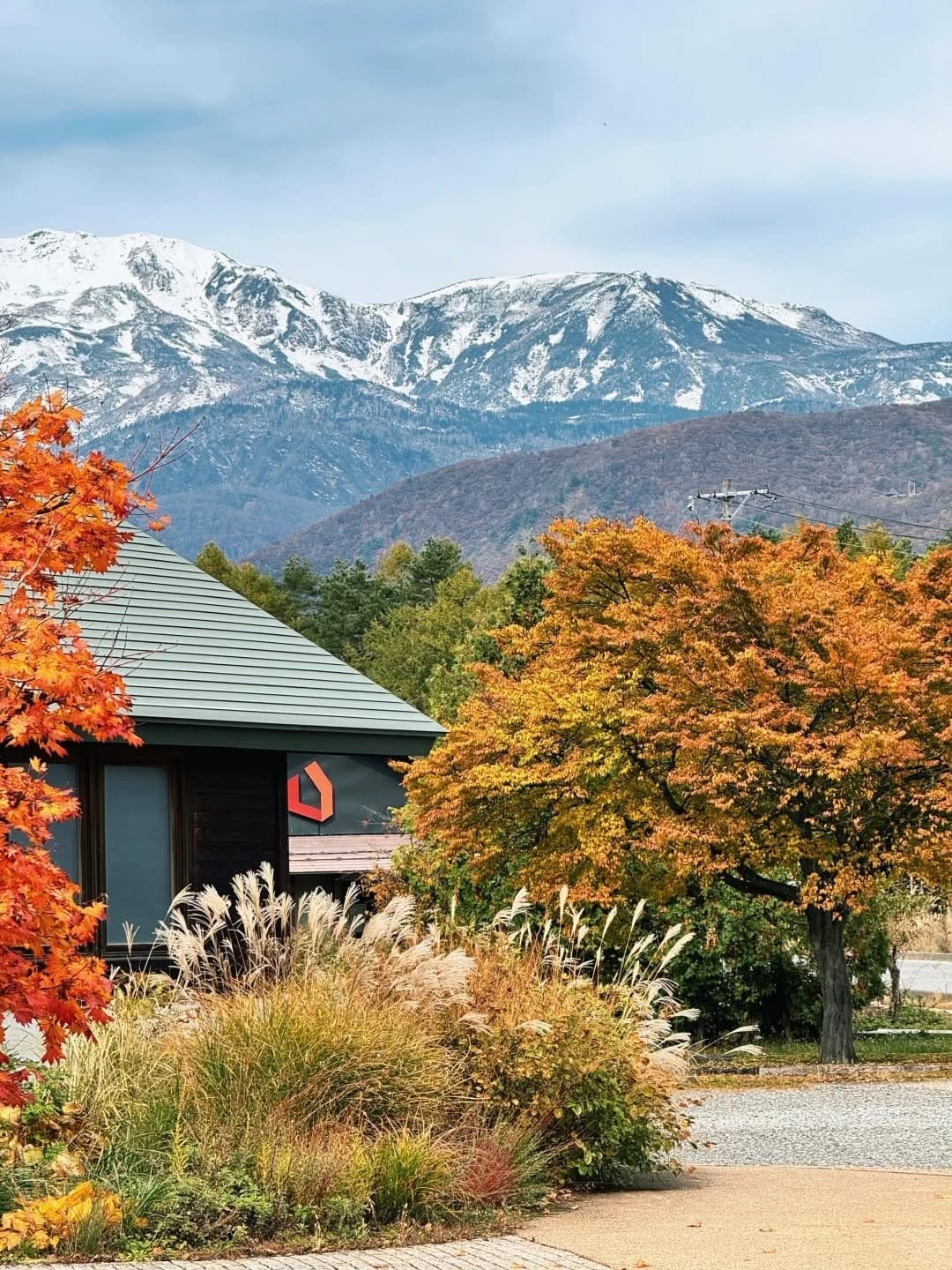
Hakuba in 2 Days, 1 Night in Autumn: Three Types of Accommodation and How to Plan Your Schedule
20 min · tips