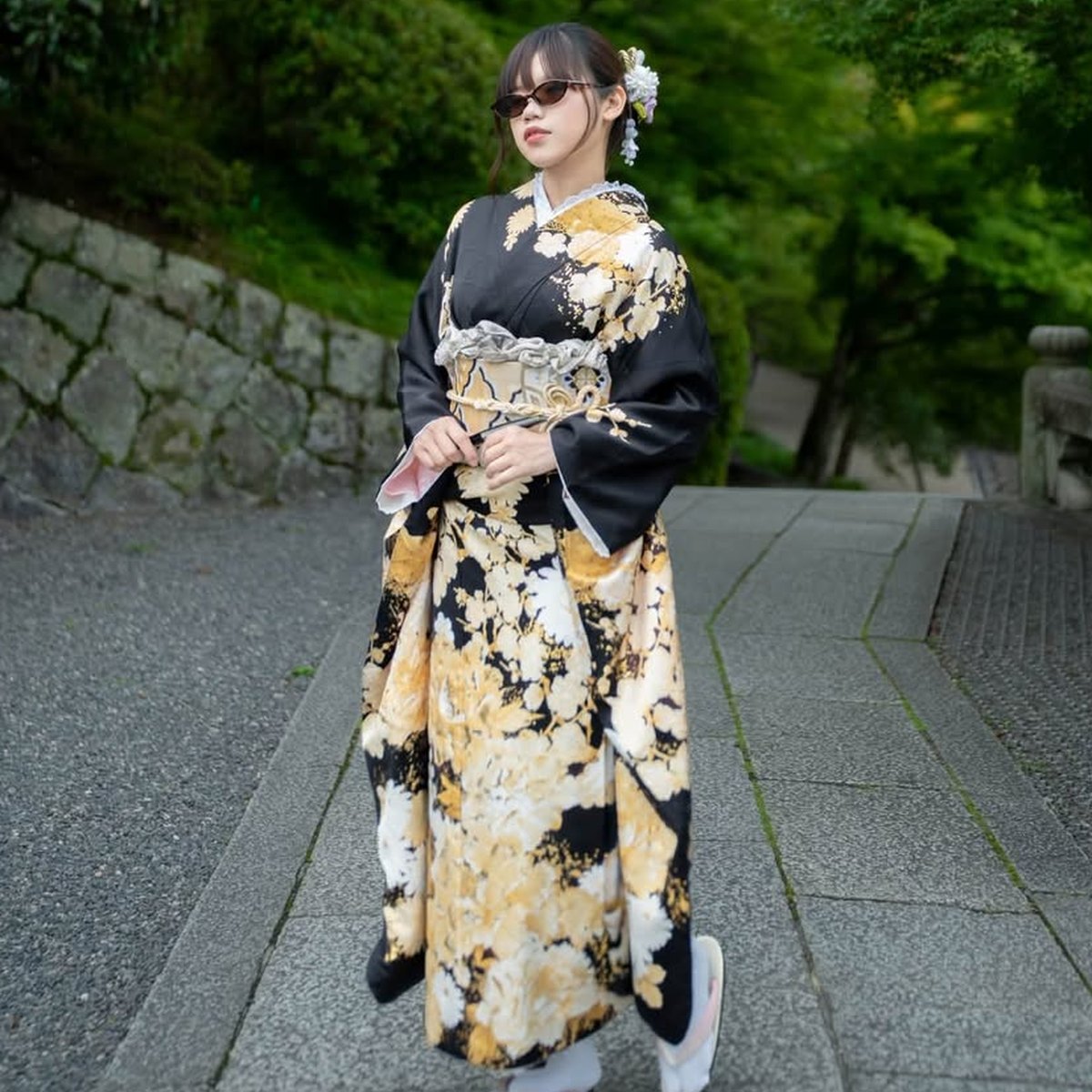
Walking All Day in Zori and Kimono: Comfort Tips That Actually Work
How to walk all day in zori and a kimono without blisters or a loose obi: step length, stairs, the strap, tabi choice, where to rest and what to do if it hurts.
Sep 14, 2026·✍️ olablog·⏱ 6 min read
How to walk all day in zori and a kimono without blisters or a loose obi: step length, stairs, the strap, tabi choice, where to rest and what to do if it hurts.
Most kimono-day discomfort is not the kimono; it is the feet. Zori (flat thonged sandals worn with tabi socks) and geta (the wooden version worn with yukata) put a strap between the first two toes, an open back and a flat sole on you, and then a temple town puts three kilometres of stone under that. It is entirely manageable with a few habits, and the guests who finish the day happy are the ones who learned them in the first ten minutes. Here they are.
How to walk
| Habit | Why |
|---|---|
| Short steps, about half your normal stride | The kimono hem closes below the knee; a long stride pulls the front open and works the obi loose |
| Feet slightly pigeon-toed, weight on the ball | Keeps the sandal on the foot and the hem straight |
| Slide the foot forward rather than lifting it high | Zori have no heel strap; a high lift lets the sandal slap and the heel drop |
| Let the heel hang 1 to 2 cm over the back of the sole | That is how zori are sized; a heel inside the sole means the sandal is too big |
| Hem in the outside hand on stairs and kerbs | Stops the front panel catching a toe |
The kimono-wearing rules guide covers posture and sitting; this one is about the feet.
Stairs
Up: place the whole foot on the step, heel first if the step is deep enough, and take one step at a time. Down: toe first, sideways if the steps are narrow or wet, hand on the rail. Sannenzaka in Kyoto, the Kiyomizu-dera approach and the Fushimi Inari flights are the tests; the Fushimi Inari in kimono guide sets the sensible turnaround point.
The strap and blisters
The strap (hanao) rubs between the toes and on the top of the foot. Three defences:
- Tabi that fit. Cotton tabi are provided; if your foot is between sizes, take the larger. Tabi with a thin cushioned sole exist and are worth buying at a hundred-yen shop for a long day.
- Blister plasters before, not after. One between the big and second toe, one on the top of the foot where the strap crosses, before you put the tabi on. It takes two minutes and prevents the injury most guests get.
- Loosen the strap. A new hanao is stiff; the shop staff can work it looser in a minute. Ask.
If a blister forms anyway: stop, plaster it, and walk with the strap slightly further forward between the toes. Ask the shop for a different pair if the strap is cutting.
Geta versus zori
Geta, the wooden sandals with yukata, are louder and higher, and their two teeth need a flat surface. On gravel, cobbles and wet stone they are harder to walk in than zori. If you are renting a yukata (¥4,500) for a day with a lot of walking, ask whether a flat pair is available; for a fireworks evening on pavement, geta are fine.
Where to rest, and how
Sit forward on the edge of a bench with the back straight, knees together, feet flat; this rests the legs without crushing the obi knot. Every hour is a good rhythm. In Kyoto's Higashiyama: Maruyama Park benches, Kōdai-ji's tea room, the Yasaka Shrine steps. In Asakusa: Sumida Park, the benches by the Asakusa Culture and Tourism Center, any cafe on Denboin-dori. A tea ceremony in the afternoon (matcha and tea ceremony local experience) is a rest disguised as an activity.
Realistic distances
- Two hours in zori: comfortable for anyone.
- Four hours with rests: normal kimono day.
- Six hours: possible with plasters, cushioned tabi and a lunch sitting down.
- Hiking, mountain paths, the upper half of Fushimi Inari, Enoshima's stairs: no.
When the obi loosens
It happens when you take long strides, slump in a chair or reach up. Signs: the front panel gapes, the collar drops, the hem lengthens. Fix: go back to the shop (five minutes to retie), or ask any kimono rental shop nearby; dressers help each other's guests. Prevent it by sitting forward and keeping steps short.
Plan your day around your feet
- Plasters on before dressing
- Ask the dresser to loosen the strap
- Longest walking in the morning while feet are fresh
- Sit-down lunch at the halfway point
- A cafe stop every hour in the afternoon
- Return by 18:00 with feet intact, or add next-day return (+¥1,100) and change into your own shoes for the evening
Checklist
- Blister plasters (two per foot)
- Cushioned tabi from a hundred-yen shop, optional
- Small bag with room for the plasters and a folding fan
- The route planned by stairs, not by distance
FAQ
Can I wear my own shoes with a kimono? Sneakers under a kimono are a modern street style in Japan and nobody will stop you, but the hem length is set for zori, so it will look short. For a day trip with a lot of walking, some guests carry their own flats and change for the long legs; ask when booking.
Are zori bad for people with foot problems? The flat sole and open back suit some feet and not others. Tell the shop about bunions, plantar fasciitis or orthotics; a wider strap and cushioned tabi help, and the shorter route is the wise choice.
How do children manage? Well, for about three hours; children's sets (¥8,000) include child-sized zori. Bring their own shoes in a bag for the walk back.
Can I run in a kimono? No, and the hem will stop you trying. Leave more time between places instead.
What about rain? Wet stone and zori need short, careful steps; the rainy-day kimono guide covers hem, umbrella and spare tabi.
Book, with plasters packed
Reserve at the Tokyo Asakusa shop or the Kyoto Kiyomizu shop, and choose a route by stairs: the Kyoto photo route marks them. All styles are on the kimono rental page.