What to Wear Under a Rental Kimono: Underwear, Layers and Season by Season
What to wear under a rental kimono: the underwear that works, the low-neck rule, what the shop provides, and how to layer for summer yukata and winter.
Sep 14, 2026·✍️ olablog·⏱ 5 min read
What to wear under a rental kimono: the underwear that works, the low-neck rule, what the shop provides, and how to layer for summer yukata and winter.
You wear your own underwear under a rental kimono, the shop provides the cotton under-robe (juban), and the only real rule is that nothing you wear underneath may show at the neck, the sleeve opening or the hem. Get that right and the rest is about the season. This guide is the practical list, from what to put on at the hotel to what to add in January.
What the shop provides and what you bring
| Item | Who provides | Notes |
|---|---|---|
| Juban (under-robe) | Shop | Cotton, worn over your underwear, gives the white collar line |
| Kimono, obi, cords, padding | Shop | All included in every OlaChill set |
| Tabi socks, zori sandals, bag | Shop | Included; tabi are split-toe |
| Underwear | You | Normal briefs; a bra without underwire or a seamless bralette |
| Base layer top | You | Only in cold months; low neckline, thin |
| Leggings or tights | You | Cold months; thin and long |
| A hair tie, hairpins, contact lenses | You | Bring what you would wear for a windy day |
Everything you take off goes into the free lockers at the shop while you are out.
The three rules of the neck, sleeve and hem
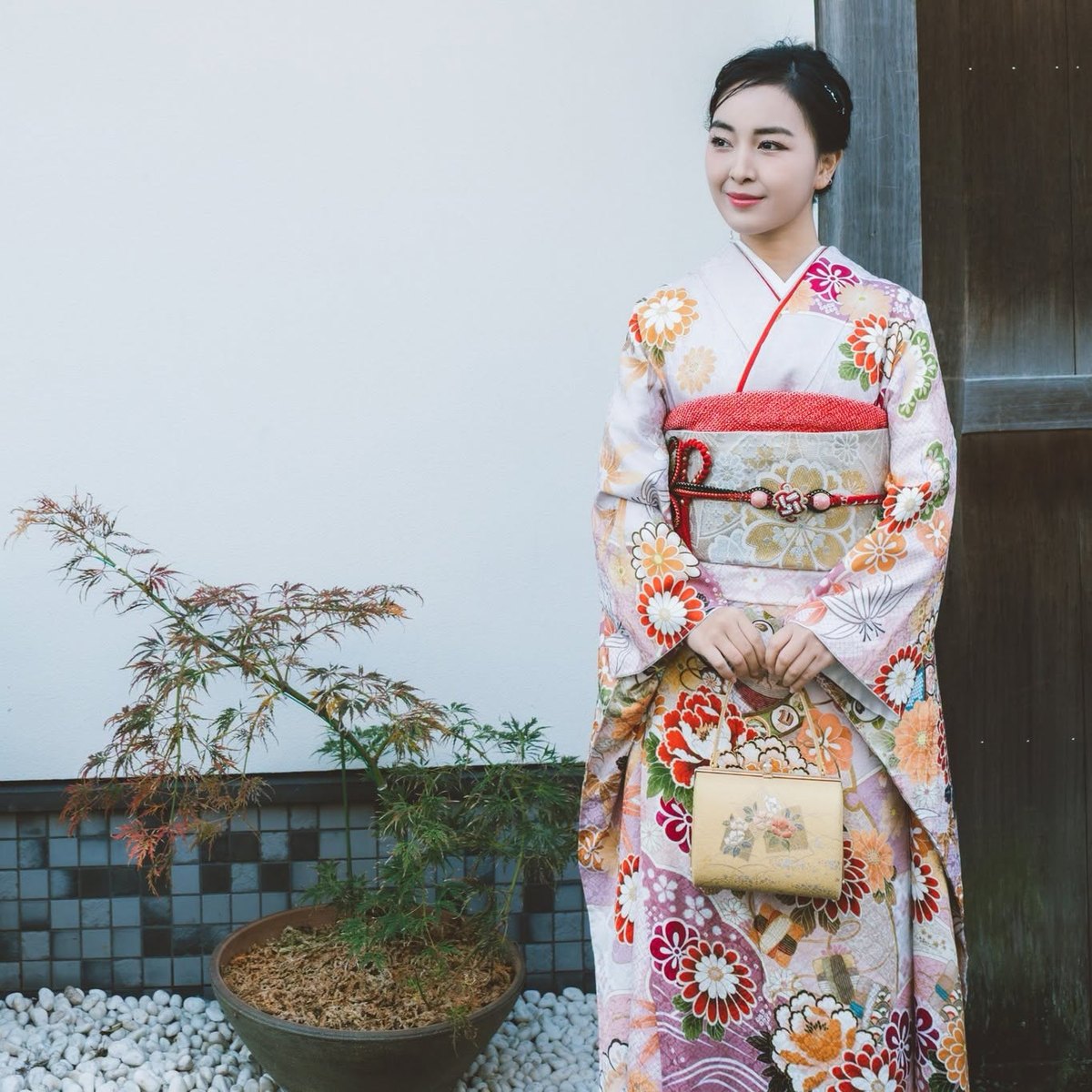
- Neck. A kimono collar is worn pulled back from the nape, and the juban's white collar shows in a V at the front. A crew-neck T-shirt or a high-necked thermal will show at the back and the front. Wear a scoop, V-neck or a camisole, or nothing over the bra in warm weather.
- Sleeves. The kimono sleeve is open from the armpit down. A long-sleeved top peeks out when you lift your arm. Short sleeves or sleeveless.
- Hem. The kimono hem sits at the ankle; leggings that end above the ankle are invisible, ankle-length ones will show when you climb steps. Choose three-quarter length or tuck them into the tabi.
Bras and shape
A kimono is designed for a straight line from shoulder to hip. The dresser adds a towel or pad at the waist to flatten the curve, which is normal and comfortable. What helps: a soft, non-wired bra or sports bra, so the obi (which sits just below the bust) does not press on a wire. What to avoid: push-up bras, which make the collar gape.
Men: a plain T-shirt with a V or scoop neck in cool months, nothing in summer, normal underwear. The men's kimono (¥5,000) and Montsuki (¥10,000) hang from the shoulders and hide everything.
Season by season
Summer (June to September): yukata. One cotton layer over underwear. Women's yukata (¥4,500) and men's (¥4,000) are worn without the juban, with a thin cotton slip or nothing. Wear the lightest underwear you own, and consider a sweat-absorbing camisole in July and August. Bring a small towel for the neck.
Spring and autumn (March to May, October to November): lined kimono. Underwear and the juban are enough on a mild day. On a cool morning add a thin, low-neck camisole. The shop offers a haori jacket or shawl on cold days; the best season to wear kimono guide compares the months.
Winter (December to February): lined kimono with layers. A thin thermal top with a scoop neck, thermal leggings (three-quarter length), and thick or doubled tabi. Hand warmers (kairo) go into the sleeves, where the kimono's pockets effectively are. A shawl or the shop's haori over the top. A furisode with a fur stole is the January formal look.
What not to wear
- Turtlenecks, hoodies, crew necks: they show.
- Jeans or trousers: they do not fit under a kimono, and there is nowhere to leave them but the locker anyway.
- Ankle socks over the tabi: no.
- Perfume on the skin where the collar touches: rental kimono are cleaned after every use, but scent transfers.
- Large earrings or necklaces: a necklace under the collar catches; earrings are fine.
Checklist
- Non-wired bra or bralette
- Scoop or V-neck base layer (cold months only)
- Three-quarter leggings (cold months only)
- Contact lenses if you wear glasses and prefer photos without them (glasses are fine too; see the glasses and hairstyles guide)
- Hair clean and dry
FAQ
Do I take off all my clothes at the shop? Only the outer clothes; you keep underwear and, in cold months, the thin base layer. Changing is in a curtained space and dressers are women for women guests.
Can I wear my own T-shirt under a yukata? In summer, a thin sleeveless top is fine and invisible. A T-shirt with sleeves shows at the sleeve opening.
Are tabi socks provided in my size? Yes; tell us your shoe size when booking. Tabi run in Japanese sizes and the shop has a range.
What about a kimono for a tall or larger guest? The same rules apply; sizes and fit are covered in the kimono sizes guide.
Does the shop provide a slip for a white or pale kimono? The juban does that job; it is opaque. Wear pale underwear under a white kimono anyway.
Book with the right layers packed
Reserve at the Tokyo Asakusa shop or the Kyoto Kiyomizu shop, and see how long dressing takes to time the morning. All styles are on the kimono rental page.