Winter Illuminations in Japan
Discover Japan's breathtaking winter illuminations. A guide for Indian and Bangladeshi travelers, covering Nabana no Sato, Tokyo, Osaka, costs, food, and cold-weather tips.
Jul 10, 2026·✍️ olablog·⏱ 23 min read
Discover Japan's breathtaking winter illuminations. A guide for Indian and Bangladeshi travelers, covering Nabana no Sato, Tokyo, Osaka, costs, food, and cold-weather tips.
Japan's winter transforms into a canvas of spectacular light, offering an unforgettable experience far removed from its famous cherry blossoms. Imagine walking through millions of twinkling LEDs, a magical escape from the everyday. Planning a trip around these "winter illuminations" can be surprisingly affordable, with many major displays offering entry for around ¥1,000-¥2,500 (approx. ₹560-₹1,400) per person. This guide will help first- and second-time visitors from India and Bangladesh navigate these dazzling displays, ensuring a practical, comfortable, and memorable journey.
Understanding Japan's Winter Illuminations
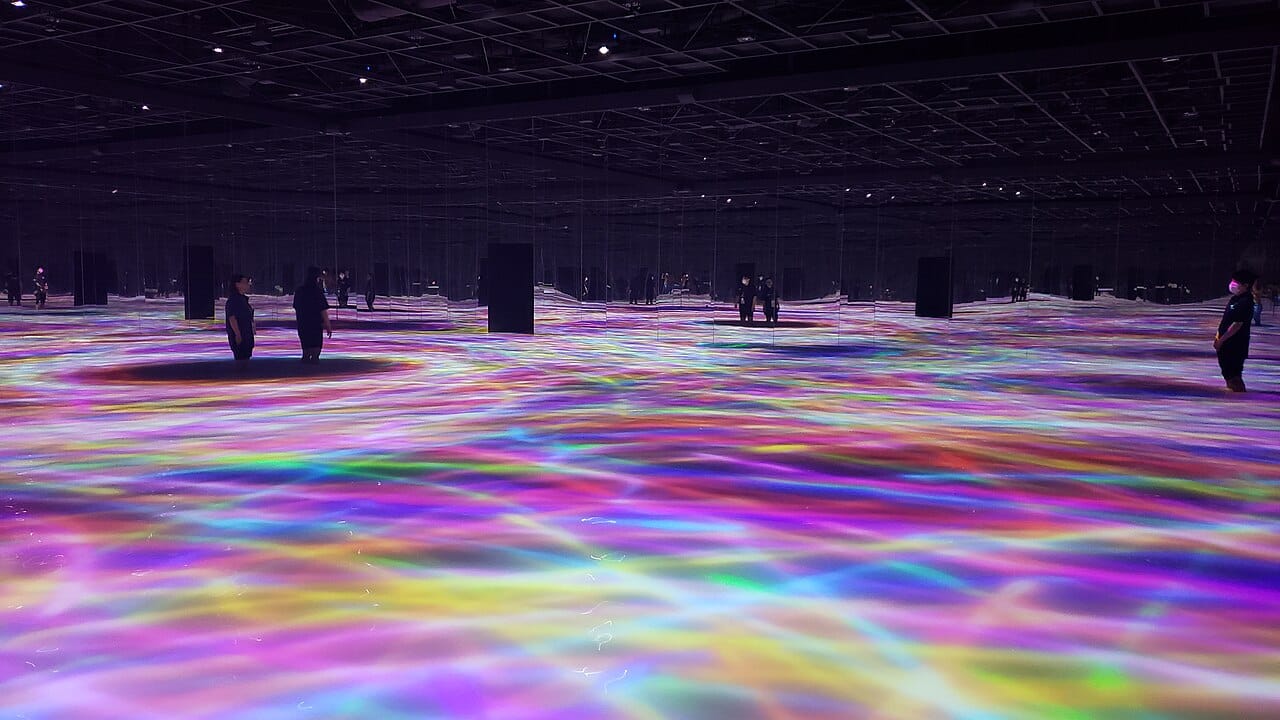
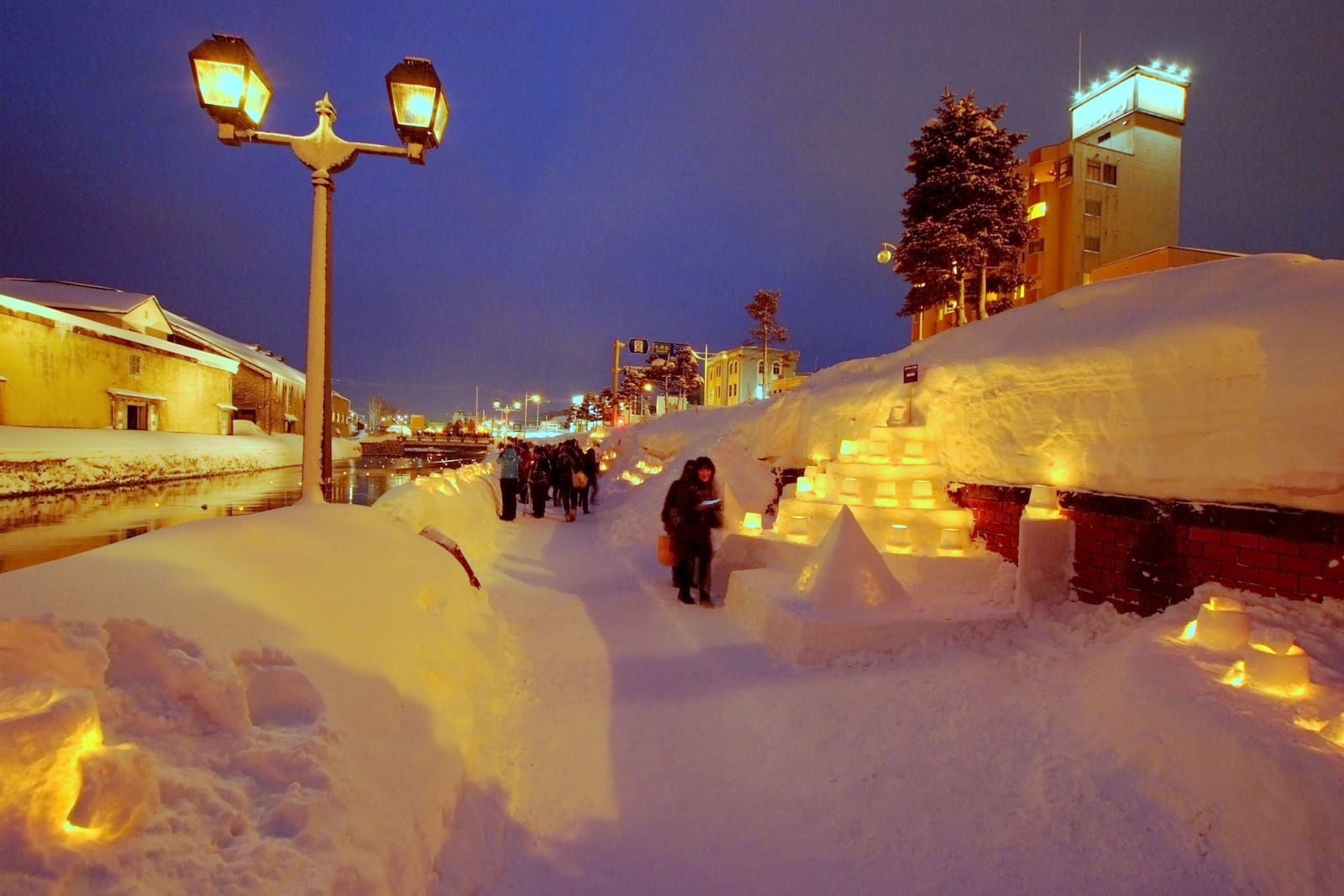
Winter illuminations in Japan are more than just decorative lights; they are meticulously crafted artistic installations that transform public spaces, gardens, and theme parks into fantastical realms. Originating from simple Christmas decorations, they have evolved into a distinct seasonal attraction, drawing millions of visitors from late autumn through early spring. Unlike the fleeting beauty of cherry blossoms or autumn leaves, these light shows offer a prolonged period of enchantment, typically running from mid-November until late February or even early March. The concept is deeply ingrained in Japanese culture, providing a sense of warmth and wonder during the colder months, a tradition cherished by families, couples, and solo travelers alike.
These events are designed with incredible attention to detail, often featuring elaborate themes that change annually, from cosmic journeys and fairytale landscapes to traditional Japanese motifs. The technology behind them is equally impressive, utilizing millions of energy-efficient LED bulbs to create dynamic, synchronized displays that sometimes incorporate music and projections. For travelers from warmer climates like India and Bangladesh, experiencing Japan's crisp winter air complemented by such breathtaking visual spectacles can be a truly unique contrast. It’s a chance to see Japan in a different light, literally, where the chill in the air only enhances the warmth of the glowing displays.
The sheer scale of these illuminations is often astounding. Major venues employ cutting-edge techniques to create immersive experiences, such as tunnels of light that stretch for hundreds of meters, vast fields of sparkling LEDs, and interactive displays that react to visitor movements. It’s not uncommon for a single illumination event to utilize several million LED bulbs, creating a truly overwhelming and beautiful visual feast. These events are also carefully planned to coincide with public transport schedules, making them accessible even for those relying solely on Japan's efficient train and subway networks, much like navigating the Delhi Metro during peak hours.
Nabana no Sato: A Must-Visit Spectacle
Nabana no Sato, located in Kuwana city, Mie Prefecture, near Nagoya, is arguably the most famous and largest winter illumination event in Japan. It's an absolute must-add to your itinerary, especially for first-time visitors seeking that iconic, grand-scale light show experience. The sheer magnitude and artistry here are unparalleled, making it a destination in itself.
Getting There: Nabana no Sato is easily accessible from Nagoya. From Nagoya Station, take a local Kintetsu Limited Express train to Kuwana Station. The journey takes approximately 20-25 minutes and costs around ¥600-¥700 (approx. ₹336-₹392). From Kuwana Station, frequent direct bus services run to Nabana no Sato, taking about 10-15 minutes and costing around ¥230 (approx. ₹129) one-way. Alternatively, some direct bus services operate from Nagoya Station directly to Nabana no Sato during the illumination season, which might be more convenient, costing around ¥1,000 (approx. ₹560) one-way. Check the official Nabana no Sato website for the latest bus schedules and routes.
Tickets and Timings: The illumination typically runs from late October to early June, but the main winter show concludes around early March. Admission to Nabana no Sato, which includes entry to the illumination, costs ¥2,500 (approx. ₹1,400) per person. This ticket often includes a ¥1,000 coupon (approx. ₹560) that can be used inside the park for food, drinks, or souvenirs, effectively making the entry ¥1,500. While tickets can be purchased on arrival, during peak season (weekends, holidays, and around Christmas/New Year), it's advisable to arrive early to avoid long queues. The park generally opens at 9:00 AM, with illuminations starting around sunset (which can be as early as 4:30 PM in December). The park usually closes at 9:00 PM or 10:00 PM depending on the day.
Key Attractions: The highlight is undoubtedly the Tunnel of Light, a breathtaking 200-meter pathway adorned with millions of warm white LEDs, creating an immersive, ethereal glow. Walking through it feels like stepping into a dream. Beyond this, the Main Illumination Area presents a new theme each year, often featuring massive, dynamic light and sound displays across a vast landscape. Past themes have included Mt. Fuji, natural wonders, and famous landmarks, all brought to life with intricate light programming. The Water Illumination on the central pond, often synchronized with music, adds another layer of magic. Don't miss the Begonia Garden, a massive greenhouse showcasing thousands of flowers, which is also beautifully lit and provides a warm respite from the cold.
Food and Comfort:
Nabana no Sato offers numerous dining options, from casual cafes to more formal restaurants. For vegetarian visitors, look for udon or soba noodle dishes (ensure dashi is kombu-based, not fish-based), vegetable tempura, or rice balls. Many establishments have clear allergen labeling, and asking "Yasai dake desu ka?" (Is it only vegetables?) or "Niku/Sakana nashi?" (No meat/fish?) can be helpful. Halal options are less common but some larger restaurants might offer limited choices; it's always best to check with staff. The coupon included with your entry ticket is convenient for trying various snacks or a warm meal. The park also has several warm indoor areas and foot baths (ashiyu) where you can relax and warm up.
Sample Day Trip from Nagoya: Start your day in Nagoya with a visit to Nagoya Castle or the Tokugawa Art Museum. In the afternoon, around 3:00 PM, head to Kuwana Station by Kintetsu train, then take the bus to Nabana no Sato. Arrive around 4:00 PM to explore the Begonia Garden and other areas before sunset. Witness the lights come alive as dusk settles, starting with the Tunnel of Light, then moving to the main show and water illumination. Enjoy dinner at one of the park's restaurants, utilizing your ¥1,000 coupon. Depart around 8:00 PM-9:00 PM to return to Nagoya. This allows ample time to experience the full grandeur without feeling rushed.
Tokyo's Dazzling Displays: An Urban Light Circuit
Tokyo, a city that never truly sleeps, takes on an extra layer of sparkle during winter. Its illuminations are often integrated into urban landscapes, making them easily accessible via the extensive Tokyo Metro system – much like navigating the familiar Delhi Metro, but perhaps with even more precision. You can hop between several stunning displays within a single evening.
Roppongi Hills Illumination: One of Tokyo's most iconic illuminations is the Keyakizaka Illumination at Roppongi Hills. The trees lining Keyakizaka Street are adorned with thousands of blue and white LEDs, creating a magical tunnel with Tokyo Tower twinkling in the background. The effect is particularly stunning. Nearby, the Mori Garden also features beautiful light displays, often with a more whimsical or interactive theme.
- Dates: Typically early November to late December.
- Timings: 5:00 PM to 11:00 PM.
- Access: Roppongi Station (Tokyo Metro Hibiya Line, Toei Oedo Line).
- Cost: Free to view.
- Food: Roppongi Hills offers a vast array of dining options. For vegetarian choices, look for Italian, Indian, or specific Japanese restaurants offering
shojin ryori(Buddhist vegetarian cuisine) oryakitoriwith vegetable skewers. Halal options are becoming more prevalent in larger Tokyo districts; check apps like Halal Gourmet Japan for nearby restaurants.
Shibuya Blue Cave (Ao no Dokutsu): This enchanting illumination transforms a section of Shibuya into a mesmerizing blue grotto. Thousands of blue LEDs adorn the trees and ground, creating an immersive, almost underwater experience. It's incredibly popular and can get crowded, so consider visiting on a weekday evening.
- Dates: Usually late November to late December.
- Timings: 5:00 PM to 10:00 PM.
- Access: Shibuya Station (various JR and Tokyo Metro lines) or Harajuku Station (JR Yamanote Line). The illumination is typically along the zelkova trees from Shibuya Koen-dori to Yoyogi Park.
- Cost: Free to view.
- Food: Shibuya is a major hub with countless restaurants. You'll find diverse options, including vegetarian-friendly ramen shops (ask for
yasai ramenor specify notonkotsubroth), cafes with vegetarian sandwiches, and international cuisine.
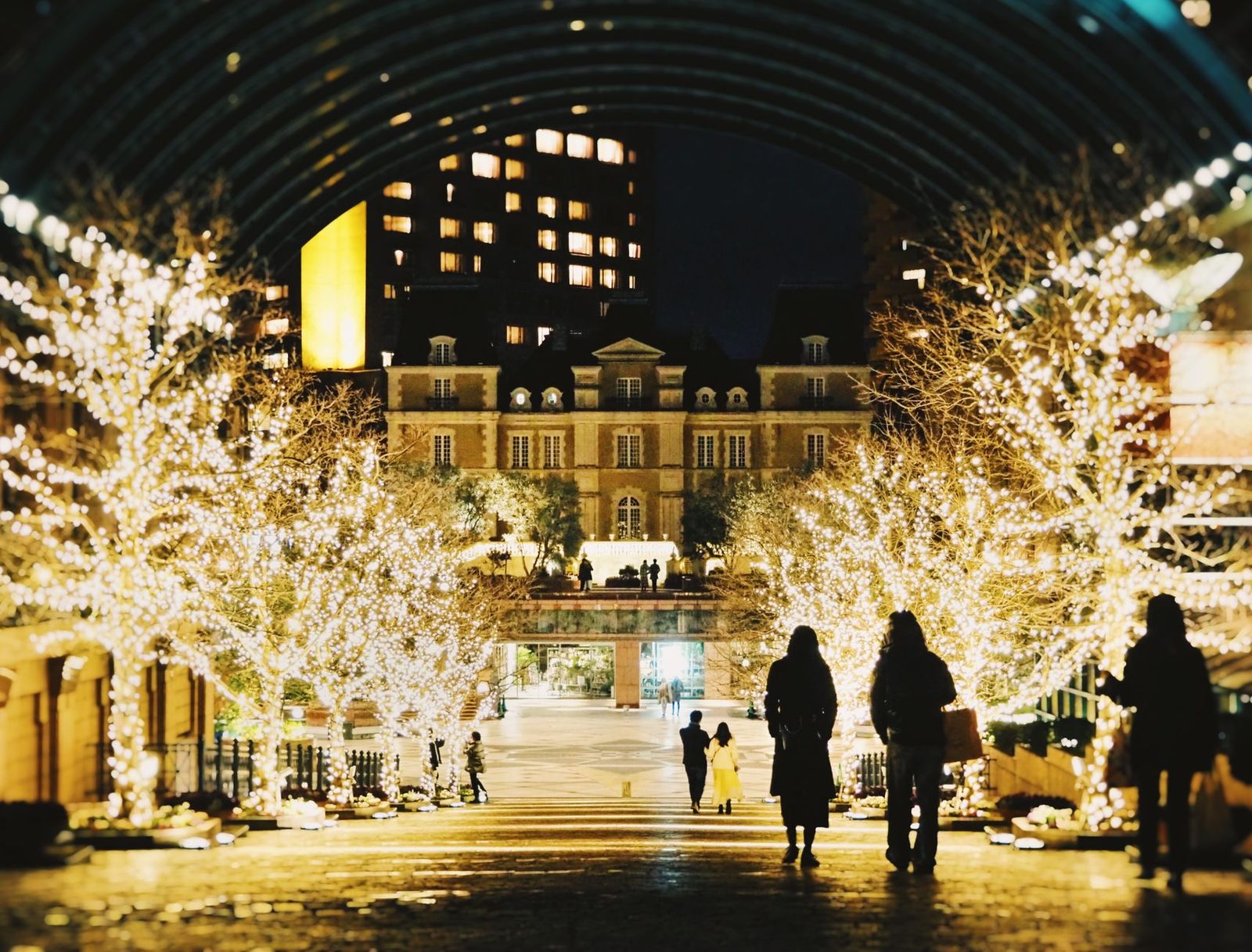
Marunouchi Naka-dori Illumination: Stretching over a kilometer, the upscale shopping street of Marunouchi Naka-dori is lined with beautifully lit trees, adorned with elegant champagne gold LEDs. This sophisticated display perfectly complements the area's high-end boutiques and historic architecture. It's a longer-running illumination, often extending into February.
- Dates: Early November to mid-February.
- Timings: 5:00 PM to 11:00 PM (until midnight in December).
- Access: Tokyo Station (various JR and Tokyo Metro lines), Nijubashimae Station (Tokyo Metro Chiyoda Line).
- Cost: Free to view.
- Food: Marunouchi, being a business district, has many excellent dining establishments. Look for cafes and restaurants within the Marunouchi Building or Shin-Marunouchi Building for varied options, including some offering vegetarian pasta or salads.
Ebisu Garden Place Illumination: This classic illumination features a massive Baccarat chandelier, one of the largest in the world, surrounded by a romantic display of lights. The ambiance here is particularly elegant and festive, making it a popular spot for couples.
- Dates: Early November to early January.
- Timings: 4:00 PM to midnight.
- Access: Ebisu Station (JR Yamanote Line, Tokyo Metro Hibiya Line), then use the "Yebisu Skywalk" moving walkway.
- Cost: Free to view.
- Food: Ebisu Garden Place has numerous restaurants, including a department store food hall, offering a range of choices. There are upscale Japanese restaurants, as well as cafes and bakeries. Inquire about vegetarian sets or specific dishes.
Connecting These Spots: Tokyo's extensive public transport system makes combining these illuminations easy. A Tokyo Metro Day Pass (around ¥600-¥900, approx. ₹336-₹504, depending on the pass type) can be a cost-effective way to travel. You could start with Ebisu Garden Place, then take the Hibiya Line to Roppongi, and finally the Yamanote Line to Shibuya (or vice versa). Marunouchi is best visited from Tokyo Station, perhaps as a separate evening activity. Always use a navigation app like Google Maps or Japan Transit Planner (Jorudan/Navitime) to check real-time routes and timings.
Osaka's Luminous Landscapes: West Japan's Enchantment
Osaka, often considered Japan's culinary capital, also puts on a spectacular show of lights during winter, offering a different flavor of illumination compared to Tokyo's urban elegance. The city embraces its vibrant spirit in its light displays, making them lively and enchanting.
Osaka Hikari-Renaissance: This is Osaka's signature winter event, primarily centered around Nakanoshima Park, an island nestled between two rivers. The illumination features stunning light art installations, projection mapping on historic buildings like the Osaka Central Public Hall, and a beautiful "Wall Tapestry of Light" along the Midosuji River. It's a grand-scale event that truly transforms the city's waterfront.
- Dates: Mid-December to late December (check for exact dates as it's a shorter event).
- Timings: 5:00 PM to 10:00 PM.
- Access: Yodoyabashi Station (Osaka Metro Midosuji Line, Keihan Line) or Naniwabashi Station (Keihan Nakanoshima Line).
- Cost: Free to view, though some special events or installations might have a small fee.
- Food: Nakanoshima Park area has cafes and food stalls during the event. For more substantial meals, head back towards Umeda or Namba where you'll find extensive dining options. Look for
okonomiyaki(savory pancake) ortakoyaki(octopus balls) stalls, and ask foryasai-dake(vegetable only) versions if available, though cross-contamination is common. Vegetarian restaurants are scattered throughout major districts.
Midosuji Illumination: One of the longest illuminated streets in the world, Midosuji Avenue, stretching approximately 4 kilometers from Umeda to Namba, is draped in various colored lights, creating a breathtaking urban spectacle. Each section of the avenue often has a distinct color theme, making for a dynamic visual journey. This is a display you can enjoy from a taxi, a bus, or by simply walking along its sidewalks.
- Dates: Early November to late December.
- Timings: 5:00 PM to 11:00 PM.
- Access: Runs along Midosuji Avenue, accessible from multiple Osaka Metro Midosuji Line stations (e.g., Umeda, Honmachi, Shinsaibashi, Namba).
- Cost: Free to view.
- Food: Midosuji is a major thoroughfare, so you'll find restaurants and convenience stores along its entire length. Shinsaibashi and Namba, at the southern end, are prime dining districts with myriad choices.
Universal Studios Japan (USJ) Winter Events: While not strictly a "free" illumination, Universal Studios Japan in Osaka often hosts spectacular winter-themed shows and parades, including a magnificent Christmas tree and nighttime spectaculars during its "Universal Wonderland Christmas" or similar seasonal events. If you're planning a visit to USJ anyway, this can be a fantastic way to experience world-class illuminations as part of your park entry.
- Dates: Mid-November to early January.
- Timings: Park opening hours, with special shows in the evening.
- Access: Universal City Station (JR Yumesaki Line).
- Cost: USJ park admission (around ¥8,600-¥9,800, approx. ₹4,816-₹5,488, for a 1-day pass, prices vary by date).
- Food: USJ offers numerous themed restaurants and food stalls. They usually have allergen information available, and some may offer vegetarian pasta, salads, or themed snacks. Halal options are generally not available within the park, but you can find some in the Universal Citywalk area outside.
Osaka Castle Illumination: While not as consistently featured as other illuminations, Osaka Castle sometimes hosts special illumination events or projection mapping shows, particularly around its Nishinomaru Garden. These can offer a unique blend of history and modern light art. Always check the official Osaka Castle website or local tourism boards for current event schedules, as these can be sporadic.
- Dates: Varies; often late November to late February.
- Timings: Varies by event.
- Access: Tanimachi Yonchome Station (Osaka Metro Tanimachi Line, Chuo Line) or Morinomiya Station (JR Loop Line, Osaka Metro Chuo Line, Nagahori Tsurumi-ryokuchi Line).
- Cost: Often requires a separate entry ticket for the illumination event (e.g., ¥1,000-¥1,500, approx. ₹560-₹840).
- Food: Limited options around the castle grounds during evening events; better to dine in Umeda or Namba before or after.
Osaka's illuminations, much like its food, have a lively and welcoming atmosphere. For those from Bangladesh and India, who appreciate vibrant public spaces, these light shows offer a wonderfully energetic experience. Combine them with a stroll through Dotonbori for dinner and you'll have a truly memorable Osaka evening.
Planning Your Trip: Dates, Tickets, and Booking Strategies
Effective planning is crucial to maximize your enjoyment of Japan's winter illuminations, especially when balancing costs and ensuring comfort for first-time visitors.
Illumination Season Overview: The general illumination season in Japan runs from late November to early March. However, specific dates vary greatly by location. Major city-center displays in Tokyo and Osaka often begin in early to mid-November and conclude by late December or early January, aligning with the Christmas and New Year holidays. Larger, more elaborate park-based illuminations like Nabana no Sato often have longer runs, sometimes starting in October and continuing until May or June, though the "winter" theme usually peaks until March. It's imperative to always check the official websites of each illumination event for their precise operating dates and times for the year you plan to visit, as these can shift annually.
Ticket Procurement: Most urban illuminations (e.g., Roppongi Hills, Shibuya Blue Cave, Midosuji) are free to view as they are integrated into public spaces. For dedicated illumination parks like Nabana no Sato, tickets are required.
- Nabana no Sato: Tickets are usually purchased at the entrance. During peak times (weekends, national holidays, Christmas week), queues can be long. Arriving earlier in the afternoon (e.g., 3:00 PM-4:00 PM) allows you to enter before the crowds fully build up and enjoy the park in daylight before the lights come on. There are no advance online purchase options for Nabana no Sato's main illumination tickets, so plan to buy them on arrival.
- Other Themed Events: Some smaller, specialized, or time-limited illumination events (like certain projection mapping shows at castles or gardens) might require pre-booked tickets, often available through Japanese convenience stores (like Lawson or FamilyMart Loppi/FamiPort machines) or specific online platforms. If you encounter such a situation, asking your hotel concierge for assistance can be invaluable.
Booking Accommodation: Since illuminations are popular, especially around holidays, booking your accommodation well in advance (3-6 months) is highly recommended. This is particularly true for Nagoya if you plan to visit Nabana no Sato, or for Tokyo and Osaka. Consider staying near major train stations (e.g., Nagoya Station, Tokyo Station, Shinjuku, Umeda, Namba) for easy access to transport networks and illumination venues.
Transportation Strategies:
- JR Pass: If you plan extensive travel across Japan (e.g., visiting Tokyo, Kyoto, Osaka, and Nagoya), a Japan Rail Pass can be a cost-effective option, similar to how an all-India rail pass might work, though the booking process is different. For short stays or focusing on one region, individual tickets or regional passes might be better value. Remember, JR Pass covers JR trains, not private lines like Kintetsu to Kuwana for Nabana no Sato, or most Tokyo/Osaka subway lines.
- Local Passes: For intra-city travel in Tokyo and Osaka, consider daily subway passes. Tokyo Metro 24-hour, 48-hour, or 72-hour tickets (for foreign tourists, often available at Narita/Haneda airports or major stations) offer unlimited rides on Tokyo Metro lines and can save money compared to individual tickets. Similarly, Osaka Amazing Pass or Osaka Enjoy Eco Card offers unlimited rides on Osaka Metro and bus lines, plus discounts or free entry to some attractions.
- IC Cards: Purchase a Suica or Pasmo card (Tokyo) or Icoca card (Osaka) upon arrival. These rechargeable IC cards are incredibly convenient, working like a tap-and-go system on almost all trains, subways, and buses across Japan, as well as for purchases at convenience stores and vending machines. Load it up with ¥5,000-¥10,000 (approx. ₹2,800-₹5,600) to start. This is much like using your metro card in Delhi, but universally accepted.
Budgeting for Illuminations: Factor in the following costs:
- Entry Tickets: ¥1,500-¥2,500 (approx. ₹840-₹1,400) per person for paid events. Many are free.
- Transportation: Varies widely, but budget ¥1,000-¥2,000 (approx. ₹560-₹1,120) per person per day for local transport on illumination days, more if taking Shinkansen.
- Food & Drink: A warm drink (like a hot
matcha latteor vending machine coffee) might cost ¥150-¥300 (approx. ₹84-₹168). A simple meal can range from ¥800-¥1,500 (approx. ₹448-₹840). - Souvenirs: Optional, but budget ¥500-¥2,000 (approx. ₹280-₹1,120) if you plan to buy small items.
By strategically planning your dates, understanding ticket requirements, and utilizing Japan's excellent public transport, you can enjoy these magnificent displays without overspending.
Staying Warm and Comfortable: Essential Cold-Weather Gear
For travelers from the typically warmer climates of India and Bangladesh, experiencing a Japanese winter can be a significant shift. While Japan's winters are often dry and sunny, temperatures, especially in the evenings when illuminations are best viewed, can drop significantly, sometimes even below freezing. Proper clothing is not just about comfort; it's essential for enjoying the outdoor displays for extended periods.
The Art of Layering: This is your most important strategy. Think of your clothing in three key layers:
- Base Layer (Thermals): Start with thermal underwear – long-sleeved tops and bottoms. Materials like merino wool or synthetic wicking fabrics are excellent as they keep you warm and manage moisture. This layer is like your familiar winter innerwear, but aim for higher quality for better insulation.
- Mid-Layer (Insulation): This layer provides the primary warmth. Fleece jackets, wool sweaters, or lightweight down vests work well. You might need one or two mid-layers depending on how cold it gets and your personal tolerance.
- Outer Layer (Shell): This is your protective shield against wind, rain, and snow. A good quality, waterproof or water-resistant, insulated winter coat or parka is essential. Look for something that covers your hips for extra warmth. A hood is a bonus for unexpected drizzles or cold winds. This should be a substantial jacket, unlike the lighter jackets you might wear in Delhi or Dhaka's milder winters.
Essential Accessories:
- Gloves: A good pair of insulated, waterproof gloves is non-negotiable. Your hands will get very cold without them, especially if you're holding a phone for photos.
- Scarf: A thick wool or fleece scarf will protect your neck and face from biting winds.
- Hat/Beanie: Much body heat escapes from the head. A warm hat, preferably one that covers your ears, is crucial.
- Socks: Wear thick, wool or thermal socks. Consider bringing a spare pair if your feet tend to get cold or damp.
- Footwear: Comfortable, waterproof, and insulated boots are ideal. You'll be doing a lot of walking, so prioritize comfort, grip, and warmth. Avoid open-toed shoes or thin sneakers.
Internal Warmth (Kairo):
Japanese convenience stores and pharmacies sell kairo (disposable heat packs). These are fantastic. Simply unwrap them, and they activate with air, providing warmth for several hours. Stick them to the inside of your coat, place them in your pockets, or even put them inside your shoes (special foot kairo are available). They are an absolute lifesaver for outdoor winter activities. One kairo costs around ¥50-¥100 (approx. ₹28-₹56).
Hydration and Hot Drinks:
While it might seem counterintuitive in cold weather, staying hydrated is important. Japan has vending machines on almost every corner, many of which dispense hot beverages (look for the red あったかい or hot label). A warm matcha latte, hot tea, or coffee can provide a welcome internal warmth boost while you're out enjoying the lights.
Comparing Winters: For those from India, imagine the chill of a North Indian winter evening, but often with less humidity and a drier cold. For Bangladesh, it will be significantly colder than your mildest winter days. The key difference is the sustained low temperatures, especially after sunset. Being prepared will make your illumination experience enjoyable rather than an endurance test. Don't underestimate the cold; it's far better to over-prepare with layers you can shed than to be underdressed.
Romantic Proposals Amidst the Lights: Shortlist of Spots
Japan's winter illuminations offer a truly magical backdrop for a romantic proposal. The twinkling lights create an ethereal atmosphere that can elevate a special moment into an unforgettable memory. Here's a shortlist of spots renowned for their romantic ambiance, perfect for popping the question, along with practical tips.
Nabana no Sato (Kuwana, Mie Prefecture):
- Why it's perfect: The sheer scale and artistry of Nabana no Sato create a fairytale setting. The Tunnel of Light provides an incredibly intimate and beautiful pathway, while the Main Illumination Area offers breathtaking vistas. The picturesque Island Fuji observation deck, which gently rises for panoramic views, could also be a unique spot.
- Proposal Spot: The end of the Tunnel of Light, or a quiet spot within the main illumination area, perhaps near the water feature. For something more private, consider a corner in the Begonia Garden.
- Tips: Plan to go on a weekday to avoid peak crowds. Arrive earlier to find a good spot and scope out your exact location. Consider a celebratory dinner at one of the park's nicer restaurants afterwards.
- Food: Several restaurants within Nabana no Sato offer various cuisines. While not strictly fine dining, they provide a comfortable and warm setting. Check for menu options that can be adapted for vegetarian preferences.
Ebisu Garden Place (Tokyo):
- Why it's perfect: This illumination exudes sophistication and classic romance. The grand Baccarat chandelier and the elegant champagne gold lights create a very chic and intimate atmosphere, less overwhelming than some of the larger displays.
- Proposal Spot: Right beneath the Baccarat chandelier, or in a slightly quieter spot within the surrounding illuminated garden. The top floor of the Yebisu Garden Place Tower also offers fantastic city views, which could be incorporated.
- Tips: This spot can be popular, especially on weekends. Aim for a slightly earlier evening or a weekday. There are several upscale restaurants within Ebisu Garden Place for a celebratory meal.
- Food: Ebisu boasts a wide range of restaurants, from Japanese to international. Many upscale establishments will have staff who can assist with dietary requests, including vegetarian options. Booking in advance for a special dinner is recommended.
Tokyo Dome City Winter Illumination (Tokyo):
- Why it's perfect: This illumination often features vibrant, playful themes and incorporates interactive elements and projections, including a beautiful "Milky Way" style light tunnel. It's lively yet romantic, with the added charm of an amusement park backdrop.
- Proposal Spot: The "Milky Way" tunnel, or a spot near the main fountain show. The Ferris wheel (Big O) offers private cabins with stunning city views, which could be an incredibly memorable place for a private proposal.
- Tips: This location is generally less crowded than some others. The amusement park rides add a fun, lighthearted element to the evening.
- Food: Tokyo Dome City has numerous casual dining options, from fast food to family restaurants. For a slightly more upscale meal, there are restaurants within the Tokyo Dome Hotel.
Caretta Shiodome Illumination (Tokyo):
- Why it's perfect: Known for its elaborate, musical light shows that often feature Disney themes, Caretta Shiodome creates a truly immersive and dramatic experience. The shows run every 15-20 minutes, offering multiple opportunities for a grand moment.
- Proposal Spot: Find a spot with a good view of the main light show. The elevated position of Caretta Shiodome also offers nice city views.
- Tips: This can get very crowded, so arrive early to secure a good vantage point. The shows are relatively short, allowing you to plan your moment precisely.
- Food: Caretta Shiodome has several restaurants and cafes, including options on higher floors with city views, perfect for a celebratory dinner.
Kobe Luminarie (Kobe, Hyogo Prefecture) - If held:
- Why it's perfect: This illumination is a truly special, solemn, and breathtaking event held annually in December to commemorate the Great Hanshin earthquake. It features magnificent archways of light, creating a sacred and beautiful atmosphere.
- Proposal Spot: Within one of the stunning light tunnels or beneath a grand archway. The solemnity and beauty add a profound depth to the occasion.
- Tips: This event draws enormous crowds, so be prepared for slow movement. It is often a one-way path. Check if it's being held in your travel year, as funding can be an issue.
- Food: Numerous food stalls are set up during the event. For a proper dinner, head to Sannomiya or Motomachi districts in Kobe.
Remember to consider your partner's preferences and personality when choosing a spot. Whether grand or intimate, the magic of Japan's winter illuminations will undoubtedly make your proposal an extraordinary event.