Beyond Sakura
Discover Japan's stunning floral displays beyond cherry blossoms. A guide for Indian and Bangladeshi travelers on wisteria, nemophila, hydrangeas, and cosmos.
Jul 10, 2026·✍️ olablog·⏱ 19 min read
Discover Japan's stunning floral displays beyond cherry blossoms. A guide for Indian and Bangladeshi travelers on wisteria, nemophila, hydrangeas, and cosmos.
Japan's allure extends far beyond the iconic spring cherry blossoms. For first- and second-time visitors from India and Bangladesh, exploring the country's diverse flower calendar offers a unique opportunity to experience its natural beauty, often at more accessible prices than the peak sakura season. Imagine strolling through a purple wisteria tunnel for an entry fee of approximately ¥1500 (around ₹840) or standing amidst a sea of blue nemophila for just ¥450 (roughly ₹250). These breathtaking floral spectacles provide a different, equally enchanting perspective of Japan.
Welcome to Japan's Floral Tapestry Beyond Sakura
Many travelers from India and Bangladesh planning their maiden or second trip to Japan naturally gravitate towards the spring cherry blossom season. While undeniably beautiful, this period also sees peak crowds and higher costs for flights and accommodation. However, Japan's commitment to showcasing natural beauty through meticulously maintained gardens and parks means there's a stunning floral display almost every month of the year. Shifting your travel dates slightly can unlock incredible experiences, from vibrant spring carpets of moss phlox and nemophila, through the cascading elegance of wisteria and the serene beauty of hydrangeas during early summer, to the cheerful fields of cosmos in autumn.
This article aims to guide you through these lesser-known, yet equally spectacular, floral seasons. We’ll focus on practical aspects: when to visit for the best blooms, how to reach these stunning locations efficiently, approximate costs in both Japanese Yen and Indian Rupees (with a nod to Bangladeshi Taka where relevant), and crucial crowd notes. We understand that food preferences, particularly vegetarian and halal options, are a significant consideration for our readers. Therefore, we will offer advice on navigating dining in and around these floral destinations, ensuring your trip is as comfortable as it is memorable. Expect clear, actionable advice to help you plan a truly unique Japanese adventure.
Spring's Dazzling Carpets: Shibazakura and Nemophila
Spring in Japan, immediately following the cherry blossom peak, unveils two magnificent ground-cover floral spectacles: shibazakura (moss phlox) and nemophila (baby blue eyes). These flowers transform vast landscapes into vibrant carpets of colour, offering a visual feast distinctly different from the delicate cherry blossoms. Timing your visit to late April or early May allows you to witness these breathtaking displays.
Shibazakura: The Fuji Moss Phlox Festival
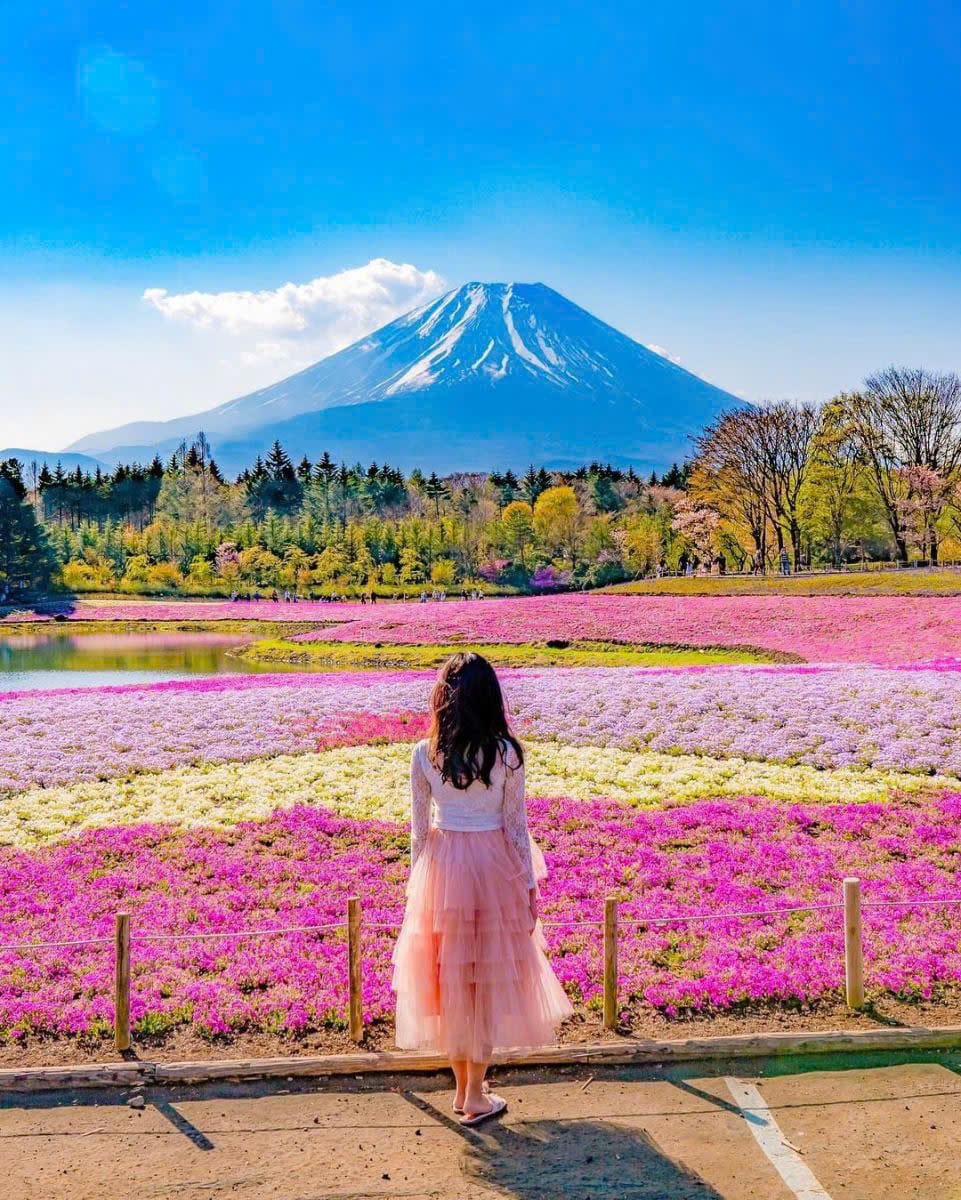
The Fuji Shibazakura Festival is perhaps the most famous shibazakura event, set against the breathtaking backdrop of Mount Fuji. Millions of tiny pink, white, and purple moss phlox blossoms create an intricate pattern across the fields.
Timing and Best View: The festival typically runs from late April to late May. The peak bloom usually occurs around the second or third week of May. Check the official festival website closer to your travel dates for bloom forecasts. Early mornings are best for photography, especially if you hope to capture Mount Fuji without cloud cover.
Access from Tokyo: The festival site is located near Lake Motosuko, one of the Fuji Five Lakes.
- By Bus: The most direct way is to take a highway bus from Shinjuku Expressway Bus Terminal directly to the festival site. The journey takes approximately 2.5 hours. A round-trip ticket costs around ¥4000 (approx ₹2240). Booking these tickets well in advance, especially for weekend travel, is highly recommended.
- By Train + Bus: Take a JR Chuo Line train from Shinjuku to Otsuki Station (approx. 1 hour). From Otsuki, transfer to the Fujikyu Railway Line to Kawaguchiko Station (approx. 1 hour). From Kawaguchiko Station, special shuttle buses run to the festival site during the event (approx. 30 minutes, ¥1000-¥1500 round trip, approx ₹560-₹840). This multi-leg journey is a good option if you have a JR Pass for the Shinjuku-Otsuki leg.
Admission and Crowds: Entry to the festival typically costs ¥1000-¥1300 (approx ₹560-₹730, or BDT 650-850). Weekends and public holidays (like Golden Week in early May) are exceptionally crowded. Expect queues for buses and entry, and dense crowds within the festival grounds. If your itinerary allows, visit on a weekday morning for a more relaxed experience.
Food Considerations: The festival grounds have numerous food stalls offering local Yamanashi specialties. While specific halal options might be limited, you can often find vegetarian items like tempura (fried vegetables, ask if oil is shared), soba or udon noodles (ensure broth is vegetarian, often dashi contains fish), onigiri (rice balls, check fillings), and various sweets. Bringing your own packed vegetarian snacks or bento box is a reliable strategy.
Nemophila: The Blue Fields of Hitachi Seaside Park
Imagine an endless horizon of sky-blue flowers meeting the actual sky – that's the experience of Nemophila Harmony at Hitachi Seaside Park. These 'baby blue eyes' create a captivating scene across Miharashi Hill.
Timing and Best View: Nemophila typically bloom from mid-April to early May, often overlapping with the later stages of cherry blossoms in some areas. The park provides real-time bloom updates on its official website.
Access from Tokyo:
- By Train: Take the JR Joban Line from Shinagawa, Tokyo, or Ueno Station directly to Katsuta Station (approx. 70-80 minutes on a limited express train, around ¥3800, approx ₹2130, one way). From Katsuta Station, take a local bus to Hitachi Seaside Park (approx. 15 minutes, ¥400, approx ₹224). If you have a JR Pass, the train journey to Katsuta will be covered.
- By Highway Bus: Highway buses from Tokyo Station's Yaesu South Exit also go directly to Hitachi Seaside Park (approx. 2 hours, around ¥2500, approx ₹1400, one way).
Admission and Crowds: Park admission is ¥450 (approx ₹250, or BDT 300) for adults. Similar to Shibazakura, weekends, especially during Golden Week, attract massive crowds. Arrive early (park opens at 9:30 AM) to avoid the longest queues and enjoy the serenity before the throngs arrive.
Food Considerations: Hitachi Seaside Park has several restaurants and cafes, along with food stalls during peak season. You can find standard park fare, including some vegetarian-friendly light meals. However, options might be limited for strict dietary requirements. Consider packing a vegetarian bento or purchasing items from a convenience store (conbini) at Katsuta Station before heading to the park. Look for onigiri with umeboshi (pickled plum) or vegetable fillings, and various baked goods.
Wisteria's Purple Reign: Ashikaga Flower Park
The ephemeral beauty of wisteria (fuji) is a symbol of elegance and grace in Japanese culture. Ashikaga Flower Park in Tochigi Prefecture is renowned globally for its spectacular wisteria displays, featuring tunnels, trellises, and an ancient, sprawling wisteria tree that is a designated natural monument.
Timing and Best View: Wisteria typically blooms from mid-April to mid-May. The peak bloom for the famous "Great Wisteria" tree and the wisteria tunnels is usually around early May. Ashikaga Flower Park is particularly magical in the evening when the wisteria is illuminated, creating a dreamlike atmosphere. The park's official website provides detailed bloom forecasts, which are crucial for planning.
Access from Tokyo:
- By Train (Recommended): Take a JR Utsunomiya Line or Tohoku Shinkansen from Tokyo or Ueno Station to Oyama Station. From Oyama, transfer to the JR Ryomo Line and alight at Ashikaga Flower Park Station (Ashikaga Flower Park Station is directly opposite the park's main entrance). The entire journey takes approximately 2-2.5 hours. A one-way trip costs around ¥2000-¥2500 (approx ₹1120-₹1400) without a JR Pass. If you have a JR Pass, this route is fully covered.
- By Limited Express Train: During peak season, direct limited express trains from Shinjuku to Ashikaga Flower Park Station may be available. Check JR East's website for specific seasonal services.
Admission and Crowds: The admission fee for Ashikaga Flower Park varies depending on the bloom status, ranging from ¥1000 to ¥2100 (approx ₹560-₹1170, or BDT 650-1400) for adults during peak wisteria season. The park can get very crowded, especially on weekends and during the evening light-up. Weekday mornings are generally the least crowded. Evenings, while busy, offer a truly unique experience with the illuminated flowers.
Food Considerations: Ashikaga Flower Park has several restaurants and cafes within its grounds, as well as food stalls during peak season. You can often find vegetarian options like udon or soba noodles (confirm dashi base), vegetable tempura, and various sweets. Some stalls might offer yakisoba (fried noodles) without meat, but it's essential to confirm. For stricter dietary needs, consider bringing your own food or purchasing items from a convenience store at Oyama or Ashikaga Station before your visit. A specific strategy would be to look for "Shojin Ryori" (Buddhist vegetarian cuisine) restaurants in the broader Ashikaga area, though these might require a short detour.
Sample Day Trip: Ashikaga Wisteria:
- Morning (7:00 AM): Depart Shinjuku/Ueno for Ashikaga Flower Park Station.
- Late Morning (9:30 AM): Arrive at Ashikaga Flower Park. Spend 3-4 hours exploring the wisteria tunnels, trellises, and other seasonal flowers. Take your time to enjoy the different colours and fragrances.
- Lunch (1:30 PM): Have lunch at one of the park's eateries or a convenience store bento.
- Afternoon (2:30 PM): If time permits, explore the nearby city of Ashikaga, visit the Ashikaga Gakko (Japan's oldest school) or Orihime Shrine. Alternatively, relax at a cafe near the park.
- Evening (4:30 PM - 7:00 PM): Return to the park for the evening illumination (if you want to experience both day and night views, you might need to purchase a separate evening ticket or re-enter if your ticket allows for it, check park rules). The illuminated wisteria is truly spectacular.
- Night (8:00 PM): Depart Ashikaga Flower Park Station back to Tokyo.
Summer's Gentle Hues: Hydrangeas (Ajisai)
As Japan transitions from spring to summer, the rainy season, known as tsuyu, brings with it a lush vibrancy, particularly for hydrangeas (ajisai). Unlike the heavy monsoons experienced in India and Bangladesh, Japan's tsuyu is often characterized by gentle, frequent showers, perfect for these moisture-loving flowers. From June to early July, hydrangeas burst forth in shades of blue, purple, pink, and white, adorning temples, gardens, and pathways.
Timing and Best View: Hydrangeas bloom primarily in June and early July. The exact peak depends on the location and specific varietals, but mid-June is generally a good target. While sunny days are pleasant, the flowers look particularly ethereal after a light rain shower, with droplets clinging to their petals.
Key Locations:
- Kamakura: This historic coastal city, easily accessible from Tokyo, is famous for its hydrangea temples.
- Meigetsu-in Temple (The Hydrangea Temple): Known for its vibrant blue hydrangeas, creating a stunning tunnel effect along the path. Entry fee: ¥500 (approx ₹280).
- Hase-dera Temple: Offers a fantastic view of Kamakura Bay, adorned with a wide variety of hydrangeas on its hillside path. Entry fee: ¥400 (approx ₹224).
- Access to Kamakura: Take the JR Yokosuka Line from Tokyo or Shinagawa Station directly to Kamakura Station (approx. 1 hour, around ¥940, approx ₹530). From Kamakura Station, Meigetsu-in is a 10-minute walk from Kita-Kamakura Station (one stop before Kamakura), and Hase-dera is a 5-minute walk from Hase Station on the Enoden Line (a scenic local train from Kamakura Station).
- Hakone: Famous for its onsen and views of Mount Fuji, Hakone also boasts beautiful hydrangeas along its scenic railway.
- Hakone Tozan Railway: The "Hydrangea Train" (Ajisai Densha) runs through mountainous terrain, offering passengers stunning views of hydrangeas right outside their windows. Special night illuminations are often available.
- Access to Hakone: Take the Odakyu Romancecar from Shinjuku Station to Hakone-Yumoto (approx. 85 minutes, around ¥2330, approx ₹1300). From there, board the Hakone Tozan Railway.
- Kyoto: While Kamakura and Hakone are closer to Tokyo, Kyoto also offers exquisite hydrangea gardens.
- Mimurotoji Temple: Known as the "Hydrangea Temple" of Kyoto, with over 10,000 hydrangea bushes. Entry fee: ¥1000 (approx ₹560).
- Access to Mimurotoji Temple: Take the Keihan Uji Line from Kyoto to Mimurodo Station (approx. 20-30 minutes, around ¥320, approx ₹180). The temple is a 15-minute walk from the station.
Admission and Crowds: Entry fees for temples and gardens typically range from ¥300 to ¥1000 (approx ₹170-₹560, or BDT 200-650). Weekends in June can be quite busy, especially at popular spots like Meigetsu-in in Kamakura. Weekday mornings are ideal for a more peaceful experience.
Food Considerations:
- Kamakura: The city center offers a wide range of dining options. Look for shojin ryori (Buddhist vegetarian cuisine) near temples or explore the cafes and restaurants along Komachi-dori street. Many cafes cater to diverse diets, and apps like HappyCow can help locate vegetarian and vegan-friendly spots. You can also find matcha (green tea) and traditional Japanese sweets that are usually vegetarian.
- Hakone: Dining options are plentiful around Hakone-Yumoto and Gora. For specific dietary needs, it might be safer to dine at larger hotels or research restaurants in advance. Convenience stores are always an option for labelled snacks.
- Kyoto: As a major tourist hub, Kyoto has numerous vegetarian and halal-friendly restaurants. Researching in advance and making reservations is advisable. Look for yuba (tofu skin) dishes, which are a Kyoto specialty and often vegetarian.
Autumn's Golden Finale: Cosmos & Kochia
As summer fades, Japan transitions into a vibrant autumn, celebrated not just for its fiery maple leaves but also for vast fields of cosmos flowers and the unique, fluffy red kochia bushes. These late-season blooms offer a different kind of beauty, signifying the gentle winding down of the year.
Cosmos: Fields of Delicate Beauty
Cosmos flowers, with their delicate petals and cheerful colours, are a quintessential autumn bloom in Japan. They blanket vast fields in shades of pink, white, purple, and yellow, swaying gently in the autumn breeze.
Timing and Best View: Cosmos generally bloom from late September through late October, with peak viewing often in early to mid-October. Many parks dedicate significant areas to these flowers.
Key Locations:
- Showa Kinen Park (Tokyo): This expansive national park in Tachikawa, western Tokyo, features multiple large cosmos fields, often with different varieties. It's an easy day trip from central Tokyo.
- Access: Take the JR Chuo Line from Shinjuku to Tachikawa Station (approx. 40 minutes, around ¥480, approx ₹270). The park is a 10-15 minute walk from the station.
- Admission: ¥450 (approx ₹250).
- Yamanakako Hana no Miyako Park (near Mount Fuji): Offering stunning views of cosmos with Mount Fuji in the background.
- Access: From Shinjuku, take a highway bus directly to Lake Yamanakako (approx. 2.5 hours). The park is a short local bus or taxi ride from the lake.
- Admission: Varies, often around ¥600 (approx ₹336).
Food Considerations: Showa Kinen Park has cafes and restaurants, and you can also bring your own bento or purchase from convenience stores near Tachikawa Station. Yamanakako Hana no Miyako Park also has some eateries, but options might be more limited. Bringing your own vegetarian snacks is a good idea.
Kochia: The Red Fluffy Bushes of Hitachi Seaside Park
Hitachi Seaside Park, famous for its nemophila in spring, transforms Miharashi Hill once again in autumn, this time with thousands of kochia (summer cypress) bushes turning a brilliant shade of crimson.
Timing and Best View: Kochia typically turn red in early to mid-October. The sight of these perfectly rounded, fluffy bushes changing colour, set against the blue sky, is truly unique.
Access from Tokyo: Same as for Nemophila (refer to "Spring's Dazzling Carpets" section): JR Joban Line to Katsuta Station, then bus to the park.
Admission and Crowds: Park admission is ¥450 (approx ₹250). October weekends are very popular for kochia viewing, so expect crowds. Arriving early on a weekday is recommended for the best experience.
Food Considerations: Similar to the spring visit, the park has various food stalls and cafes. Vegetarian options can be found, but for specific dietary needs, it's advisable to bring your own packed meals or convenience store purchases.
Navigating Japan: Practical Tips for Indian & Bangladeshi Travelers
Traveling through Japan's extensive and efficient public transport system is a unique experience. Understanding a few key aspects, especially for first-time visitors from India and Bangladesh, can significantly enhance your journey.
Transportation:
- Japan Rail Pass (JR Pass): For extensive travel across multiple regions, especially if you plan to visit several flower destinations, a Japan Rail Pass can offer significant savings. Much like booking long-distance trains via IRCTC, the JR Pass covers most JR train lines, including Shinkansen (bullet trains), limited express, and local trains. Ensure you purchase your JR Pass before arriving in Japan.
- Local Metro/Subway: In major cities like Tokyo, the subway system (e.g., Tokyo Metro, Toei Subway) is distinct from JR lines. Think of it like the Delhi Metro, with different lines reaching various parts of the city. Consider purchasing a SUICA or PASMO IC card (rechargeable smart cards) for seamless travel on most trains, subways, and buses across Japan. These cards eliminate the need to buy individual tickets for each ride.
- Booking Buses: For destinations not covered by trains, highway buses are a cost-effective alternative. Websites like Japan Bus Online (English support available) allow you to book tickets in advance.
Accommodation: Booking accommodations well in advance, especially during peak flower seasons, is crucial. Look for hotels near major train stations for convenient access. When searching, consider using filters for "vegetarian-friendly" or "halal-friendly" options, though these are less common as standard filters. Reading reviews from other Indian or Bangladeshi travelers can be very helpful.
Food Strategies for Vegetarian and Halal Diets: Food anxiety is a common concern. Here’s how to navigate dining in Japan:
- Vegetarian:
- "Shojin Ryori": This traditional Buddhist vegetarian cuisine is available at many temples and specialized restaurants, particularly in Kyoto and near spiritual sites. It's a fantastic, authentic experience.
- Asking the Right Questions: Learn key phrases: "Niku nashi?" (No meat?), "Sakana nashi?" (No fish?), "Dashi wa katsuobushi desu ka?" (Is the broth made with bonito flakes/fish stock?).
- Convenience Stores (Conbini): FamilyMart, 7-Eleven, and Lawson are ubiquitous. They offer a range of onigiri (rice balls, check fillings for umeboshi or vegetable options), salads, bread, and often clearly labelled vegetarian snacks. Look for the "vegetable" or "no meat" symbols.
- HappyCow App: This app is invaluable for finding vegetarian, vegan, and sometimes halal-friendly restaurants worldwide, including Japan.
- Halal:
- Dedicated Halal Restaurants: Major cities like Tokyo, Osaka, and Kyoto have an increasing number of certified halal restaurants, often serving Japanese cuisine (ramen, sushi) or international dishes. Searching online for "Halal Japan" or using apps like HalalGourmet is recommended.
- Pre-packaged Food: Many supermarkets and convenience stores offer pre-packaged items with ingredients listed. Look for "Halal" certification marks, though they are not as widespread as in Muslim-majority countries.
- Seafood and Vegetarian Options: If dedicated halal options are scarce, focusing on fish-based dishes (confirming no alcohol or pork contamination in cooking) or strict vegetarian choices is often the safest bet.
Cultural Nuances:
- Monsoon vs. Tsuyu: Japan's rainy season (tsuyu) in June-July is generally milder than the Indian or Bangladeshi monsoon, with intermittent showers rather than continuous heavy downpours. Pack a good umbrella and waterproof jacket, but don't let it deter you – the hydrangeas thrive in it!
- Etiquette: Always be mindful of local customs, such as bowing, removing shoes indoors, and speaking softly in public transport.
Crafting Your Floral Itinerary: Sample Day Trips
Planning your day trips carefully is key to maximizing your flower viewing experience while managing costs and crowds. Here are a couple of sample itineraries for popular floral destinations.
Sample Day Trip 1: Spring Floral Extravaganza (Hitachi Seaside Park)
This itinerary assumes a base in Tokyo and focuses on the Nemophila in late April/early May.
- 7:00 AM: Wake up early to beat the crowds. Grab a quick breakfast (perhaps some onigiri and tea from a convenience store).
- 7:30 AM: Head to Ueno Station. Purchase your train tickets to Katsuta Station on the JR Joban Line. If you have a JR Pass, simply board the next available limited express train (e.g., Hitachi or Tokiwa).
- 7:50 AM: Depart Ueno Station for Katsuta Station. Enjoy the scenic journey (approx. 70-80 minutes).
- 9:10 AM: Arrive at Katsuta Station. Exit and follow signs for the bus stop to Hitachi Seaside Park. Purchase a bus ticket (approx. ¥400, approx ₹224) or use your IC card.
- 9:30 AM: Arrive at Hitachi Seaside Park. Head straight to Miharashi Hill to witness the breathtaking Nemophila Harmony. Spend 2-3 hours strolling through the fields, taking photos, and enjoying the sea breeze.
- 12:30 PM: Lunch at one of the park's cafes or a food stall. Alternatively, find a quiet spot to enjoy a packed vegetarian bento box you brought from Tokyo or Katsuta.
- 1:30 PM: Explore other areas of the vast park. Depending on the season, you might find tulips, poppies, or other seasonal flowers in bloom. The park also has walking paths, a small amusement park, and cycling routes.
- 3:30 PM: Begin your journey back. Take the bus from the park to Katsuta Station.
- 4:00 PM: Depart Katsuta Station for Ueno Station.
- 5:30 PM: Arrive back in Ueno. You can then head back to your accommodation or explore Ueno Park and its museums.
- Evening: Enjoy a well-deserved dinner at a restaurant in Tokyo, perhaps researching a vegetarian or halal-friendly spot in advance.
Estimated Costs (per person, excluding JR Pass if applicable):
- Train (Ueno-Katsuta, round trip): ¥7600 (approx ₹4256)
- Bus (Katsuta-Park, round trip): ¥800 (approx ₹448)
- Park Admission: ¥450 (approx ₹250)
- Lunch/Snacks: ¥1000-¥2000 (approx ₹560-₹1120)
- Total Day Trip Cost: Approx. ¥9850-¥10850 (₹5514-₹6074, or BDT 6400-7000)
Sample Day Trip 2: Wisteria Wonderland (Ashikaga Flower Park)
This itinerary assumes a base in Tokyo and focuses on the Wisteria in early May, including the evening illumination.
- 8:00 AM: Depart from Shinjuku or Ueno Station for Ashikaga Flower Park Station. If using a JR Pass, take a JR train to Oyama, then transfer to the JR Ryomo Line. Otherwise, purchase tickets (approx. ¥2000-¥2500 one way to Ashikaga Flower Park Station).