Yoshino – Japan's 30,000-Tree Cherry Blossom Forest That Looks Like a Dream
Your complete guide to Yoshino's legendary sakura season in Nara: peak bloom timing, how to get there, the best photo spots, and a ready-to-use 1–2 day itinerary.
Feb 17, 2026·✍️ olablog·⏱ 6 min read
Your complete guide to Yoshino's legendary sakura season in Nara: peak bloom timing, how to get there, the best photo spots, and a ready-to-use 1–2 day itinerary.
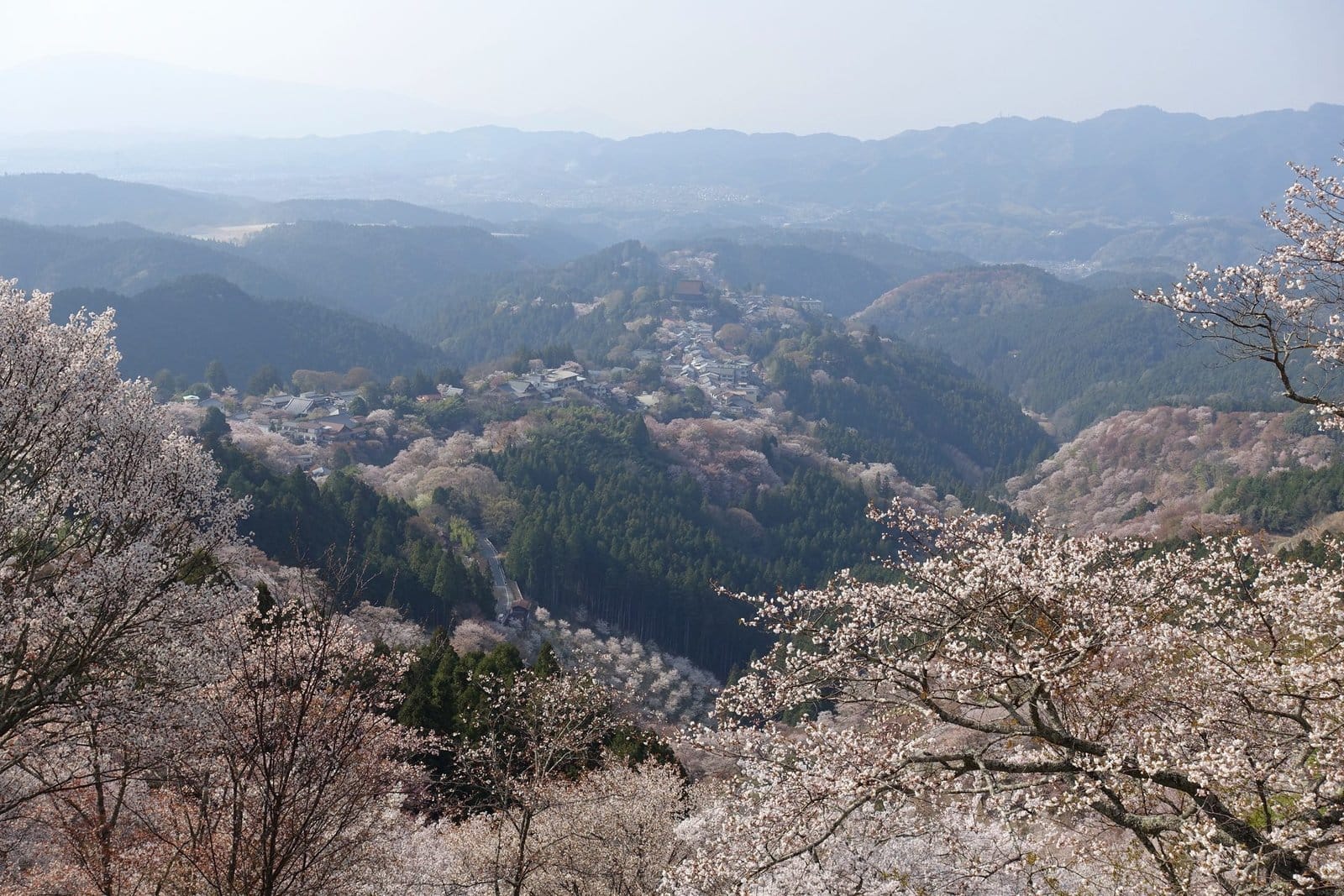
Japan has no shortage of iconic scenery, but Yoshino's sakura in Nara Prefecture is in a league of its own. With roughly 30,000 cherry trees blanketing an entire mountainside, this is the kind of place that makes you stop mid-step, breathe in slowly, and wonder if you've accidentally walked into a screensaver. Spoiler: you haven't — it's just that good.
1. What Makes Yoshino So Special
Yoshino (吉野) isn't a manicured city park — it's a whole mountain draped in blossoms. The trees are divided into four zones (下千本, 中千本, 上千本, 奥千本 — Lower, Middle, Upper, and Inner Senbon), which means the bloom rolls uphill over the course of about two weeks, giving you a generous window to catch peak color somewhere on the mountain.
The light here shifts dramatically throughout the day — golden at dawn, blinding-white at midday, then blush-pink and lilac as the sun drops. Every hour feels like a different photograph. Visitors consistently say the journey up the mountain is as memorable as the destination itself, especially as the landscape reveals itself gradually around each bend in the trail.
2. Must-Visit Photo Spots
Yoshino rewards explorers. Beyond the obvious viewpoints, there are quieter corners that most tour groups never reach. Here's where to point your camera:
Zao-do Hall Viewpoint: The classic panoramic overlook above Kinpusen-ji temple. Arrive at sunrise or sunset for the most dramatic light — easily a 180-degree sweep of blossoms.
The Pilgrimage Path (Yoshino Mikumari Shrine Trail): Centuries-old cherry trees line this ancient route, forming a natural tunnel of blossoms in peak season. Think: the Japanese equivalent of a fairy-tale forest path.
Yoshino River Reflection: Head down to the Yoshino River at the mountain's base for mirror-perfect reflections of the cherry-covered hillside — symmetry that practically frames itself.
Okuno-senbon (Inner Senbon): The highest and most remote zone. Fewer crowds, more atmosphere. The payoff for the extra legwork is a panoramic view over the entire Yoshino valley.
3. Best Time to Visit
Yoshino is worth a visit any time of year, but early to mid-April is when everything comes together:
- Weather is mild and stable — ideal for hiking and outdoor photography
- Cherry blossoms hit their seasonal peak (exact dates shift year to year; check Japan Meteorological Corporation forecasts closer to your trip)
- Natural light is golden and soft, especially 6–9 AM and 4–6 PM
- Crowds are manageable on weekdays — busy, but not Shibuya-at-rush-hour bad
A winter visit offers something completely different: snow-dusted trees and an almost eerie stillness. Just note that mountain paths can get icy. Autumn's fiery foliage (late October–November) is a strong runner-up for sheer color drama.
4. Getting There — and Getting Around
Yoshino is about 1.5 hours from Osaka or Kyoto by train. The most straightforward route:
- From Osaka (Abenobashi/Tennoji): Take the Kintetsu Yoshino Line direct to Yoshino Station (~1 hr 20 min, around $10–12 each way). No JR Pass coverage on this leg, but it's affordable.
- From Kyoto/Nara: Transfer via Kashihara-jingu-mae on the Kintetsu network.
Once at Yoshino Station, a ropeway (cable car) whisks you up to the Lower Senbon area — a 3-minute ride that saves serious climbing. From there, the mountain is best explored on foot: trails are well-marked, and the walk between zones is part of the experience.
If you want flexibility to explore the wider Nara region — rural villages, hidden shrines, mountain passes — renting a car is your best move. Public transit doesn't reach many of the best spots.
✨ Pro tip: Book a private car with OlaChill to explore Yoshino and the Nara countryside at your own pace — driver-guided or self-drive options available.
5. Sample 1–2 Day Itinerary
Day 1
- 6:00 AM — Arrive at the main viewpoint above Zao-do Hall for sunrise; the mountain glows pink before the crowds arrive
- 8:00 AM — Breakfast at a local teahouse along the pilgrimage path; try kaki-no-ha sushi (pressed sushi wrapped in persimmon leaves), a Yoshino specialty
- 9:30 AM — Walk the main trail from Lower to Upper Senbon, stopping at viewpoints along the way
- 12:00 PM — Lunch at a rest stop or a small restaurant on the mountain; grab kuzu mochi (arrowroot rice cake) for dessert — another Yoshino staple
- 2:00 PM — Side trips: nearby Kinpusen-ji temple, Yoshimizu Shrine, or the Yoshino River valley
- 5:00 PM — Check into your ryokan or guesthouse in the village
- 6:30 PM — Soak in an onsen (if your accommodation has one), then sit down to a kaiseki dinner — multi-course Japanese cuisine worth every penny
Day 2
- 7:00 AM — Early breakfast; hit the trail before day-trippers arrive
- 8:30 AM — Hike up to Okuno-senbon (Inner Senbon) — quieter, more atmospheric, better views
- 11:00 AM — Yoshino River for reflection shots
- 1:00 PM — Lunch and a relaxed wind-down
- 3:00 PM — Head on to your next stop (Nara City, Osaka, or Kyoto) or begin your return
6. Practical Tips
- 📷 Golden hour is non-negotiable: The 30 minutes either side of sunrise and sunset are when the light turns magical. Set your alarm.
- 🚗 Book transport early: April is peak cherry-blossom season across Japan. Whether you're renting a car or booking a ryokan, do it at least 2–3 weeks out — ideally more.
- ⛽ Fill up before you head into the hills: Gas stations thin out quickly once you're in the Nara mountain areas.
- 📱 Download offline maps: Google Maps offline works well for the Nara region; cell signal can be patchy on mountain trails.
- 🍙 Stock up at a convenience store: 7-Eleven and FamilyMart are your best friends on the road. Japan's convenience store food is genuinely excellent — onigiri, sandwiches, hot drinks — grab supplies before heading up the mountain.
- ☁️ Watch the forecast: Spring weather in Japan can be fickle. A single rainy day can knock the blossoms off the trees, so flexibility in your schedule pays off.
![The Ultimate Guide to Japan's Best Hidden Scenic Driving Routes [2024 Edition]](/_next/image?url=%2Fimg%2Fwiki%2Fnaruto-whirlpools-jaw-dropping-natural-wonder-2.jpg&w=1200&q=75)