Winter Snow in Japan – Magical White Roads Through Ancient Villages and Sacred Shrines
Japan's winter snowscapes — ethereal white roads through thousand-year-old shrines, UNESCO villages, and mountain wilderness. Your complete first-timer's guide to chasing snow in Japan.
Feb 14, 2026·✍️ olablog·⏱ 7 min read
Japan's winter snowscapes — ethereal white roads through thousand-year-old shrines, UNESCO villages, and mountain wilderness. Your complete first-timer's guide to chasing snow in Japan.
A Japanese winter is one of those bucket-list experiences that genuinely lives up to the hype. When the first flakes of the season start falling, the entire country pulls on a pristine white coat — transforming ancient villages, centuries-old shrines, and mountain passes into something straight out of a fairy tale. If you're planning your first snow-chasing trip to Japan, consider this your go-to guide.
Why Is Japanese Snow So Special?
Japan's reputation as one of the world's great snow destinations is well earned. Its geography does the heavy lifting: Arctic winds sweep down from Siberia across the Sea of Japan, picking up moisture and dumping extraordinary quantities of light, dry powder across the mountain ranges. Skiers and snowboarders around the globe have coined a term for it — "JAPOW" (Japan Powder) — and once you've experienced it, you'll understand the obsession.
But what truly sets Japanese snow apart isn't just the quality — it's the cultural backdrop. Picture the steep-roofed gassho-zukuri farmhouses of Shirakawa-go buried under a meter of snow. The gilded Kinkaku-ji (Golden Pavilion) in Kyoto dusted with a delicate white frosting. A local train cutting through a vast white plain in Hokkaido. These aren't just pretty postcards — they're the defining images of a Japanese winter.
The Best Snow Destinations in Japan
🏔️ Hokkaido – Japan's Snow Kingdom
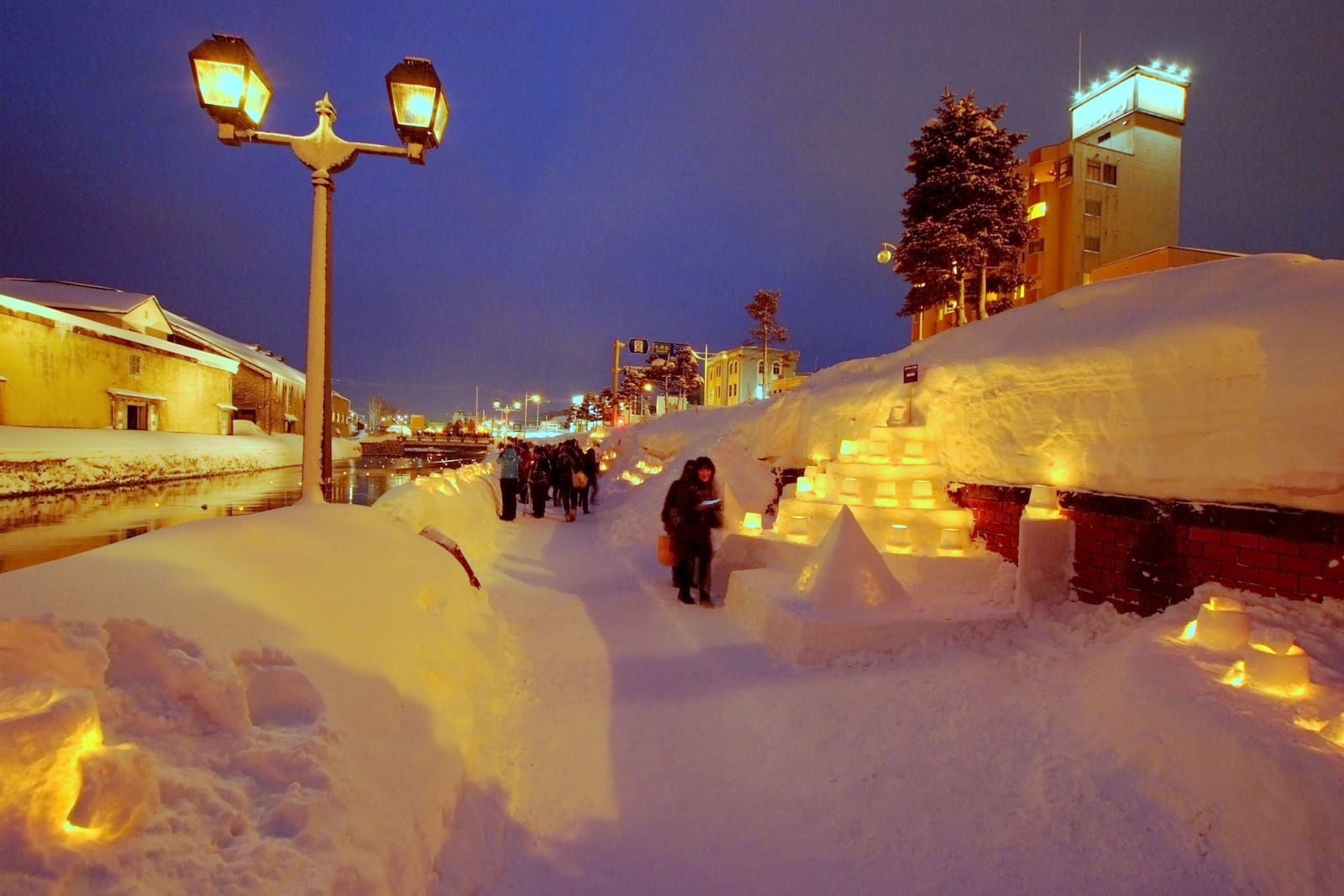
Hokkaido is the undisputed heavyweight. From mid-December through late March, the entire island is blanketed in deep, consistent snow. Sapporo hosts the legendary Sapporo Snow Festival in early February, drawing millions of visitors to see monumental ice sculptures carved with jaw-dropping precision. Otaru, with its frosted canal and soft-glowing snow lanterns, is a short day trip away. And Niseko — widely regarded as Asia's premier ski resort — is the place to be if you've come to actually ski the JAPOW.
⛩️ Shirakawa-go & Gokayama – A Real-Life Fairy Tale
Straddling Gifu and Toyama prefectures, these UNESCO World Heritage villages are exactly as magical as every travel magazine makes them look. During special light-up evenings (usually held on select nights in January and February), the thick-thatched, steep-pitched rooftops glow against the dark winter sky in a scene of almost surreal beauty. Fair warning: light-up tickets sell out months in advance, so book early and book fast.
🐒 Jigokudani – Monkeys in the Hot Spring
In Nagano, you can witness one of Japan's most endearingly bizarre spectacles: wild Japanese macaques (snow monkeys) lounging contentedly in an outdoor hot spring, surrounded by snow-laden trees. It's the kind of only-in-Japan moment that stops every first-time visitor in their tracks.
🚂 Tohoku – Quiet, Untouched Snow Country
If Hokkaido feels too crowded, head to the Tohoku region (Aomori, Akita, Yamagata). Ginzan Onsen in Yamagata looks like it was lifted directly from the set of Spirited Away — gas-lit wooden inns lining a narrow riverside street, snow piling up on every ledge. And the Juhyo "Snow Monsters" on Mount Zao — trees so encrusted with ice and snow they look like alien creatures — are a natural phenomenon found almost nowhere else on Earth.
When to Go: A Practical Snow Timeline
| Window | Conditions | Best For |
|---|---|---|
| Mid-Dec – Early Jan | First heavy snowfalls; Christmas & New Year atmosphere | Winter illuminations, hatsumode shrine visits |
| Jan – Mid-Feb | Peak snow depth and quality; prime JAPOW season | Skiing, photography, snow festivals |
| Late Feb – Early Mar | Snow still present; clearer skies; lower prices | Budget travel, scenic drives |
Honest advice: if this is your first Japanese winter trip, aim for late January to mid-February. Snow is virtually guaranteed, festivals are in full swing, and flights haven't yet hit the spring premium pricing season.
The Best Scenic Snow Drives
Driving in a Japanese winter isn't for the faint-hearted — but it's absolutely worth it. Rental cars in snowy regions come fitted with studless winter tires as standard, and Japanese roads are maintained and cleared to an impressively high standard.
A few drives worth putting on your radar:
- Biei to Furano (Hokkaido): Rolling white fields broken up by bare, skeletal trees — it looks like a woodblock print come to life.
- Takayama → Shirakawa-go → Kanazawa: The classic mountain-crossing route through the Japanese Alps.
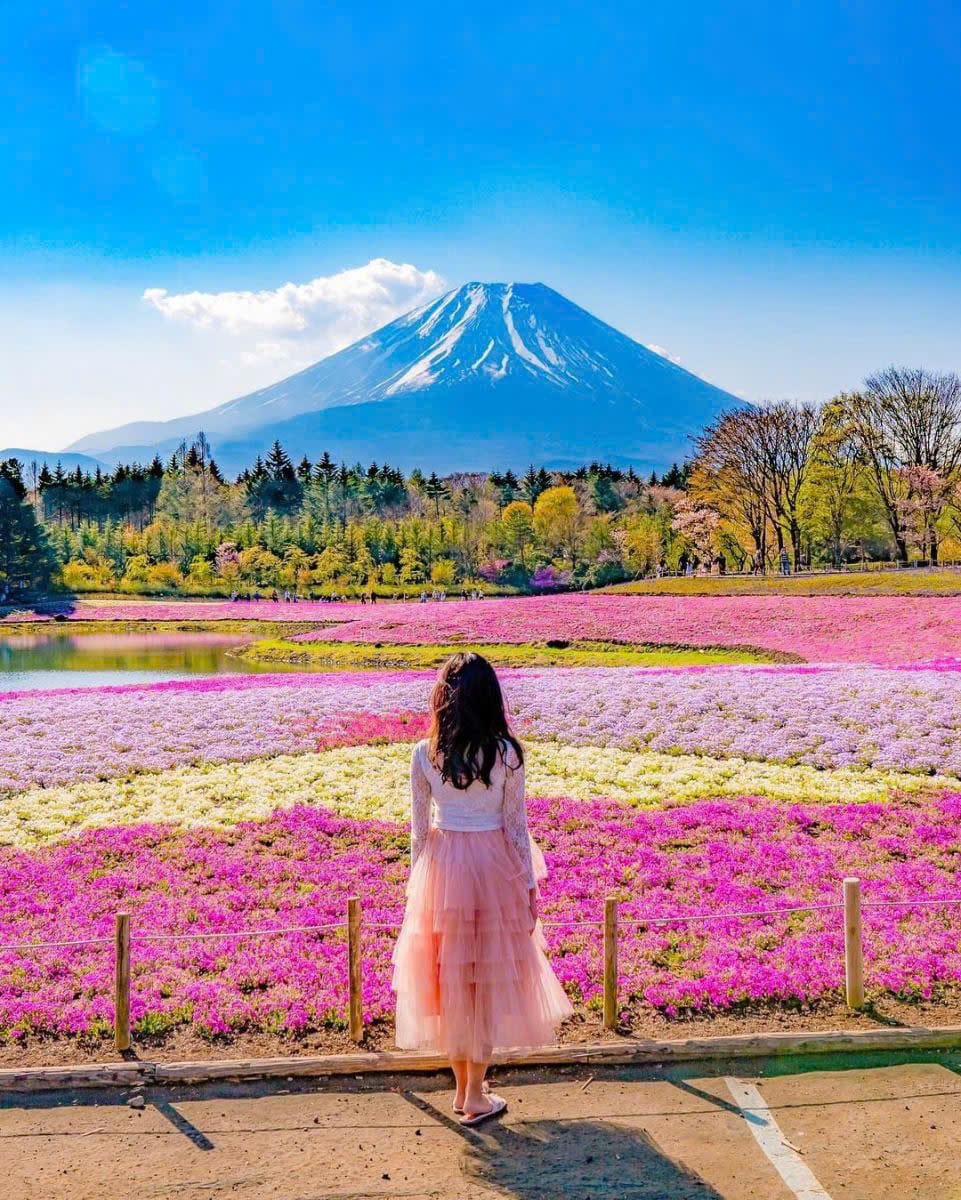
- Hakone → Fuji Five Lakes: Multiple angles on snow-capped Mount Fuji, just a two-hour drive from Tokyo.
Not confident driving on snow? That's completely understandable for a first-timer. Consider booking a car with a driver through OlaChill so you can focus entirely on the view rather than the road conditions.
First-Timer's Practical Guide to Japan in Winter
Clothing: This is not the trip to cut corners on gear. Invest in a proper down jacket, waterproof gloves, a warm hat that covers your ears, and — critically — grip-soled snow boots. Temperatures in Hokkaido can drop to around 5°F (-15°C). Tokyo stays milder (roughly 32–46°F / 0–8°C), but the wind cuts right through you.
Footwear: Sneakers will leave you cold, wet, and dangerously close to a comedy fall. Get proper snow boots with a lugged sole, or pick up anti-slip crampon attachments at any Don Quijote store for around $7–$13. Seriously, buy these.
Heat Packs (Kairo): Available at every 7-Eleven and Lawson for about $0.70–$1.50 each. Slip them into your pockets, stick one to your lower back, or tuck one inside your shoes. They stay warm for 8–12 hours and are genuinely life-changing on a cold sightseeing day.
Getting Around:
- A JR Pass is great value if you're covering multiple regions — the 7-day pass runs around $330.
- Use our Japan train search tool to plan your rail itinerary in detail.
- Sort out a Japan eSIM before you leave home for seamless access to Google Maps and real-time transit info: Japan Travel eSIM.
Daylight Hours: Japanese winter days are short — it's dark by around 4:30–5:00 PM. Plan all outdoor sightseeing in the morning, and save the afternoons and evenings for onsen, dinner, and shopping.
Must-Do Winter Experiences in Japan
- 🍲 Eat nabe (Japanese hot pot) in a tiny neighborhood restaurant while snow falls outside — there is no cozier feeling on the planet.
- ♨️ Soak in an outdoor rotenburo hot spring while snowflakes land on your shoulders — the ultimate Japanese relaxation experience.
- 🍶 Warm up with atsukan (hot sake) after a long day of exploring.
- 🎿 Try skiing or snowboarding at Niseko, Hakuba, or Zao — English-language lessons are widely available for complete beginners.
- 📸 Rent a winter kimono (padded and warm) for a snow photo shoot — it's a genuinely unforgettable experience. See Japan kimono rental options.
Final Thoughts
Japanese snow isn't just a weather event — it's a cultural experience, an emotional one, and the kind of memory that sticks with you long after the trip ends. From silent snowflakes settling on a Kyoto shrine roof, to a white-blanketed road leading into an ancient village, to simply tilting your face up and feeling the cold on your cheeks — every single moment is worth it.
Have the best Japanese winter of your life — and come back with a full camera roll. ❄️