Japan's Famous Skyline Roads – Driving Through the Clouds
Japan's legendary Skyline Roads wind through the clouds at up to nearly 8,900 feet. The ultimate guide for road-trip lovers chasing the country's most spectacular mountain drives.
Mar 8, 2026·✍️ olablog·⏱ 7 min read
Japan's legendary Skyline Roads wind through the clouds at up to nearly 8,900 feet. The ultimate guide for road-trip lovers chasing the country's most spectacular mountain drives.
Skyline Roads – Japan's Drives Above the Clouds
If you've conquered the Shinkansen and are ready for something more visceral, Skyline Roads are your next obsession. These are Japan's high-altitude mountain highways — built to hug ridgelines and summit passes — where you genuinely feel like you're driving through the sky, with a sea of clouds rolling beneath you and volcanic peaks on every horizon.
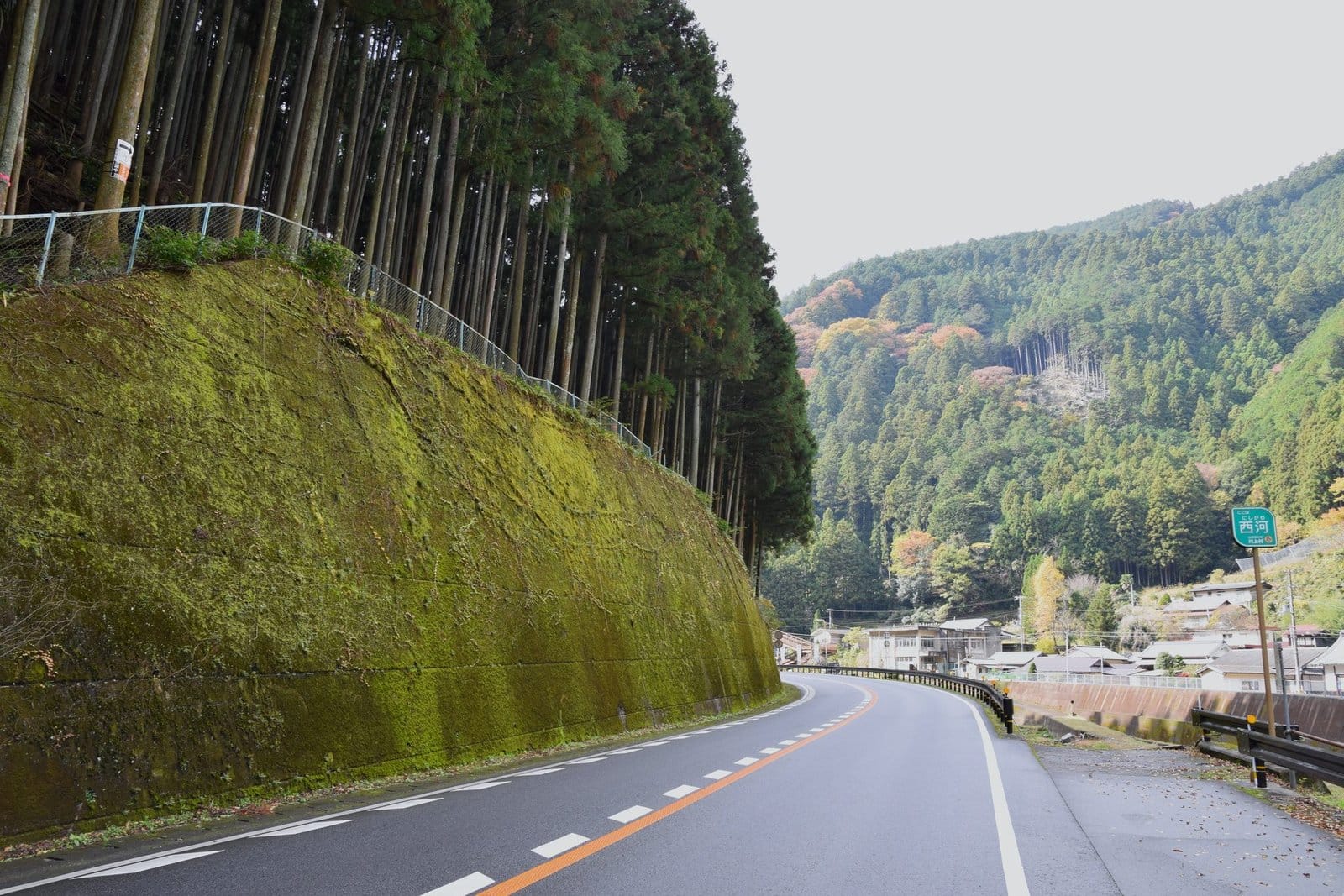
Unlike regular highways, Japan's Skyline Roads are engineered for scenery first, speed second. They range from forested passes to roads that climb close to 8,900 feet, many cut through national parks, and most are only open seasonally. Road-trip enthusiasts call them Japan's "dream drives" — and after one lap, you'll understand why.
The Top Skyline Routes Worth the Drive
Here's a breakdown of the most iconic routes that are genuinely accessible for independent travelers:
🗻 Fuji Subaru Line & Fuji Skyline (Yamanashi – Shizuoka)
These two routes climb to Mt. Fuji's Fifth Station (Gogome) at roughly 7,500 feet. Fuji Subaru Line approaches from the north (Kawaguchiko side); Fuji Skyline comes up from the south (Shizuoka side). Fuji Subaru Line is a toll road, while Fuji Skyline is toll-free. During the summer climbing season (roughly early July to around 10 September), both roads are closed to private vehicles, so you'll need to park at the base and take a shuttle bus.
🍁 Bandai-Azuma Skyline (Fukushima)
Nicknamed Sora no Michi ("Road in the Sky"), this 18-mile route cuts through an active volcanic landscape. The highlight is the perfectly circular crater of Mt. Azuma-Kofuji — one of Japan's most photogenic viewpoints. Open mid-April through November, and absolutely stunning during autumn foliage (koyo) from late September to early November.
🌋 Nikko Irohazaka (Tochigi)
Two one-way roads, one up and one down, with 48 hairpin bends between them — each bend marked with a character of the classical Iroha syllabary. Only about two hours from Tokyo, it's the easiest Skyline escape from the city and a crowd-pleaser at any skill level.
❄️ Shiretoko Pass & Bihoro Pass (Hokkaido)
Visiting Hokkaido in summer? Don't skip Bihoro Pass for its panoramic view over Lake Kussharo — one of the widest, most jaw-dropping vistas in all of Japan. The Shiretoko Pass road closes from early November to late April, and Bihoro Pass, though open all year, can shut during winter blizzards.
🏔️ Norikura Skyline (Gifu – Nagano)
Japan's highest road, topping out at Tatamidaira at about 8,865 feet (2,702 m). Private vehicles are banned here to protect the alpine environment, so you'll take a shuttle bus from Hirayu Onsen — but the scenery absolutely earns that detour.
When Should You Go?
Here's a critical detail many first-timers miss: Japan's Skyline Roads close in winter. Most are only open from mid-April through early November. Here's a quick seasonal cheat sheet:
| Time of Year | What You'll See | Watch Out For |
|---|---|---|
| Late April – May | Lingering snow on peaks, iconic Tateyama Snow Walls | Some routes only just opening — check schedules |
| June – July | Lush early-summer green, alpine wildflowers | Rainy season (tsuyu) can mean heavy fog |
| August | Clear skies, dramatic cloud seas | Peak crowds — book accommodation well ahead |
| Late Sept – November | Blazing autumn foliage (momiji) | Best of the year — prioritize this window |
Personal recommendation: if you only go once, aim for late October to early November — maple colors against a morning sea of clouds is an image that will live rent-free in your head forever.
Driving Tips for First-Timers
Driving a Skyline Road in Japan is very doable, but a few things are worth knowing before you go:
- License: You need an International Driving Permit (IDP) issued under the 1949 Geneva Convention, plus your original home-country license and your passport. All three. Miss one and rental companies won't hand you the keys.
- Left-hand traffic: Japan drives on the left, like the UK and Australia. The tight hairpin bends on Skyline routes can feel disorienting at first — take it slow and stay in your lane.
- Fuel: There are virtually no gas stations on the mountain. Fill up completely before you start climbing.
- Tolls: Many Skyline routes are toll roads. Pay cash at the booth, or use an ETC card if your rental car has a transponder (many do — ask when booking).
- Mobile signal: Expect patchy or nonexistent service at elevation. Download offline Google Maps for the region before you leave, and grab a travel SIM or eSIM so you're connected whenever signal returns.
👉 If it's your first time in Japan and you'd rather skip the stress on trickier routes like Fuji Skyline or Bandai-Azuma, book a private driver through OlaChill — you'll get a local driver who knows every hidden viewpoint that doesn't show up on Google Maps.
Sample 2-Day Itinerary: Tokyo → Fuji Subaru Line
Day 1:
- 7:00 AM: Pick up rental car in Shinjuku, drive toward Kawaguchiko (~2 hours)
- 10:00 AM: Start the Fuji Subaru Line ascent; stop at the Fourth Station to watch the cloud sea
- 12:00 PM: Lunch at the Fifth Station — try Houtou, Yamanashi's hearty flat-noodle hot pot (around $10 a bowl)
- 2:00 PM: Descend and loop around Lake Kawaguchi
- Evening: Check into a ryokan with onsen and Mt. Fuji views (budget $120–$230 per person per night, two meals included)
Day 2:
- 5:30 AM: Early start to catch Aka-Fuji (Red Fuji) at sunrise from the lakeshore
- 8:00 AM: Breakfast, then visit Oshino Hakkai historic village
- 10:00 AM: Stop at Chureito Pagoda for the classic five-story pagoda + Fuji shot
- 2:00 PM: Head back to Tokyo, return car
Quick Tips That Actually Matter
- 📍 Go early, leave early: Scenic pull-outs on Skyline roads fill up by 10 AM on weekends. On the road before 7 AM is the move.
- 🌫️ Check the webcam before you drive: Major Skyline routes have real-time webcams on national park websites. A thick fog day means you'll see absolutely nothing — check before committing.
- 🍱 Pack food: Mountain cafés are sparse and pricey. Stop at a Lawson or 7-Eleven at the base and grab onigiri, sandwiches, and drinks.
- 🧥 Bring layers: The air cools steadily as you climb, so a hot August day at the base can feel distinctly chilly at the Fifth Station, especially early in the morning or when fog and wind roll in.
- 📷 Golden hour timing: Shoot in the 30 minutes after sunrise or the hour before sunset. Cloud seas peak between 5–7 AM.
- ⛽ Carry cash: Many mountain toll booths are cash-only. Keep at least $65–70 in small bills in the car.
Japan's Skyline Roads aren't a "quick stop for a selfie" kind of destination — they reward the traveler who slows down and lets the landscape unfold. Once you've driven through a sea of clouds and watched the sun rise behind a snow-dusted volcanic peak, you'll understand why the Japanese call these routes tenku no michi — the roads of the heavenly sky.