Solo Female Travel in Japan: A Guide for Indian & Bangladeshi Women
A comprehensive guide for Indian & Bangladeshi solo female travelers to Japan, covering safety, budget, food, and cultural tips.
Jul 10, 2026·✍️ olablog·⏱ 21 min read
A comprehensive guide for Indian & Bangladeshi solo female travelers to Japan, covering safety, budget, food, and cultural tips.
Japan consistently ranks among the safest countries globally, a reassuring fact for any solo traveler. For Indian and Bangladeshi women contemplating their first or second trip, this guide demystifies the journey, offering practical insights and converting key costs, like a typical hostel bed at ¥3,000 (approx. ₹1,680), to help you plan with confidence. This article focuses on navigating Japan securely and comfortably, addressing specific concerns regarding safety, cultural norms, and dietary needs.
Japan's Safety Landscape for Solo Female Travelers
Japan’s reputation for safety is not merely anecdotal; it is consistently backed by global indices. Low crime rates, particularly violent crime, mean that walking alone at night, using public transport, or even leaving belongings unattended for short periods (though not recommended anywhere) is generally considered safe. This inherent security is a significant comfort for solo female travelers from India and Bangladesh, where such freedoms might be less common. The societal emphasis on order, respect, and meticulousness contributes to this environment. Japanese people are typically helpful, though language barriers can sometimes pose a challenge. However, with the rise of translation apps and widely available tourist information in English, navigating situations is becoming increasingly straightforward.
For instance, if you accidentally leave a bag on a train, the likelihood of it being returned to a lost and found office, often with all contents intact, is remarkably high. This level of honesty extends to everyday interactions. As a solo female traveler, you are unlikely to encounter aggressive touts or unsolicited attention, which can be a relief compared to experiences in some other parts of the world. While general vigilance, as in any country, is always advisable, Japan allows a degree of freedom and peace of mind that can truly enhance your travel experience. Understanding this foundational safety allows you to focus more on immersion and discovery rather than constant self-preservation. This pervasive sense of security often comes as a pleasant surprise to first-time visitors from South Asia, accustomed to a different set of safety considerations.
Women-Only Facilities: Comfort and Privacy
Japan offers a unique advantage for solo female travelers through its dedicated women-only facilities, designed to enhance comfort and privacy. These options are particularly relevant for those seeking an extra layer of security or simply a more serene environment.
Women-Only Train Cars
During peak hours, major urban train lines in cities like Tokyo, Osaka, and Kyoto often designate specific cars as "women-only." These cars are typically marked with clear pink signage, both on the platform and on the train doors themselves. The exact timings and car numbers can vary by line and time of day, but they are generally enforced during morning and evening rush hours (e.g., 7:00 AM to 9:00 AM and 5:00 PM to 7:00 PM). These cars provide a space free from overcrowding and potential discomfort, ensuring a more relaxed commute. While not strictly mandatory to use, many solo female travelers appreciate this option, especially when navigating crowded lines like the JR Yamanote Line in Tokyo. Checking station signs or asking station staff (by pointing to the pink "women-only car" symbol on your phone) can clarify their availability. This is a practice rarely seen in India or Bangladesh, and it's a testament to Japan's proactive approach to public safety and comfort.
Women-Only Floors in Hotels and Hostels
Many hotels, particularly business hotels and capsule hotels, offer "ladies-only" floors or rooms. These floors often come with enhanced security features, such as keycard access required to enter the floor itself, separate laundry facilities, and sometimes even amenities like complimentary skincare products. For instance, reputable chains like APA Hotel, Dormy Inn, and some branches of Mitsui Garden Hotel often provide these options. Capsule hotels, known for their compact and budget-friendly accommodation, frequently feature entire female-only sections or floors, ensuring a private and secure sleeping environment. A night in a women-only capsule hotel can cost around ¥3,500-¥5,000 (approx. ₹1,960-₹2,800 or BDT 2,000-3,000), offering both affordability and peace of mind. When booking, look for terms like "レディースフロア" (ladies' floor) or "女性専用" (female-only) on hotel websites or booking platforms. This can be a significant comfort for those accustomed to shared spaces and desiring a higher degree of privacy.
Other Women-Only Spaces
Beyond trains and hotels, you might occasionally encounter women-only lounges in department stores, private booths in certain restaurants, or even specific onsen (hot spring) facilities. While less common than train cars or hotel floors, these spaces further underscore Japan's commitment to providing comfortable and safe environments for women. These facilities are not about segregation but about offering choices that cater to different comfort levels, an aspect that many South Asian women appreciate.
Night-Time Comfort and Navigating After Dark
Navigating Japan after dark as a solo female traveler is generally very comfortable due to the country's low crime rate and well-lit urban areas. Major cities like Tokyo, Kyoto, and Osaka maintain a vibrant, yet orderly, atmosphere late into the night. Public transportation, especially trains and subways, operates efficiently until around midnight or 1:00 AM, making it easy to return to your accommodation. Unlike some cities globally, you're unlikely to encounter deserted streets or feel unsafe waiting at a station.
However, a few practical considerations can enhance your comfort. Always be aware of the last train times for your route. Missing the last train can mean an expensive taxi ride, which can quickly add ¥3,000-¥5,000 (approx. ₹1,680-₹2,800) to your budget, depending on the distance. Station announcements and digital signage clearly indicate timings. If you find yourself out late, main streets in entertainment districts like Shinjuku or Shibuya remain bustling and well-lit. While you might encounter groups of salarymen enjoying post-work drinks, they are generally respectful and non-intrusive. Using mapping apps like Google Maps for walking directions also helps you stick to well-trafficked routes. For those preferring extra caution, choosing accommodation near major train stations or in well-populated areas can provide additional peace of mind. The general sense of public order and the presence of other people, even late at night, often alleviate concerns that might arise in other countries.
Dress Code Reality: Balancing Comfort and Cultural Sensitivity
For travelers from India and Bangladesh, concerns about appropriate dress in a foreign culture are natural, especially for women. Japan, while modern, is a society that values modesty and neatness. However, the "dress code" is far more relaxed than some might anticipate, particularly in major cities.
General Public Spaces
In urban centers like Tokyo and Osaka, you will see a wide range of fashion, from conservative to trendy. Modest clothing is generally preferred, but there's no strict rule against sleeveless tops or knee-length skirts/dresses. The key is neatness and avoiding anything overly revealing. For visiting temples, shrines, or more traditional areas like Kyoto's Gion district, opting for clothing that covers shoulders and knees is a sign of respect, though not usually enforced with entry restrictions like in some religious sites in other countries. Think comfortable, breathable fabrics suitable for walking and changing weather. Unlike some Western countries where very casual attire is common, Japanese people tend to be well-groomed, even when dressed casually. So, while you don't need formal wear, avoiding overly distressed clothing or very revealing outfits will help you blend in more comfortably.
Religious Sites and Traditional Settings
When visiting temples and shrines, the expectation is more about respectful behavior than a rigid dress code. Shoulders and knees covered are generally recommended out of respect for the sacred space. Carrying a light scarf or shawl can be useful for quickly covering up if you feel the need. Footwear is often removed before entering certain areas of temples or traditional Japanese homes (like ryokans or some restaurants). Slip-on shoes are therefore highly practical. This practice is akin to removing shoes before entering homes or places of worship in India and Bangladesh, making it a familiar cultural norm. Generally, a good rule of thumb is to dress as you would for a visit to a mosque or temple back home – respectful but not necessarily formal.
Onsen (Hot Springs)
One area where dress code (or lack thereof) is specific is onsen. Public onsen are typically enjoyed nude, with separate sections for men and women. For those uncomfortable with full nudity, many ryokans offer private onsen (kashikiri-buro), which can be reserved for individual use or by couples/families, offering complete privacy. Alternatively, some onsen theme parks, like Hakone Kowakien Yunessun, allow swimwear. Researching the type of onsen before visiting is crucial. This might be a cultural hurdle for some, but understanding the tradition can help in making an informed choice.
Ultimately, dress for comfort and practicality, keeping in mind the season. Summers (June-August) are hot and humid, similar to the monsoon season in India and Bangladesh (called tsuyu in Japan, though it's more of a rainy season than a pure monsoon), so light, breathable fabrics are essential. Winters are cold, requiring layers. A simple, respectful wardrobe will serve you well throughout your trip.
Connecting with Other Travelers and Locals
Solo travel doesn't mean you have to be alone all the time. Japan offers several avenues for connecting with fellow travelers and experiencing local culture more intimately.
Hostels and Guesthouses
Staying in hostels or guesthouses with common areas is an excellent way to meet other international travelers. Many hostels in Japan, even budget-friendly ones, are impeccably clean and well-managed. Look for places with lively common rooms, organized events, or group activities like walking tours or cooking classes. For example, K's House or J-Hoppers are popular chains with a friendly atmosphere. A bed in a female-only dorm can cost around ¥2,500-¥4,000 (approx. ₹1,400-₹2,240 or BDT 1,500-2,500) per night. These environments foster easy conversations and often lead to shared sightseeing plans or dinner outings.
Guided Tours and Workshops
Joining day tours, especially those focused on specific interests like food, history, or photography, is another effective way to meet people. Companies like Klook or Viator offer a range of small-group tours. Similarly, participating in cultural workshops, such as a traditional tea ceremony, kimono wearing, or a cooking class (e.g., learning to make sushi or ramen), not only offers a unique cultural experience but also provides a shared activity that naturally sparks conversation. Many cooking classes cater to dietary restrictions if informed in advance, which is a great way to combine cultural immersion with specific food needs.
Local Interaction
While spontaneous conversations with locals might be less common than in some other countries due to language barriers and cultural nuances, Japanese people are generally very polite and helpful. Learning a few basic Japanese phrases like "Konnichiwa" (hello), "Arigato gozaimasu" (thank you very much), and "Sumimasen" (excuse me/sorry) can go a long way. Don't hesitate to ask for directions or assistance; many younger Japanese people have some English proficiency, and even if they don't, they will often try their best to help. Engaging in activities like visiting local markets, small cafes, or attending local festivals (check local tourism boards for schedules) can also provide opportunities for authentic interactions, even if brief. Apps like Meetup can sometimes list local gatherings or language exchange events if you're looking for more structured social interaction.
Food for Thought: Navigating Vegetarian and Halal Choices
For Indian and Bangladeshi travelers, dietary restrictions, particularly vegetarianism and halal food, are often a significant concern when traveling abroad. Japan, while not traditionally vegetarian or halal-friendly, has made considerable progress in recent years. With a bit of planning and specific strategies, enjoying delicious Japanese cuisine without compromising your dietary needs is entirely possible.
Vegetarian Options
Japanese cuisine traditionally relies heavily on dashi (broth made from bonito flakes, a type of fish) for its umami flavor, even in dishes that appear vegetarian. However, the growing awareness of vegetarianism and veganism, especially in major cities, means more options are emerging.
- Key Phrases: Learn a few essential phrases. "Watashi wa bejitarian desu" (I am vegetarian) and "Niku/Sakana o tabemasen" (I don't eat meat/fish) are good starting points. More specifically, "Dashi nuki de onegaishimasu" (Please exclude dashi/fish broth) is crucial. Writing these phrases down or having them ready on a translation app can be very helpful.
- Temple Cuisine (Shojin Ryori): In Kyoto and other traditional areas, many Buddhist temples serve shojin ryori, traditional vegetarian (often vegan) temple cuisine. This is a highly recommended authentic and delicious experience. Reservations are often required, and prices can range from ¥3,000-¥8,000 (approx. ₹1,680-₹4,480) per meal.
- Udon/Soba Noodles: Many udon and soba noodle shops can prepare dishes without dashi if requested, using a kombu (kelp) based broth instead. Look for "kombu dashi" options. Tempura (vegetable tempura) can also be a safe bet, but confirm the batter is egg-free if strictly vegan.
- Tofu and Soy Products: Japan is a paradise for tofu lovers. Tofu, soy milk, and other soy-based products are widely available and often feature prominently in dishes.
- Konbini (Convenience Stores): These are a lifesaver. Look for rice balls (onigiri) with umeboshi (pickled plum) or kombu fillings, vegetable salads, edamame, and fruit. Always check ingredients, as some seemingly plain items might contain fish extract.
- Dedicated Vegetarian/Vegan Restaurants: Use apps like HappyCow or Google Maps to find restaurants specifically catering to vegetarians and vegans. These are most common in Tokyo (Shibuya, Shinjuku, Ueno), Kyoto, and Osaka.
- Indian Restaurants: Major cities will have Indian restaurants, offering familiar vegetarian curries and breads. While perhaps not the primary reason to visit Japan, they offer a reliable and satisfying meal when other options are scarce.
Halal Options
While less prevalent than vegetarian options, halal food is also becoming more accessible, particularly in areas with a growing Muslim tourist population or established Muslim communities.
- Halal-Certified Restaurants: Look for restaurants displaying halal certification logos. These are primarily found in major tourist hubs and around mosques. Tokyo, Osaka, and Kyoto have a growing number of such establishments. Websites like Halal Gourmet Japan or searching "Halal Japan" online can provide up-to-date lists.
- Ramen and Gyudon: Some popular ramen chains and gyudon (beef bowl) restaurants now offer halal menus or specific halal-certified branches. Always confirm directly with the restaurant.
- Fish and Seafood: For those who consume fish but not other meats, Japan's abundance of fresh seafood can be a good option. Sushi and sashimi are generally safe, but be mindful of soy sauce ingredients (some contain alcohol) and confirm side dishes.
- Konbini (Convenience Stores): Similar to vegetarian options, convenience stores offer packaged items like rice balls (with non-meat fillings), salads, and snacks. Again, meticulous label checking is essential.
- Self-Catering: Staying in accommodations with kitchenettes and buying fresh produce from supermarkets (supermarkets often have better labeling than small shops) can be a good strategy for those with strict dietary needs.
General Tips for Both
- Translation App: Google Translate's camera function is invaluable for deciphering menus and ingredient labels.
- Pre-research: Before heading out, research restaurants in your target area. Many establishments list their menus online.
- Communication Card: Consider carrying a small card with clear Japanese phrases explaining your dietary restrictions.
- Don't Assume: Never assume a dish is vegetarian or halal just by its appearance. Always ask or confirm.
- Stock Up: Carry some non-perishable snacks from India or Bangladesh if you have very specific preferences, especially for longer train journeys or remote areas.
With these strategies, the culinary journey in Japan can be as enjoyable and worry-free as the rest of your trip, allowing you to savor the unique flavors without anxiety.
Budgeting Your Solo Adventure: Costs and Conversion
Japan can be perceived as an expensive destination, but with smart planning, it's entirely possible to enjoy a fulfilling solo trip without breaking the bank. Here's a breakdown of typical costs, converted to Indian Rupees (₹) using an approximate rate of ~₹0.56 per ¥1. Bangladeshi Taka (BDT) equivalents are also noted where natural, with ~BDT 0.73 per ¥1.
Accommodation (Per Night)
- Hostel Dorm Bed (Female-only): ¥2,500 - ¥4,000 (approx. ₹1,400 - ₹2,240 / BDT 1,825 - BDT 2,920)
- Capsule Hotel (Female-only): ¥3,500 - ¥5,000 (approx. ₹1,960 - ₹2,800 / BDT 2,555 - BDT 3,650)
- Budget Business Hotel (Single Room): ¥6,000 - ¥10,000 (approx. ₹3,360 - ₹5,600 / BDT 4,380 - BDT 7,300)
- Ryokan (Traditional Inn, often includes meals): ¥8,000 - ¥20,000+ (approx. ₹4,480 - ₹11,200+ / BDT 5,840 - BDT 14,600+)
Food (Per Meal)
- Konbini (Convenience Store Meal): ¥500 - ¥1,000 (approx. ₹280 - ₹560 / BDT 365 - BDT 730) – for onigiri, sandwiches, pre-made meals.
- Casual Restaurant (Ramen, Udon, Curry Rice): ¥800 - ¥1,500 (approx. ₹448 - ₹840 / BDT 584 - BDT 1,095)
- Mid-range Restaurant: ¥2,000 - ¥4,000 (approx. ₹1,120 - ₹2,240 / BDT 1,460 - BDT 2,920) – for a more substantial meal or specific cuisine like shojin ryori.
- Coffee/Tea: ¥300 - ¥600 (approx. ₹168 - ₹336 / BDT 219 - BDT 438)
Transportation
- Single Subway/Train Ride (within city): ¥150 - ¥300 (approx. ₹84 - ₹168 / BDT 109 - BDT 219)
- Day Pass (Tokyo Metro/Subway): ¥600 - ¥900 (approx. ₹336 - ₹504 / BDT 438 - BDT 657)
- JR Pass (7-day Ordinary): ¥30,000 - ¥35,000 (approx. ₹16,800 - ₹19,600 / BDT 21,900 - BDT 25,550) – pre-purchase outside Japan. Essential for extensive inter-city travel.
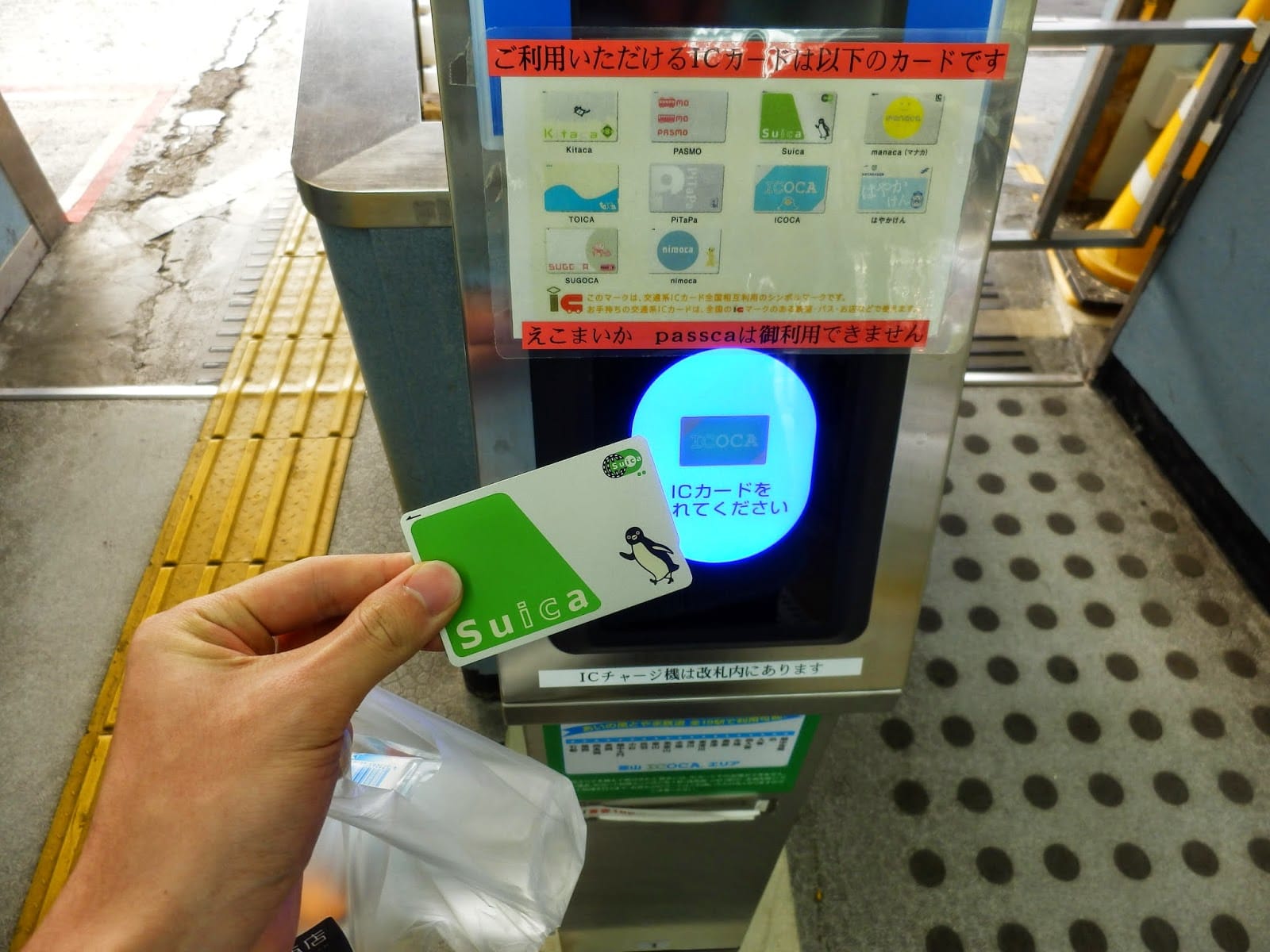
- IC Card (Suica/Pasmo): Initial ¥500 deposit (approx. ₹280 / BDT 365), rechargeable. Highly convenient for local travel, similar to Delhi Metro cards.
Activities/Sightseeing
- Temple/Shrine Entry: Often free, but some major ones charge ¥300 - ¥1,000 (approx. ₹168 - ₹560 / BDT 219 - BDT 730)
- Museums/Galleries: ¥500 - ¥2,000 (approx. ₹280 - ₹1,120 / BDT 365 - BDT 1,460)
- Cultural Experiences (Tea Ceremony, Cooking Class): ¥3,000 - ¥8,000 (approx. ₹1,680 - ₹4,480 / BDT 2,190 - BDT 5,840)
Sample Daily Budget (Mid-Range)
| Category | Cost (¥) | Cost (₹ approx) | Cost (BDT approx) | Notes |
|---|---|---|---|---|
| Accommodation | 4,000 | 2,240 | 2,920 | Female-only hostel/capsule hotel |
| Breakfast (Konbini) | 700 | 392 | 511 | Onigiri, yogurt, juice |
| Lunch (Casual) | 1,200 | 672 | 876 | Vegetarian ramen or udon |
| Dinner (Mid-range) | 2,500 | 1,400 | 1,825 | Dedicated vegetarian restaurant or Indian restaurant |
| Transport | 800 | 448 | 584 | City day pass or multiple single rides |
| Activity/Entry | 1,000 | 560 | 730 | One temple/museum entry |
| Total Daily | 10,200 | 5,712 | 7,446 | This excludes long-distance travel, shopping, and major splurges. A tighter budget could reduce this to ¥8,000-¥9,000, while a more comfortable one could easily go up to ¥15,000-¥20,000+. |
Money-Saving Tips
- JR Pass: If you plan to visit multiple cities (e.g., Tokyo, Kyoto, Osaka, Hiroshima), the Japan Rail Pass is almost always cost-effective. Purchase it before you arrive in Japan. Think of it like a multi-city IRCTC booking but for Japan's excellent Shinkansen (bullet train) network.
- Konbini Meals: Leverage convenience stores (7-Eleven, FamilyMart, Lawson) for affordable and surprisingly good meals, snacks, and drinks.
- Cook Your Own: Stay in hostels with kitchen facilities and buy groceries from supermarkets (like Life, Aeon, or Seiyu) to save on food costs.
- Free Attractions: Many temples, shrines, and parks are free to enter. Prioritize these.
- Walk More: Japan's cities are incredibly walkable. Explore on foot to save on local transport and discover hidden gems.
- Night Buses: For long distances between major cities, consider overnight buses instead of Shinkansen to save money and a night's accommodation. These are comfortable and efficient.
By being mindful of these costs and utilizing available resources, your solo female adventure in Japan can be both enriching and financially manageable.
Navigating Japan's Transport Solo: A Seamless Experience
Japan's public transportation system is renowned for its efficiency, punctuality, and cleanliness, making it incredibly easy for solo travelers to navigate. It's a far cry from the chaotic scenes sometimes associated with public transport in South Asia, more akin to the reliability of systems like the Delhi Metro, but on a grander scale.
Trains and Subways: Your Best Friends
The backbone of Japanese transport is its extensive network of trains and subways. In major cities, you'll primarily use subway lines (operated by various companies like Tokyo Metro and Toei Subway in Tokyo) and JR (Japan Rail) lines.
- IC Cards (Suica/Pasmo): Your first step upon arrival should be to purchase an IC card (Suica or Pasmo in the Kanto region, Icoca in Kansai, Kitaca in Hokkaido, etc.). These rechargeable cards work across most public transport systems nationwide (excluding Shinkansen tickets). Simply tap in and tap out. The initial purchase involves a ¥500 (approx. ₹280) refundable deposit plus your desired top-up amount. This is far more convenient than buying individual paper tickets for each journey.
- Google Maps: This is your indispensable travel companion. It provides real-time train schedules, platform numbers, transfer information, and even estimates the cost of your journey. Input your starting point and destination, and it will give you the most efficient routes.
- Understanding Stations: Japanese train stations are often large and multi-level, but signage is excellent, usually in Japanese and English. Look for the line name, direction (e.g., "for Shinjuku," "for Shibuya"), and platform number.
- Rush Hour: While women-only cars offer a solution, be aware that rush hour (typically 7:30-9:30 AM and 5:00-7:00 PM on weekdays) can be extremely crowded, even outside of these designated cars. If possible, plan your long-distance city travel outside these times.
The Japan Rail Pass (JR Pass)
For travelers planning extensive inter-city travel on JR lines, including the Shinkansen (bullet train), the Japan Rail Pass is often a cost-effective option.
- Eligibility: The JR Pass is generally available only to foreign tourists entering Japan on a "Temporary Visitor" visa stamp. You must purchase an Exchange Order for the JR Pass outside Japan before your trip.
- Activation: Upon arrival, you exchange your Exchange Order for the actual JR Pass at a major JR station (e.g., Narita Airport, Haneda Airport, Tokyo Station). You then specify the start date for your pass.
- Cost & Validity: Passes are available for 7, 14, or 21 consecutive days. A 7-day Ordinary Pass costs around ¥30,000-¥35,000 (approx. ₹16,800-₹19,600).
- Is it Worth It? Calculate if the cost of individual Shinkansen tickets for your planned itinerary exceeds the JR Pass price. For example, a round trip between Tokyo and Kyoto alone is roughly ¥28,000 (approx. ₹15,680), making the 7-day pass worthwhile if you add even one more long-distance trip.
Buses and Taxis
- Local Buses: In cities like Kyoto, buses are often the primary mode of transport for sightseeing. Payment is usually made when exiting the bus (flat fare or distance-based). Day passes are available and recommended for extensive bus use.
- Taxis: Taxis are clean and safe but expensive, especially for solo travelers. Use them sparingly, mainly for short distances or when public transport isn't available late at night. Fares start around ¥400-¥700 (approx. ₹224-₹392) for the first kilometer, then increase rapidly.
Compared to booking train tickets with IRCTC in India, where advance planning and specific booking windows are crucial, Japan's system is more fluid with IC cards and widely available tickets. The sheer ease and reliability of getting around Japan solo will likely be one of the most reassuring aspects of your trip.
Accommodation Choices for Solo Women
Japan offers a diverse range of accommodations, from budget-friendly hostels to luxurious ryokans, many of which cater specifically to solo female travelers.
- Hostels: As mentioned, hostels are excellent for budget travelers and meeting people. Many offer female-only dormitories with secure lockers, clean bathrooms, and sometimes even private showers. Look for well-reviewed hostels on booking sites, paying attention to cleanliness and security.
- Capsule Hotels: A unique Japanese experience, capsule hotels offer individual sleeping pods. Many have dedicated female-only floors or sections, providing a secure and private space at an affordable price. These are highly efficient and surprisingly comfortable.
- Business Hotels: Chains like APA Hotel, Toyoko Inn, Dormy Inn, and Mitsui Garden Hotel are ubiquitous. They offer compact but functional single rooms, often with excellent amenities and security. Many provide female-only floors with enhanced security features (keycard access, extra amenities). These are a step up from hostels in terms of privacy and comfort, usually ranging from ¥6,000-¥10,000 (approx. ₹3,360-₹5,600) per night.
- Ryokans (Traditional Japanese Inns): For a cultural immersion, a ryokan stay is highly recommended.